

 წინასწარი ნახვა
 გაგზავნა
 გაზიარება
 დეტალები
 გზამკვლევი

 ჩამოტვირთვა
 მსგავსები
 რენტგენოგრაფიული კვლევა
 სლაიდშოუ
 კითხვა-პასუხი
 სტატისტიკა
Combat

 გააგრძელეთ კითხვა
ამ გვერდზე წარმოდგენილი ნამუშევარი დაცულია საავტორო უფლების შესახებ კანონმდებლობით, რაც იმას ნიშნავს, რომ ჩვენ არ გვაქვს მისი იდენტური რეპროდუქციის შექმნის ან გაყიდვის სამართლებრივი უფლება. აღნიშნული დაცვა უზრუნველყოფილია ისეთი საერთაშორისო შეთანხმებებით, როგორიცაა ბერნის კონვენცია და ეროვნული კანონმდებლობით, მათ შორის იმ კანონებით, რომლებიც დეტალურად არის გაწერილი აშშ-ის საავტორო უფლების შესახებ კანონი - თავი 17.
ეს მეთოდი სრულად შეესაბამება საავტორო უფლებების რეგულაციებს, რადგან ის არ გულისხმობს დაცული ნამუშევრის კოპირებას ან დუბლირებას. ამგვარად, ეს წარმოადგენს შემოქმედებით რეინტერპრეტაციას — ახალ ნახატს, რომელიც შთაგონებითაა განპირობებული ორიგინალით, თუმცა არ არის მის იდენტურ ასლს.
გიკლე / ხელოვნების პრინტი
მუზეუმის დონის ჟიკლე ან ტილოზე ბეჭდვა სწრაფი წარმოებისა და დასრულების მოქნილი ვარიანტებით. ( შეიძინეთ ხელით შესრულებული ნახატი გადართვა ციფრულ გამოსახულებაზე)




P118B ₾10

P118H ₾10

P118W ₾10

P438Z ₾10

P508JH ₾12

P508YH ₾12

P805H ₾10

P805Z ₾10

P919BZ ₾10

P919G ₾10

P919XJ ₾10

P959ZH ₾10

P968JZ ₾12

W106C ₾8

W218G ₾10

W218JH ₾8

W218Y ₾10

W307PJ ₾10

W316G ₾10

W316PJ ₾8

W316Y ₾10

W398PJ ₾8

W4111J ₾10

W500HY ₾15

W500JH ₾15

W692G ₾12

W849H ₾8

W940BG ₾15

W953PJ ₾8




აირჩიეთ ჩვენს მიერ წინასწარ განსაზღვრული ზომებიდან, რომლებიც ნაწარმოების ორიგინალურ პროპორციებს შეესაბამება.

შეიყვანეთ თქვენთვის საჭირო სიგანე და სიმაღლე, რათა გამოსახულებამ თქვენს ჩარჩოს ან კედელს ზუსტად მოერგოს. ბეჭდვისას შესაძლებელია მხოლოდ მისი შემცირება და არა გაზრდა, ამიტომ სხვა ფორმის ზომის შემთხვევაში სურათი ნაწილობრივ იკარგება. სანამ რაიმეს დაბეჭდავთ, ჩვენ გამოგიგზავნით ციფრულ მაკეტს დასდასტურებლად. ამ გვერდზე ნაჩვენები სურათი არ ასახავს რეალურ ჭრას — ამას მხოლოდ მაკეტი გვიჩვენებს.
მიწოდება მთელ მსოფლიოში () 2 კვირაში, სტანდარტული 4/5 კვირის ნაცვლად. (6 ნოემბერი)

უფასო ექსპრეს მიწოდება მთელ მსოფლიოში

მაღალი ხარისხის ტილოს ქსოვილი

ტრანსპორტირების სრული დაზღვევა

საბაჟო გადასახადების დაბრუნების გარანტია

ფერების სრული შესაბამისობის გარანტია

დაბრუნების 100-დღიანი პოლიტიკა (მხოლოდ დეფექტის შემთხვევაში)

100% თანხის სრული დაბრუნების გარანტია

ფასდაკლება დიდი რაოდენობით შეკვეთისას
 მინის ჩარჩოს არჩევანი შესაძლებელია მხოლოდ 110 სმ-მდე ზომისთვის

Combat
გიკლე / ხელოვნების პრინტი
რეპროდუქციის ზომა
-


საბოლოო ღირებულება
₾ 164
დაკავშირებული ნამუშევრები


მხატვრის ბიოგრაფია
Early Life and Education
- Born: Hackney, United Kingdom, December 27, 1901
- Family Background: Son of painter William Harry Hayter.
- Education: Received a degree in chemistry and geology from King’s College London.
- Early Career: Worked for the Anglo-Persian Oil Company (later BP) in Abadan, Iran, from 1922 to 1925. This experience inspired paintings and drawings that were exhibited upon his return to London.
The Founding of Atelier 17 and Printmaking Innovations
- Move to Paris: In 1926, Hayter moved to Paris and briefly studied at the Académie Julian.
- Mentorship: Met Polish printmaker Józef Hecht, who introduced him to copper engraving using the burin technique.
- Establishment of Atelier 17 (1927): Founded a studio for artists to explore engraving techniques collaboratively. The studio became internationally renowned and was located at No. 17, rue Campagne-Première.
- Viscosity Printing: Developed the innovative technique of viscosity printing, which utilizes varying ink viscosities to create multi-colored intaglio prints on a single plate. This significantly expanded the possibilities of printmaking.
- Collaborations with Major Artists: Atelier 17 became a hub for artistic collaboration, hosting artists such as Pablo Picasso, Alberto Giacometti, Joan Miró, Alexander Calder, Marc Chagall, Jackson Pollock, Mark Rothko, Mauricio Lasansky, K.R.H. Sonderborg, and Flora Blanc.
- Support for Republican Cause: Hayter organized print editions (fraternité and solidarité) with Miró, Picasso, and Kandinsky to raise funds for the Spanish Republic during the Spanish Civil War.
World War II and Post-War Developments
- Relocation to New York: During World War II, Hayter moved Atelier 17 to New York City and taught printmaking at The New School.
- Camouflage Training Unit: Collaborated with British artist Roland Penrose and others in setting up a camouflage training unit.
- Return to Paris (1950): Re-established Atelier 17 in Paris.
- Publications: Published New Ways of Gravure (1949) and About Prints (1962), documenting his printmaking techniques and philosophy.
Artistic Style, Influences, and Legacy
- Surrealism and Abstract Expressionism: Hayter’s work was associated with Surrealism in the 1930s and later with Abstract Expressionism. He embraced automatism and explored improvisation in his art.
- Painting Alongside Printmaking: Maintained a consistent painting practice alongside his printmaking, demonstrating flexibility across various media (painting, drawing, engraving, collage, low relief).
- Opposition to Traditional Techniques: Advocated for a vigorous opposition to preparatory drawings and retroussage (hand-wiping with whiting) in printmaking, endorsing strong plate tone and improvisation.
- Influence on American Printmaking Education: His approach significantly influenced the instruction of printmaking within the American academy.
- Prolific Output: Completed over 400 works in printmaking before his death.
Later Life and Death
- Marriages: Married three times: to Edith Fletcher (dissolved 1929), Helen Phillips (dissolved 1971), and Désirée Moorhead.
- Children: Had three sons: Patrick, Augy, and Julian.
- Death: Died on May 4, 1988, in Paris.
- Archive Acquisition: In 2005, the Tate Archive acquired Hayter’s papers.

Stanley William Hayter
1901 - 1988 , United Kingdom
მოკლე ინფორმაცია
- Full Name: Stanley William Hayter
- Nationality: English
- Date Of Birth: 1901
- Date Of Death: 1988
- Place Of Birth: Hackney, United Kingdom
- Notable Artworks: ['Combat']
- Artistic Movement Or Style:
- Surrealism
- Abstract Expressionism
დაკავშირებული სტატიები

Monochrome Visions: Exploring the Aesthetic & Historical Significance of Black & White Photography
Explore the rich history & artistic power of black and white photography. From early techniques to iconic masters like Ansel Adams, discover why monochrome continues to captivate art lovers today. Expert insights for collectors.

Timeless & Chic: Elevating Your New Home with the Sophistication of Black and White Photography
Transform your new home with the timeless allure of black and white photography. ArtsDot.com specializes in elegant monochrome decor and custom hand-painted wedding portraits that turn cherished milestones into lasting, soulful masterpieces. Elevate your space with ease.

Dark Masterpieces: 10 Iconic Paintings Dominated by Black Tones |
Explore 10 iconic paintings dominated by black tones, from Rembrandt’s chiaroscuro to Goya's dark expressions. Discover the stories behind these masterpieces & find museum-quality art reproductions for your home at .
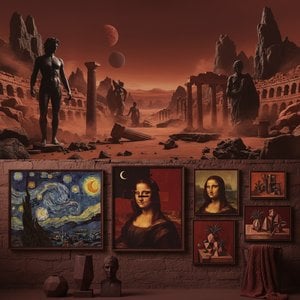
Mars Black Masterpieces: 10 Iconic Paintings & Timeless Art Decor Ideas
Delve into the power of 'Mars Black' with 10 iconic paintings by masters like Rembrandt & Caravaggio. Explore dramatic chiaroscuro, gothic art, and timeless beauty. Find museum-quality reproductions & elevate your home decor on .

White on Canvas: 10 Masterpieces & Timeless Elegance for Your Home Decor
Explore 10 iconic white paintings by Monet, Whistler & Rothko! Discover the stories behind these serene masterpieces and their impact on art history. Find museum-quality reproductions for your home decor at .