

 ნახვა ინტერьерში
 გაგზავნა
 გაზიარება
 დეტალები
 გზამკვლევი

 ჩამოტვირთვა
 მსგავსები
 რენტგენოგრაფიული კვლევა
 სლაიდშოუ
 კითხვა-პასუხი
 სტატისტიკა
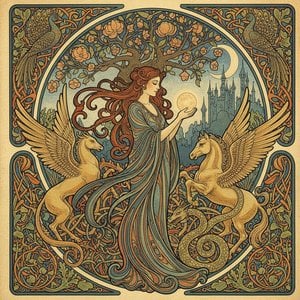
Bon voyage

- 11.0 x 23.0 cm


 სრული ტექსტის ნახვა
ამ გვერდზე წარმოდგენილი ნამუშევარი დაცულია საავტორო უფლების შესახებ კანონმდებლობით, რაც იმას ნიშნავს, რომ ჩვენ არ გვაქვს მისი იდენტური რეპროდუქციის შექმნის ან გაყიდვის სამართლებრივი უფლება. აღნიშნული დაცვა უზრუნველყოფილია ისეთი საერთაშორისო შეთანხმებებით, როგორიცაა ბერნის კონვენცია და ეროვნული კანონმდებლობით, მათ შორის იმ კანონებით, რომლებიც დეტალურად არის გაწერილი აშშ-ის საავტორო უფლების შესახებ კანონი - თავი 17.
ეს მეთოდი სრულად შეესაბამება საავტორო უფლებების რეგულაციებს, რადგან ის არ გულისხმობს დაცული ნამუშევრის კოპირებას ან დუბლირებას. ამგვარად, ეს წარმოადგენს შემოქმედებით რეინტერპრეტაციას — ახალ ნახატს, რომელიც შთაგონებითაა განპირობებული ორიგინალით, თუმცა არ არის მის იდენტურ ასლს.
გიკლე / ხელოვნების პრინტი
მუზეუმის დონის ჟიკლე ან ტილოზე ბეჭდვა სწრაფი წარმოებისა და დასრულების მოქნილი ვარიანტებით. ( შეიძინეთ ხელით შესრულებული ნახატი გადასვლა ციფრულ გამოსახულებაზე)




































აირჩიეთ ჩვენს მიერ წინასწარ განსაზღვრული ზომებიდან, რომლებიც ნაწარმოების ორიგინალურ პროპორციებს შეესაბამება.

შეიყვანეთ თქვენთვის საჭირო სიგანე და სიმაღლე, რათა იგი მოერგოს თქვენს ჩარჩოს ან კედელს. ბეჭდვისას შესაძლებელია მხოლოდ მისი შემცირება და არა გაზრდა, ამიტომ სხვა ფორმის ზომის შემთხვევაში გამოსახულება ნაწილობრივ იკარგება. სანამ რაიმეს დაბეჭდავთ, ჩვენ გამოგიგზავნით ციფრულ მაკეტს დასდასტურებლად. ამ გვერდზე ნაჩვენები სურათი არ ასახავს რეალურ ჭრას — ამას მხოლოდ მაკეტი გვიჩვენებს.
მიწოდება მთელ მსოფლიოში () 2 კვირაში, სტანდარტული 4/5 კვირის ნაცვლად. (3 ნოემბერი)

უფასო ექსპრეს მიწოდება მთელ მსოფლიოში

მაღალი ხარისხის ტილო

ტრანსპორტირების სრული დაზღვევა

საბაჟო გადასახადების დაბრუნების გარანტია

ფერების სრული შესაბამისობის გარანტია

დაბრუნების 100-დღიანი პერიოდი (მხოლოდ წარმოების დეფექტის შემთხვევაში)

100% თანხის სრული დაბრუნების გარანტია

ფასდაკლება დიდი რაოდენობით შეკვეთისას
 მინის ჩარჩოს არჩევანი ხელმისაწვდომია მხოლოდ 110 სმ-მდე ზომისთვის

Bon voyage
გიკლე / ხელოვნების პრინტი
რეპროდუქციის ზომა
-


ჯამური ღირებულება
₾ 164
მსგავსი ნამუშევრები


მხატვრის ბიოგრაფია
A Vision of France Through Rail
The Société nationale des chemins de fer français (SNCF), often referred to simply as SNCF, stands as a monumental figure in French artistic history—not for its trains themselves, but for the breathtaking landscapes and poignant social commentary captured within their railway art. Founded in 1938 following a pivotal agreement uniting government, private railways, and labor unions, SNCF’s mission extended far beyond mere transportation; it became a vehicle for documenting and celebrating the nation's identity and heritage.- Early Years & Artistic Roots: The genesis of SNCF’s artistic endeavors can be traced back to the early 20th century, when railway companies recognized the power of visual representation to connect with their clientele and bolster national pride. Initially focused on promotional posters and calendars—often commissioned by prominent artists—these artworks aimed to portray France's beauty and vitality, emphasizing rural landscapes and industrial progress.
- The Rise of Impressionism & Beyond: SNCF’s artistic trajectory closely mirrored the broader trends of Impressionism and Post-Impressionism. Artists like Eugène Delacroix and Jean-François Millet initially graced SNCF's canvases with depictions of pastoral scenes—wheat fields shimmering under sunlight, shepherds tending flocks—reflecting a romantic idealization of rural life. However, as the century progressed, influences from Cubism and Surrealism began to permeate SNCF’s artistic output.
Notable Artists & Their Contributions
Several artists cemented SNCF's reputation for evocative railway art. Alexandre Cabanel, renowned for his opulent portraits of royalty, skillfully blended classical technique with panoramic vistas, creating images that conveyed grandeur and sophistication alongside natural beauty. Maurice Denis, a staunch advocate for decorative arts, championed the integration of color and form to convey emotion—a hallmark of SNCF’s artistic vision. Pierre Bonnard's hazy landscapes and interiors captured the subtle nuances of everyday life, offering viewers glimpses into the soul of France.- Technique & Style: SNCF artists favored techniques that prioritized atmospheric perspective and tonal modulation—essential elements for conveying the grandeur of mountainous terrains or the intimacy of rural dwellings. They embraced plein air painting, immersing themselves in the natural world to capture its fleeting impressions.
- Symbolism & Narrative: Beyond mere visual representation, SNCF’s artworks often carried symbolic weight. Landscapes served as metaphors for national resilience and optimism—particularly during periods of upheaval like World War I. Artists skillfully employed narrative elements—scenes from rural life or industrial labor—to communicate values such as hard work, community spirit, and the enduring beauty of France.
Legacy & Historical Significance
Throughout the 20th century, SNCF’s artistic legacy endured. Its images continued to inspire generations of French artists and served as a powerful tool for shaping national identity. The railway art movement solidified SNCF's role as a patron of the arts—demonstrating its commitment to preserving France’s cultural heritage while simultaneously celebrating its progress. Today, SNCF’s artistic archive remains an invaluable resource for scholars studying 20th-century French culture and visual art.- Contemporary Relevance: Even in the digital age, SNCF's aesthetic principles—a harmonious blend of observation, emotion, and craftsmanship—continue to resonate. Its enduring images serve as reminders of France’s rich artistic tradition and its unwavering belief in the transformative power of beauty.

Sncf
1938 - , France
მოკლე ფაქტები
- Full Name: sncf
- Nationality: French
- Date Of Birth: 1938
- Place Of Birth: France
- Artistic Movement Or Style: Social Realism Art
მსგავსი სტატიები

Arthur Rackham: A Master of British Illustration & the Enchanted Realm of Fairy Tales
Explore the enchanting world of Arthur Rackham (1867-1939), a leading figure in British Golden Age illustration. Discover his iconic fairy tale art, classic book illustrations & lasting legacy. Learn more at ArtsDot.
Edmund Dulac: A Master of Golden Age Illustration – Exploring Myth, Symbolism & Art Nouveau Legacy
Explore the captivating world of Edmund Dulac, a master of Golden Age illustration! Discover his enchanting fairy tales, Art Nouveau style, and lasting influence on art & design. Learn about *The Rubaiyat* and more.

The Refined Aesthetic of Victorian Illustration: A Study in Narrative & Technique
Explore the captivating world of Victorian illustration! Discover Pre-Raphaelite influences, key artists like Rossetti & Stephens, and the era's rich narrative detail. A deep dive for art enthusiasts.

Angelo Chiacchio: A Mid-Century American Illustration Master & the Rise of Commercial Art
Explore the captivating world of Angelo Chiacchio, a master of mid-century American illustration. Discover his evolution, signature style, and lasting impact on commercial art & design. Learn about his legacy at the Museum of American Illustration.

Kay Rasmus Nielsen: A Golden Age Illustrator's Enchanting Legacy of Symbolism & Narrative
Explore the captivating world of Kay Rasmus Nielsen, a celebrated Golden Age illustrator renowned for his Art Nouveau fairy tale art & Disney contributions. Discover his unique style, enduring legacy, and how to collect his enchanting works.