


 გაგზავნა
 გაზიარება
 დეტალები

 ჩამოტვირთვა
 მსგავსები
 სლაიდშოუ
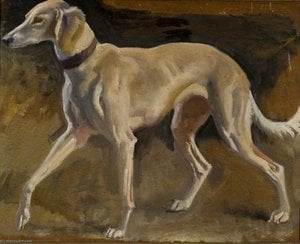
Tree Study (verso)


 გადასართად დაწვრილებით ნახეთ
გიკლე / ხელოვნების პრინტი
მუზეუმის დონის ჟიკლე ან ტილოზე ბეჭდვა სწრაფი წარმოებისა და დასრულების მოქნილი ვარიანტებით. ( გადართვა ხელით შესრულებულ ნახატზე გადართვა სურათზე)




P118B $10

P118H $10

P118W $10

P438Z $10

P508JH $12

P508YH $12

P805H $10

P805Z $10

P919BZ $10

P919G $10

P919XJ $10

P959ZH $10

P968JZ $12

W106C $8

W218G $10

W218JH $8

W218Y $10

W307PJ $10

W316G $10

W316PJ $8

W316Y $10

W398PJ $8

W4111J $10

W500HY $15

W500JH $15

W692G $12

W849H $8

W940BG $15

W953PJ $8




აირჩიეთ ჩვენს მიერ წინასწარ განსაზღვრული ზომებიდან, რომლებიც ნაწარმოების ორიგინალურ პროპორციებს შეესაბამება.

თქვენ შეგიძლიათ მიუთითოთ საკუთარი ზომები კონკრეტული ჩარჩოსთვის ან სივრცისთვის მოსარგებლებლად. თუ თქვენ მიერ არჩეული ზომა არ შეესაბამება ორიგინალი გამოსახულების პროპორციებს, ჩვენ ან დავჭრით ნამუშევარს, ან გავაფართოვებთ გამოსახულებას სარკული ან ერთფეროვანი კიდეებით. წარმოების დაწყებამდე თქვენს დასამტკიცებლად გამოგეგზავნებათ ციფრული მაკეტი.
გთხოვთ, გაითვალისწინოთ, რომ ეკრანზე ნაჩვენები წინასწარი ნახვა არ ასახავს რეალურ ჭრას ან გაფართოებას. მხოლოდ მაკეტზე იქნება ზუსტად წარმოდგენილი საბოლოო კომპოზიცია.
მიუხედავად იმისა, რომ ინდივიდუალური ზომები ხელმისაწვდომია, ორიგინალური პროპორციების შესანარჩუნებლად გირჩევთ, აირჩიოთ ზომა წინასწარ განსაზღვრული სიისგან.
მიწოდება მთელ მსოფლიოში () 2 კვირაში, სტანდარტული 4/5 კვირის ნაცვლად. (10 აგვისტო)

უფასო ექსპრეს მიწოდება მთელ მსოფლიოში

საბამად მაღალი ხარისხის ტილო

სრული ტრანსპორტირების დაზღვევა

საბაჟო გადასახადების დაბრუნების გარანტია

ფერების სრული შესაბამისობის გარანტია

60-დღიანი დაბრუნების პოლიტიკა (მხოლოდ დეფექტის შემთხვევაში)

100% თანხის დაბრუნების გარანტია

ფასდაკლება დიდი რაოდენობით შეკვეთისას
 მინის ჩარჩოს არჩევანი ხელმისაწვდომია მხოლოდ 110 სმ-ზე ნაკლები ზომისთვის

Tree Study (verso)
გიკლე / ხელოვნების პრინტი
რეკლამაციის ზომა
-


საბოლოო ფასი
$ 62
საკლექციო აღწერა
A Study in Light and Landscape: Alfred James Munnings’s “Tree Study (verso)”
Alfred James Munnings's "Tree Study (verso)" isn’t merely a depiction of a solitary tree; it’s a distillation of the English countryside, captured with an immediacy that speaks to both the artist’s profound connection to his native Suffolk and a deeply ingrained sense of nostalgia for a vanishing way of life. Painted in 1930, this oil on panel offers a glimpse into Munnings's meticulous process – a testament to his dedication to observing and translating the subtle nuances of light, texture, and atmosphere onto canvas. The piece, rendered in a predominantly Impressionistic style, eschews precise detail in favor of capturing the *feeling* of the scene: the dappled sunlight filtering through foliage, the rough bark of the tree, and the hazy distance that suggests an expansive horizon. It’s a study not for reproduction, but for understanding – a foundational sketch upon which Munnings would later build more elaborate landscapes.
The Artist's Vision: Munnings and the Suffolk Landscape
Alfred James Munnings was inextricably linked to the heartland of England. Born in Mendham Township, Sussex, in 1878, his life revolved around the rolling fields and vibrant equestrian traditions of rural Suffolk. Unlike many artists who sought grand vistas or dramatic subjects, Munnings focused on the quiet beauty of everyday life – the working farms, the grazing horses, and the ever-changing light of the countryside. This intimate connection informed every brushstroke, imbuing his work with a palpable sense of authenticity and warmth. He wasn’t simply painting what he saw; he was conveying an emotional response to the land itself, a deep appreciation for its rhythms and its enduring spirit. Munnings's artistic journey began not within the formal confines of an academy, but in the practical world of a Norwich printing house. This apprenticeship honed his skills in design and observation while simultaneously allowing him to pursue studies at the Norwich School of Art.
Technique and Style: Impressionistic Brushwork and Atmospheric Depth
Munnings’s technique is characterized by loose, expressive brushstrokes – a hallmark of Impressionism. He employed a broken color approach, layering thin washes of paint to build up the image gradually, allowing the colors to mingle and create subtle variations in tone. The palette is dominated by earthy greens, browns, and ochres, reflecting the natural hues of the Suffolk landscape. Notably, the painting avoids sharp outlines or overly defined forms, instead relying on atmospheric perspective to suggest depth and distance. The artist skillfully uses light and shadow to model the tree’s form, creating a sense of three-dimensionality that belies the relatively flat surface of the panel. The texture of the bark is hinted at through short, choppy brushstrokes, while the foliage appears as a shimmering mass of color. A subtle pinkish hue is present in some areas, possibly referencing May blossom.
Symbolism and Emotional Resonance: A Moment Frozen in Time
"Tree Study (verso)" transcends a simple landscape depiction; it’s imbued with a quiet melancholy – a poignant reminder of the passage of time and the inevitable changes that sweep across the countryside. The “verso” aspect, often overlooked, adds to this sense of intimacy and immediacy. It suggests a preliminary study, a fleeting moment captured before being refined into a more finished work. The tree itself can be interpreted as a symbol of resilience – rooted firmly in the earth, weathering the storms of time. Munnings’s ability to capture such subtle emotional nuances speaks volumes about his artistic skill and his profound understanding of the human condition. The painting evokes a feeling of peaceful contemplation, inviting the viewer to lose themselves in the beauty of the natural world and reflect on its enduring significance.
Additional Research:
დაკავშირებული ნამუშევრები



მხატვრის ბიოგრაფია
ალფრედ ჯეიმზ მუნინგსი: ცხენებისა და ინგლისური სოფლის ხატოვანი გამოსახლება
სირ ალფრედ ჯეიმზ მუნინგსი, სახელწოდება რომელიც განუყოფლად ასოცირდება ცხენების ნათელ აღბეჭვებასა და ინგლისურ სოფელს შინაურული იერსაღით, უმნიშვნელოვანეს ადგილს იკავებს მეოცე საუკუნის ბრიტანულ ხელოვნებაში. 1878 წელს, საფოლკის ქალაქ მენდამში დაბადებული, მისი ცხოვრება ღრმად იყო განწყობილი ცხოველებთან, განსაკუთრებით ცხენებთან – კავშირს რომელიც განსაზღვრავდა მის მხატვრულ ხედვას და მიიყვანდა წარმატების მწვერვალამდე. მუნინგსი არ უბრალოდ ასახლებდა გარემოს; ის შენარჩუნებდა განცდილს, ატმოსფეროს, სამყაროს რომელიც შეუქცევად ცვლილებას ელიდა. მან დაუფარავად აღწერა გაქრობადი ცხოვრების წესი, ინგლისურის მკაფიო პროფილი ტრადიციებში, მონτανში და სოფლის მეურნეობის ჰარმონიულ რთვებში.
მუნინგსის მხატვრული გზა არ დაიწყო აკადემიური კედლების მიღმა, არამედ პრაქტიკულ სამყაროში, ნორისვიჩის სტამბაში. ეს გაწევრიანება განავითარა დიზაინისა და დაკვირვების უნარი, ხოლო პარალელურად მისცა საშუალება ეწარმოებინა სწავლები ნორისვიჩის ხელოვნების სკოლაში. იყო ფორმირებადი პერიოდი, რომელიც ჩანერგავდა დისციპლიnę, რაც მას კარგად დაეხმარა საკუთარი თავის დამკვირვებლად აღმოფხვრისას წარმოქმნილი გამოწვევების გადაჭარბებაში. ადრეული გავლენები მოიცავდა ნიუელინის სკოლის პლენ-ეირ მწერლებს, სადაც მან მიიღო ერთობლივი ვალდებულება ბუნებიდან პირდაპირი კონტექსტის დანახვით. ეს ჩაღრმავება იმპრესიონისტულ ტექნიკებში საფუძველი გახდა მის ხასიათისთვის – თავისუფალი პენსლულირი, მკვეთრი ფერადი პალიტრა და მოძრაობის გადმომცემი განცდა. მისი ადრეული ნაშრომები ხშირად აღწერდნენ სოფლის სცენებს, განსაკუთრებით იმპერიალისტებსა და ცხენებს რომლებიც საფოლკის სოფლებში თავისუფლად მოძრაობდნენ, რაც მის მზარდ ხელოვნებას გამოხატავდა. ეს ნახატები არ იყო უბრალოდ წარმომადგენლობა; ისინი სიყვარულის გამოსახულება იყო მიწისთანა და მისი მკვიდრებისადმი.
ომი, აღიარება და ტრადიციების დამცველი
პირველი მსოფლიო ომმა βαθιά επηρέασε τόσο την καλλιτεχνική προοπτική του Munnings όσο και το δημόσιο του προφίλ. Παρόλο που αρχικά δεν κρίθηκε κατάλληλος για μάχη, υπηρέτησε ως επίσημος καλλιτέχνης με την Καναδική ιπποστρατιά, καταγράφοντας τον ζωτικό ρόλο των αλόγων στην σύγκρουση. Αυτή η εμπειρία τον έφερε πρόσωπο με πρόσωπο με τις σκληρές πραγματικότητες του πολέμου - τη θυσία, την απώλεια και τον διαρκή δεσμό μεταξύ ανθρώπων και ζώων. Οι πίνακές του από αυτήν την περίοδο δεν είναι δοξασίες μάχης, αλλά λυπητερά αντανακλάσεις της θυσίας και της ανθεκτικότητας, καταγράφοντας μια σκοτεινή ομορφιά μέσα στην καταστροφή. Τα μεταπολεμικά χρόνια είδαν μια έκρηξη δημοτικότητας και οικονομικής ασφάλειας για τον Munnings. Αξιόλογες αποστολές έρευσαν, επιτρέποντάς του να αποκτήσει το Castle House στο Dedham, Essex - ένα ακίνητο που θα γινόταν τόσο το σπίτι όσο και το εργαστήριό του για το υπόλοιπο της ζωής του. Γνήσιος πορτρατιστής, αιχμαλώτισε όχι μόνο τη φυσική ομοιότητα αλλά και τον χαρακτήρα και το πνεύμα, στερεώνοντας τη φήμη του ως ενός από τους κορυφαίους καλλιერείς της Μεγάλης Βρετανίας. Ωστόσο, ο Munnings ήταν επίσης ένας ένθερμος υπερασπιστής των παραδοσιακών καλλιτεχνικών αξιών.
争议的声音和持久的遗产
Munnings's artistic philosophy was deeply rooted in tradition, and he became a vocal critic of the burgeoning modernist movements that were challenging conventional notions of art. His famous – and often controversial – 1949 BBC radio broadcast saw him launch a scathing attack on Cubism and Surrealism, delivered with characteristic candor (and reportedly fueled by alcohol). While his remarks sparked outrage among proponents of modern art, they also resonated with those who valued representational painting and the enduring power of artistic skill. He wasn’t simply resisting change for its own sake; he believed in the importance of preserving artistic standards and celebrating beauty in its traditional forms. This conviction culminated in his election as President of the Royal Academy in 1944, a position he held until 1949, solidifying his status within the British art establishment. He was knighted Bachelor in 1944 and appointed a Knight Commander of the Royal Victorian Order in 1947, further acknowledging his contributions to the nation’s cultural life. Sir Alfred James Munnings left behind a vast and compelling body of work that continues to captivate audiences today. His paintings offer a window into a bygone era – a world of horses, hunting, and rural landscapes that has largely disappeared. The Munnings Art Museum, established by his wife Violet at Castle House, serves as a testament to his enduring legacy, preserving his art and providing a space for future generations to appreciate his unique vision. Beyond the technical brilliance of his paintings, it is Munnings’s ability to evoke emotion that truly sets him apart. He captured not just the physical beauty of horses, but also their spirit, their power, and their connection to the human heart. His work remains a powerful reminder of the enduring appeal of representational painting and the importance of preserving artistic traditions in an ever-changing world.
σημαντικές επιτυχίες
- Πρόεδρος της Βασιλικής Ακαδημίας: Εκλέχθηκε Πρόεδρος της Βασιλικής Ακαδημίας το 1944, υπηρετώντας μέχρι το 1949.
- Ιπποσέλλισμα: Ιπποσέλισμα ως Bachelor το 1944 και διορίστηκε ιππότης του Βασιλικού Βικτωριανού Τάγματος το 1947.
- Αποστολές καλλιτεχνών πολέμου: Αναγνωρίστηκε για την εργασία του που καταγράφει την Καναδική Ιπποστρατιά κατά τον Α' Παγκόσμιο Πόλεμο.
- Γλυπτική Εργασία: Δημιούργησε γλυπτά, συμπεριλαμβανομένου ενός ιππέα του Edward Horner.
Η κληρονομιά του διαρκεί όχι μόνο μέσω των εξαιρετικών πινάκων του αλλά και ως ένας παθιασμένος υπερασπιστής της καλλιτεχνικής παράδοσης σε έναν κόσμο που εκσυγχρονίζεται γρήγορα.

ალფრედ ჯეიმზ მუნინგს
1878 - 1959 , გაერთიანებული სამეფო
მოკლე ინფორმაცია
- Artistic Movement Or Style: Импрессионизм
- Artists Who Influenced This Artist: ['Новый Скола художники']
- Date Of Birth: 1878
- Date Of Death: 1959
- Full Name: Sir Alfred James Munnings
- Nationality: Бრიტანელი
- Notable Artworks:
- The Fancy Dress Ball
- A Piper
- Sky Study -
- Place Of Birth: Mendham, UK
დაკავშირებული სტატიები

Sir Alfred Munnings' Masterpieces: 25 Paintings That Define Equine Art | ArtsDot
Explore 25 iconic Sir Alfred Munnings paintings! Discover the beauty of British Impressionism, equine art & rural England. Find museum-quality reproductions and elevate your home decor with ArtsDot. Explore the full collection online.

პოლ სეზანის 25 შედევრი: ხელოვნების ისტორიაში გამორჩეული ნაწარმოებები | ArtsDot.com
აღმოაჩინეთ პოლ სეზანის 25 გამორჩეული შედევრი! იმპრესიონიზმი, პოსტიმპრესიონიზმი და კუბიზმის წინასწარმეტყველი. ნახატების ისტორია, ტექნიკა და შთაგონება ArtsDot.com-ზე. 🖼️ ხელოვნების ბეჭვრა მუზეუმის ხარისხით.

ჯეიმზ უისტლერის 25 შედევრი: ხელოვნების ისტორია თქვენს სახლში | ArtsDot
გაიცანით ჯეიმზ უისტლერის 25 შედევრი! ნოქტიურნები, პორტრეტები და იმპრესიონიზმის სილამაზე. ხელოვნების ისტორია ArtsDot-ზე - მუზეუმის ხარისხის რესპროდუქციები თქვენი სახლისთვის. აღმოაჩინეთ უისტლერის ტილოები ონლაინ!

ჯონ კონსტებლის 25 საუკეთესო შედევრი | ხელოვნების რეკრეაციები ArtsDot-ზე
გაიცანით ჯონ კონსტებლის 25 საუკეთესო შედევრი! ინგლისური პეიზაჟების ისტორია, XIX საუკუნის ხელოვნება და ArtsDot-ზე ხელოვნების უნიკალური კოლექცია. შეიძინეთ ხარისხიანი რეკრეაციები სახლის დეკორაციისთვის. აღმოაჩინეთ სრულყოფილი შეფერილი ტილოები ArtsDot.com-ზე!

Beyond the Horizon: 10 Landscape Masterpieces for Your Home Decor
Journey through 10 breathtaking landscape paintings by Monet, Van Gogh & more! Explore iconic artworks, artistic techniques & find inspiration for your home decor. Museum-quality reproductions at ArtsDot.com. Discover all masterpieces on ArtsDot.com



