


 ნახვა ინტერьерში
 გაგზავნა
 გაზიარება
 დეტალები
 გზამკვლევი

 ჩამოტვირთვა
 მსგავსები
 რენტგენოგრაფიული კვლევა
 სლაიდშოუ
 სტატისტიკა
The Microscope


 სრული ტექსტის ნახვა
გიკლე / ხელოვნების პრინტი
მუზეუმის დონის ჟიკლე ან ტილოზე ბეჭდვა სწრაფი წარმოებისა და დასრულების მოქნილი ვარიანტებით. ( შეიძინეთ ხელით შესრულებული ნახატი გადასვლა ციფრულ გამოსახულებაზე)




P118B ₾10

P118H ₾10

P118W ₾10

P438Z ₾10

P508JH ₾12

P508YH ₾12

P805H ₾10

P805Z ₾10

P919BZ ₾10

P919G ₾10

P919XJ ₾10

P959ZH ₾10

P968JZ ₾12

W106C ₾8

W218G ₾10

W218JH ₾8

W218Y ₾10

W307PJ ₾10

W316G ₾10

W316PJ ₾8

W316Y ₾10

W398PJ ₾8

W4111J ₾10

W500HY ₾15

W500JH ₾15

W692G ₾12

W849H ₾8

W940BG ₾15

W953PJ ₾8




აირჩიეთ ჩვენს მიერ წინასწარ განსაზღვრული ზომებიდან, რომლებიც ნაწარმოების ორიგინალურ პროპორციებს შეესაბამება.

შეიყვანეთ თქვენთვის საჭირო სიგანე და სიმაღლე, რათა იგი მოერგოს თქვენს ჩარჩოს ან კედელს. ბეჭდვისას შესაძლებელია მხოლოდ მისი შემცირება და არა გაზრდა, ამიტომ სხვა ფორმის ზომის შემთხვევაში გამოსახულება ნაწილობრივ იკარგება. სანამ რაიმეს დაბეჭდავთ, ჩვენ გამოგიგზავნით ციფრულ მაკეტს დასდასტურებლად. ამ გვერდზე ნაჩვენები სურათი არ ასახავს რეალურ ჭრას — ამას მხოლოდ მაკეტი გვიჩვენებს.
მიწოდება მთელ მსოფლიოში () 2 კვირაში, სტანდარტული 4/5 კვირის ნაცვლად. (22 ოქტომბერი)

უფასო ექსპრეს მიწოდება მთელ მსოფლიოში

მაღალი ხარისხის ტილო

ტრანსპორტირების სრული დაზღვევა

საბაჟო გადასახადების დაბრუნების გარანტია

ფერების სრული შესაბამისობის გარანტია

დაბრუნების 100-დღიანი პერიოდი (მხოლოდ წარმოების დეფექტის შემთხვევაში)

100% თანხის სრული დაბრუნების გარანტია

ფასდაკლება დიდი რაოდენობით შეკვეთისას
 მინის ჩარჩოს არჩევანი ხელმისაწვდომია მხოლოდ 110 სმ-მდე ზომისთვის

The Microscope
გიკლე / ხელოვნების პრინტი
რეპროდუქციის ზომა
-


ჯამური ღირებულება
₾ 162
A Window into Enlightenment: Examining Robert Walter Weir’s “The Microscope”
Robert Walter Weir's "The Microscope," completed in 1849, stands as a remarkable testament to the confluence of scientific curiosity and humanist ideals that characterized mid-nineteenth century America. More than just a portrait depicting Jacob Whitman Bailey, a prominent advocate for American microscopy and instructor at West Point, this painting embodies the Romantic spirit’s fascination with both reason and imagination—a duality Weir skillfully captures through meticulous observation and expressive brushwork. The artwork resides within Yale University Art Gallery's collection, offering visitors an opportunity to contemplate its enduring significance.- Subject Matter: At its core, “The Microscope” presents a tableau of intellectual engagement. Bailey, dressed in attire reminiscent of Galileo Galilei—a deliberate allusion to the Renaissance astronomer’s groundbreaking discoveries—demonstrates his knowledge to his sons and daughter, Maria. This familial scene underscores the importance of educating children not only in traditional arts but also in scientific pursuits, reflecting the burgeoning belief that fostering intellectual development was crucial for societal progress.
- Style & Technique: Weir’s style aligns firmly with the Hudson River School tradition, prioritizing atmospheric perspective and tonal gradation to convey a sense of grandeur and tranquility. Employing oil paints on canvas, he achieved remarkable realism through careful layering and blending—a hallmark of the era's artistic approach. The subdued palette—dominated by browns, greens, and blues—creates an environment that feels both scholarly and contemplative.
Historical Context: Science and Domestic Education in Victorian America
The painting emerged during a period marked by significant advancements in scientific understanding, particularly in microscopy. Scientists like Bailey were actively exploring the microscopic world, uncovering previously unseen organisms and challenging prevailing theories about disease and heredity. Simultaneously, Victorian society placed considerable emphasis on educating girls—primarily focusing on music, dance, and needlework—though figures like Bailey recognized the necessity of introducing science into female education. Weir’s depiction reflects this societal preoccupation with cultivating intellectual prowess in young women.- Symbolism: The inclusion of Galileo's garb serves as a powerful symbol—representing the triumph of observation and experimentation over dogma. Bailey’s stance, gazing intently at the microscope, embodies the Romantic conviction that scientific inquiry could illuminate the mysteries of creation. Furthermore, Maria’s presence symbolizes the future generation inheriting this enlightened worldview.
- Emotional Impact: “The Microscope” transcends mere representation; it evokes a feeling of serene intellectual pursuit and familial devotion. Weir's masterful use of light and shadow contributes to an atmosphere of quiet contemplation—encouraging viewers to appreciate the beauty inherent in knowledge and the importance of nurturing young minds.
Yale Center for British Art’s Perspective
The Yale Center for British Art considers “The Microscope” as a pivotal piece illustrating the Romantic movement's commitment to both reason and imagination. Its inclusion within the American Art before 1900 galleries underscores its significance in shaping artistic sensibilities during this formative period. The painting continues to inspire interior designers seeking to infuse their spaces with elements of intellectual curiosity and humanist values—a legacy that extends far beyond its original creation.კითხვები და პასუხები
რა ემოციას გადმოგვცემს Romanticism-ის ნამუშევარი „The Microscope“?
„The Microscope“-ის Reflective ემოცია მისი Romanticism სტილის თანამგზავრია.
არსებობს თუ არა მსგავსი ნამუშევრები, როგორც "The Microscope"?
რობერტ უოლტერ უირი-ის „The Microscope“-ის მსგავსი ნამუშევრები გვერდი წარმოგიდგენთ მსგავს ნამუშევრებს.
არსებობს თუ არა სლაიდშოუ ნამუშევრისთვის რობერტ უოლტერ უირი-ის „The Microscope“?
სურათების სლაიდშოუ „The Microscope“-ის სანახავად ეწვიეთ ნამუშევრის სლაიდშოუ გვერდს.
მსგავსი ნამუშევრები


მხატვრის ბიოგრაფია
ისტორიაში ამოთქმული სიცოცხლე: რობერტ უოლტერ უირის სამყარო
რობერტ უოლტერ უირი, რომელიც 1803 წლის 18 ივნისს ნიუ-იორკში დაიბადა, იყო ფიგურა, რომლის ბედიც ღრმად არის გადაჯაჭვული მე-19 საუკუნის ამერიკის სახელოვნებო და საგანმანათლებლო ქსოვილთან. მისი ცხოვრების ისტორია არის თვითწარმოებულად მიძღვნილი თავდადების, კლასიკური ცოდნის წყურვილისა და სხვებში შემოქმედებითი ნიუანსების აღმოჩენისადმი მარადიული ერთგულების ამბავი. ადრეულ წლებში უირის ოჯახი ნიუ-იორკსა და ნიუ-როშელს შორის მოგზაურობდა, სანამ 1817 წლისთვის კვლავ ქალაქში არ დას menet settled. მიუხედავად იმისა, რომ თავდაპირველად იგი სავაჭრო საქმიანობით იყო დაკავებული, ახალგაზრდა რობერტმა იგრძნო მხატვრული თვითგამოხატვის მოთხოვნილება და 1821 წელს, თვრამეტ წლის ასაკში, სავაჭრო საქმიანობა მიატოვა, რათა მთელი გულით შეეღწია ფერწერისთვის. ამ გადაწყვეტილებამ საფუძველი ჩაუყარა იმ გზას, რომლის შედეგადაც იგი არა მხოლოდ პატივსაცემი მხატვარი, არამედ საკვანძო პედაგოგი გახდა, რომელმაც მომავალი ლიდერების გონება ჩამოაყალიბა. უირის პირველადი სწავლება მეტწილად თვითგანათლებას ეფუძნებოდა და დახვეწილს ნიუ-იორკში, 1822-დან 1824 წლამდე გამართული მონდომებით სწავლობდა. თუმცა, სწორედ იტალიაში გატარებულმა დრომ – ფლორენცასა (1824-182ს) და რომში (1825-1827) – აღძრა მასში ნამდვილი მხატვრული გრძნობა. მიკელანჯელოსა და რაფაელის შედევრებში ჩაფლული, მან შეითვისა რენესანსის კომპოზიციისა და დეტალების პრინციპები, რომელთა გავლენა კიდეც მთელი მისი კარიერის განმავლობაში ეხმიანებოდა.ლევისპირებიდან საკლასო ოთახამდე: ორმაგი მემკვიდრეობა
1827 წელს ნიუ-იორკში დაბრუნებისთანავე, უირი სწრაფად ჩაერთო მზარდ სახელოვნებო თემში. იგი რეგულარულად ექსპონირებდა თავის ნამუშევრებს დიზაინის ეროვნულ აკადემიაში, რამაც 1829 წელს მას ასოცირებული წევრობა, ხოლო 1831 წლისთვის სრული აკადემიკოსის სტატუსი მოუტანა – რაც მისი მზარდი ოსტატობისა და აღიარების დასტური იყო. თუმცა, სწორედ სხვა გზამ განსაზღვრა მისი ცხოვრებისეული შრომის უდიდესი ნაწილი: განათლება. 1834 წელს მან მიიღო ხატვის მასწავლებლის პოზიცია ნიუ-იორკის ვესტ-პოინტის სამხედრო აკადემიაში. ეს დანიშვნა მხოლოდ სამსახური არ ყოფილა; ეს იყო მოწოდება. 1846 წლამდე იგი ხატვის პროფესორად იქცა და ამ როლს არაჩვეულებრივი ორმოცდაორი წლის განმავლობაში, 1876 წლამდე ერთგულად ასრულებდა. მისი მსახურების გავლენა თითქმის შეუფასებელია. უირი არ მხოლოდ ხატვას ასწავლიდა; იგი მომავალი სამხედრო ოფიცრების თაობაში ხელოვნების, დაკვირვებისა და ვიზუალური აზროვნებისადმი სიყვარული ჩადო. მის სტუდენტებს შორის იყვნენ ის სახელები, რომლებიც მოგვიანებით სამოკავშირეო ომის სინონიმებად იქცნენ: იულისი ს. გრანტი, რობერტ ი. ლი, ჯეფერსონ დევისი და ჯეიმს აბოტ მაკნილ უისტერი – ეს გასაოცარი სია მისი გავლენის მასშტაბურობაზე მეტყველებს. იგი ასევე მზრუნველობდა სეთ ესტმანზე, კიდევ ერთი გამორჩეული მხატვრისთვის, რომელიც ამერიკული ინდიელების ცხოვრებას აღწერდა. მისი პედაგოგიური მიდგომა მხოლოდ ტექნიკურ უნარებზე არ იყო ორიენტირებული; იგი მიზნად ისახავდა გამჭრიახ თვალის განვითარებას და შემოქმედებითი პრობლემების გადაჭრის უნარის კულტივირებას, რაც ამ ადამიანებს მათ მომავალ საქმიანობაში ძალიან დაეხმარებოდათ.ჰადსონის მდინარის სკოლა და ისტორიული ნარატივები
უირი სამართლიანად მიიჩნევა ჰადსონის მდინარის სკოლის წევრად, ამერიკული სახელოვნებო მოძრაობის ნაწილად, რომელიც ცნობილია ქვეყნის ლანდშაფტების რომანტიზებული აღწერით. მიუხედავად იმისა, რომ მისი ტილოები ხშირად ისტორიულ თემებს ეხებოდა, ისინი შეღებილი იყო ბუნებისადმი იმავე დიდებულებითა და მოკრძალებით, რაც დამახასიათებელი იყო ამ სკოლისთვის. მისი მხატვრული სტილი ღრმად იყო ფესვგადგმული იტალიურ სწავლებებზე მიღებულ კლასიკურ პრინციპებში – დეტალების ზედმიწევნითი ყურადღება, დაბალანსებული კომპოზიციები და სინათლისა და ჩრდილის დრამატული გამოყენება. თუმცა, იგი მხოლოდ რენესანსის ტექნიკას არ იმეორებდა; მან ეს ტექნიკა ამერიკულ თემებსა და ნარატივებზე მოარგა. შესაძლოა, მისი ყველაზე საკულტო ნამუშევარია პილგრიმების გამგზავრება, რომელიც აშშ-ს კონგრესმა 1837 წელს შეუკვეთა და 1843 წელს აშშ-ის კაპიტოლის როტონდაში განთავსდა. ეს მონუმენტური ტილო მხოლოდ ისტორიული აღწერა არ არის; იგი სიმამაცის, რწმენისა და ამერიკის დამფუტიანი პრინციპების ძლიერი ალეგორიაა. სხვა მნიშვნელოვან ნამუშევრებს შორისაა *ბურბონთა ბოლო მარში*, *ჰენრიკ ჰუდის დაშვება*, *ჩვენი უფალი ஒலிვის მთაზე* და *კოლუმბოს წინაშე სალამანკას საბჭოს*. ეს ნამუშევრები წარმოაჩენს მის მრავალმხრივობას და ისტორიის გადამწყვეტი მომენტების დაჭერას სიზუსტითა და ემოციური რეზონანსით.ოჯახი, გავლენა და მარადიული აღიარება
რობერტ უოლტერ უირის მემკვიდრეობა ბევრად სცდება მის პირად სახელოვნებო მიღწევებს. მან ჩამოაყალიბა სახელოვნებო სრულყოფილების ოჯახური ტრადიცია; მისი ორი ვაჟი სწორედ მისი გზით წავიდა. ჯონ ფერგუსონ უირი პატივსაცემი მხატვარი და მოქანდაკე გახდა, ხოლო ჯულიან სოლდენ უირი გამოირჩეოდა, როგორც პორტრეტის, ფიგურული და ლანდშაფტური მხატვრობის წამყვანი წარმომადგენელი – რამაც კიდევ უფრო განამტკიცა უირის სახელი ამერიკულ სახელოვნებაში. რობერტ უოლტერ უირი ორჯერ იყო დაქორწინებული და თექვსმეტი შვილი ჰყავდა, რაც მის პროფესიულ საქმიანობასთან ერთად ცოცხალ ოჯახურ ცხოვრებას ქმნიდა. იგი 1889 წელს გარდაიცვალა, დატოვა მდიდარი სახელოვნებო მემკვიდრეობა და წარუვალი გავლენა ამერიკულ განათლებაზე. დღეს მისი ნამუშევრები კვლავ წარმოდგენილია ცნობილ მუზეუმებსა და კოლექციებში, რაც უზრუნველყოფს მისი წვლილის ხილვადობასა და შეფასებას მომავალი თაობებისთვის. მისი გავლენა დღემდე იგრძობა იმ უთვალავი მხატვრის მეშვეობით, რომლებსაც იგი პირდაპირ, სტუდენტობის დროს, ან არაპირდაპირი გზით, შემოქმედებითი და კრიტიკული აზროვნების სტიმულირების გზით შთადაგონებად იქცა.დაუვიწყარი შთაბეჭდილება
- კავშირი ჰადსონის მდინარის სკოლასთან: უირის წევრობა ამ გავლენიან მოძრაობაში განამტკიცა მისი ადგილი ამერიკული ლანდშაფტური ფერწერის კანონში.
- ვესტ-პოინტის მემკვიდრეობა: მისმა ארჩოთმა ვესტ-პოინტში ღრმად ჩამოაყალიბა მომავალი სამხედრო ლიდერების მხატვრული გრძნობები, რითაც დაამტკიცა ხელოვნების განათლების ძალა.
- ისტორიული ფერწერის ოსტატობა: ისეთი ნამუშევრები, როგორიცაა პილგრიმების გამგზავრება, წარმოაჩენს მის უნარს, დრამატული ეფექტითა და სიმბოლური სიღრმით ასახოს მნიშვნელოვანი ისტორიული მოვლენები.
- სახელოვნება დინასტია: მისი ვაჟების, ჯონ ფერგუსონ უირისა და ჯულიან სოლდენ უირის წარმატებამ კიდევ უფრო გაზარდა ოჯახის წვლილი ამერიკულ ხელოვნებაში.

რობერტ უოლტერ უირი
1803 - 1889
მოკლე ფაქტები
- Artistic Movement Or Style: ჰადსონის მდინარის სკოლა
- Artists Or Movements Influenced By This Artist:
- ჯონ ფერგუსონ ვეირი
- ჯულიან ალდენ ვეირი
- Artists Who Influenced This Artist:
- მიხელანჯელო
- რაფაელი
- Date Of Birth: 18 აკვიათი, 1803
- Date Of Death: 1 მაისი, 1889
- Full Name: რობერტ უოლტერ ვეირი
- Nationality: ამერიკელი
- Notable Artworks:
- პილგრიმების აგზნების სცენა
- ბურბონთა ბოლო მარში
- ჰენრიკ ჰადსონის დაჯდომა
- ჩვენი უფალი ஒலிვის მთაზე
- კოლუმბუსი სალამანკას საბჭოს წინაშე
- Place Of Birth: ნიუ-იორკი, აშშ
მსგავსი სტატიები

Robert Spencer: Luminism, Narrative & the American Landscape Tradition
Explore the captivating world of Luminism & the Hudson River School with our expert analysis. Discover the history, artists, and enduring beauty of 19th-century American landscape painting. Find museum-quality reproductions at ArtsDot.
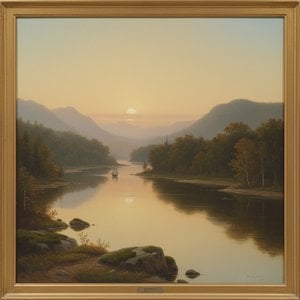
David Johnson: A Luminist Master of the Hudson River School & Beyond
Explore the captivating landscapes of David Johnson, a key figure in the Hudson River School & Luminism movement. Discover his artistic evolution, legacy, and how to collect his works with ArtsDot.

The Sublime Landscape: Exploring the Hudson River School Movement
Explore the captivating world of the Hudson River School! Discover the history, artists, and defining characteristics of this iconic American art movement. Learn about Romanticism's influence & find inspiration for your collection.

ჰადსონის դպրոցի լավագույն 10 шеდევры: արվեստը, որ ձեւավորեց Ամերիկայի տեսարժան վայրերը
გაეცանի ჰადსონის դպրոցի լավագույն 10 шеդևրին! Thomas Cole-ից մինչև Albert Bierstadt, բացահայտեք ամերիկյան արվեստի պատմությունը և հասարակության գեղեցիկ տեսարանները: ArtsDot.com-ում գտնեք թանգարանի որակի վերարձկված նկարներ և ձևավորման ազդեցություն: ուսումնասիրեք ամբողջական հավաքածուն առցանց:
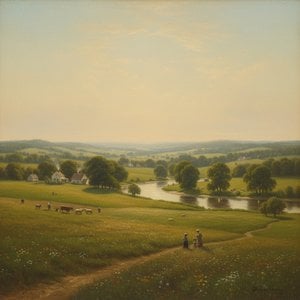
Thomas Worthington Whittredge: Capturing the American Pastoral Ideal with Luminist Light
Explore the luminous landscapes of Thomas Worthington Whittredge, a key figure in the Hudson River School and master of Luminism. Discover his captivating paintings & legacy with ArtsDot.