


 წინასწარი ნახვა
 გაგზავნა
 გაზიარება
 დეტალები
 გზამკვლევი

 ჩამოტვირთვა
 მსგავსები
 რენტგენოგრაფიული კვლევა
 სლაიდშოუ
 სტატისტიკა
Paisley Abbey
 Impressionism
 91.0 x 136.0 cm
 გადასართად დაწვრილებით ნახეთ
ხელით ნაკვეთი ზეთის ტილოს რეპროდუქცია
ტილოზე შესრულებული ფერწერიანი ზეთប្រდათი, თქვენთვის სასურველი ზომისა და ჩარჩოსთვის, ჩვენი ხელოვანების მიერ შეკვეთის საფუძველზე დამზადებული. ( გადართვა ბეჭდზე გადასვლა ციფრულ გამოსახულებაზე)




































აირჩიეთ ჩვენს მიერ წინასწარ განსაზღვრული ზომებიდან, რომლებიც ნაწარმოების ორიგინალურ პროპორციებს შეესაბამება.

თქვენ შეგიძლიათ მიუთითოთ თქვენთვის სასურველი ზომები კონკრეტული ჩარჩოს ან სივრცის შესაბამისად. თუ თქვენ მიერ არჩეული ზომა არ შეესაბამება ორიგინალი გამოსახულების პროპორციებს, ჩვენ ან შევაჭრებთ ნაწარმოებს, ან ტილოზე დავამატებთ ხელით მოხატულ ელემენტებს. წარმოების დაწყებამდე, დამტკიცებისთვის გამოგეგზავნებათ ციფრული მაკეტი.
გთხოვთ, გაითვალისწინოთ, რომ ეკრანზე ნაჩვენები წინასწარი შეხედულება არ ასახავს რეალურ შეჭრას ან გაფართოებას. საბოლოო კომპოზიციას ზუსტად მხოლოდ მაკეტი წარმოაჩენს.
მიუხედავად იმისა, რომ შესაძლებელია ინდივიდუალური ზომების შერჩევა, ორიგინალური პროპორციების შენარჩუნებისათვის გირჩევთ, გამოიყენოთ წინასწარ განსაზღვრული სიის ზომები.
შეკვეთის შემდეგ, ArtsDot.com გუნდი დაგიკავშირდებათ ელექტრონული ფოსტით ინსტრუქციებისთვის და გამოგიგზავნით წინასწარ ნახაზს (mockup).
მიწოდება მსოფლიო მასშტაბით -ში 3/4 კვირაში, სტანდარტული 5 კვირის ნაცვლად. (22 სექტემბერი). ხარისხზე კომპრომისის გაკეთება არ მოხდება.

უფასო ექსპრეს მიწოდება მთელ მსოფლიოში

საბამად მაღალი ხარისხის ტილო

სრული ტრანსპორტირების დაზღვევა

საბაჟო გადასახადების დაბრუნების გარანტია

ფერების სრული შესაბამისობის გარანტია

დაბრუნების 100-დღიანი პოლიტიკა (მხოლოდ დეფექტის შემთხვევაში)

100% თანხის დაბრუნების გარანტია

ფასდაკლება დიდი რაოდენობით შეკვეთისას
 მინის ჩარჩოს არჩევანი ხელმისაწვდომია მხოლოდ 110 სმ-ზე ნაკლები ზომისთვის

Paisley Abbey
რეკლამაციის ტექნიკა
რეკლამაციის ზომა
-


საბოლოო ფასი
$ 263
დაკავშირებული ნამუშევრები


მხატვრის ბიოგრაფია
A Life Painted in Light: The Story of Robert Eadie
Robert Eadie, a name perhaps less celebrated than some of his contemporaries, nevertheless occupies a significant and charming niche within the landscape of early 20th-century Scottish art. Born in Glasgow in 1877, Eadie’s artistic journey was deeply interwoven with the vibrant cultural tapestry of his city and the surrounding Scottish countryside. He wasn't a revolutionary figure overturning established norms; rather, he was a dedicated observer, a skilled craftsman who captured the essence of a disappearing world with quiet grace and meticulous detail. His life, though relatively undocumented in grand biographical strokes, speaks volumes through the enduring beauty of his watercolors, engravings, and illustrations – works that offer a poignant glimpse into a Scotland poised between tradition and modernity. Eadie’s early training remains somewhat obscure, but it is clear he benefited from the thriving art education system available in Glasgow at the time, likely attending classes at the Glasgow School of Art, though formal records are scarce. This grounding provided him with a solid foundation in draftsmanship and an appreciation for the principles of design that would characterize his entire career.The Scottish Palette: Influences and Early Development
Eadie’s artistic sensibilities were profoundly shaped by the prevailing aesthetic currents of his youth. The Glasgow School, spearheaded by Charles Rennie Mackintosh, was at its zenith, though Eadie's work doesn’t directly reflect the Art Nouveau style. Instead, he gravitated towards a more representational approach, deeply influenced by the Scottish Colourists – artists like Samuel Peploe and Francis Cadell – who were beginning to infuse their landscapes with bold hues and expressive brushwork. However, Eadie’s palette remained generally softer, more subdued, reflecting a preference for atmospheric effects and subtle tonal variations.- Early Subjects: His early works focused on scenes around Glasgow: bustling streets, industrial landscapes softened by the play of light and shadow, and intimate domestic interiors.
- Engraving as Foundation: Engraving played a crucial role in his development. The discipline demanded precision and an acute understanding of form, skills that he later transferred to his watercolor painting.
- The Influence of the Etching Revival: He was part of a wider movement reviving etching as a serious art form, contributing regularly to exhibitions and publications.
A Master of Watercolour: Technique and Style
Eadie truly blossomed as a watercolourist. He possessed an exceptional ability to capture the nuances of light and atmosphere, rendering the Scottish landscape with remarkable sensitivity. His technique was characterized by delicate washes, layered glazes, and a masterful control of tonal values. Unlike some artists who sought dramatic effects, Eadie’s watercolors are often understated, relying on subtle shifts in colour and texture to convey mood and emotion. He wasn't interested in grand vistas or heroic landscapes; his focus was on the intimate details – the play of sunlight on a stone wall, the gentle curve of a riverbank, the weathered surface of an old building. His paintings often feature scenes from the Scottish countryside: rolling hills, picturesque villages, and historic castles bathed in soft light. Paisley Abbey, Strathaven Castle, and the surrounding areas frequently appear in his work, suggesting a deep connection to these locations. He wasn’t simply painting *what* he saw but *how* he felt about what he saw – a crucial distinction that elevates his work beyond mere topographical representation.Illustrator and Chronicler: Beyond Fine Art
While primarily known for his watercolors and engravings, Eadie also worked as an illustrator, contributing to books and periodicals. This aspect of his career is often overlooked but provides valuable insight into his versatility and artistic range. His illustrations demonstrate the same meticulous attention to detail and sensitivity to atmosphere that characterize his fine art paintings. He illustrated local histories, guidebooks, and literary works, bringing a sense of authenticity and visual richness to these publications. This work allowed him to reach a wider audience and further establish his reputation as a skilled craftsman. Furthermore, it provided him with a steady income, allowing him to pursue his passion for watercolor painting without financial constraints. He became something of a chronicler of Scottish life, documenting its architecture, customs, and landscapes for posterity.Legacy and Historical Significance
Robert Eadie’s work represents a fascinating intersection of artistic traditions. He bridged the gap between Victorian realism and the more modern sensibilities of the early 20th century. While he didn't achieve widespread fame during his lifetime, his paintings have gained increasing recognition in recent years as collectors and art historians rediscover the beauty and subtlety of his work. His legacy lies not in groundbreaking innovation but in a quiet dedication to craftsmanship, a profound appreciation for the Scottish landscape, and an ability to capture the essence of a disappearing world with grace and sensitivity. He stands as a testament to the enduring power of observation, the beauty of understated elegance, and the importance of preserving the visual heritage of Scotland. His paintings offer a poignant reminder of a time gone by – a time when life moved at a slower pace, and artists took the time to truly *see* the world around them.
დაკავშირებული სტატიები
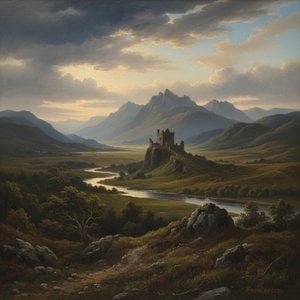
Alexander Nasmyth: Picturing Scotland's Romantic Landscape – Innovation & Identity
Explore the life & art of Alexander Nasmyth, a pivotal figure in Scottish Romantic landscape painting. Discover his iconic works, including portraits of Robert Burns, and learn about his lasting influence on national identity. Fine art reproductions available.

Beyond the Horizon: A Curated Guide to Integrating Post-Impressionist Landscapes into Modern Interiors
Transform your home with the emotive power of Post-Impressionist landscapes. Discover expert tips on selecting hand-painted oil reproductions to create a soulful, vibrant interior that reflects your unique style and connection to nature.

Evocations of Place: A Historical Journey Through Landscape Art
Explore the rich history of landscape art with ArtsDot. Discover renowned artists, movements like Impressionism & Romanticism, and expert guidance for collecting timeless pieces. Find your perfect serene escape today!

Impressionistic Landscapes: 10 Masterpieces That Changed Art & Decor
Journey into the heart of Impressionism! Explore 10 masterpieces by Monet, Renoir & Degas that revolutionized landscape art. Discover their stories, techniques & find museum-quality reproductions to elevate your home decor on ArtsDot.com.
ტოპ 10 შედევრი, რომელმაც განსაზღვრა "ანტვილის იმპრესიონისტული ლანდშაფტი"
აღმოფრთოვანდით იმპრესიონიზმის ლეგენდის 10 შედევრით! მონე, რენუარი და სხვა მოწინავეები. იხილეთ მათი ფერადი ლანდშაფტები და აღმოაჩინეთ ხელოვნების რეპროდუქციები ArtsDot-ზე. სახლის დეკორისთვის იდეალური!