


 ნახვა ინტერьерში
 გაგზავნა
 გაზიარება
 დეტალები
 გზამკვლევი

 ჩამოტვირთვა
 მსგავსები
 რენტგენოგრაფიული კვლევა
 სლაიდშოუ
 სტატისტიკა
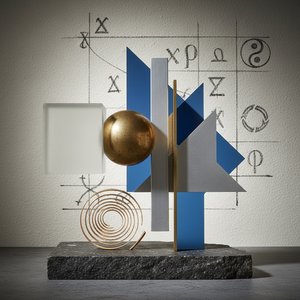
Three Square 2


 სრული ტექსტის ნახვა
ამ გვერდზე წარმოდგენილი ნამუშევარი დაცულია საავტორო უფლების შესახებ კანონმდებლობით, რაც იმას ნიშნავს, რომ ჩვენ არ გვაქვს მისი იდენტური რეპროდუქციის შექმნის ან გაყიდვის სამართლებრივი უფლება. აღნიშნული დაცვა უზრუნველყოფილია ისეთი საერთაშორისო შეთანხმებებით, როგორიცაა ბერნის კონვენცია და ეროვნული კანონმდებლობით, მათ შორის იმ კანონებით, რომლებიც დეტალურად არის გაწერილი აშშ-ის საავტორო უფლების შესახებ კანონი - თავი 17.
როგორც პატივისცემით სავსე და კანონიერი ალტერნატივა, ჩვენ გთავაზობთ ორიგინალით შთაგონებულ, ინდივიდუალურ, ხელით შესრულებულ ნამუშევრებს. ჩვენი ოსტატ და პროფესიონალი ხელოვანები საგულდაგულოდ სწავლობენ ორიგინალის სტილს, განწყობასა და მხატვრულ არსს, რათა შექმნან ახალი, უნიკალური ნამუშევარი, რომელიც იგივე ემოციას აღძრავს და, ამავდროულად, თავად წარმოადგენს დამოუკიდებელ, ორიგინალურ შემოქმედებას.
ეს მეთოდი სრულად შეესაბამება საავტორო უფლებების რეგულაციებს, რადგან ის არ გულისხმობს დაცული ნამუშევრის კოპირებას ან დუბლირებას. ამგვარად, ეს წარმოადგენს შემოქმედებით რეინტერპრეტაციას — ახალ ნახატს, რომელიც შთაგონებითაა განპირობებული ორიგინალით, თუმცა არ არის მის იდენტურ ასლს.
ხელით შესრულებული ზეთის საღებავით რეპროდუქცია
ტილოზე შესრულებული ფერწერიანი ზეთប្រდათი, თქვენთვის სასურველი ზომისა და ჩარჩოსთვის, ჩვენი ხელოვანების მიერ შეკვეთის საფუძველზე დამზადებული. ( გადართვა ბეჭდვის რეჟიმზე გადასვლა ციფრულ გამოსახულებაზე)




































აირჩიეთ ჩვენს მიერ წინასწარ განსაზღვრული ზომებიდან, რომლებიც ნაწარმოების ორიგინალურ პროპორციებს შეესაბამება.

შეიყვანეთ თქვენთვის საჭირო სიგანე და სიმაღლე, რათა ნახატი მოერგოს თქვენს ჩარჩოს ან კედელს. ვინაიდან ეს ნამუშევარი ხელით არის შესრულებული, სხვა ფორმის ზომის შემთხვევაში, მხატვარმა შესაძლოა სურათის გარშემო ოდნავ მეტი დატოვოს ან შეამციროს — არჩევანი თქვენზეა. დაწყებამდე, დასამტკიცებლად, ჩვენ გამოგიგზავნით ციფრულ მაკეტს. ამ გვერდზე ნაჩვენები სურათი არ ასახავს რეალურ შედეგს — რეალური სახე მხოლოდ მაკეტზე ჩანს.
შეკვეთის შემდეგ, ArtsDot.com გუნდი დაგიკავშირდებათ ელექტრონული ფოსტით ინსტრუქციებისთვის და გამოგიგზავნით წინასწარ ნახაზს (mockup).
მიწოდება მსოფლიო მასშტაბით -ში 3/4 კვირაში, სტანდარტული 5 კვირის ნაცვლად. (24 ოქტომბერი). ხარისხზე კომპრომისის გაკეთება არ მოხდება.

უფასო ექსპრეს მიწოდება მთელ მსოფლიოში

მაღალი ხარისხის ტილო

ტრანსპორტირების სრული დაზღვევა

საბაჟო გადასახადების დაბრუნების გარანტია

ფერების სრული შესაბამისობის გარანტია

დაბრუნების 100-დღიანი პერიოდი (მხოლოდ წარმოების დეფექტის შემთხვევაში)

100% თანხის სრული დაბრუნების გარანტია

ფასდაკლება დიდი რაოდენობით შეკვეთისას
 მინის ჩარჩოს არჩევანი ხელმისაწვდომია მხოლოდ 110 სმ-მდე ზომისთვის

Three Square 2
რეპროდუქციის ტექნიკა
რეპროდუქციის ზომა
-


ჯამური ღირებულება
₾ 686
კითხვები და პასუხები
Richard Smith-ის შემოქმედების რომელ პერიოდს მიეკუთვნება „Three Square 2“?
Richard Smith-ის შემოქმედების პერიოდში, „Three Square 2“ მიეკუთვნება 1970s Minimalism-ს. ეს ფაზა გვეხმარება მისი შედარება ხელოვანის სხვა ნამუშევრებთან.
არსებობს თუ არა მსგავსი ნამუშევრები, როგორც "Three Square 2"?
Richard Smith-ის „Three Square 2“-ის მსგავსი ნამუშევრები თავმოყრილია ამ ნამუშევრის მსგავსი ნამუშევრები გვერდზე.
რას გამოსახავს "Three Square 2"?
სურათის "Three Square 2" თემებს წარმოადგენს abstract art, geometric forms, layered textures, spatial ambiguity, gray & yellow, minimalist design, contemporary painting, controlled chaos.
მსგავსი ნამუშევრები


მხატვრის ბიოგრაფია
Richard Smith: Bridging Pop Art and Formal Abstraction
Richard Smith CBE (1931 – 2016) stands as a singular figure in British art history, recognized for his distinctive approach to painting and printmaking that simultaneously embraced the energy of Pop Art while maintaining an unwavering commitment to exploring fundamental questions about visual perception and artistic technique. Born in Letchworth, Hertfordshire, Smith’s early life was marked by service with the Royal Air Force during the Korean War, shaping his perspective on observation and spatial awareness – qualities that would become central to his oeuvre. He pursued formal studies at St Albans School of Art before embarking on postgraduate research at the Royal College of Art between 1954 and 1957, honing his skills in draughtsmanship and mastering the complexities of artistic expression. His teaching career began at Hammersmith College of Art (1957-1958), providing him with invaluable experience nurturing young talent and fostering a dialogue about contemporary art practices. A Harkness Fellowship in 1959 propelled him to America, where he spent formative years immersing himself in the artistic landscape of New York City and engaging with influential figures like Mark Rothko and Sam Francis – artists whose explorations of color field painting profoundly impacted Smith’s stylistic development. His debut solo exhibition at the Green Gallery in 1961 cemented his association with Pop Art, albeit one characterized by a deliberate rejection of its iconographic concerns. As he famously articulated, “my interest is not so much in the message as in the method,” prioritizing formal experimentation over narrative content. Smith’s early works drew inspiration from packaging and advertising, reflecting the pervasive influence of mass culture on artistic sensibilities during the period. However, his true ambition lay in interrogating the very nature of painting itself. Pieces like “Panatella” (1961) exemplify this preoccupation with materiality and scale—works that deliberately mimic the monumental dimensions of billboards or cinema screens, inviting viewers to confront the sensory experience of visual perception. These canvases utilize textured paint application and carefully calibrated color palettes to evoke a sense of spatial depth and immediacy, mirroring the techniques employed by American Color Field painters like Rothko and Francis. Throughout his career, Smith consistently pushed boundaries, demonstrating an unwavering dedication to formal innovation. His exploration of two-dimensional space culminated in “Vista” (1963), where he introduced a shaped extension to the rectangular canvas—a bold gesture that challenged conventional artistic conventions and underscored his belief in the transformative potential of sculptural elements within painting. This approach signaled a departure from the stylistic tendencies of his British Pop Art contemporaries, who prioritized visual symbols and imagery over purely aesthetic considerations. Smith’s retrospective at Tate Gallery London in 1975 served as a pivotal moment in establishing his legacy as one of Britain's most significant abstract painters. He continued to refine his artistic vision until his relocation to New York City in 1976, where he remained active until his death in 2016. Richard Smith’s enduring contribution to art lies not only in his distinctive visual style but also in his unwavering commitment to questioning the fundamental principles of artistic practice—a legacy that continues to inspire artists and scholars alike.
Richard Smith
1931 - 2016
მოკლე ფაქტები
- Full Name: Richard Smith CBE
- Nationality: English
- Date Of Birth: 1931
- Date Of Death: 2016
- Place Of Birth: Letchworth, Hertfordshire
- Notable Artworks:
- Panatella
- Vista
- Artistic Movement Or Style: Color field painting
- Artists Who Influenced This Artist:
- Mark Rothko
- Sam Francis
- Artists Or Movements Influenced By This Artist: ['Pop Art']
მსგავსი სტატიები
Beyond Form: Exploring the Philosophical Foundations of Geometric Abstraction
Explore the philosophical roots & artistic evolution of geometric abstraction with ArtsDot. Discover Mondrian, Malevich, De Stijl & more. Expert insights for collectors and art enthusiasts.

გეომეტრიული აბსტრაქცია: 10 შედევრი, რომელმაც ხელოვნება განსაზღვრა | ArtsDot.com
გეომეტრიული აბსტრაქციის 10 შედევრი მონდრიანის, მალევიჩისა და კანდინსკის ჩართულობით. გაიგეთ მათი ისტორია, ტექნიკა და გავლენა ხელოვნებაზე. შეიძინეთ უმაღლესი ხარისხის რეკონსტრუქციები ArtsDot.com-ზე!

Beyond Form & Color: Geometric Abstraction's Enduring Legacy in Art History
Explore the captivating world of geometric abstraction! Discover its origins, key artists like Malevich & Mondrian, and why this movement remains highly valued by art collectors today. Expert insights at ArtsDot.

Beyond Form & Color: Geometric Abstraction's Evolution in 20th/21st Century Art
Explore the evolution of geometric abstraction from Cubism to contemporary art. Discover key artists like Malevich & Mondrian, investment insights, and expert collecting advice at ArtsDot.

Kandinsky's Masterpieces: 25 Paintings That Define Abstract Art | ArtsDot
Journey through Wassily Kandinsky's 25 most iconic abstract paintings. Explore his revolutionary use of color, form & spiritual expressionism. Find museum-quality Kandinsky reproductions and elevate your home decor with ArtsDot.com. Discover all masterpieces on ArtsDot.com!