

 წინასწარი ნახვა

 გაგზავნა
 გაზიარება
 დეტალები
 გზამკვლევი


 ჩამოტვირთვა
 მსგავსები
 რენტგენოგრაფიული კვლევა
 სლაიდშოუ
 კითხვა-პასუხი
 სტატისტიკა
Cicero

- 54.0 x 65.0 cm


 გააგრძელეთ კითხვა
ამ გვერდზე წარმოდგენილი ნამუშევარი დაცულია საავტორო უფლების შესახებ კანონმდებლობით, რაც იმას ნიშნავს, რომ ჩვენ არ გვაქვს მისი იდენტური რეპროდუქციის შექმნის ან გაყიდვის სამართლებრივი უფლება. აღნიშნული დაცვა უზრუნველყოფილია ისეთი საერთაშორისო შეთანხმებებით, როგორიცაა ბერნის კონვენცია და ეროვნული კანონმდებლობით, მათ შორის იმ კანონებით, რომლებიც დეტალურად არის გაწერილი აშშ-ის საავტორო უფლების შესახებ კანონი - თავი 17.
ეს მეთოდი სრულად შეესაბამება საავტორო უფლებების რეგულაციებს, რადგან ის არ გულისხმობს დაცული ნამუშევრის კოპირებას ან დუბლირებას. ამგვარად, ეს წარმოადგენს შემოქმედებით რეინტერპრეტაციას — ახალ ნახატს, რომელიც შთაგონებითაა განპირობებული ორიგინალით, თუმცა არ არის მის იდენტურ ასლს.
გიკლე / ხელოვნების პრინტი
მუზეუმის დონის ჟიკლე ან ტილოზე ბეჭდვა სწრაფი წარმოებისა და დასრულების მოქნილი ვარიანტებით. ( შეიძინეთ ხელით შესრულებული ნახატი გადართვა ციფრულ გამოსახულებაზე)




P118B ₾10

P118H ₾10

P118W ₾10

P438Z ₾10

P508JH ₾12

P508YH ₾12

P805H ₾10

P805Z ₾10

P919BZ ₾10

P919G ₾10

P919XJ ₾10

P959ZH ₾10

P968JZ ₾12

W106C ₾8

W218G ₾10

W218JH ₾8

W218Y ₾10

W307PJ ₾10

W316G ₾10

W316PJ ₾8

W316Y ₾10

W398PJ ₾8

W4111J ₾10

W500HY ₾15

W500JH ₾15

W692G ₾12

W849H ₾8

W940BG ₾15

W953PJ ₾8




აირჩიეთ ჩვენს მიერ წინასწარ განსაზღვრული ზომებიდან, რომლებიც ნაწარმოების ორიგინალურ პროპორციებს შეესაბამება.

შეიყვანეთ თქვენთვის საჭირო სიგანე და სიმაღლე, რათა გამოსახულებამ თქვენს ჩარჩოს ან კედელს ზუსტად მოერგოს. ბეჭდვისას შესაძლებელია მხოლოდ მისი შემცირება და არა გაზრდა, ამიტომ სხვა ფორმის ზომის შემთხვევაში სურათი ნაწილობრივ იკარგება. სანამ რაიმეს დაბეჭდავთ, ჩვენ გამოგიგზავნით ციფრულ მაკეტს დასდასტურებლად. ამ გვერდზე ნაჩვენები სურათი არ ასახავს რეალურ ჭრას — ამას მხოლოდ მაკეტი გვიჩვენებს.
მიწოდება მთელ მსოფლიოში () 2 კვირაში, სტანდარტული 4/5 კვირის ნაცვლად. (16 ნოემბერი)

უფასო ექსპრეს მიწოდება მთელ მსოფლიოში

მაღალი ხარისხის ტილოს ქსოვილი

ტრანსპორტირების სრული დაზღვევა

საბაჟო გადასახადების დაბრუნების გარანტია

ფერების სრული შესაბამისობის გარანტია

დაბრუნების 100-დღიანი პოლიტიკა (მხოლოდ დეფექტის შემთხვევაში)

100% თანხის სრული დაბრუნების გარანტია

ფასდაკლება დიდი რაოდენობით შეკვეთისას
 მინის ჩარჩოს არჩევანი შესაძლებელია მხოლოდ 110 სმ-მდე ზომისთვის

Cicero
გიკლე / ხელოვნების პრინტი
რეპროდუქციის ზომა
-


საბოლოო ღირებულება
₾ 164
A Paradoxical Portrait of Reality: René Magritte’s “Cicero”
- René Magritte's "Cicero," completed in 1947, stands as a cornerstone of Surrealist art—a deceptively simple image brimming with intellectual complexity and challenging viewers to question the very nature of perception. More than just a depiction of a robot holding a sign proclaiming “This is not a pipe,” it’s an elaborate meditation on illusion, representation, and the elusive boundaries between dream and waking consciousness.
- The painting's stylistic hallmarks are unmistakably Surrealist. Magritte eschewed traditional realism, opting instead for a meticulously crafted juxtaposition of incongruous elements—a humanoid robot positioned against a backdrop of urban architecture. This deliberate disruption of visual convention aligns perfectly with the Surrealists’ aim to liberate the subconscious mind from rational constraints and explore the irrational depths of human experience.
Technique and Material Considerations
Magritte executed “Cicero” primarily in oil on canvas, employing a technique characterized by smooth blending and subtle gradations of color. The artist’s meticulous attention to detail is evident in the rendering of the robot's metallic surface and the textured brickwork of the building—elements rendered with painstaking precision. This careful craftsmanship underscores Magritte’s commitment to achieving an illusionistic effect, mirroring the visual strategies employed by Renaissance painters to create convincing representations of three-dimensional space.- The deliberate use of muted tones—primarily browns and grays—contributes significantly to the painting's atmosphere of quiet contemplation. Magritte’s palette avoids flamboyant colors, favoring instead hues that evoke a sense of melancholy and reinforce the overarching theme of deception. This restrained color scheme enhances the impact of the central visual paradox: the robot’s assertion that it is *not* a pipe.
- Furthermore, Magritte skillfully utilizes perspective to heighten the painting's unsettling effect. The building’s windows offer glimpses into interior spaces—suggesting hidden realities beyond what is immediately visible—further amplifying the artwork’s exploration of illusion and questioning our assumptions about what we perceive as “real.”
Historical Context: Surrealism and Philosophical Inquiry
“Cicero” emerged during the height of Surrealist fervor, a movement born from the ashes of Dada nihilism. Influenced by Sigmund Freud’s psychoanalytic theories—particularly his concept of the unconscious—Surrealists sought to tap into the realm of dreams and irrational impulses as sources of artistic inspiration. Magritte's work embodies this intellectual lineage, engaging in a dialogue with philosophical questions about epistemology and the reliability of sensory experience.- The painting’s title itself is laden with symbolic significance. Cicero, referring to Marcus Tullius Cicero—a Roman statesman known for his eloquent defense of republican ideals—represents reason and intellectual clarity. However, Magritte deliberately places this symbol within a context of deception—the robot's sign undermining Cicero’s authority and suggesting that even the most rational mind can be susceptible to illusion.
- Ultimately, “Cicero” compels viewers to confront the unsettling realization that appearances can deceive us and that our understanding of reality is shaped by forces beyond our conscious awareness. It remains a powerful testament to Magritte's ability to distill profound philosophical ideas into deceptively simple visual forms—a masterpiece of Surrealist art that continues to resonate with audiences today.
კითხვები და პასუხები
1947 წელს შექმნილი „Cicero“ რენე მაგრიტი-ის შემოქმედების რომელი პერიოდის ნაწილია?
რადგან ნამუშევრის თარიღია 1947, „Cicero“ რენე მაგრიტი-ის Mature Surrealism-ს მიეკუთვნება.
რა გამოყენება და სივრცეა რეკომენდებული რენე მაგრიტი-ის „Cicero“-ისთვის?
რენე მაგრიტი-ის „Cicero“ რეკომენდებულია Accent-ისთვის და იდეალური იქნება Living Room-ში დასამონტაჟებლად. გამოყენების დანიშნულება და სივრცე ერთობლივად განსაზღვრავს, თუ სად მოუხდება რეკრედუქცია საუკეთესოდ განთავსებას.
რენე მაგრიტი-ის „Cicero“-ის ფერები მკვეთრია თუ მკრთალი?
ნამუშევრის "Cicero" ფერების სირთულე შეადგენს Clear Color Presence-ს, ხოლო ინტენსივობა — Vivid-ს.
დაკავშირებული ნამუშევრები


დაკავშირებული სტატიები

Beyond the Pipe: Unlocking the Surrealist Mystery of René Magritte
Explore the enigmatic world of René Magritte. From decoding 'The Treachery of Images' to understanding his surrealist mastery, discover how this Belgian icon challenges reality through profound, hand-painted art and timeless mystery.
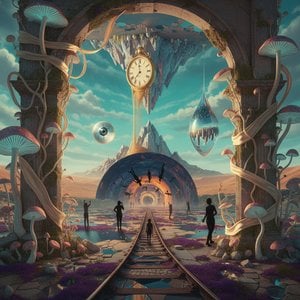
Dreamscapes & Disrupted Realities: Exploring Surrealism's Enduring Influence
Explore the fascinating world of Surrealism! Discover its origins, key artists like Dalí & Magritte, and enduring influence on art & culture. Expert insights & high-quality reproductions at ArtsDot.

Unveiling the Mystery: The Top 25 Surrealist Masterpieces by René Magritte
Explore 25 iconic René Magritte masterpieces and the secrets of Surrealism. Discover the full collection online at ArtsDot.com.

The Mystery of Magritte: Who Painted This Is Not a Pipe?
Discover the meaning behind René Magritte's famous surrealist work and learn why this realistic pipe is actually a clever visual paradox

Beyond Reality's Veil: Exploring the Enigmatic World of Metaphysical Art
Explore the captivating world of Metaphysical art with ArtsDot. Discover Giorgio de Chirico's iconic paintings, philosophical influences & lasting impact on Surrealism. Expert insights for collectors.


