


 წინასწარი ნახვა
 გაგზავნა
 გაზიარება
 დეტალები

 ჩამოტვირთვა
 მსგავსები
 რენტგენოგრაფიული კვლევა
 სლაიდშოუ
Vatican Rooms - The Parnassus


 გადასართად დაწვრილებით ნახეთ
გიკლე / ხელოვნების პრინტი
მუზეუმის დონის ჟიკლე ან ტილოზე ბეჭდვა სწრაფი წარმოებისა და დასრულების მოქნილი ვარიანტებით. ( შეიძინეთ ხელით შესრულებული ნახატი შეიძინეთ გამოსახულება)




P118B $10

P118H $10

P118W $10

P438Z $10

P508JH $12

P508YH $12

P805H $10

P805Z $10

P919BZ $10

P919G $10

P919XJ $10

P959ZH $10

P968JZ $12

W106C $8

W218G $10

W218JH $8

W218Y $10

W307PJ $10

W316G $10

W316PJ $8

W316Y $10

W398PJ $8

W4111J $10

W500HY $15

W500JH $15

W692G $12

W849H $8

W940BG $15

W953PJ $8




აირჩიეთ ჩვენს მიერ წინასწარ განსაზღვრული ზომებიდან, რომლებიც ნაწარმოების ორიგინალურ პროპორციებს შეესაბამება.

თქვენ შეგიძლიათ მიუთითოთ საკუთარი ზომები კონკრეტული ჩარჩოსთვის ან სივრცისთვის მოსარგებლებლად. თუ თქვენ მიერ არჩეული ზომა არ შეესაბამება ორიგინალი გამოსახულების პროპორციებს, ჩვენ ან დავჭრით ნამუშევარს, ან გავაფართოვებთ გამოსახულებას სარკული ან ერთფეროვანი კიდეებით. წარმოების დაწყებამდე თქვენს დასამტკიცებლად გამოგეგზავნებათ ციფრული მაკეტი.
გთხოვთ, გაითვალისწინოთ, რომ ეკრანზე ნაჩვენები წინასწარი ნახვა არ ასახავს რეალურ ჭრას ან გაფართოებას. მხოლოდ მაკეტზე იქნება ზუსტად წარმოდგენილი საბოლოო კომპოზიცია.
მიუხედავად იმისა, რომ ინდივიდუალური ზომები ხელმისაწვდომია, ორიგინალური პროპორციების შესანარჩუნებლად გირჩევთ, აირჩიოთ ზომა წინასწარ განსაზღვრული სიისგან.
მიწოდება მთელ მსოფლიოში () 2 კვირაში, სტანდარტული 4/5 კვირის ნაცვლად. (22 აგვისტო)

უფასო ექსპრეს მიწოდება მთელ მსოფლიოში

საბამად მაღალი ხარისხის ტილო

სრული ტრანსპორტირების დაზღვევა

საბაჟო გადასახადების დაბრუნების გარანტია

ფერების სრული შესაბამისობის გარანტია

60-დღიანი დაბრუნების პოლიტიკა (მხოლოდ დეფექტის შემთხვევაში)

100% თანხის დაბრუნების გარანტია

ფასდაკლება დიდი რაოდენობით შეკვეთისას
 მინის ჩარჩოს არჩევანი ხელმისაწვდომია მხოლოდ 110 სმ-ზე ნაკლები ზომისთვის

Vatican Rooms - The Parnassus
გიკლე / ხელოვნების პრინტი
რეკლამაციის ზომა
-


საბოლოო ფასი
$ 62
საკლექციო აღწერა
The Parnassus: A Renaissance Tapestry of Wisdom and Beauty
Raphael’s “Parnassus,” housed within the breathtaking Stanze di Raffaello in the Vatican, isn't merely a fresco; it’s an immersive experience, a vibrant testament to the High Renaissance’s fascination with classical ideals and its belief in the harmonious union of art, poetry, and philosophy. Painted between 1511 and 1512, this monumental work captures a pivotal moment – a gathering of legendary figures on Mount Parnassus, the mythical home of Apollo and the Muses, symbolizing the enduring power of ancient knowledge and creative inspiration. The scene unfolds within a richly detailed architectural setting, a carefully constructed illusion that draws the viewer into a world brimming with intellectual and artistic significance.
At the heart of the composition stands Apollo, rendered in exquisite detail, playing his lira da braccio – an instrument far more refined than its classical counterpart. His pose is both serene and commanding, radiating authority and embodying the god’s role as patron of music and poetry. Surrounding him are nine Muses, each a distinct embodiment of the arts and sciences: Calliope (epic poetry), Thalia (comedy), Melpomene (tragedy), Clio (history), Erato (lyric poetry), Terpsichore (dance), Urania (astronomy), Euterpe (music), and Polyhymnia (sacred song). These goddesses, depicted with graceful elegance and individual personalities, represent the diverse facets of human creativity. Beyond them gather nine poets from antiquity – Homer, Sappho, Bacchus, Orpheus, Linus,Æacus, Hesiod, Democritus, and Iophon – alongside nine contemporary poets, a deliberate juxtaposition highlighting the continuity between classical wisdom and modern artistic expression.
The genius of Raphael’s composition lies not only in its subject matter but also in his masterful use of perspective and spatial illusion. The architectural setting, with its grand archway leading to an unseen space, creates a sense of depth and invites the viewer to step into the scene. Notably, Raphael cleverly integrated elements from classical sculpture, most prominently the figure of Homer, who is posed in a manner strikingly reminiscent of Laocoön and His Sons – a sculpture that had recently captivated the artistic world. This subtle reference adds layers of meaning to the painting, suggesting a dialogue between antiquity and modernity, tradition and innovation. The use of color is equally sophisticated, with a careful balance of warm earth tones contrasted by vibrant blues and reds, creating a visually dynamic and engaging composition.
Key Figures and Their Symbolic Weight
Each figure within “The Parnassus” carries significant symbolic weight, contributing to the painting’s rich tapestry of meaning. Apollo himself represents divine inspiration and artistic patronage, while the Muses embody the various disciplines that fuel human creativity. Homer, blind and draped in dark blue, symbolizes the power of oral tradition and the enduring legacy of classical literature. Sappho, the only female poet depicted, stands as a testament to the importance of female voices within the literary canon – a deliberate inclusion reflecting Raphael’s humanist sensibilities. The presence of contemporary poets underscores the notion that artistic inspiration transcends time, continuing to flourish in each generation.
The painting is not simply a celebration of poetry and music; it's an affirmation of the pursuit of knowledge and wisdom. The figures are arranged in a carefully orchestrated manner, suggesting a harmonious balance between different fields of study – philosophy, religion, poetry, and law. This reflects the Renaissance humanist ideal of a well-rounded education, encompassing both intellectual and artistic pursuits. The inclusion of figures like Democritus, the Greek philosopher known for his atomic theory, further emphasizes this commitment to rational inquiry.
Historical Context: A Renaissance Masterpiece
"The Parnassus" was created during a period of profound cultural transformation in Europe – the High Renaissance. Following the artistic and intellectual ferment of the Early Renaissance, Rome emerged as the center of artistic innovation, attracting artists from across Italy and beyond. Pope Julius II commissioned Raphael to decorate the Stanze di Raffaello as part of his ambitious plan to transform the Apostolic Palace into a magnificent palace worthy of the papacy. The Stanze became a focal point for artistic patronage and intellectual exchange, bringing together some of the most brilliant minds of the era.
Alongside Michelangelo’s Sistine Chapel ceiling, “The Parnassus” represents the pinnacle of artistic achievement during this period. Both works embody the Renaissance ideals of humanism, classical revival, and technical mastery. Raphael's ability to seamlessly blend classical mythology with contemporary figures demonstrates his exceptional skill as a painter and his deep understanding of both ancient and modern culture. The fresco’s creation coincided with a renewed interest in Greek philosophy and literature, fueled by the rediscovery of classical texts and the rise of humanistic scholarship.
Reproductions Available at ArtsDot.com
ArtsDot.com is proud to offer meticulously crafted, hand-painted oil painting reproductions of Raphael’s “Parnassus.” Our skilled artists painstakingly recreate every detail – from the intricate folds of the figures' drapery to the subtle nuances of color and light – ensuring that your reproduction captures the essence of this iconic masterpiece. These reproductions are not merely copies; they are works of art in their own right, imbued with the spirit and beauty of Raphael’s original fresco. Explore our selection today at /art/list/?Filter=5ZKEAA-Raphael-(Raffaello-Sanzio-Da-Urbino)-Vatican-Rooms-The-Parnassus and bring a touch of Renaissance brilliance to your home or office.
Further Exploration
For deeper insights into Raphael’s life, works, and the context of “The Parnassus,” we recommend exploring these resources:
- Raphael Rooms (Wikipedia)
- The School of Athens (Wikipedia)
- Parnassus - Vatican Museums
დაკავშირებული ნამუშევრები


![Stanze Vaticane - The Parnassus (detail) [01] — რაფაელო, High Renaissance](/media/artworks/images-thumb/19/9c/199c3361d708051eaf789db9623a6d4e.jpg)

![Stanze Vaticane - The Parnassus (detail) [04] — რაფაელო, High Renaissance](/media/artworks/images-thumb/a0/00/a000f9f03076a9992b960a7db3b9bf34.jpg)
![Stanze Vaticane - The Parnassus (detail) [06] — რაფაელო, High Renaissance](/media/artworks/images-thumb/e9/99/e9992fe650c785019968cd0ee12e32ec.jpg)


მხატვრის ბიოგრაფია
ურბინოს აღმავლობა: რაფაელის ადრეული წლები და ფორმირება
რაფაელო სანცო დარბინო, რომელიც სამყაროსთვის ცნობილია როგორც რაფაელი, წარმოიქცა განსაკუთრებული კულტურული ნაყოფიერების მფლობე ქალაქიდან. 1483 წელს დაბადებული ურბინოში, ცენტრალურ იტალიაში მდებარე პატარა, მაგრამ ინტელექტუალურად მომხიალო ქალაქ-ოლქში, მისი ადრეული წლები აღმსვლელოდა იმის გარემოს, რომელიც აფასებდა როგორც მხატვრულ כשროებას, ისე ჰუმანისტურ სწავლებებს. მისი მამა, ჯოვანი სანტი, არ იყო მხოლოდ მხატვარი, რომელიც დოქიუ ფედერიკო დარბინოს სამსახურში მყოფი იყო – იგი იყო ადამიანი, რომელიც ღრმად იყო ჩართული რენესანსის აზროვნების ძლიერ ნაკადებში, პოეტი, რომელმაც აღწერა დოქიუ-ს ცხოვრება და აქტიურად ეძებდა ინოვატორულ მხატვრულ იდეებს მთელი იტალიიდან და მის ფარგლებს გარეთ. ამ სასაულიო გარემოში გამჭოლი ჩახედვა, რომელიც აფასებდა სიმშვიდესა და ინტელექტუალურ დისკუსიას, βαθιά സ്വാვladı ახალგაზრდა რაფაელის გრძნობებს. მამის დაკარგვა თერთმეტ წლის ასაკში თავზე მოახდინა 책임ობა, მაგრამ ასევე მისცა შესაძლებლობა საკუთარი უნარების გაუმჯობესებისა ოჯახის სახელოსნოში, ტექნიკის და ტრადიციების შერითხვა ადგილობრივი მხატვრების ხელმძღვანელობით. უკვე ამ ადრეულ ნაშრომებშიც კი გამოჩნდა მშვიდი გონიერი და დეტალებზე ზუსტი ყურადღება – მისი მომწიფებული სტილის მახასიათებლები.
უმბრიიდან ფლორენციამდე: ახალი المؤثراتის შერთქმა
რაფაელის მხატვრული მოგზაურობა იყო నిరంతరად განვითარების პროცესი, რომელიც χαρακτηρίζებოდა ინტენსიური სწავლის და შეთვისების პერიოდებით. პიეტრო პერუჯინოსთან პირველადი శిక్షణ უმბრიულ სტილში საფუძველი ჩაუყარა – რომელსაც ახასიათებს мягкое моделирование, ჰარმონიული კომპოზიციები და მშვიდი რელიგიური σκηνές. თუმცა, რაფაელს обладал ненасытной любознательностью, რომელიც τον οδηγούσε νέες προκλήσεις και επέκταση των καλλιτεχνικών του οριζόντων. 1504 წელს იგი მოგზავრდა ფლორენციაში, ქალაქში, რომელიც მაშინ కళის ინოვაციის ენერგიით пульсировал. აქ მან увидел шедевры Леонардо да Винчи и Микеланджело – მხატვრები, რომლებმაც беспрецедентным образом გადაინაცვლეს ζωγραφικής సరిహద్దులు. იგი тщательно изучал их техники – леонардовой sfumato-ს, світлотіней тонких градаций და მიкеლანჯელოს мощную анатомическую точность и драматические композиции. ფლორენციული პერიოდი იყო რაფაელის для испытания, რომელიც τον вынуждал столкнуться с новыми художественными возможностями и синтезировать их в свое уникальное видение. المؤثرات قابل مشاهده در افزایش динамики و психологической глубины его работ в этот период, особенно в его серии Мадонн.
რომის ტriumფ: Комиссии და шедевры
1508 წელს რაფაელს მიიღო მოწოდება, რომელიც შეცვლიდა მისი карьерის კურსს – приглашение от Папы Юлия II прибыть в Рим. ეს ознаменовало начало его самого продуктивного и прославленного периода. Вечный город предоставил ему беспрецедентную возможность продемонстрировать свои таланты в широком масштабе, украсив папские апартаменты в Ватикане захватывающими фресками. „ათენის აკადემია“, შესაძლოა მისი ყველაზე ცნობილი ნაშრომი, является свидетельством его мастерства композиции, перспективы и философской аллегории. მის величественном пространстве რაფაელმა ਇਕੱਠა చేస ფილოსოფიური античностиდან фигуры – πλατόν, არისტოტელე, პითაგორასი, ევკლიდი – создавая яркий стол, который праздновал человеческий разум и стремление к знанию. იგი продолжил работать с последующими папами, среди которых был Лев X, беря на себя монументальные проекты, такие как украшение Stanze della Segnatura и Stanza d'Eliodoro. Его фрески в этих комнатах – это не просто декоративные элементы; это глубокие заявления о папской власти, религиозных убеждениях и идеалах Ренессанса.
Благодать и величие: художественный стиль Рафаэля
Художественный стиль Рафаэля часто описывается как гармоничное сочетание грации, ясности и идеализированной красоты. Он обладал необыкновенной способностью синтезировать различные влияния – умбрийскую традицию, флорентийские инновации, античную классику – в уникальную сбалансированную эстетику. Его композиции тщательно спланированы, демонстрируя чувство порядка и пропорций, отражающее его глубокое понимание принципов Ренессанса. Его фигуры излучают спокойное достоинство и эмоциональное выражение, воплощая гуманистический идеал человеческого совершенства. Он также был мастером колориста, используя богатые, светящиеся тона для создания работ, которые одновременно визуально захватывают дух и интеллектуально стимулируют. В отличие от часто драматичного и бурного стиля Микеланджело, работа Рафаэля излучает чувство спокойствия и гармонии – качество, которое веками восхищало зрителей.
Наследие и непреходящее влияние
Преждевременная смерть Рафаэля в 1520 году в возрасте тридцати семи лет прервала карьеру, полную потенциала. Однако его наследие продолжает жить как одна из самых значительных фигур в истории западного искусства. Его работа стала краеугольным камнем эстетики Высокого Возрождения, служа моделью для поколений художников. Хотя влияние Микеланджело позже доминировало в художественном дискурсе, акцент Рафаэля на ясности, гармонии и идеализированной красоте пережил возрождение в неоклассический период, поддерживаемый такими критиками, как Иоганн Иоахим Винкельман. Сегодня его картины продолжают вдохновлять трепет и восхищение, очаровывая зрителей своей технической гениальностью, эмоциональной глубиной и непреходящей привлекательностью. Его влияние можно увидеть во многих работах искусства, последовавших за ним, что укрепляет его место как истинного мастера Ренессанса – художника, который не только запечатлел физический облик своих субъектов, но и саму сущность человеческой грации и достоинства.

რაფაელო
1483 - 1520 , იტალია
მოკლე ინფორმაცია
- დაბადების ადგილი: ურბინო, იტალია
- დაბადების თარიღი: 1483
- ეროვნება: იტალიელი
- კünstlerische Bewegung Oder Stil: მაღალი რენესანსი
- კünstlerische Bewegung Oder Stil Beeinflusst Durch Diesen Künstler: ['ნეოკლასიციზმის მხატვრობა']
- მަރުვის თარიღი: 1520
- სრული სახელი: ราฟาელ
- შემჩნეული ნაწარმოებები:
- ათენის სკოლა
- სისტინა მადონა
- გადაცემა
- ხელმომჭრელი ხელოვანები:
- ლეონარდო და ვინჩი
- მიქელანჯელო
დაკავშირებული სტატიები

რაฟาელის 25 შედევრი: ხელოვნების ისტორია თქვენს სახლში | ArtsDot.com
აღმოაჩინეთ რაฟาელის 25 უნიკალური შედევრი! რენესანსული ფერწერა, პორტრეტები და იტალიური ხელოვნების ისტორია. შეიძინეთ მუზეუმის ხარისხის ტილოები ArtsDot.com-ზე და შექმნით განსაცვიფრებელი ინტერიერი.
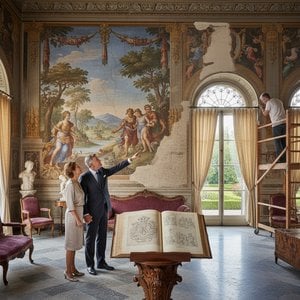
The Fresco as Family Legacy: Preserving Heritage Through Wall Art
Explore the rich history & enduring legacy of fresco painting. Discover how to preserve family heritage through stunning wall art. Expert insights & restoration guidance.

The Enduring Legacy of Fresco Painting: Techniques, History & Contemporary Relevance
Explore the rich history & enduring artistry of fresco painting – from Giotto to Michelangelo! Discover techniques, conservation efforts, & modern applications. Learn how ArtsDot brings this timeless art form to your home.

The Enduring Legacy of Fresco: Technique, History & Artistic Expression Across Cultures
Explore the rich history & enduring legacy of fresco painting! Discover ancient techniques, Giotto's masterpieces, and modern applications. Expert insights for art lovers & professionals.

ინტერიერის ფრესკების ემოციური ძალა: ისტორიული პერსპექტივა და თანამედროვე გამოხატულებები
გაიგეთ ფრესკის ისტორიული ძალა და თანამედროვე გამოხატულებები. ექსპერტების კონსულტაცია, რესტავრაციის სერვისები და ინვესტირების პერსპექტივები ხელოვნების კოლექციონერებისთვის.



