


 ნახვა ინტერьерში
 გაგზავნა
 გაზიარება
 დეტალები
 გზამკვლევი

 ჩამოტვირთვა
 მსგავსები
 რენტგენოგრაფიული კვლევა
 სლაიდშოუ
 სტატისტიკა
Proverbs


 სრული ტექსტის ნახვა
ხელით შესრულებული ზეთის საღებავით რეპროდუქცია
ტილოზე შესრულებული ფერწერიანი ზეთប្រდათი, თქვენთვის სასურველი ზომისა და ჩარჩოსთვის, ჩვენი ხელოვანების მიერ შეკვეთის საფუძველზე დამზადებული. ( გადართვა ბეჭდვის რეჟიმზე გადასვლა ციფრულ გამოსახულებაზე)




P118B ₾10

P118H ₾10

P118W ₾10

P438Z ₾10

P508JH ₾12

P508YH ₾12

P805H ₾10

P805Z ₾10

P919BZ ₾10

P919G ₾10

P919XJ ₾10

P959ZH ₾10

P968JZ ₾12

W106C ₾8

W218G ₾10

W218JH ₾8

W218Y ₾10

W307PJ ₾10

W316G ₾10

W316PJ ₾8

W316Y ₾10

W398PJ ₾8

W4111J ₾10

W500HY ₾15

W500JH ₾15

W692G ₾12

W849H ₾8

W940BG ₾15

W953PJ ₾8




აირჩიეთ ჩვენს მიერ წინასწარ განსაზღვრული ზომებიდან, რომლებიც ნაწარმოების ორიგინალურ პროპორციებს შეესაბამება.

შეიყვანეთ თქვენთვის საჭირო სიგანე და სიმაღლე, რათა ნახატი მოერგოს თქვენს ჩარჩოს ან კედელს. ვინაიდან ეს ნამუშევარი ხელით არის შესრულებული, სხვა ფორმის ზომის შემთხვევაში, მხატვარმა შესაძლოა სურათის გარშემო ოდნავ მეტი დატოვოს ან შეამციროს — არჩევანი თქვენზეა. დაწყებამდე, დასამტკიცებლად, ჩვენ გამოგიგზავნით ციფრულ მაკეტს. ამ გვერდზე ნაჩვენები სურათი არ ასახავს რეალურ შედეგს — რეალური სახე მხოლოდ მაკეტზე ჩანს.
შეკვეთის შემდეგ, ArtsDot.com გუნდი დაგიკავშირდებათ ელექტრონული ფოსტით ინსტრუქციებისთვის და გამოგიგზავნით წინასწარ ნახაზს (mockup).
მიწოდება მსოფლიო მასშტაბით -ში 3/4 კვირაში, სტანდარტული 5 კვირის ნაცვლად. (21 ოქტომბერი). ხარისხზე კომპრომისის გაკეთება არ მოხდება.

უფასო ექსპრეს მიწოდება მთელ მსოფლიოში

მაღალი ხარისხის ტილო

ტრანსპორტირების სრული დაზღვევა

საბაჟო გადასახადების დაბრუნების გარანტია

ფერების სრული შესაბამისობის გარანტია

დაბრუნების 100-დღიანი პერიოდი (მხოლოდ წარმოების დეფექტის შემთხვევაში)

100% თანხის სრული დაბრუნების გარანტია

ფასდაკლება დიდი რაოდენობით შეკვეთისას
 მინის ჩარჩოს არჩევანი ხელმისაწვდომია მხოლოდ 110 სმ-მდე ზომისთვის

Proverbs
რეპროდუქციის ტექნიკა
რეპროდუქციის ზომა
-


ჯამური ღირებულება
₾ 686
A Village Chronicle: Pieter Bruegel's "The Peasant Wedding"
Pieter Bruegel the Elder’s “The Peasant Wedding,” painted around 1567-1568, is a monumental canvas offering an unparalleled glimpse into 16th-century rural life in the Netherlands. More than just a depiction of a festive occasion, it's a complex social commentary and a masterful display of Bruegel’s observational skills and narrative prowess.
Subject Matter & Composition
The painting portrays a boisterous wedding feast taking place within a rustic farmhouse. The scene is teeming with activity: guests are seated at long tables laden with food, musicians play lively tunes, and various individuals engage in conversations or amusements. Bruegel’s composition is remarkably intricate, filled with numerous figures and details that create a sense of bustling realism. The central focus is on the newly married couple, seated prominently at the head table, though their expressions are somewhat enigmatic. The overall impression is one of joyous celebration tempered by an underlying sense of social complexity.
Style & Technique
Bruegel’s style in “The Peasant Wedding” exemplifies his unique blend of Renaissance realism and Northern European detail. He employs a meticulous technique, rendering each figure and object with remarkable precision. His use of color is earthy and muted, reflecting the rustic setting and the clothing of the peasants. The painting's scale (approximately 117 cm x 162 cm) contributes to its immersive quality, drawing the viewer into the heart of the scene. Bruegel’s mastery lies in his ability to capture not just the physical appearance of his subjects but also their individual personalities and social roles.
Symbolism & Historical Context
Beyond its surface-level depiction of a wedding feast, “The Peasant Wedding” is rich in symbolism. Bruegel subtly critiques aspects of peasant society, highlighting both its joys and its flaws. The abundance of food suggests prosperity, but also potential gluttony. Certain figures appear to be engaged in questionable activities, hinting at moral ambiguities within the community. Historically, the painting reflects a period of social change in the Netherlands, as rural populations gained increasing economic importance. Bruegel’s work provides valuable insights into the lives and customs of ordinary people during this transformative era.
Emotional Impact & Legacy
“The Peasant Wedding” evokes a complex range of emotions in the viewer. It's simultaneously joyous, humorous, and thought-provoking. The painting’s enduring appeal lies in its ability to connect with audiences across centuries, offering a timeless portrait of human nature. Bruegel’s masterpiece remains one of the most celebrated works of Northern Renaissance art, influencing generations of artists and continuing to inspire awe and admiration.
კითხვები და პასუხები
როგორ არის ისტორიულად განსაზღვრული "Proverbs"?
პიเตอร์ ბრეგელი დიდი ძველი-ის „Proverbs“ მიეკუთვნება Renaissance სტილის მიმდევრობას, რენესანსი პერიოდში. ეს ორი ელემენტი ერთობლივად გან menentukan ნამუშევრის ადგილს ხელოვნების ისტორიაში.
ვინ შექმნა "Proverbs"?
"Proverbs" შექმნილია პიเตอร์ ბრეგელი დიდი ძველი-ის მიერ. ამ გვერდზე მოცემული ინფორმაცია აღწერს პიเตอร์ ბრეგელი დიდი ძველი-ის ორიგინალურ ნამუშევარს.
ვისთვის არის პიเตอร์ ბრეგელი დიდი ძველი-ის „Proverbs“ კარგი საჩუქარი?
პიเตอร์ ბრეგელი დიდი ძველი-ის „Proverbs“ რეკომენდებულია, როგორც საჩუქარი დასახელებული იუბილე-ისთვის, განსაკუთრებით დიალოგი-ისთვის. ამ ნამუშევრის რეპროდუქცია შეგიძლიათ წარადგინოთ, როგორც საჩუქარი.
მსგავსი ნამუშევრები


მხატვრის ბიოგრაფია
Pieter Bruegel the Elder – A Titan of Northern Renaissance Painting
Pieter Bruegel the Elder, born around 1525 in Breda (modern Netherlands), remains one of the most celebrated figures in Flemish art history—a painter whose distinctive style and profound engagement with human experience continue to fascinate audiences centuries later. While definitive biographical details remain elusive, scholarly consensus points to a formative upbringing amidst the burgeoning mercantile culture of Brabant, then part of Habsburg Spain, shaping his artistic sensibilities from an early age. His apprenticeship under Pieter Coecke van Aelst—a renowned Antwerp artist and designer—provided him with invaluable technical training in oil painting and drawing, exposing him to humanist ideas circulating throughout Europe during this period. This influential mentor instilled in Bruegel a fascination for Italian Renaissance art, though crucially, he resisted adopting its stylistic conventions wholesale, forging instead a uniquely Northern European path.Early Artistic Development and Influences
Bruegel’s artistic journey commenced around 1545, coinciding with his enrollment as an apprentice at Coecke van Aelst's workshop—a hub of artistic innovation where traditional techniques intersected with emerging humanist currents. The workshop’s emphasis on meticulous observation and detailed rendering profoundly impacted Bruegel’s visual vocabulary, foreshadowing the hallmark characteristics of his later oeuvre. Notably, Bruegel encountered the works of Hieronymus Bosch—another Antwerp artist whose unsettling visions of Hell and grotesque imagery exerted a considerable influence on Bruegel's artistic imagination. This encounter solidified Bruegel’s commitment to exploring themes of morality and spirituality alongside depictions of everyday life—a distinction that would define his distinctive artistic vision.Travels and Artistic Transformation
Between 1551 and 1553, Bruegel undertook extensive travels through France, Switzerland, and Italy—ventures that served as catalysts for transformative artistic growth. These expeditions afforded him unparalleled access to Italian Renaissance masterpieces, prompting him to absorb their compositional strategies and stylistic refinements without succumbing to imitation. The Alps—with their dramatic peaks and valleys—became a recurring motif in Bruegel’s landscapes, reflecting his fascination with the sublime beauty of nature and informing the atmospheric perspective characteristic of his paintings. Upon returning to Antwerp in 1553, Bruegel secured membership into the Guild of Saint Luke—a pivotal step signifying his professional recognition and establishing him as a respected artist within the city's vibrant artistic milieu.The Quintessence of Northern Renaissance Vision
Bruegel’s artistic genius resided in his ability to transcend conventional representations of religious iconography or classical mythology, opting instead for scenes from rural life—peasants laboring in fields, villagers celebrating festivals, hunters traversing snowy landscapes. This bold departure from established artistic norms underscored Bruegel's humanist conviction that beauty and truth could be found not only in grand narratives but also in the commonplace realities of human existence. His landscapes weren’t merely decorative backgrounds; they functioned as active participants in the narrative—infused with symbolic meaning and reflecting a profound understanding of nature’s power and vulnerability. Works like *The Tower of Babel* exemplify Bruegel's masterful command of composition and detail, conveying complex theological ideas through visually arresting imagery.Legacy and Enduring Influence
Pieter Bruegel the Elder’s legacy extends far beyond his own lifetime—his influence reverberating across subsequent generations of artists who embraced his distinctive style and thematic concerns. He established a precedent for depicting rural life with unflinching realism—a stylistic innovation that profoundly shaped the trajectory of Dutch Golden Age painting, inspiring artists like Isaac van Ostade and Adriaen Brouwer to explore similar subjects with comparable artistic rigor. Moreover, Bruegel’s pioneering use of chiaroscuro—the dramatic interplay of light and shadow—became a cornerstone of Northern Renaissance aesthetics—influencing painters who sought to capture the emotional depth and psychological complexity inherent in human experience. His enduring impact is palpable even today—his paintings adorning museums worldwide and continuing to provoke contemplation on themes of mortality, faith, and the human condition—solidifying his position as one of the most transformative figures in art history.
პიเตอร์ ბრეგელი დიდი ძველი
1525 - 1569 , სამხარეო ბელგია
მოკლე ფაქტები
- Artistic Movement Or Style: Ренессансская живопись
- Artists Or Movements Influenced By This Artist: ['Голландская золотая эра']
- Artists Who Influenced This Artist: ['Хиеронимиус Бош']
- Date Of Birth: c. 1525
- Date Of Death: 1569
- Full Name: Pieter Bruegel the Elder
- Nationality: Фламандский
- Notable Artworks:
- Ландшафт с Эгиптом
- Триумф смерти
- Свадьба крестьян
- Охота в снег
- Place Of Birth: Бреда, Нидерланды
მსგავსი სტატიები

Illuminating Innovation: Exploring the Dutch Golden Age of Painting
Explore the Dutch Golden Age of painting with ArtsDot. Discover Rembrandt, Vermeer & other Masters. Learn about key characteristics, iconic artworks, and lasting influence. Expert insights for collectors & enthusiasts.
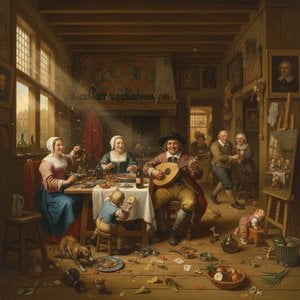
Jan Steen: A Master of Dutch Genre Painting & the Golden Age
Explore the life & art of Jan Steen, a leading Dutch Golden Age painter renowned for his humorous genre scenes & insightful social commentary. Discover his techniques, legacy, and collecting tips.

Pieter de Hooch: Illuminating Dutch Domestic Life & Golden Age Charm
Explore the captivating world of Pieter de Hooch, a master of Dutch Golden Age painting. Discover his innovative use of light, intimate domestic scenes, and lasting influence on art history. Learn more at ArtsDot.

Golden Age Reflections: Dutch Baroque Painting & Cultural Innovation
Explore the Dutch Golden Age of painting! Discover key artists like Vermeer & ter Borch, their innovative techniques, and the rich cultural context behind these Baroque masterpieces. Learn about collecting & appreciating this iconic art period.

Pieter Bruegel the Elder: A Master of Genre, Landscape & Social Commentary
Explore the life & art of Pieter Bruegel the Elder, a pivotal figure of the Renaissance. Discover his groundbreaking genre scenes, symbolic landscapes, and lasting influence on art history. Learn more at ArtsDot.


