
- მთავარი გვერდი

- ზეთის ტილოზე რეპროდუქცია
- პიเตอร์ ბრეგელი დიდი ძველი
- Gula (Gluttony)

 ნაბეჭდის შეძენა გამოსახულების შეძენა
 გაგზავნა
 გაზიარება
 Details
 დამატება ფავორიტებში

 ჩამოტვირთვა
 მსგავსები
 X-Ray
X-Ray
 სლაიდშოუ
Gula (Gluttony)


ხელით ნაკვეთი ზეთის ტილოს რეპროდუქცია
ტილოზე შესრულებული ფერწერიანი ზეთប្រდათი, თქვენთვის სასურველი ზომისა და ჩარჩოსთვის, ჩვენი ხელოვანების მიერ შეკვეთის საფუძველზე დამზადებული.




































 გაეცანით მეტს
აირჩიეთ ჩვენს მიერ წინასწარ განსაზღვრული ზომებიდან, რომლებიც ნაწარმოების ორიგინალურ პროპორციებს შეესაბამება.

თქვენ შეგიძლიათ მიუთითოთ თქვენთვის სასურველი ზომები კონკრეტული ჩარჩოს ან სივრცის შესაბამისად. თუ თქვენ მიერ არჩეული ზომა არ შეესაბამება ორიგინალი გამოსახულების პროპორციებს, ჩვენ ან შევაჭრებთ ნაწარმოებს, ან ტილოზე დავამატებთ ხელით მოხატულ ელემენტებს. წარმოების დაწყებამდე, დამტკიცებისთვის გამოგეგზავნებათ ციფრული მაკეტი.
გთხოვთ, გაითვალისწინოთ, რომ ეკრანზე ნაჩვენები წინასწარი შეხედულება არ ასახავს რეალურ შეჭრას ან გაფართოებას. საბოლოო კომპოზიციას ზუსტად მხოლოდ მაკეტი წარმოაჩენს.
მიუხედავად იმისა, რომ შესაძლებელია ინდივიდუალური ზომების შერჩევა, ორიგინალური პროპორციების შენარჩუნებისათვის გირჩევთ, გამოიყენოთ წინასწარ განსაზღვრული სიის ზომები.
შეკვეთის შემდეგ, ArtsDot.com გუნდი დაგიკავშირდებათ ელექტრონული ფოსტით ინსტრუქციებისთვის და გამოგიგზავნით წინასწარ ნახაზს (mockup).
მიწოდება მსოფლიო მასშტაბით -ში 3/4 კვირაში, სტანდარტული 5 კვირის ნაცვლად. (1 ივლისი). ხარისხზე კომპრომისის გაკეთება არ მოხდება.

უფასო ექსპრეს მიწოდება მთელ მსოფლიოში

საბამად მაღალი ხარისხის ტილო

სრული ტრანსპორტირების დაზღვევა

საბაჟო გადასახადების დაბრუნების გარანტია

ფერების სრული შესაბამისობის გარანტია

60-დღიანი დაბრუნების პოლიტიკა (მხოლოდ დეფექტის შემთხვევაში)

100% თანხის დაბრუნების გარანტია

ფასდაკლება დიდი რაოდენობით შეკვეთისას
 მინის ჩარჩოს არჩევანი ხელმისაწვდომია მხოლოდ 110 სმ-ზე ნაკლები ზომისთვის

Gula (Gluttony)
რეკლამაციის ტექნიკა
რეკლამაციის ზომა
-


საბოლოო ფასი
-
დაკავშირებული ნამუშევრები


მხატვრის ბიოგრაფია
Pieter Bruegel the Elder – A Titan of Northern Renaissance Painting
Pieter Bruegel the Elder, born around 1525 in Breda (modern Netherlands), remains one of the most celebrated figures in Flemish art history—a painter whose distinctive style and profound engagement with human experience continue to fascinate audiences centuries later. While definitive biographical details remain elusive, scholarly consensus points to a formative upbringing amidst the burgeoning mercantile culture of Brabant, then part of Habsburg Spain, shaping his artistic sensibilities from an early age. His apprenticeship under Pieter Coecke van Aelst—a renowned Antwerp artist and designer—provided him with invaluable technical training in oil painting and drawing, exposing him to humanist ideas circulating throughout Europe during this period. This influential mentor instilled in Bruegel a fascination for Italian Renaissance art, though crucially, he resisted adopting its stylistic conventions wholesale, forging instead a uniquely Northern European path.Early Artistic Development and Influences
Bruegel’s artistic journey commenced around 1545, coinciding with his enrollment as an apprentice at Coecke van Aelst's workshop—a hub of artistic innovation where traditional techniques intersected with emerging humanist currents. The workshop’s emphasis on meticulous observation and detailed rendering profoundly impacted Bruegel’s visual vocabulary, foreshadowing the hallmark characteristics of his later oeuvre. Notably, Bruegel encountered the works of Hieronymus Bosch—another Antwerp artist whose unsettling visions of Hell and grotesque imagery exerted a considerable influence on Bruegel's artistic imagination. This encounter solidified Bruegel’s commitment to exploring themes of morality and spirituality alongside depictions of everyday life—a distinction that would define his distinctive artistic vision.Travels and Artistic Transformation
Between 1551 and 1553, Bruegel undertook extensive travels through France, Switzerland, and Italy—ventures that served as catalysts for transformative artistic growth. These expeditions afforded him unparalleled access to Italian Renaissance masterpieces, prompting him to absorb their compositional strategies and stylistic refinements without succumbing to imitation. The Alps—with their dramatic peaks and valleys—became a recurring motif in Bruegel’s landscapes, reflecting his fascination with the sublime beauty of nature and informing the atmospheric perspective characteristic of his paintings. Upon returning to Antwerp in 1553, Bruegel secured membership into the Guild of Saint Luke—a pivotal step signifying his professional recognition and establishing him as a respected artist within the city's vibrant artistic milieu.The Quintessence of Northern Renaissance Vision
Bruegel’s artistic genius resided in his ability to transcend conventional representations of religious iconography or classical mythology, opting instead for scenes from rural life—peasants laboring in fields, villagers celebrating festivals, hunters traversing snowy landscapes. This bold departure from established artistic norms underscored Bruegel's humanist conviction that beauty and truth could be found not only in grand narratives but also in the commonplace realities of human existence. His landscapes weren’t merely decorative backgrounds; they functioned as active participants in the narrative—infused with symbolic meaning and reflecting a profound understanding of nature’s power and vulnerability. Works like *The Tower of Babel* exemplify Bruegel's masterful command of composition and detail, conveying complex theological ideas through visually arresting imagery.Legacy and Enduring Influence
Pieter Bruegel the Elder’s legacy extends far beyond his own lifetime—his influence reverberating across subsequent generations of artists who embraced his distinctive style and thematic concerns. He established a precedent for depicting rural life with unflinching realism—a stylistic innovation that profoundly shaped the trajectory of Dutch Golden Age painting, inspiring artists like Isaac van Ostade and Adriaen Brouwer to explore similar subjects with comparable artistic rigor. Moreover, Bruegel’s pioneering use of chiaroscuro—the dramatic interplay of light and shadow—became a cornerstone of Northern Renaissance aesthetics—influencing painters who sought to capture the emotional depth and psychological complexity inherent in human experience. His enduring impact is palpable even today—his paintings adorning museums worldwide and continuing to provoke contemplation on themes of mortality, faith, and the human condition—solidifying his position as one of the most transformative figures in art history.
პიเตอร์ ბრეგელი დიდი ძველი
1525 - 1569 , სამხარეო ბელგია
მოკლე ინფორმაცია
- Artistic Movement Or Style: Ренессансская живопись
- Artists Or Movements Influenced By This Artist: ['Голландская золотая эра']
- Artists Who Influenced This Artist: ['Хиеронимиус Бош']
- Date Of Birth: c. 1525
- Date Of Death: 1569
- Full Name: Pieter Bruegel the Elder
- Nationality: Фламандский
- Notable Artworks:
- Ландшафт с Эгиптом
- Триумф смерти
- Свадьба крестьян
- Охота в снег
- Place Of Birth: Бреда, Нидерланды
დაკავშირებული სტატიები

The Northern Awakening: Artistic Innovation & Cultural Transformation in the German Renaissance
Explore the artistic innovation of the German Renaissance! Discover Dürer, the Danube School & Reformation art. Learn about techniques, materials & lasting influence. Find museum-quality reproductions at ArtsDot.


Engraving: A Historical Survey of Technique, Artistic Expression & Enduring Legacy
Explore the rich history of engraving with ArtsDot. Discover techniques, iconic artists like Dürer & Callot, collecting tips, and expert guidance for preserving your art investment. Learn about intaglio printing & more!

Albrecht Altdorfer: Innovation, Spirituality & the Northern Renaissance Landscape
Explore the groundbreaking art of Albrecht Altdorfer, a pioneer of the Northern Renaissance's Danube School. Discover his innovative landscapes, spiritual symbolism & lasting influence on German painting.

Engraving's Golden Age: 10 Masterpieces That Redefined Art | ArtsDot
Journey through art history with our Top 10 Legendary Engravings! Explore masterpieces by Dürer, Rembrandt & Goya. Discover the stories behind these iconic prints and find museum-quality reproductions for your home at ArtsDot.com.
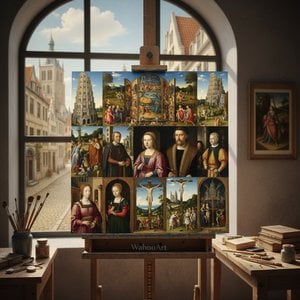
ჩრდილოეთ რენესანსის 10 შედევრი, რომელმაც განსაზღვრა ხელოვნება | ArtsDot
აღმოფრთოვანდით ჩრდილოეთ რენესანსის 10 უმშვენიერეს შედევრთან! იხილეთ დიურერი, ვერმერი და სხვა მოწინავე მხატვრების საუკეთესო ნაწარმოებები. შეიძინეთ მაღალი ხარისბის რეპროდუქციები ArtsDot-ზე და შეცვალეთ თქვენი სახლი ხელოვნების გალერეად!



