

 წინასწარი ნახვა
 გაგზავნა
 გაზიარება
 დეტალები
 გზამკვლევი

 ჩამოტვირთვა
 მსგავსები
 რენტგენოგრაფიული კვლევა
 სლაიდშოუ
 კითხვა-პასუხი
 სტატისტიკა
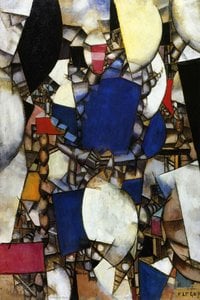
Necromancer

- 174.0 x 227.0 cm


 გააგრძელეთ კითხვა
მიიღეთ ბეჭდვისთვის გამზადებული ფაილი, რომლის ხარისხიც ბევრად აღემატება ვებ-პრევიუსს. ჩვენს ბაზაში არსებული ყველა ციფრული გამოსახულება ეყრდნობა მაღალი რეზოლუციის ორიგინალს — როგორც წესი, 5,000-დან 15,000 პიქსელამდე სიგანის — რაც საშუალებას გაძლევთ, თავდაჯერებულად დაამბოროთ დიდი ზომის ბეჭდვა, მოახდინოთ ფრაგმენტის მჭიდროდ გამოჭრა ან აღადგინოთ ნატიფი დეტალები.
ჩვენს სტუდიაში არცერთი ფაილი შეუმჩნევლად არ რჩება. ციფრული ექსპერტი ადარებს ფერებს ორიგინალ ნახატს და საჭიროების შემთხვევაში ასწორებს მათ, შემდეგ კი პროფესიონალური რეტუშირების ინსტრუმენტებით აუმჯობესებს სიცხადესა და დეტალიზაციას — ყოველთვის ოსტატის ფუნჯის მონაკვეთებისა და სტილის ერთგულებით. შედეგი არის გამოსახულება, რომელიც ნამდვილ ნახატს ჰგავს და არა ფილტრებულ სკანირებას.
თქვენ აკონტროლებთ პროცესს მის დასრულებამდე: ჩვენი ექსპერტი 72 საათის განმავლობაში გამოგიგზავნით გამოსახულებას ელექტრონული ფოსტით გადასასინჯად. არ დაკმაყოფილებული? მოითხოვეთ ცვლილებები ან შესწორებები, ან მოითხოვეთ თანხის დაბრუნება, თუ ხარისხი თქვენს მოლოდინს ვერ შეესაბამება.
ეს არის ხარისხი, რომელსაც ენდობიან გამომცემლობები, დიზაინ სტუდიები, გალერეები და அச்சგამოცემები.
ციფრული გამოსახულება
ჩამოტვირთეთ მაღალი გარჩევადობის ფაილი პირადი გამოყენებისთვის, დასაბეჭდად და შემოქმედებითი პროექტებისთვის. ( ბეჭდვის რეჟიმზე გადართვა შეიძინეთ ხელით შესრულებული ნახატი)
ყოველ ციფრულ გამოსახულების შეკვეთაში შედის
ექსპერტული ციფრული მიწოდების გარანტია
როდესაც ირჩევთ ArtsDot.com-ს, თქვენ მხოლოდ სურათს კი არ იღებთ, არამედ იღებთ პროფესიონალურად დამუშავებულ ციფრულ ნამუშევარს, რომელიც შექმნილია უზადო სიზუსტით და დაცულია კმაყოფილების გარანტიით. თქვენს შეკვეთას ავტომატურად მოჰყვება შემდეგი:

სწრაფი ელექტრონული მიწოდება
თქვენს მაღალი რეზოლუციის ციფრულ გამოსახულებას შეკვეთის დაწყებიდან 72 საათში ელექტრონული ფოსტით მიიღებთ — ის მზად იქნება დაუყოვნებლივი გამოყენებისთვის.

ხელოვნური ინტელექტით გაუმჯობესებული ციფრული გამოსახულება
თქვენი ხელოვნების ნიმუშები პროფესიონალურად არის ოპტიმიზებული მოწინავე AI ინსტრუმენტებისა და მექანიკური რედაქტირების მეშვეობით, რაც უზრუნველყოფს მაქსიმალურ დეტალიზაციას, სიცხადესა და ფერების სიზუსტეს.

ციფრული გამოსახულებების უფასო სამუდამო ხელახალი მიღება
ფაილი შემთხვევით წაიშალა ან დაკარგეთ? ნუបედავთ — ჩვენ მას ნებისმიერ დროს, უფასოდ ხელახლა გამოგეგზავნით.

იმპორტის გადასახადების გარეშე — ყოველთვის
ჭიდად ისიამოვნეთ თქვენი ნამუშევრით მყისიერად, საბაჟო გადასახადის, მოსაკრებლის ან მიწოდების ხარჯის გარეშე - ციფრული ჩამტვირთვისას ყოველთვის საგადასახადო თავისუფლებაა.

ფერების სიზუსტის გარანტია
პროფესიონალური ინსტრუმენტებისა და ფერების მართვის სისტემის გამოყენებით, ჩვენ უზრუნველყოფთ, რომ თქვენი ციფრული გამოსახულება მაქსიმალურად ზუსტად ასახავდეს ორიგინალურ ფერებს.

კმაყოფილების 100-დღიანი გარანტია
თუ თქვენ არ დაკმაყოფილებული ხართ თქვენი ციფრული გამოსახულებით, ჩვენ შევიტანთ მასში ცვლილებებს ან დაგიბრუნებთ 100% თანხას 100 დღის განმავლობაში — ყოველგვარი კითხვის დასმევის გარეშე.

100% თანხის დაბრუნების გარანტია
არ არის კმაყოფილი? მიიღეთ თანხის სრული დაბრუნება ციფრული ფაილის მიღებიდან 100 დღის განმავლობაში — ყოველგვარი დამატებითი კითხვების გარეშე.

ფასდაკლება დიდი რაოდენობით შეკვეთაზე
შეიძინეთ 3 გამოსახულება და მიიღეთ 10% ფასდაკლება - შეიძინეთ 5 და მიიღეთ 15% ფასდაკლება - შეიძინეთ 10+-ზე და მიიღეთ 20% ფასდაკლება. იდეალურია კრეატიული პროექტებისთვის, გალერეებისა და სააგენტოებისთვის.
Identification of Necromancer by Philip Taaffe
The canvas known as Necromancer emerges from the creative mind of Philip Taaffe. This work, which carries the weight of its title through its complex layers, was brought into being during the period of 1989/1990. It exists as a singular expression of the artist's vision, capturing a specific moment in the evolution of his practice.
Philip Taaffe is an American artist whose origins trace back to Elizabeth, New Jersey. Born in 1955, he carries a perspective shaped by his roots and his subsequent movements through the art world. In Necromancer, his hand moves with a deliberate intent, leaving behind a visual language that speaks of both the organic and the structured.
As we encounter this piece, we see the direct result of Taaffe's engagement with his materials. The work stands as a physical presence, a tangible piece of history from the turn of the decade. It remains a significant part of the artist's ongoing dialogue with form and space.
Composition and Visual Elements
A deep blue background holds the space, acting as a silent stage for a dance of shapes and designs. Scattered across this azure expanse, several mushrooms emerge from the shadows. In the top left corner, a few fungi cluster together, while others drift toward the middle and settle in the bottom right areas. These organic forms break the stillness, appearing as if they have just sprouted within the frame.
At the heart of the work, a star-like shape radiates from the center. It sits amidst an intricate pattern of other shapes that swirl and intersect. This central light source anchors the composition, pulling the eye into a rhythmic movement between the natural and the structured. The arrangement creates a tension between the soft, irregular curves of the mushrooms and the rigid precision of geometric patterns. This interplay of organic life and mathematical order defines the visual energy of the piece.
Materials and Physical Dimensions
The surface of this work breathes through a complex layering of mixed media. Acrylic paint meets the tactile presence of cut-and-pasted paper, both applied onto a canvas foundation. This combination of materials creates a physical depth where colors and shapes do not merely sit upon the surface but seem to emerge from within it. The interplay between the fluid nature of the pigment and the sharp, deliberate edges of the paper fragments builds a textured landscape that invites a closer look at its structural layers.
Measuring 1746 x 2270 mm, the piece possesses a commanding physical presence. Its scale, approximately 174 x 227 cm, allows the intricate patterns and organic forms to unfold across a wide field of vision. The sheer size of the canvas ensures that the viewer is fully enveloped by the rhythmic arrangement of its geometric and organic elements.
Provenance and Museum Collection
The presence of this work within the Museum of Modern Art marks its place in a significant institutional lineage. It resides within the permanent collection, held under the specific designation 374.1991. This placement ensures the piece remains part of a continuous dialogue within the museum's holdings, preserved for those who walk its halls.
The survival and stewardship of the canvas are made possible through the dedicated support of several vital funds. The Bernhill Fund provides a foundation for its continued existence. Alongside this, the Gerald S. Elliott Fund and the Barbara Jakobson Fund offer their essential backing, ensuring the work remains a part of the museum's living history. These contributions act as the quiet guardians of the piece, allowing it to remain accessible to the public eye.
Related Works by Philip Taaffe
The creative pulse that drives the patterns in this piece continues to beat through other canvases from the same era. In 1990, the artist produced Lineament (for Parkett no. 26), a work that shares the same temporal space as Parkett no. 26. These pieces emerge from a period of intense structural exploration, where shapes and rhythms begin to find their footing. The energy of the early nineties flows directly into the compositions of this time.
As the years progress, the visual language shifts and evolves. By 1992, the work Chocolate Creams and Dollars appears, offering a different way to navigate the intersection of form and color. The exploration does not cease, moving forward into 1994 with The Magic Magic Book. Each of these works exists as a distinct moment in a continuous, unfolding process of layering and discovery.
კითხვები და პასუხები
Philip Taaffe-ის შემოქმედებითი განვითარების რომელ ეტაპს წარმოადგენს „Necromancer“?
"Necromancer" Philip Taaffe-ის შემოქმედებითი კარიერის Mature Period პერიოდს განეკუთვნება. ეს კლასიფიკაცია ნამუშევარს ხელოვანის შემოქმედებითი განვითარების ეტაპთან აკავშირებს.
სად შემიძლება მსგავსი ნამუშევრების პოვნა, როგორიცაა Philip Taaffe-ის „Necromancer“?
ნამუშევრებთან მსგავსი ნამუშევრები, როგორიცაა „Necromancer“, მოცემულია ამ ნამუშევრის მსგავსი ნამუშევრები გვერდზე.
Philip Taaffe-ის „Necromancer“ ნახატია, ფერწერილობა თუ გრავიურა?
Philip Taaffe-ის „Necromancer“ კლასიფიცირებულია როგორც WallArt. ეს კატეგორია აღწერს ნამუშევრის ტიპს, რომელსაც ორიგინალი წარმოადგენს.
დაკავშირებული ნამუშევრები




მხატვრის ბიოგრაფია
The Alchemist of Abstraction: The Art of Philip Taaffe
In the vibrant landscape of contemporary American painting, few artists navigate the delicate boundary between historical reverence and radical innovation as gracefully as Philip Taaffe. Born in Elizabeth, New Jersey, in 1955, Taaffe has cultivated a visual language that acts as a bridge across centuries, weaving together the fragmented geometry of Synthetic Cubism with the profound spiritual echoes of ancient iconography. His work is not merely an exercise in abstraction; it is a deliberate, rhythmic dialogue with the ghosts of art history, where the textures of the past are reimagined through a modern, experimental lens.
Taaffe’s artistic identity was forged in the crucible of New York City’s rigorous academic environment. After earning his Bachelor of Fine Arts from the prestigious Cooper Union in 1977, he began to develop a method that would become his hallmark: a process-based approach where the act of creation is as significant as the final image. His fascination with the layering of color and the fragmentation of form was deeply rooted in the legacies of Matisse and the principles of Cubism. Yet, Taaffe’s vision extends far beyond European modernism. His travels through Morocco and India infused his palette and motifs with a global consciousness, allowing him to integrate elements ranging from Roman mosaics to Byzantine altarpieces into a singular, cohesive aesthetic.
A Tapestry of Influence and Technique
What distinguishes Taaffe’s oeuvre is his ability to transform borrowed motifs into something entirely transformative. He does not simply replicate; he reinterprets. This is perhaps most evident in his mid-1980s explorations, where he engaged directly with the giants of mid-century abstraction. In his evocative work We Are Not Afraid (1985), Taaffe took the iconic "zip" motif of Barnett Newman and evolved it into a swirling spiral, creating a kinetic energy that breathes new life into the original concept. Similarly, in pieces like Defiance (1986), he reinterpreted the optical complexities of Bridget Riley, proving himself a master of structural tension and visual rhythm.
The technical mastery behind his canvases is nothing short of alchemical. Taaffe utilizes complex techniques such as paper marbling and pigment dispersion to generate surfaces that possess an almost tactile depth. These methods allow him to create intricate, labyrinthine compositions—seen in works like Enchiridion II—where interlocking circles and swirling patterns pulse with an internal light. His ability to balance the chaotic energy of organic forms, such as the mushrooms found in Necromancer, with rigid geometric precision creates a sense of "controlled spontaneity" that captivates the viewer’s eye.
Legacy and Global Recognition
The significance of Philip Taaffe’s contribution to contemporary art is reflected in the prestigious institutions that house his masterpieces. His work has been celebrated on the world stage, earning him inclusion in landmark exhibitions such as the Carnegie International, two Sydney Biennales, and three Whitney Biennales. The presence of his paintings in the permanent collections of the Museum of Modern Art (MoMA), the San Francisco Museum of Modern Art (SFMOMA), and the Whitney Museum of American Art serves as a testament to his enduring impact on the trajectory of abstract painting.
Beyond the museum walls, Taaffe’s influence has touched the highest echelons of cultural collecting, with his works once gracing the residences of icons like Gianni Versace and Elton John. As he continues to live and work in New York City, Taaffe remains a vital force in the art world—a painter who looks backward into the archives of human creativity only to propel those images forward into a new, luminous future. His career stands as a profound reminder that true innovation is often found in the thoughtful synthesis of tradition and vision.

Philip Taaffe
1955 -
მოკლე ინფორმაცია
- Full Name: Philip Taaffe
- Nationality: American
- Date Of Birth: 1955
- Place Of Birth: Elizabeth, New Jersey
- Notable Artworks:
- Painting with Gemstones
- Entrance with Palms
- Artistic Movement Or Style: Synthetic Cubism
- Artists Who Influenced This Artist:
- Matisse
- Barnett Newman
- Artists Or Movements Influenced By This Artist: ['Jackson Pollock']