

 ნახვა ინტერьерში
 გაგზავნა
 გაზიარება
 დეტალები
 გზამკვლევი

 ჩამოტვირთვა
 მსგავსები
 რენტგენოგრაფიული კვლევა
 სლაიდშოუ
 კითხვა-პასუხი
 სტატისტიკა
The mirror


 სრული ტექსტის ნახვა
ამ გვერდზე წარმოდგენილი ნამუშევარი დაცულია საავტორო უფლების შესახებ კანონმდებლობით, რაც იმას ნიშნავს, რომ ჩვენ არ გვაქვს მისი იდენტური რეპროდუქციის შექმნის ან გაყიდვის სამართლებრივი უფლება. აღნიშნული დაცვა უზრუნველყოფილია ისეთი საერთაშორისო შეთანხმებებით, როგორიცაა ბერნის კონვენცია და ეროვნული კანონმდებლობით, მათ შორის იმ კანონებით, რომლებიც დეტალურად არის გაწერილი აშშ-ის საავტორო უფლების შესახებ კანონი - თავი 17.
ეს მეთოდი სრულად შეესაბამება საავტორო უფლებების რეგულაციებს, რადგან ის არ გულისხმობს დაცული ნამუშევრის კოპირებას ან დუბლირებას. ამგვარად, ეს წარმოადგენს შემოქმედებით რეინტერპრეტაციას — ახალ ნახატს, რომელიც შთაგონებითაა განპირობებული ორიგინალით, თუმცა არ არის მის იდენტურ ასლს.
გიკლე / ხელოვნების პრინტი
მუზეუმის დონის ჟიკლე ან ტილოზე ბეჭდვა სწრაფი წარმოებისა და დასრულების მოქნილი ვარიანტებით. ( შეიძინეთ ხელით შესრულებული ნახატი გადასვლა ციფრულ გამოსახულებაზე)




P118B ₾10

P118H ₾10

P118W ₾10

P438Z ₾10

P508JH ₾12

P508YH ₾12

P805H ₾10

P805Z ₾10

P919BZ ₾10

P919G ₾10

P919XJ ₾10

P959ZH ₾10

P968JZ ₾12

W106C ₾8

W218G ₾10

W218JH ₾8

W218Y ₾10

W307PJ ₾10

W316G ₾10

W316PJ ₾8

W316Y ₾10

W398PJ ₾8

W4111J ₾10

W500HY ₾15

W500JH ₾15

W692G ₾12

W849H ₾8

W940BG ₾15

W953PJ ₾8




აირჩიეთ ჩვენს მიერ წინასწარ განსაზღვრული ზომებიდან, რომლებიც ნაწარმოების ორიგინალურ პროპორციებს შეესაბამება.

შეიყვანეთ თქვენთვის საჭირო სიგანე და სიმაღლე, რათა იგი მოერგოს თქვენს ჩარჩოს ან კედელს. ბეჭდვისას შესაძლებელია მხოლოდ მისი შემცირება და არა გაზრდა, ამიტომ სხვა ფორმის ზომის შემთხვევაში გამოსახულება ნაწილობრივ იკარგება. სანამ რაიმეს დაბეჭდავთ, ჩვენ გამოგიგზავნით ციფრულ მაკეტს დასდასტურებლად. ამ გვერდზე ნაჩვენები სურათი არ ასახავს რეალურ ჭრას — ამას მხოლოდ მაკეტი გვიჩვენებს.
მიწოდება მთელ მსოფლიოში () 2 კვირაში, სტანდარტული 4/5 კვირის ნაცვლად. (4 ნოემბერი)

უფასო ექსპრეს მიწოდება მთელ მსოფლიოში

მაღალი ხარისხის ტილო

ტრანსპორტირების სრული დაზღვევა

საბაჟო გადასახადების დაბრუნების გარანტია

ფერების სრული შესაბამისობის გარანტია

დაბრუნების 100-დღიანი პერიოდი (მხოლოდ წარმოების დეფექტის შემთხვევაში)

100% თანხის სრული დაბრუნების გარანტია

ფასდაკლება დიდი რაოდენობით შეკვეთისას
 მინის ჩარჩოს არჩევანი ხელმისაწვდომია მხოლოდ 110 სმ-მდე ზომისთვის

The mirror
გიკლე / ხელოვნების პრინტი
რეპროდუქციის ზომა
-


ჯამური ღირებულება
₾ 164
The Enigmatic Mirror: A Window into Picasso’s Psyche
Pablo Picasso's “The Mirror,” painted in 1932 during his prolific period of exploration and experimentation, isn’t merely a depiction of a reflective surface; it’s a profound meditation on identity, vulnerability, and the complexities of self-perception. Created within the framework of Naive Art – a movement he embraced yet subtly subverted – the painting immediately draws the viewer in with its bold simplicity and arresting use of color. The composition centers around a young woman lying on her side, her head resting gently upon the floor, while a mirror in the background reflects her form. This seemingly straightforward arrangement belies a wealth of symbolic layers and artistic innovation deeply rooted in Cubism and influenced by the broader currents of primitivism. Picasso’s choice to render the scene with such directness, eschewing traditional perspective and embracing simplified forms, speaks volumes about his desire to strip away artifice and confront the raw essence of human experience. The painting's power lies not just in its visual impact but also in the questions it subtly poses about how we see ourselves and how that image is shaped by external reflections – both literal and metaphorical.Cubist Innovations and Primitivist Roots
“The Mirror” stands as a compelling example of Picasso’s ongoing dialogue with Cubism, a movement he co-founded alongside Georges Braque. However, unlike the fragmented geometric forms often associated with Analytic Cubism, this work leans towards a more expressive and emotionally charged approach. The use of multiple perspectives – subtly incorporated through the mirror's reflection – creates an unsettling sense of disorientation, mirroring the internal turmoil that can accompany self-examination. This technique, characteristic of Cubism, forces the viewer to actively engage with the image, piecing together its fragmented reality much as Picasso himself was grappling with his own identity and artistic evolution at the time. Furthermore, the painting’s embrace of Naive Art – a style favored by untrained artists – aligns it with a broader primitivist impulse, seeking to capture an unmediated view of the world, free from the constraints of academic conventions. This deliberate simplification allows Picasso to focus on core emotional truths, bypassing intellectual analysis and appealing directly to the viewer's intuition. The painting’s stark contrasts and bold lines are reminiscent of early works in his Blue Period, suggesting a return to themes of melancholy and introspection.Symbolism and the Portrait of Vulnerability
The woman depicted is not simply a passive subject; she embodies a potent blend of vulnerability and defiance. Her nakedness, while potentially provocative, isn’t presented in a overtly sexual manner. Instead, it evokes a sense of exposed fragility, suggesting a moment of quiet contemplation or perhaps even surrender. The placement of her head on the floor – a gesture of humility and introspection – further emphasizes this theme. Crucially, the mirror itself acts as a powerful symbol, reflecting not just her physical form but also her inner self. Notice how Picasso subtly alters the reflection, hinting at an underlying tension between the perceived image and the reality of her experience. The slight distortion in the mirrored image suggests that our self-perception is rarely entirely accurate, often shaped by external judgments and societal expectations. The presence of two figures in the background – one near the top left corner and another at the bottom right – adds an intriguing layer of complexity, hinting at a shared narrative or perhaps simply the quiet observation of a private moment. These secondary figures remain largely undefined, allowing the viewer to project their own interpretations onto the scene.A Masterpiece of Color and Technique
Technically, “The Mirror” showcases Picasso’s masterful command of oil on canvas. The use of bold, vibrant colors – primarily blues, greens, and browns – creates a dynamic visual experience, injecting energy into the otherwise contemplative scene. Picasso employs a technique that blends elements of both realism and abstraction, utilizing simplified forms and expressive brushstrokes to convey emotion and atmosphere. The deliberate layering of paint and the visible texture contribute to the painting’s tactile quality, inviting close examination. The stark contrast between the dark background and the luminous figure draws attention to her vulnerability while simultaneously creating a sense of depth and dimensionality. The overall effect is one of arresting immediacy – a snapshot of a fleeting moment captured with remarkable precision and emotional resonance. It's a testament to Picasso’s ability to distill complex ideas into a deceptively simple visual language, making “The Mirror” a truly enduring masterpiece.კითხვები და პასუხები
სად შემიძლება პაბლო პიკასო-ის „The mirror“-ის პრინტის შეძენა?
პაბლო პიკასო-ის „The mirror“-ის პრინტის მისაღებად, უბრალოდ შეუკვეთეთ მისი ხელოვნების მაღალი ხარისხის ბეჭედი გვერდიდან: ხელოვნების მაღალი ხარისხის ბეჭდური ბამბის ტილოს ან საარქივო ტილოს ქაღალდის ბაზაზე.
რა საერთო აქვს „The mirror“-ს პაბლო პიკასო-ის სხვა ნამუშევრებთან?
"The mirror"-ს პაბლო პიკასო-ის სხვა ნამუშევრებთან საერთო აქვს Cubism სტილი და განმეორებადი თემები: cubism’s geometric forms, naive art’s simplicity, primitivism’s raw emotion, deco’s stylized shapes, exploration of perception, experimentation with style, early cubist phase, reflecting personal state.
პაბლო პიკასო-ის შემოქმედების რომელ პერიოდს მიეკუთვნება „The mirror“?
"The mirror" ეკუთვნის პაბლო პიკასო-ის შემოქმედებითი კარიერის Primitivism/Cubism პერიოდს. ეს კლასიფიკაცია ნამუშევარს ხელოვანის შემოქმედებითი განვითარების ეტაპთან აკავშირებს.
მსგავსი ნამუშევრები


მხატვრის ბიოგრაფია
პაბლო პიკასოს მარადიული მემკვიდრეობა
პაბლო რუიზ ი პიკასო, სახელი, რომელიც მხატვრული რევოლუციის სინონიმია, 1881 წლის 25 ოქტომბერს ესპანეთში, მალაგაში დაიბადა. მისი არსებობა თავიდანვე შექმნილი იყო შემოქმედებითი თვითგამოხატვისთვის; ლეგენდა ამბობს, რომ მისი პირველი ნათქვამი სიტყვები იყო „piz, piz“, რაც ფანჯრის ანუ ფანჯის (pencil) თქმაში იყო მცდელობა. ეს ადრეული მიდრეკილება გაზარდა მისმა მამამ, ხოსე რუიზ ი ბლასკომ, რომელიც მხატვარი და ხელოვნების მასწავლებელი იყო და პატარა პაბლოს საფუძვლიანი ტრენინგი მისცა. თუმცა, მოსწავლემ სწრაფად გადააჭარბა მასწავლებელს და გამოავლინა ბუნებრივი აღქმის საოცარი ნიჭი, რაც წინასწარმეტყველური იყო მისი მომავალი გენიოსისა. ოჯახის შემდგომი გადასვლები – ჯერ ა კორუნაში, შემდეგ ბარსელონაში – აღსავსე იყო პირადი ტრაგედიებით, განსაკუთრებით პიკასოს დის დაკარგვით; ამ გამოცდილებებმა შემდგომში მის ნამუშევრებში მელანქოლიისა და სიკვდილის თემები ფარულად შემოიტანა. ბარსელონას ლამაზ ხელოვნებათა სკოლასა და მადრიდის სან ფერნანდოს სამეფო აკადემიაში სწავლის დროსაც კი, პიკასო ეწინააღმდეგებოდა მკაცრ აკადემიურ შეზღუდვებს და ამჯობინებდა თავი ჩაფლულიყო ველასკესისა და გოიას მსგავს ოსტატთა ნამუშევრებში, რითაც საკუთარ გზას ქმნიდა მხატვრული ინოვაციისკენ.
მელანქოლიური ლურჯიდან ვარდისფერი ელფერსამდე
მე-20 საუკუნის დასაწყისმა პიკასოს შემოქმედებაში ორი განსხვესპირებული პერიოდის აღმოჩენა მოგვცა: ლურჯი პერიოდი (დაახლოებით 1901-1904) და ვარდისფერი პერიოდი (1904-1906). ლურჯი პერიოდი, რომელიც პირადი ტრაგედიებისა და სოციალური ტანჯვის ღრმა გაცნობიერებიდან დაიბადა, ხასიათდება ლურჯი და ლურჯი-მწვანე მუქი ტონებით გაჯერებული ნახატებით. ამ ნამუშევრებში მოთამაშე არიან მარგინალიზებული ფიგურები – მათში მოხვედრილია ღარიბები, ბრმები, პროსტიტუტები – რომლებიც დახატულია შეძრწუნებელი ემპათიით, რაც იზოლაციისა და სასოწლუ Wett hopelessness თემებს ეხმიანება. La Vie (1903) და The Old Guitarist (1903-1904) ამ ემოციურად დატვირთული ფაზის მძიმე, მაგრამ ამაღლებული მაგალითებია. პიკასოს პირად ცხოვრებაში მომხდავმა ცვლილებამ, პარიზში გადასვლასთან ერთად, ვარდისფერი პერიოდის დასაწყისი მოიტანა. პალიტრა საგრძნობლად გათბილდა და pink, ნარინჯისფერი და წითელი ტონები მოიცვა, რაც უფრო ოპტიმისტურ ხედვას ასახავდა. ამ პერიოდში გამოჩნდა ცირკის არტისტების – ჰარლექინების, აკრობატებისა და ოჯახური ტრუპების – ინტერესი; ფიგურები, რომლებიც ერთდროულად ახდენდნენ სიმტკიცისა და სიმსუბუქის სიმბოლოს. Family of Saltimbanques (1905) მშვენივრად ასახავს ამ გარდამავალ ეტაპს და მიგვანიშნებს იმ სტილისტური ძიებებზე, რომლებიც მას შემდეგ ელოდა.
პერსპექტივის მსხვრევა: კუბიზმი და მის ფარგლებს გარეთ
1907 წელმა ხელოვნების ისტორიაში გარდამტეხი მომენტი შექმნა ნახატის Les Demoiselles d'Avignon დაბადებით. იბერიული სკულპტურისა და აფრიკული ნიღბების გავლენით, ამ რეკორდულმა ნამუშევარმა დაამსხვრია პერსპექტივისა და რეპრეზენტაციის ტრადიციული წარმოდგენები. ეს იყო რადიკალური გადახვევა და საუკუნეების მანძილზე არსებული კონვენციების შეგნებული უარყოფა, რამაც გზა გაუხსნა კუბიზმს. ჟორჟ ბრაკთან მჭიდრო თანამშრომლობით, პიკასომ თანადაფუძნა ეს რევოლუციური მოძრაობა, რამაც ფუნდამენტურად შეცვალა ის, თუ როგორ აღიქვამდნენ და ასახავდნენ ხელოვანები რეალობას. ანალიტიკური კუბიზმი (1909-1912) მოიცავდა ობიექტების ფრაგმენტაციას გეომეტრიულ ფორმებად, რომლებიც შესრულებული იყო მკვდარი ფერებით, თითქოს თავად ფორმას ახდენდა დისექციას. ეს შემდგომ გადაიზარდა სინთეტურ კუბიზმში (1მ12-1919), რომელმაც შეიმოტანა კოლაჟის ელემენტები – გაზეთის ნატეხები, ქსოვილის ფრაგმენტები – რაც ამატებდა ტექსტურას და ვიზუალური სირთმის ახალ ფენებს. პიკასო არ იყო კმაყოფილი სამსოფლიოს უბრალოდ რეპრეზენტაციით; ის ცდილობდა მისი დეკონსტრუქციას და საკუთარი პირობებით ხელახლა აწყობას.
შეუძლებელი ექსპერიმენტატორი: ნეოკლასიციზმი, სურრეალიზმი და ომი
1920-იან წლებში პიკასომ მოკლედ შეისწავლა ნეოკლასიკური სტილები, შექმნა მონუმენტური ფიგურები, რომლებიც ეხმიანებოდნენ კლასიკურ ფორმებს, თუმცა ინარჩუნებდნენ მკვეთრად თანამედროვე სენსიტიურობას. ამავდროულად, ის ჩაერთო მზარდ სურრეალისტურ მოძრაობაში, თუმცა არასოდეს დაუკავშირდა მას სრულად თავისი პრინციპებით. ამ პერიოდის ნამუშევრები აერთიანებდა ადრეულ სტილისტურ გავლენებს სურრეალისტურ იმ edges და დამახინჯებულ პერსპექტივებთან, რაც მის დაუღალავ ექსპერიმენტებს მოწმობდა. ესპანეთის სამოქალაქო ომის საშინელებებმა ღრმად იმოქმედა პიკასოზე, რამაც გვირგვინი დაადო Guernica-ს (1937) შექმნას – ეს იყო ვიცერალური და ემოციურად დამანგრეველი პასუხი გერნიკას დაბომბვაზე. ეს მონუმენტური ნამსხვრევები გახდა ომის სისასტიკის მარადიული სიმბოლო, რამაც განამტკიცა პიკასოს როლი არა მხოლოდ როგორც მხატვრის, არამედ როგორც მშვიდობისა და სოციალური სამართლიანობის მძლავრი ხმის. 1950-იან და 60-იან წლებში ის აგრძელებდა საზღვრების გაფართოებას, იკვლევდა კერამიკას, სკულპტურას და გრავიურას შეუსვენარი ცნობისმოყვარეობითა და ოსტატობით. 1961 წელს ჟაკლინ როკისთან ქორწინებამ ახალი განზომილება მოუტანა მის პირად ცხოვრებასა და შემოქმედებით გამოხატვას.
გაზომვადი გავლენა
პაბლო პიკასო გარდაიცვალა 1973 წლის 8 აპრილში, საფრანგეთში, მუჟანში, დატოვებდა გასაოცარ ნამუშევრების მემკვიდრეობას – შეფასებით 50,000-ზე მეტი ნაწარმოები –, რომელიც დღემდე აღფრთოვანებასა და შთაგონებას იწვევს. მისი შემოქმედებითი განვითარება ფორმირებული იყო მრავალფეროვანი გავლენებით, ველასკესისა და გოიას მსგავს ესპანელი ოსტატებიდან დაწყებული, იბერიული სკულპტურით, აფრიკული ხელოვნებითა და ჰენრი მატისის ცოცხალი ფერებით დასრულებული.

პაბლო პიკასო
1881 - 1973 , ესპანეთი
მოკლე ფაქტები
- Artistic Movement Or Style: კუბიზმი, სურრეალიზმი
- Artists Or Movements Influenced By This Artist:
- კუბიზმი
- მოდერნიზმი
- Artists Who Influenced This Artist:
- ველასკესი
- გოია
- მატისი
- Date Of Birth: 1881 წლის 25 ოქტომბერი
- Date Of Death: 1973 წლის 8 აპრილი
- Full Name: პაბლო რუიზ პიკასო
- Nationality: ესპანური
- Notable Artworks:
- ლეს დემუაზელ დ’ავიньონი
- გერნიკა
- ვინჩოს ძველი გიტარისტი
- ლა ვიე
- სალტიმბანკის ოჯახი
- Place Of Birth: მალაგა, ესპანეთი
მსგავსი სტატიები

Cubism's Revolution: 10 Masterpieces That Redefined Modern Art | ArtsDot
Explore 10 Cubist masterpieces by Picasso, Braque & more! Delve into the history of this revolutionary art movement. Find museum-quality reproductions and elevate your home decor with ArtsDot. Discover all masterpieces on ArtsDot.com
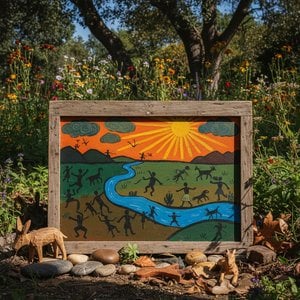
The Untamed Vision: Exploring Naïve Art & Primitivism's Rejection of Convention
Explore the revolutionary world of Naïve Art & Primitivism! Discover how artists challenged academic traditions with raw emotion & unique styles. Learn about Picasso, Rousseau & more at ArtsDot.

Pablo Picasso: A Revolutionary Vision – Cubism, Symbolism & Enduring Legacy
Explore the revolutionary art of Pablo Picasso with ArtsDot.com. Discover Cubism's origins, symbolism in his masterpieces & investment insights for collectors. Expert appraisal & custom reproductions available.
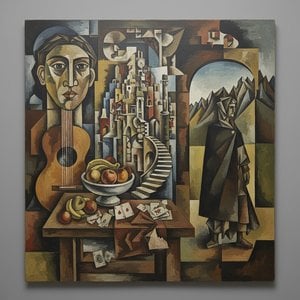
Cubist Expression: 10 Masterpieces That Revolutionized Modern Art | ArtsDot
Explore 10 Cubist masterpieces by Picasso, Braque & more! Discover the stories behind these revolutionary paintings and their impact on modern art. Find museum-quality reproductions for your home at ArtsDot.com – where art comes to life.

Cubist Portraits: 10 Masterpieces That Revolutionized Art | ArtsDot
Explore 10 revolutionary Cubist portraits by Picasso, Braque & more! Discover the stories behind these iconic paintings and how they shaped modern art. Find museum-quality reproductions to elevate your home decor on ArtsDot.com.


