


 წინასწარი ნახვა
 გაგზავნა
 გაზიარება
 დეტალები

 ჩამოტვირთვა
 მსგავსები
 რენტგენოგრაფიული კვლევა
 სლაიდშოუ
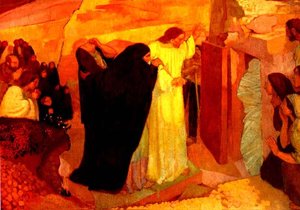
The Window


 გადასართად დაწვრილებით ნახეთ
შეიძინეთ მაღალი რეზოლუციის, გაუმჯობესებული ციფრული გამოსახულება, რომელიც ხარისხით ბევრად აღემატება ონლაინ წინასწარ ნახვას.
თითოეულ ფაილს ჩვენი შიდა სპეციალისტები საგულდაგულოდ ამზადებენ თანამედროვე ინსტრუმენტებისა და პროფესიონალური რეტუშირების გამოყენებით. ჩვენ უზრუნველყოფთ, რომ თითოეულ გამოსახულებას ჰქონდეს გამორჩეული სიცხადე, ფერების ზუსტი გადაცემა და დეტალიზაცია.
დასრულებული ფაილი ელექტრონული ფოსტით 72 საათში გიგზავნით; იგი ოპტიმიზებულია პროფესიონალური, რედაქციული და პოლიგრაფიული გამოყენებისთვის. ეს არის ისეთივე ხარისხი, რომელსაც წამყვანი დიზაინ-სტუდიები, გამომცემლობები და გალერეები ენდობიან.
ციფრული გამოსახულება
ჩამოტვირთეთ მაღალი გარჩევადობის ფაილი პირადი გამოყენებისთვის, დასაბეჭდად და შემოქმედებითი პროექტებისთვის. ( შეიძინეთ პრინტი შეიძინეთ ხელით შესრულებული ნახატი)
ყოველ ციფრულ გამოსახულების შეკვეთაში შედის
ექსპერტული ციფრული მიწოდება, გარანტირებული
როდესაც ირჩევთ ArtsDot.com-ს, თქვენ მხოლოდ სურათს კი არ იღებთ, არამედ იღებთ პროფესიონალურად დამუშავებულ ციფრულ ნამუშევარს, რომელიც შექმნილია უზადო სიზუსტით და დაცულია კმაყოფილების გარანტიით. თქვენს შეკვეთას ავტომატურად მოჰყვება შემდეგი:

სწრაფი მიწოდება ელექტრონული ფოსტით
თქვენს მაღალი რეზოლუციის ციფრულ გამოსახულებას ელექტრონული ფოსტით შეკვეთის დაწყებიდან 72 საათში მიიღებთ — ის მზად იქნება დაუყოვნებლივი გამოყენებისთვის.

AI-ით გაუმჯობესებული ციფრული ფაილი
თქვენი ხელოვნების ნიმუშები პროფესიონალურად არის ოპტიმიზებული მოწინავე AI ინსტრუმენტებისა და მექანიკური რედაქტირების მეშვეობით, რაც უზრუნველყოფს მაქსიმალურ დეტალიზაციას, სიცხადესა და ფერების სიზუსტეს.

ციფრული გამოსახულებების უფასო სამუდამო ხელახალი მიღება
ფაილი შემთხვევით წაიშალა ან დაკარგეთ? ნუបედავთ — ჩვენ მას ნებისმიერ დროს, უფასოდ ხელახლა გამოგეგზავნით.

იმპორტის გადასახადების გარეშე — ყოველთვის
ჭიდად ისიამოვნეთ თქვენი ნამუშევრით მყისიერად, საბაჟო გადასახადის, მოსაკრებლის ან მიწოდების ხარჯის გარეშე - ციფრული ჩამტვირთვისას ყოველთვის საგადასახადო თავისუფლებაა.

ფერების სიზუსტის გარანტია
პროფესიონალური ინსტრუმენტებისა და ფერების მართვის სისტემის გამოყენებით, ჩვენ უზრუნველყოფთ, რომ თქვენი ციფრული გამოსახულება მაქსიმალურად ზუსტად ასახავდეს ორიგინალურ ფერებს.

60-დღიანი კმაყოფილების გარანტია
თუ თქვენს ციფრულ გამოსახულებას ვერ დაკმაყოფილებთ, ჩვენ შევირჩევთ მას ან დავაბრუნებთ 100% თანხას 60 დღის განმავლობაში — ყოველგვარი დამატებითი კითხვის გარეშე.

100% თანხის დაბრუნების გარანტია
არ არის თქვენი კმაყოფილების საფუძველი? მიიღეთ თანხის სრული დაბრუნება ციფრული ფაილის მიღებიდან 60 დღის განმავლობაში — ყოველგვარი დამატებითი კითხვის გარეშე.

ფასდაკლება დიდი რაოდენობით შეკვეთაზე
შეიძინეთ 3 გამოსახულება და მიიღეთ 10% ფასდაკლება - შეიძინეთ 5 და მიიღეთ 15% ფასდაკლება - შეიძინეთ 10+-ზე და მიიღეთ 20% ფასდაკლება. იდეალურია კრეატიული პროექტებისთვის, გალერეებისა და სააგენტოებისთვის.
კოლექციონირებადი ნივთის აღწერა
A Glimpse Beyond: Odilon Redon’s ‘The Window’
Odilon Redon's “The Window,” painted in 1907, isn’t merely a depiction of a domestic scene; it’s an invitation into a realm of profound introspection and veiled symbolism. This captivating work, now housed within the collections of institutions like MoMA and accessible through exquisite ArtsDot reproductions, embodies the core tenets of Symbolism – a movement that sought to express inner emotions and spiritual truths rather than simply represent external reality. Redon, born in Bordeaux and deeply influenced by artists like Rodolphe Bresdin, masterfully employed a technique rooted in etching and lithography, skills he honed early in his career, to create an atmosphere thick with mystery and suggestion.
The painting immediately draws the eye to its central element: a stained-glass window, rendered not as a brightly lit architectural feature but as a dark, almost brooding portal. The rose motif, a common symbol of beauty, love, and divine grace, is presented in muted tones – deep reds, blues, and greens – suggesting a transformation, perhaps even a melancholic contemplation rather than an exuberant celebration. The surrounding space is deliberately ambiguous; figures are indistinct, bathed in shadow, and their relationship to the window remains enigmatic. This deliberate lack of clarity invites the viewer to project their own emotions and interpretations onto the scene.
Symbolism and the Inner Landscape
Redon’s work during this period—the early 1900s—is deeply intertwined with his fascination with dreams, folklore, and the occult. He frequently drew inspiration from Japanese art, particularly its emphasis on suggestion and the interplay of light and shadow. “The Window” is no exception; it echoes the flattened perspectives and symbolic imagery found in Japanese woodblock prints. The figures within the painting can be interpreted as representations of the soul’s journey—a search for meaning or perhaps a confrontation with the unknown. The solitary figure gazing out, seemingly lost in thought, embodies this introspective quality.
Furthermore, Redon's exploration of Hindu and Buddhist themes subtly permeates the work. The window itself can be seen as a threshold – a passage between the visible world and an unseen realm of spiritual experience. The muted colors and the overall atmosphere evoke a sense of stillness and contemplation, encouraging viewers to consider their own inner landscapes.
Technique and Artistic Vision
Redon’s masterful use of oil on canvas is crucial to the painting's evocative power. He employed a technique known as “noir,” characterized by dark, shadowy tones and a focus on suggestion rather than precise detail. This approach creates an atmosphere of mystery and intrigue, drawing the viewer into the scene. The brushstrokes are loose and expressive, contributing to the overall sense of movement and dynamism. The layering of colors and textures further enhances the painting’s depth and complexity.
ArtsDot's hand-painted reproductions meticulously recreate Redon’s original vision, capturing not only the visual details but also the emotional resonance of the artwork. The nuanced color palette, the subtle gradations of light and shadow, and the expressive brushwork are all faithfully reproduced, allowing viewers to experience the painting in a way that is both authentic and deeply engaging.
Bringing ‘The Window’ into Your Space
“The Window” transcends its simple subject matter to become a powerful symbol of introspection and mystery. It's a piece that invites contemplation and encourages viewers to delve deeper into their own emotions and experiences. A ArtsDot reproduction offers a beautiful way to bring this captivating artwork into your home or office, transforming any space into a sanctuary for reflection and artistic appreciation. Consider how the painting’s evocative atmosphere might complement your existing décor – perhaps in a study, a bedroom, or even a living room where quiet contemplation is valued.
დაკავშირებული ნამუშევრები


მხატვრის ბიოგრაფია
ხილვადს მიღმა არსებული სამყარო: ოდილონი რედონის ენიგმატური ხელოვნება
ოდილონი რედონი, რომელიც 1840 წელს საფრანგეთში, ბორდოში დაიბადა (სახელად ბერტრან-ჟან რედონი), იყო მხატვარი, რომლის მთელი შემოქმედება წარმოსახვისა და სიზმრის უხილავი სამყარეოების მატერიალურ ფორმად გარდაქმნას ემსახურებოდა. მისი შემოქმედებითი გზა არა დიდ ამბიციებს, არამედ მშვიდ დაკვირვებას ეფუძნებოდა; ათი წლის ასაკში მან ხატვის პრიზი მოიგო — რაც წინასწარმეტყველური ნიშანი იყო იმ ვიზუალური სენსიტიურობისა, რომელიც მის მთელ ცხოვრებას განსაზღვრავდა. მიუხედავად იმისა, რომ ოჯახური მოლოდინების გამო თავდაპირველად არქიტექტურისკენ მიიყვანეს, რედონის ჭეშმარიტი მოწოდება სხვაგან მდებარეობდა. მას ეს გზა ჟან-ლეონ ჟერომისა და, რაც ყველაზე მნიშვნელოვანია, როდოლფ ბრესდინის სწავლებებმა გაუნათეს, რომელთაც დაეხმარნენ ეტჩინგისა და ლითოგრაფიის რთულ ხელოვნებაში დახვეწილობაში. ეს ტექნიკები საფუძვლად დაედო მის ადრეულ კვლევებს და საშუალება მისცა, შეერკვა ჩრდილოვან ფიგურებსა და ბუნდოვან ფორმებში დამალულ სამყადმოში, რამაც მოგვიანებით აკადემიური რეალიზმის ალტერნატივის მაძიებელთაც კი მოხიბლა. საფრანგეთ-პრუსეთის ომმა რედონის ცხოვრება დროებით შეაფერხა და მას სამხედრო სამსახურში გაატარა, თუმცა სწორედ პარიზში დაბრუნების შემდეგ დაიწყო მისი მხატვრული ხედვის ნამდვილი ფორმირება.სიმბოლიზმის დაბადება: „ნუარები“ და ადრეული ხედვები
რედონის ადრეული კარიერა ხასიათდებოდა შეგნებული დისტანცირებითte დომინანტური მხატვრული ტენდენციებისგან. იგი არ ცდილობდა ხილვადი სამყაროს რეპლიკაციას, არამედ ცდილობდა გამოეყვანა მისი ფარული ნაკადები — შფოთვა, სურვილი და სულიერი ლტოლვა, რომლებიც ყოველდღიურობის ზედაპირს მიღმა იმალება. ამან წარმოშვა მისი სახელovანი „ნუარების“ (noirs) სერია — მონოქრომული ნამუშევრები, შესრულებული ნახშირით და ლითოგრაფიით. ეს არ იყო მხოლოდ სიბნელის შესწავლა; ეს იყო ქვეცნობიერის კვლევა, რომელიც სავსე იყო უცნაური არსებებით, დაუღუპავი თვალებითა და მობნელებული ნისლისგან ამოსული გამჭრელი ფიგურებით. აქ აშკარა არის ისეთი მწერლების გავლენა, როგორებიცაა ედგარ ალან პო და შარლ ბოდლერი — საერთო გატაცება მაკაბრულით, მისტიკითა და შთაგონების ძლიერებით. ეს ნამუშევრები მაშინვე არ იქნა აღიარებული; რედონი წლების განმავლობაში ნაკლებად ცნობილი დარჩა. თუმცა, გადამწყვეტი მომენტი 1884 წელს დადგა ჟორის-კარლ ჰუისმანის რომანთან *„À rebours“* (წინააღმდეგ ბუნებისა) დაკავშირებით, სადაც დეკადენტმა არისტოკრატმა დე ესეინტესმა რედონის ნახატებს მხარი დაუჭირა, რამაც მომენტალურად აამაღლა მისი სტატუსი ავანგარდულ წრეებში. ამ აღიარებამ რედონს საშუალება მისცა, განვითარებულიყო საკუთარ უნიკალურ ენაში, რომელსაც იგი აღწერდა, როგორც ბუნდოვანს და განუწარმოებელს, რაც „მუსიკის მსგავსად, ჩვენ დაგვსვამს დაუზუსტებელი და неоგანსაზღვრელი სფეროს“.ფერების გამოღვიძება: მონოქრომიდან დინამიკურ ექსპრესიამდე
მიუხედავად იმისა, რომ „ნუარებმა“ რედონი სიმბოლიზმის მნიშვნელოვან ძალად აქციეს, 1890-იან წლებში მის ხელოვნებას რამგვარი ტრანსფორმაცია გადაჰკვეთა. მან დაიწყო ფერების გამოყენება — ჯერ პასტელებით, შემდეგ კი ზეთებით — რაც მის კომპოზიციებს ახალ სიცოცხლესა და სინათლეს სძენდა. ეს ცვლილება მხოლოდ ტექნიკური არ ყოფილა; ის ასახავდა მხატვრის შიდა ემოციური ლანდშაფტის განვითარებას. ადრეული ნამუშევრები ხშირად მელანქოლიისა და იზოლაციის შეგრძნებით იყო გაჯერებული, თუმცა გვიანდელი ტილოები აჩვენებს მზარდ ინტერესს მითოლოგიის, ბუდიზმისა და იაპონური ხელოვნების მიმართ — *იაპონური სტილი* (Japonism) მის შემოქმედებაზე უდიდესი გავლენა იქონია. ისეთი ნამუშევრები, როგორიცაა *„ბუდას სიკვდილი“* (1899), მოწმობს ამ აღფრთოვანებას აღმოსავლური სულიერების მიმართ, ხოლო ბარონ რობერ დომესის მიერ მისი სასახლისთვის შეკვეთილი ნამამ demonstrera რედონის უნარს, დეკორატიული ელემენტები სიმბოლურ გამოსახულებებთან შეეჯერებინა. ბარონესა დე დომესისა და მისი ქალიშვილის, ჟენის პორტრეტები ამ პერიოდის განსაკუთრებით შთამბეჭდავი მაგალითებია, რომლებიც აფიქსირებს არა მხოლოდ ფიზიკურ მსგავსებას, არამედ შინაგანი ცხოვრებისა და ფსიქოლოგიური სიღრმის განცდასაც. რედონი თავის ხელოვნებაში იკვლევდა შინაგან გრძნობებსა და ფსიქიკას, რათა მიეღწია მიზნამდე: „ხილვადი უხილავის სამსახურში დაგვსვას“.მემკვიდრეობა და გავლენა: სურრეალიზმის წინამორბენი
ოდილონი რედონის გავლენა ხელოვნების სამყაროზე საკუთარ ეპოქაზე ბევრად მეტია. 1903 წელს იგი „ლეგიონის ორდენით“ დაჯილდოვდა, ხოლო მისი შემოქმედება უფრო ფართო აღიარება მოიპოვა 1913 წლის ნიუ-იორკის „Armory Show“-ის გამოფენებზე. თუმცა, მისი ჭეშმარიტი მნიშვნელობა მხოლოდ 1916 წელს, სიკვდილის შემდეგ გახდა სრულად აშკარა. რედონის კვლევამ სიზმრების, ქვეცნობიერისა და ირაციონალურობის თემებზე საფუძველი ჩაუყარა სურრეალიზმს და შთაგონების წყაროდ იქცა მარსელ დუშამპისა და მაქსერ ერნსტის მსგავსი ხელოვანებისთვის. მისი აქცენტი სუბიექტურ გამოცდილებასა და ემოციურ ექსპრესიას ექსპრესიონისტულ მხატვრებზეც მოახდინა გავლენა. იგი არ ახდენდა მხოლოდ იმის გამოსახვას, რასაც ხედავდა; იგი ვიზუალიზაციას უკეთებდა იმას, რასაც გრძნობდა — პრინციპს, რომელიც დღესაც შთაგონების წყაროა. რედონის მემკადვე არის მხატვრული სიმამაცის, ბუნდოვანების მიღების მზაობისა და იმ ღრმა რწმენისა, რომ ხელოვნებას ადამიანური გამოცდილების ფარული განზომილებების გამოვლენის ძალა გააჩნია. მისი ნახატები უარყოფდნენ კლასიფიკაციას და შემოიტანეს ფანტასტიკური გამოსახულებების უნიკალური ტიპი, რომელიც შობილი იყო სენითა და დელირიუმით, თუმცა ყოველთვის სავსე იყო გამჭრელი სილამაზით.ძირითადი მახასიათებლები და თემები
- სიმბოლიზმი: რედონი სიმბოლისტური მოძრაობის ცენტრალურ ფიგურად მიიჩნევა, რომელიც რეალისტურ რეპრეზენტაციაზე ემოციურ და სულიერ გამოხატვას ამჯობინებდა.
- სიზმრისეული გამოსახულებები: მისი ნამუშევრები ხშირად ხასიათდება ფანტასტიკური არსებებით, ბუნდოვანი ლანდშაფრებითა და სცენებით, რომლებიც სიზმრის ატმოსფეროს ქმნიან.
- ქვეცნობიერის კვლევა: რედონი იკვლევდა შფოთვის, სურვილისა და ადამიანის ფსიქიკის ფარული სიღრმეების თემებს.
- ლიტერატურისა და მითოლოგიის გავლენა: იგი შთაგონებას იღებდა ისეთი მწერლებისგან, როგორებიცაა პო და ბოდლერი, ასევე აღმოსავლური რელიგიებისა და მითოლოგიიდან.
- ტექნიკური ინოვაცია: რედონის ოსტატობა ლითოგრაფიაში და ფერების ინოვაციური გამოყენება პასტელებსა და ზეთებში გადამწყვეტი იყო მისი მხატვრული ხედვისთვის.

ოდილონი რედონი
1840 - 1916 , საფრანგეთი
მოკლე ინფორმაცია
- Artistic Movement Or Style: სიმბოლიზმი
- Artists Or Movements Influenced By This Artist: ['სურრეალიზმი']
- Artists Who Influenced This Artist:
- ჟან ლეონი გერომე
- როდოპჰ ბრესდინი
- Date Of Birth: 1840 წელი
- Date Of Death: 1916 წელი
- Full Name: Odilon Redon
- Nationality: ფრანგილია
- Notable Artworks: ['სამთავარი ნაწავები']
- Place Of Birth: ბორდო და França

