

 წინასწარი ნახვა
 გაგზავნა
 გაზიარება
 დეტალები

 ჩამოტვირთვა
 მსგავსები
 რენტგენოგრაფიული კვლევა
 სლაიდშოუ
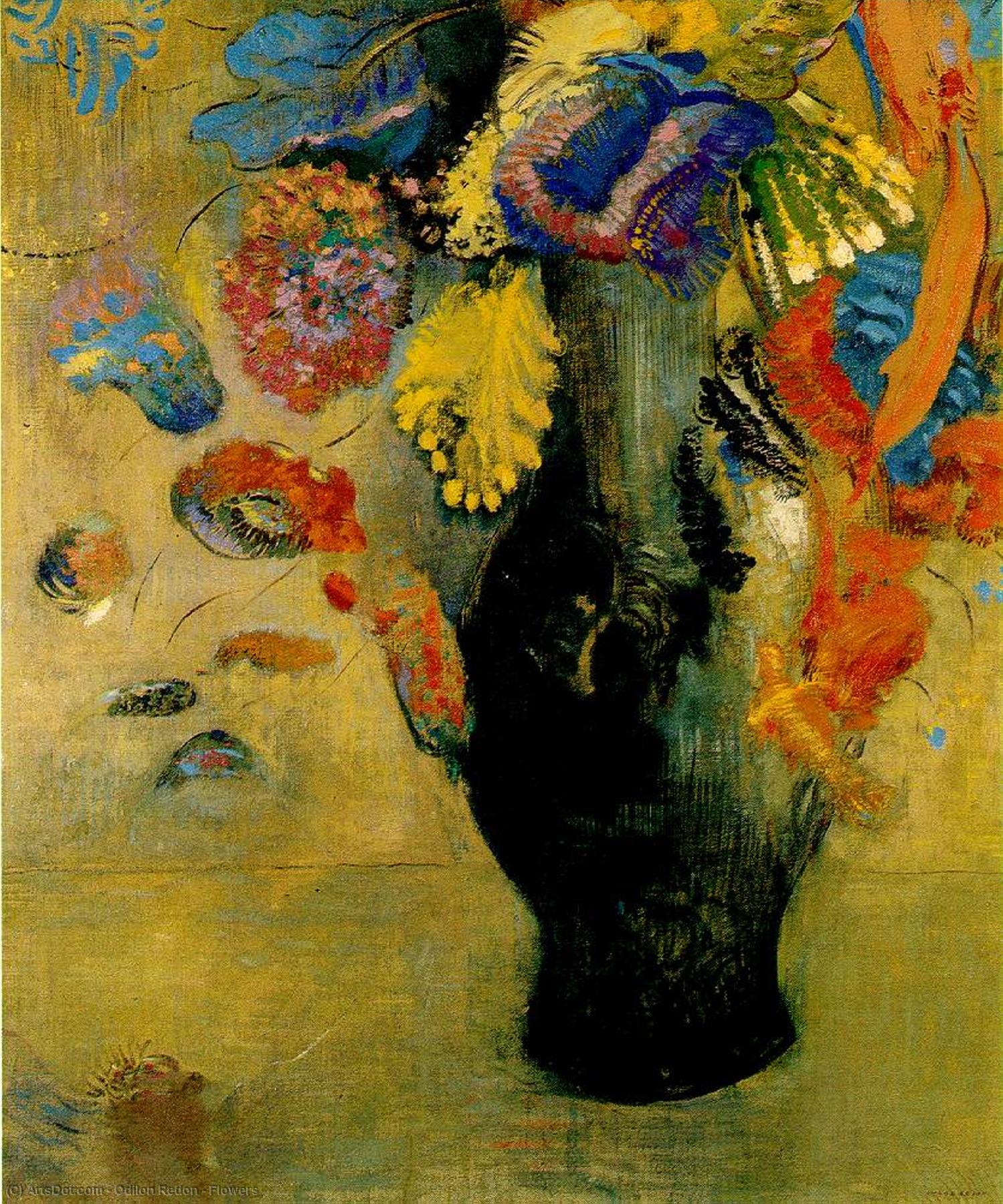
Flowers
 Acrylic On Canvas
- WallArt
- Symbolist Painting
 1905
1905 58.0 x 47.0 cm
 Kunstmuseum
 გადასართად დაწვრილებით ნახეთ
ხელით ნაკვეთი ზეთის ტილოს რეპროდუქცია
ტილოზე შესრულებული ფერწერიანი ზეთប្រდათი, თქვენთვის სასურველი ზომისა და ჩარჩოსთვის, ჩვენი ხელოვანების მიერ შეკვეთის საფუძველზე დამზადებული. ( შეიძინეთ პრინტი შეიძინეთ გამოსახულება)




P118B $10

P118H $10

P118W $10

P438Z $10

P508JH $12

P508YH $12

P805H $10

P805Z $10

P919BZ $10

P919G $10

P919XJ $10

P959ZH $10

P968JZ $12

W106C $8

W218G $10

W218JH $8

W218Y $10

W307PJ $10

W316G $10

W316PJ $8

W316Y $10

W398PJ $8

W4111J $10

W500HY $15

W500JH $15

W692G $12

W849H $8

W940BG $15

W953PJ $8




აირჩიეთ ჩვენს მიერ წინასწარ განსაზღვრული ზომებიდან, რომლებიც ნაწარმოების ორიგინალურ პროპორციებს შეესაბამება.

თქვენ შეგიძლიათ მიუთითოთ თქვენთვის სასურველი ზომები კონკრეტული ჩარჩოს ან სივრცის შესაბამისად. თუ თქვენ მიერ არჩეული ზომა არ შეესაბამება ორიგინალი გამოსახულების პროპორციებს, ჩვენ ან შევაჭრებთ ნაწარმოებს, ან ტილოზე დავამატებთ ხელით მოხატულ ელემენტებს. წარმოების დაწყებამდე, დამტკიცებისთვის გამოგეგზავნებათ ციფრული მაკეტი.
გთხოვთ, გაითვალისწინოთ, რომ ეკრანზე ნაჩვენები წინასწარი შეხედულება არ ასახავს რეალურ შეჭრას ან გაფართოებას. საბოლოო კომპოზიციას ზუსტად მხოლოდ მაკეტი წარმოაჩენს.
მიუხედავად იმისა, რომ შესაძლებელია ინდივიდუალური ზომების შერჩევა, ორიგინალური პროპორციების შენარჩუნებისათვის გირჩევთ, გამოიყენოთ წინასწარ განსაზღვრული სიის ზომები.
შეკვეთის შემდეგ, ArtsDot.com გუნდი დაგიკავშირდებათ ელექტრონული ფოსტით ინსტრუქციებისთვის და გამოგიგზავნით წინასწარ ნახაზს (mockup).
მიწოდება მსოფლიო მასშტაბით -ში 3/4 კვირაში, სტანდარტული 5 კვირის ნაცვლად. (17 აგვისტო). ხარისხზე კომპრომისის გაკეთება არ მოხდება.

უფასო ექსპრეს მიწოდება მთელ მსოფლიოში

საბამად მაღალი ხარისხის ტილო

სრული ტრანსპორტირების დაზღვევა

საბაჟო გადასახადების დაბრუნების გარანტია

ფერების სრული შესაბამისობის გარანტია

60-დღიანი დაბრუნების პოლიტიკა (მხოლოდ დეფექტის შემთხვევაში)

100% თანხის დაბრუნების გარანტია

ფასდაკლება დიდი რაოდენობით შეკვეთისას
 მინის ჩარჩოს არჩევანი ხელმისაწვდომია მხოლოდ 110 სმ-ზე ნაკლები ზომისთვის

Flowers
რეკლამაციის ტექნიკა
რეკლამაციის ზომა
-


საბოლოო ფასი
$ 263
ნაწარმოების აღწერა
Odilon Redon’s “Flowers”: A Dreamscape of Color and Subconscious
Odilon Redon's "Flowers," painted around 1905, isn’t merely a depiction of botanical beauty; it’s an immersion into the artist’s intensely personal and often unsettling inner world. This captivating work, rendered in oil on canvas, transcends simple still life, offering instead a glimpse into the realms of dream, memory, and perhaps even a touch of melancholy. Redon, a pivotal figure in the Symbolist movement, deliberately eschewed academic realism, favoring instead an evocative style that prioritized mood and suggestion over precise representation.
The painting immediately draws the eye with its vibrant yet muted palette. Deep blues and purples dominate, creating a sense of twilight or shadowed introspection. Within this subdued atmosphere, bursts of color – fiery reds, sunny yellows, and delicate greens – emerge from the arrangement of flowers within a simple black vase. These aren’t the bright, celebratory blooms of a typical still life; rather, they possess an almost otherworldly quality, as if illuminated by an unseen light source. The flowers themselves are rendered with loose, expressive brushstrokes, hinting at their fragility and suggesting a fleeting beauty.
The Influence of Symbolism and Japanese Art
Redon’s artistic journey was profoundly shaped by the Symbolist movement, which sought to express subjective emotions and ideas rather than objective reality. He was deeply influenced by artists like Gustave Moreau and Edvard Munch, both known for their exploration of psychological themes and dreamlike imagery. Furthermore, Redon developed a deep appreciation for Japanese art, particularly its emphasis on suggestion, asymmetry, and the use of color to evoke mood. This influence is evident in the painting’s flattened perspective, simplified forms, and the careful orchestration of colors – techniques borrowed from traditional Japanese prints.
Interestingly, Redon's artistic development wasn't linear. He began his career with meticulously detailed charcoal drawings, known as “noirs,” which explored themes of death, decay, and the subconscious. However, he gradually moved towards more colorful and expressive forms, embracing oil paints and pastels to capture the elusive qualities of dreams and visions. "Flowers" represents a pivotal moment in this transition, showcasing his newfound ability to translate inner experiences into tangible visual form.
Decoding the Symbolism: Flowers as Vessels of Emotion
The choice of flowers themselves is laden with symbolic meaning. Redon frequently depicted flowers in his work, often associating them with themes of mortality, beauty, and the passage of time. In "Flowers," the arrangement seems deliberately unbalanced, creating a sense of unease or instability. The dark vase acts as a container, not just for the blooms but also for the artist’s emotions – perhaps hinting at a hidden sadness or longing.
The specific colors used are equally significant. Red, often associated with passion and vitality, is tempered by the surrounding blues and purples, suggesting a delicate balance between joy and sorrow. The yellow flowers evoke feelings of hope and optimism, while the greens represent growth and renewal. It’s important to note that Redon's use of color wasn't purely decorative; he employed it strategically to create specific emotional responses in the viewer.
A Legacy of Dreamlike Visions
"Flowers" is a testament to Odilon Redon’s unique artistic vision. It’s a painting that invites contemplation, prompting viewers to delve beneath the surface and explore the depths of their own subconscious. Redon's work continues to resonate with audiences today, offering a powerful reminder of the enduring power of art to capture the intangible qualities of human experience. Reproductions of this evocative piece are highly sought after by collectors and interior designers alike, who appreciate its ability to infuse any space with a sense of mystery and beauty.
დაკავშირებული ნამუშევრები


მხატვრის ბიოგრაფია
ხილვადს მიღმა არსებული სამყარო: ოდილონი რედონის ენიგმატური ხელოვნება
ოდილონი რედონი, რომელიც 1840 წელს საფრანგეთში, ბორდოში დაიბადა (სახელად ბერტრან-ჟან რედონი), იყო მხატვარი, რომლის მთელი შემოქმედება წარმოსახვისა და სიზმრის უხილავი სამყარეოების მატერიალურ ფორმად გარდაქმნას ემსახურებოდა. მისი შემოქმედებითი გზა არა დიდ ამბიციებს, არამედ მშვიდ დაკვირვებას ეფუძნებოდა; ათი წლის ასაკში მან ხატვის პრიზი მოიგო — რაც წინასწარმეტყველური ნიშანი იყო იმ ვიზუალური სენსიტიურობისა, რომელიც მის მთელ ცხოვრებას განსაზღვრავდა. მიუხედავად იმისა, რომ ოჯახური მოლოდინების გამო თავდაპირველად არქიტექტურისკენ მიიყვანეს, რედონის ჭეშმარიტი მოწოდება სხვაგან მდებარეობდა. მას ეს გზა ჟან-ლეონ ჟერომისა და, რაც ყველაზე მნიშვნელოვანია, როდოლფ ბრესდინის სწავლებებმა გაუნათეს, რომელთაც დაეხმარნენ ეტჩინგისა და ლითოგრაფიის რთულ ხელოვნებაში დახვეწილობაში. ეს ტექნიკები საფუძვლად დაედო მის ადრეულ კვლევებს და საშუალება მისცა, შეერკვა ჩრდილოვან ფიგურებსა და ბუნდოვან ფორმებში დამალულ სამყადმოში, რამაც მოგვიანებით აკადემიური რეალიზმის ალტერნატივის მაძიებელთაც კი მოხიბლა. საფრანგეთ-პრუსეთის ომმა რედონის ცხოვრება დროებით შეაფერხა და მას სამხედრო სამსახურში გაატარა, თუმცა სწორედ პარიზში დაბრუნების შემდეგ დაიწყო მისი მხატვრული ხედვის ნამდვილი ფორმირება.სიმბოლიზმის დაბადება: „ნუარები“ და ადრეული ხედვები
რედონის ადრეული კარიერა ხასიათდებოდა შეგნებული დისტანცირებითte დომინანტური მხატვრული ტენდენციებისგან. იგი არ ცდილობდა ხილვადი სამყაროს რეპლიკაციას, არამედ ცდილობდა გამოეყვანა მისი ფარული ნაკადები — შფოთვა, სურვილი და სულიერი ლტოლვა, რომლებიც ყოველდღიურობის ზედაპირს მიღმა იმალება. ამან წარმოშვა მისი სახელovანი „ნუარების“ (noirs) სერია — მონოქრომული ნამუშევრები, შესრულებული ნახშირით და ლითოგრაფიით. ეს არ იყო მხოლოდ სიბნელის შესწავლა; ეს იყო ქვეცნობიერის კვლევა, რომელიც სავსე იყო უცნაური არსებებით, დაუღუპავი თვალებითა და მობნელებული ნისლისგან ამოსული გამჭრელი ფიგურებით. აქ აშკარა არის ისეთი მწერლების გავლენა, როგორებიცაა ედგარ ალან პო და შარლ ბოდლერი — საერთო გატაცება მაკაბრულით, მისტიკითა და შთაგონების ძლიერებით. ეს ნამუშევრები მაშინვე არ იქნა აღიარებული; რედონი წლების განმავლობაში ნაკლებად ცნობილი დარჩა. თუმცა, გადამწყვეტი მომენტი 1884 წელს დადგა ჟორის-კარლ ჰუისმანის რომანთან *„À rebours“* (წინააღმდეგ ბუნებისა) დაკავშირებით, სადაც დეკადენტმა არისტოკრატმა დე ესეინტესმა რედონის ნახატებს მხარი დაუჭირა, რამაც მომენტალურად აამაღლა მისი სტატუსი ავანგარდულ წრეებში. ამ აღიარებამ რედონს საშუალება მისცა, განვითარებულიყო საკუთარ უნიკალურ ენაში, რომელსაც იგი აღწერდა, როგორც ბუნდოვანს და განუწარმოებელს, რაც „მუსიკის მსგავსად, ჩვენ დაგვსვამს დაუზუსტებელი და неоგანსაზღვრელი სფეროს“.ფერების გამოღვიძება: მონოქრომიდან დინამიკურ ექსპრესიამდე
მიუხედავად იმისა, რომ „ნუარებმა“ რედონი სიმბოლიზმის მნიშვნელოვან ძალად აქციეს, 1890-იან წლებში მის ხელოვნებას რამგვარი ტრანსფორმაცია გადაჰკვეთა. მან დაიწყო ფერების გამოყენება — ჯერ პასტელებით, შემდეგ კი ზეთებით — რაც მის კომპოზიციებს ახალ სიცოცხლესა და სინათლეს სძენდა. ეს ცვლილება მხოლოდ ტექნიკური არ ყოფილა; ის ასახავდა მხატვრის შიდა ემოციური ლანდშაფტის განვითარებას. ადრეული ნამუშევრები ხშირად მელანქოლიისა და იზოლაციის შეგრძნებით იყო გაჯერებული, თუმცა გვიანდელი ტილოები აჩვენებს მზარდ ინტერესს მითოლოგიის, ბუდიზმისა და იაპონური ხელოვნების მიმართ — *იაპონური სტილი* (Japonism) მის შემოქმედებაზე უდიდესი გავლენა იქონია. ისეთი ნამუშევრები, როგორიცაა *„ბუდას სიკვდილი“* (1899), მოწმობს ამ აღფრთოვანებას აღმოსავლური სულიერების მიმართ, ხოლო ბარონ რობერ დომესის მიერ მისი სასახლისთვის შეკვეთილი ნამამ demonstrera რედონის უნარს, დეკორატიული ელემენტები სიმბოლურ გამოსახულებებთან შეეჯერებინა. ბარონესა დე დომესისა და მისი ქალიშვილის, ჟენის პორტრეტები ამ პერიოდის განსაკუთრებით შთამბეჭდავი მაგალითებია, რომლებიც აფიქსირებს არა მხოლოდ ფიზიკურ მსგავსებას, არამედ შინაგანი ცხოვრებისა და ფსიქოლოგიური სიღრმის განცდასაც. რედონი თავის ხელოვნებაში იკვლევდა შინაგან გრძნობებსა და ფსიქიკას, რათა მიეღწია მიზნამდე: „ხილვადი უხილავის სამსახურში დაგვსვას“.მემკვიდრეობა და გავლენა: სურრეალიზმის წინამორბენი
ოდილონი რედონის გავლენა ხელოვნების სამყაროზე საკუთარ ეპოქაზე ბევრად მეტია. 1903 წელს იგი „ლეგიონის ორდენით“ დაჯილდოვდა, ხოლო მისი შემოქმედება უფრო ფართო აღიარება მოიპოვა 1913 წლის ნიუ-იორკის „Armory Show“-ის გამოფენებზე. თუმცა, მისი ჭეშმარიტი მნიშვნელობა მხოლოდ 1916 წელს, სიკვდილის შემდეგ გახდა სრულად აშკარა. რედონის კვლევამ სიზმრების, ქვეცნობიერისა და ირაციონალურობის თემებზე საფუძველი ჩაუყარა სურრეალიზმს და შთაგონების წყაროდ იქცა მარსელ დუშამპისა და მაქსერ ერნსტის მსგავსი ხელოვანებისთვის. მისი აქცენტი სუბიექტურ გამოცდილებასა და ემოციურ ექსპრესიას ექსპრესიონისტულ მხატვრებზეც მოახდინა გავლენა. იგი არ ახდენდა მხოლოდ იმის გამოსახვას, რასაც ხედავდა; იგი ვიზუალიზაციას უკეთებდა იმას, რასაც გრძნობდა — პრინციპს, რომელიც დღესაც შთაგონების წყაროა. რედონის მემკადვე არის მხატვრული სიმამაცის, ბუნდოვანების მიღების მზაობისა და იმ ღრმა რწმენისა, რომ ხელოვნებას ადამიანური გამოცდილების ფარული განზომილებების გამოვლენის ძალა გააჩნია. მისი ნახატები უარყოფდნენ კლასიფიკაციას და შემოიტანეს ფანტასტიკური გამოსახულებების უნიკალური ტიპი, რომელიც შობილი იყო სენითა და დელირიუმით, თუმცა ყოველთვის სავსე იყო გამჭრელი სილამაზით.ძირითადი მახასიათებლები და თემები
- სიმბოლიზმი: რედონი სიმბოლისტური მოძრაობის ცენტრალურ ფიგურად მიიჩნევა, რომელიც რეალისტურ რეპრეზენტაციაზე ემოციურ და სულიერ გამოხატვას ამჯობინებდა.
- სიზმრისეული გამოსახულებები: მისი ნამუშევრები ხშირად ხასიათდება ფანტასტიკური არსებებით, ბუნდოვანი ლანდშაფრებითა და სცენებით, რომლებიც სიზმრის ატმოსფეროს ქმნიან.
- ქვეცნობიერის კვლევა: რედონი იკვლევდა შფოთვის, სურვილისა და ადამიანის ფსიქიკის ფარული სიღრმეების თემებს.
- ლიტერატურისა და მითოლოგიის გავლენა: იგი შთაგონებას იღებდა ისეთი მწერლებისგან, როგორებიცაა პო და ბოდლერი, ასევე აღმოსავლური რელიგიებისა და მითოლოგიიდან.
- ტექნიკური ინოვაცია: რედონის ოსტატობა ლითოგრაფიაში და ფერების ინოვაციური გამოყენება პასტელებსა და ზეთებში გადამწყვეტი იყო მისი მხატვრული ხედვისთვის.

ოდილონი რედონი
1840 - 1916 , საფრანგეთი
მოკლე ინფორმაცია
- Artistic Movement Or Style: სიმბოლიზმი
- Artists Or Movements Influenced By This Artist: ['სურრეალიზმი']
- Artists Who Influenced This Artist:
- ჟან ლეონი გერომე
- როდოპჰ ბრესდინი
- Date Of Birth: 1840 წელი
- Date Of Death: 1916 წელი
- Full Name: Odilon Redon
- Nationality: ფრანგილია
- Notable Artworks: ['სამთავარი ნაწავები']
- Place Of Birth: ბორდო და França
დაკავშირებული სტატიები
Crimson Threads of Narrative: Exploring Symbolism & Representation in Artworks Featuring the Red Dress
Explore the rich symbolism of the red dress in art history! From ancient power displays to iconic portraits like Cézanne’s 'Madame Cezanne', discover the cultural and artistic significance behind this captivating color. Expert analysis & insights.

Impressionism's Masterpieces: 10 Paintings That Defined a Movement | ArtsDot
Journey through Impressionism's heart with 10 iconic paintings by Monet, Renoir & Degas. Explore light, color & the stories behind these masterpieces. Find museum-quality art reproductions and elevate your home decor on ArtsDot.com.

პოლ სეზანის 25 შედევრი: ხელოვნების ისტორიაში გამორჩეული ნაწარმოებები | ArtsDot.com
აღმოაჩინეთ პოლ სეზანის 25 გამორჩეული შედევრი! იმპრესიონიზმი, პოსტიმპრესიონიზმი და კუბიზმის წინასწარმეტყველი. ნახატების ისტორია, ტექნიკა და შთაგონება ArtsDot.com-ზე. 🖼️ ხელოვნების ბეჭვრა მუზეუმის ხარისხით.

Blossoming Symbolism: A Historical Journey Through Flowers in Western Painting
Explore the rich history of flower symbolism in Western painting! Discover how artists from the Renaissance to Modernism used blossoms to convey meaning, emotion & beauty. Learn about iconic artworks and movements.

Fleeting Moments & Radiant Light: Exploring the Enduring Legacy of Impressionism
Explore the captivating world of Impressionism! Discover its history, key artists like Monet & Renoir, defining techniques, and lasting impact on modern art. Expert insights for collectors.


