

 ნახვა ინტერьерში
 გაგზავნა
 გაზიარება
 დეტალები
 გზამკვლევი

 ჩამოტვირთვა
 მსგავსები
 რენტგენოგრაფიული კვლევა
 სლაიდშოუ
 Q&A
Q&A სტატისტიკა
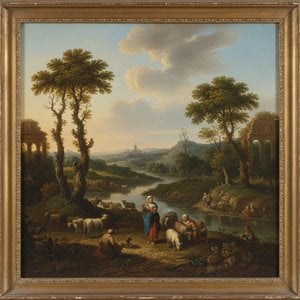
Landscape with orpheus and eurydice


 სრული ტექსტის ნახვა
გიკლე / ხელოვნების პრინტი
მუზეუმის დონის ჟიკლე ან ტილოზე ბეჭდვა სწრაფი წარმოებისა და დასრულების მოქნილი ვარიანტებით. ( შეიძინეთ ხელით შესრულებული ნახატი გადასვლა ციფრულ გამოსახულებაზე)




P118B ₾10

P118H ₾10

P118W ₾10

P438Z ₾10

P508JH ₾12

P508YH ₾12

P805H ₾10

P805Z ₾10

P919BZ ₾10

P919G ₾10

P919XJ ₾10

P959ZH ₾10

P968JZ ₾12

W106C ₾8

W218G ₾10

W218JH ₾8

W218Y ₾10

W307PJ ₾10

W316G ₾10

W316PJ ₾8

W316Y ₾10

W398PJ ₾8

W4111J ₾10

W500HY ₾15

W500JH ₾15

W692G ₾12

W849H ₾8

W940BG ₾15

W953PJ ₾8




აირჩიეთ ჩვენს მიერ წინასწარ განსაზღვრული ზომებიდან, რომლებიც ნაწარმოების ორიგინალურ პროპორციებს შეესაბამება.

შეიყვანეთ თქვენთვის საჭირო სიგანე და სიმაღლე, რათა იგი მოერგოს თქვენს ჩარჩოს ან კედელს. ბეჭდვისას შესაძლებელია მხოლოდ მისი შემცირება და არა გაზრდა, ამიტომ სხვა ფორმის ზომის შემთხვევაში გამოსახულება ნაწილობრივ იკარგება. სანამ რაიმეს დაბეჭდავთ, ჩვენ გამოგიგზავნით ციფრულ მაკეტს დასდასტურებლად. ამ გვერდზე ნაჩვენები სურათი არ ასახავს რეალურ ჭრას — ამას მხოლოდ მაკეტი გვიჩვენებს.
მიწოდება მთელ მსოფლიოში () 2 კვირაში, სტანდარტული 4/5 კვირის ნაცვლად. (3 ნოემბერი)

უფასო ექსპრეს მიწოდება მთელ მსოფლიოში

მაღალი ხარისხის ტილო

ტრანსპორტირების სრული დაზღვევა

საბაჟო გადასახადების დაბრუნების გარანტია

ფერების სრული შესაბამისობის გარანტია

დაბრუნების 100-დღიანი პერიოდი (მხოლოდ წარმოების დეფექტის შემთხვევაში)

100% თანხის სრული დაბრუნების გარანტია

ფასდაკლება დიდი რაოდენობით შეკვეთისას
 მინის ჩარჩოს არჩევანი ხელმისაწვდომია მხოლოდ 110 სმ-მდე ზომისთვის

Landscape with orpheus and eurydice
გიკლე / ხელოვნების პრინტი
რეპროდუქციის ზომა
-


ჯამური ღირებულება
₾ 161
A Pastoral Elegy: Nicolas Poussin’s *Landscape with Orpheus and Eurydice*
This captivating landscape by Nicolas Poussin (1594-1665) is more than just a beautiful scene; it's a poignant visual interpretation of the classical myth of Orpheus and Eurydice, rendered with the refined elegance characteristic of French Baroque painting. Painted around 1650, the artwork resides in the Louvre Museum and exemplifies Poussin’s mastery of composition, color, and narrative storytelling.Decoding the Myth & Historical Context
The story of Orpheus, the legendary musician who descends into the underworld to retrieve his beloved Eurydice, is a timeless tale of love, loss, and the power of art. Poussin doesn’t depict the dramatic moment of their journey *from* the Underworld, but rather a serene, almost melancholic pause *during* it. This choice is crucial. He focuses on the fragile hope and inherent uncertainty within the myth – Orpheus leading Eurydice forward, yet unable to look back as per Hades' condition. Poussin’s career unfolded during a period where classical themes were experiencing a significant revival, particularly among French artists seeking to establish a distinctly national style rooted in intellectual rigor and order. He spent most of his working life in Rome, but remained deeply connected to the artistic ideals of France.Visual Analysis: Style & Technique
Poussin’s style is immediately recognizable for its clarity, balance, and emphasis on linear perspective. The composition is carefully structured around a pyramidal form – drawing the eye from the distant castle, across the gently rolling hills, down to the figures of Orpheus and Eurydice in the foreground. This compositional device creates depth and guides the viewer’s gaze through the landscape.- Color Palette: The painting is dominated by a muted palette of earthy tones – browns, greens, and blues – creating a sense of tranquility and timelessness. Warmer hues are subtly introduced in the figures' clothing and within the sky, adding visual interest without disrupting the overall harmony.
- Brushwork & Texture: Poussin’s technique is characterized by meticulous brushwork and glazing, building up layers of paint to achieve luminous effects and subtle color transitions. The textures are layered, suggesting foliage, water, and architectural elements with remarkable detail.
- Light & Shadow: Dramatic lighting illuminates the figures, casting shadows that enhance the scene’s three-dimensionality and contribute to its emotional depth. The light isn't harsh but rather diffused, lending a soft glow to the pastoral setting.
Symbolism Woven into the Landscape
Poussin imbues his landscape with symbolic meaning:- The River: Represents the journey of life and, in this context, the passage between worlds – a liminal space for Orpheus and Eurydice.
- The Castle & Bridge: Symbolize civilization, power, and perhaps the unattainable ideal. They stand as distant markers of the world Orpheus is attempting to rejoin with Eurydice.
- Musical Instruments: Represent harmony, art, and the power of music itself – Orpheus’s defining attribute and his means of navigating both worlds.
Emotional Resonance & Lasting Influence
*Landscape with Orpheus and Eurydice* evokes a sense of quiet contemplation and melancholic beauty. It's not a scene of triumphant joy, but rather one of fragile hope tinged with the awareness of potential loss. Poussin’s ability to convey such complex emotions through landscape is remarkable. His work profoundly influenced generations of artists, including Jacques-Louis David and Paul Cézanne, who admired his compositional rigor and intellectual approach to painting. This artwork remains a powerful testament to the enduring appeal of classical mythology and Poussin’s exceptional artistic vision – a piece that invites viewers to reflect on themes of love, loss, and the ephemeral nature of existence.კითხვები და პასუხები
სად არის რეკომენდებული "Landscape with orpheus and eurydice"-ის განთავსება, მისი პალიტრის გათვალისწინებით?
Earthy პალიტრის წყალობით, ნიკოლა პუსენი-ის „Landscape with orpheus and eurydice“ რეკომენდებულია Living Room-ისთვის. სწორედ ფერები განაპირობებს ამ რეკომენდაციას.
ვინ არის „Landscape with orpheus and eurydice“-ის ავტორი?
„Landscape with orpheus and eurydice“ მიკუთვნებულია ნიკოლა პუსენი-ს.
რა ზომის Landscape with orpheus and eurydice რეკომენდებულია Living Room-ისთვის?
ნიკოლა პუსენი-ის „Landscape with orpheus and eurydice“-ისთვის რეკომენდებული კომბინაციაა: Large ზომის ბეჭდური ნამუშევარი Living Room-ისთვის.
მსგავსი ნამუშევრები


მხატვრის ბიოგრაფია
ნიკოლა პუსენი: კლასიკური იდეალების მცველის ბიოგრაფია
ნიკოლა პუსენი, ფრანგი რენესანსული მხატვრის სახელწოდება, რომლის შემოქმედებასაც საფრანგეთის ხელოვნების განვითარებაში უდიდესი როლი დაედო, დღემდე აღფრთოვანებს მსოფლიოს. 1594 წლის ივნისში, ნორმანდიის პროვინციის ანდელების მახლობლად დაბადებული პუსენი, თავისი ცხოვრების უმეტესი ნაწილი რომში გაატარა, სადაც ისტორიული და მითოლოგიური თემებზე შესრულებულ ტილოებს ქმნიდა. მისი ნამუშევრები ხასიათდება სიმარჯვემდე განზომილებული კომპოზიციებით, მკაფიოდ განსაზღვრული ხაზებით და ფერების ჰარმონიულმაგვარობით, რაც მას კლასიკურ ხელოვნებასთან უშუალო კავშირს აძლევს. პუსენის ადრეული ნაშრომები ტიციანის ვენეციური სკოლის გავლენას იჩვენებს, თუმცა მალევე მან ეს სტილი εγκαταუვა და უფრო რაციონალური და დისციპლინირებული მიდგომა გამოაცხადა, რომელიც რაფაელის კლასიკურ იდეალებზე იყო დაფუძნებული.რომის წლები: კლასიკური იდეალების დამკვეთება
რომი პუსენისთვის მხოლოდ სტუდია არ ყოფილა; ეს მისი ინტელექტუალური საწარმოო ცენტრი გახდა. ის იმჟამინდელი მეცნიერებს, არქეოლოგებსა და სხვა მხატვრებთან ურთიერთობაში იყო ჩართული, განსაკუთრებით კასიანო დარ პოცოსთან, რომლის უღრმესი ცოდნა ანტიკური სამყაროს შესახებ ხელოვანიზე დიდ გავლენას ახდენდა. დარ პოცოს ძალისხმევითი მუშაობა αρχαίων μνημείων დეტალური აღწერით, პუსენს ისტორიული სიამდვილისადმი ს respeto და მის ტილოებში სამუდაგო მნიშვნელობის 부여ების სურვილი უყარა კვალი. სწორედ ამ პერიოდში პუსენი იმხოვრებოდა ფანცაბიონტური ზედმეტილობიდან და უფრო მკაფიო, დაბალანსებული და ხაზოვანი კომპოზიციებისკენ მიმართავდა. ის სიძულებით ვისწავლობდა რაფაელის ნაშრომებს, მის ჰარმონიულ წყობასა და გრაციოზულ ფორმებს ითვისებდა, პარალელურად კი ძველი ქანდაკებებისგანაც შთამოსაზღვრებას პოულობდა.ისტორიული, მითოლოგიური და რელიგიური თემები
პუსენის შემოქმედება წარმოუდგენლადหลากหลาย იყო, მაგრამ მას ყველაფერს აერთიანებდა კლასიკურ იდეალებისადმი ერთგვანება. ის ხშირად აღწერდა ძველი ისტორიიდან მომავალი ეპიზოდებს – მაგალითად, გერმანიკუსის ტრაგიკულ ბედს, სადაც სიმამაცესა და მორალურ ძალას უნახავს. მისი მითოლოგიური ტილოები არ იყო მხოლოდ ცნობილი მოთხრობების გადამეოხება; ეს ადამიანის ბუნების შესწავლა იყო, ხშირად ალეგორიული მნიშვნელობით გაჯერებული. *არკადიის* სერია, განსაკუთრებით მისი გამორჩეული ნაწილი *Et in Arcadia ego*, მის ფილოსოფიურ სიღრმეს სიმბოლურად წარმოადგენს, რომელიც სიცოცხლის ხანმოძიებლობისა და მეხსიერების განუვალ ძალას იკვლევს. რელიგიური თემებზე მუშაობი დროსაც პუსენი კლასიკურ თავშეკავებას ინარჩუნებდა, ზედმეტი ემოციურობისგანარიგება გონიერი და საფიქრო წარმოდგენის სასარგებლოდ. მოგვიანებით, მისი შემოქმედებაში უფრო მეტად აყვავდნენ ფართო პეიზაჟები, რომლებიც რეალიზმს იდეალიზებულ ფორმებთან ერწყმის გზით ჰარმონიულ და მშვიდობიან სურათებს ქმნიდა.შემორჩენილი მემკვიდრეობა: საფრანგეთის ხელოვნების ფორმირება
მიუხედავად იმისა, რომ პუსენი თავისი კარიერის უმეტესი ნაწილი საზღვარგუნეთში გაატარა, მისი გავლენა საფრანგეთის ხელოვნებაზე უდიდესი იყო. 1640 წელს იგი მოკლე ხნით საფრანგეთს επιστρέφει და კარდინალ რიშელიუს მიერ სამეფო მხატვრად დაინიშნა, თუმცა სასახლის მოთხოვნებმა და ინტრიგებმა მას შეაფერხა. მალევე ის კვლავ რომში დაბრუნდა და იქამდე συνέχίζει να ζωγραφίζει, სანამ 1665 წელს გარდაცვალების დრო არ 찾아왔ა. კლასიკურ პრინციპებზე მისი ერთგვანება საფრანგეთში მხატვრების სწავლისა და საქმიანობის სტანდარტის დასაზოგვერებას უწყობდა ხელს, გენერაციების მხატვრებს ზემოქმედებას უკონკლუენტო. ისAcadémie Royale de Peinture et de Sculpture-ის წევრი გახდა, რაც მისი პოზიციის განმტკიცებას საფრანგეთის კლასიციზმის ერთ-ერთი მნიშვნელოვანი ფიგურად უზრუნველყოფდა. ჟაკ-ლუი დავიდი და პოლ სეზანი ხშირად გამოხატავდნენ მის მიმართ აღფრთოვანებას, რაც მისი მემკვიდრეობის სიმძლერის 증거ა. მისი მემკვიდრეობა 단순మైన стилистического имитации-ისგან πολύ περισσότερο είναι; ეს არის კლასიკური იდეალებისადმი ერთგვანება – მხატვრის 증거, რომელმაც არა მხოლოდ სამყაროს აღწერა სურდა, არამედ მას ბრძნულებითა და زیباییთ აყვავებდა.- σημαντικά έργα: *Γερμανικού του θάνατος*, *Η σειρά των επτά μυστηρίων*, *Ένας Ρωμαϊκός δρόμος*, *Ο τυφλός Ωρίωνας*, *Οι εποχές*.
- Βασικά χαρακτηριστικά: Κλασική σύνθεση, γραμμικότητα, ιστορικά και μυθολογικά θέματα, ήρεμες τοπίες.

ნიკოლა პუსენი
1594 - 1665 , Франция
მოკლე ფაქტები
- Artistic Movement Or Style: ბაროკო, კლასიციზმი
- Artists Or Movements Influenced By This Artist:
- ჟაკ-ლუი დავიდი
- პოლ სეზანი
- Artists Who Influenced This Artist:
- რაფაელი
- ტიციანი
- Date Of Birth: 1594 წლის 24 ივნისი
- Date Of Death: 1665 წლის 19 ნოემბერი
- Full Name: ნიკოლა პუსენი
- Nationality: ფრანგი
- Notable Artworks:
- Germanicus-ის სიკვდილი
- წირვის საიდუმლოება
- რომაული გზი
- Orion Blinded
- The Seasons
- Place Of Birth: ლე 안დელი, საფრანგეთი
მსგავსი სტატიები

როμανტიზმის ეპოქის ტენდერება: საუკეთესო 10 შედევრი, რომელმაც განსაზღვრა ლანშაფტური მხატვრობა
აღმოფრთოვანდით რომანტიზმის ეპოქის 10 საუკეთესო ლანშაფტური შედევრით! ტერნერი, კორტო და სხვა მხატვრების ნაწარმოებები. იხილეთ მათი ისტორია და აღმოგეყვინებათ ხელოვნების márgali. შეიძინეთ მაღალი ხარისბის რესტავრაციული ასლები ArtsDot.com-ზე!

ჯონ კონსტებლის 25 საუკეთესო შედევრი | ხელოვნების რეკრეაციები ArtsDot-ზე
გაიცანით ჯონ კონსტებლის 25 საუკეთესო შედევრი! ინგლისური პეიზაჟების ისტორია, XIX საუკუნის ხელოვნება და ArtsDot-ზე ხელოვნების უნიკალური კოლექცია. შეიძინეთ ხარისხიანი რეკრეაციები სახლის დეკორაციისთვის. აღმოაჩინეთ სრულყოფილი შეფერილი ტილოები ArtsDot.com-ზე!

Nicolas Poussin: Classicism, Allegory & Order in 17th-Century French Painting
Explore the life & work of Nicolas Poussin, a master of French Classicism. Discover his allegorical paintings, Roman influences, and enduring impact on art history. Expert analysis & insights.

Evocations of Place: A Historical Journey Through Landscape Art
Explore the rich history of landscape art with ArtsDot. Discover renowned artists, movements like Impressionism & Romanticism, and expert guidance for collecting timeless pieces. Find your perfect serene escape today!
Nicolaes Berchem: Dutch Golden Age Pastoralism & the Evolution of Landscape Painting
Explore the captivating world of Nicolaes Berchem, a leading Dutch Golden Age painter. Discover his idyllic landscapes, masterful technique & lasting influence on art history. Learn more at ArtsDot.


