


 ნახვა ინტერьерში
 გაგზავნა
 გაზიარება
 დეტალები
 გზამკვლევი

 ჩამოტვირთვა
 მსგავსები
 რენტგენოგრაფიული კვლევა
 სლაიდშოუ
 სტატისტიკა
Triptych
 Oil On Panel
- Early Renaissance
 1461
1461- Renaissance
 175.0 x 134.0 cm
 Galleria degli Uffizi
 სრული ტექსტის ნახვა
ხელით შესრულებული ზეთის საღებავით რეპროდუქცია
ტილოზე შესრულებული ფერწერიანი ზეთប្រდათი, თქვენთვის სასურველი ზომისა და ჩარჩოსთვის, ჩვენი ხელოვანების მიერ შეკვეთის საფუძველზე დამზადებული. ( გადართვა ბეჭდვის რეჟიმზე გადასვლა ციფრულ გამოსახულებაზე)




P118B ₾10

P118H ₾10

P118W ₾10

P438Z ₾10

P508JH ₾12

P508YH ₾12

P805H ₾10

P805Z ₾10

P919BZ ₾10

P919G ₾10

P919XJ ₾10

P959ZH ₾10

P968JZ ₾12

W106C ₾8

W218G ₾10

W218JH ₾8

W218Y ₾10

W307PJ ₾10

W316G ₾10

W316PJ ₾8

W316Y ₾10

W398PJ ₾8

W4111J ₾10

W500HY ₾15

W500JH ₾15

W692G ₾12

W849H ₾8

W940BG ₾15

W953PJ ₾8




აირჩიეთ ჩვენს მიერ წინასწარ განსაზღვრული ზომებიდან, რომლებიც ნაწარმოების ორიგინალურ პროპორციებს შეესაბამება.

შეიყვანეთ თქვენთვის საჭირო სიგანე და სიმაღლე, რათა ნახატი მოერგოს თქვენს ჩარჩოს ან კედელს. ვინაიდან ეს ნამუშევარი ხელით არის შესრულებული, სხვა ფორმის ზომის შემთხვევაში, მხატვარმა შესაძლოა სურათის გარშემო ოდნავ მეტი დატოვოს ან შეამციროს — არჩევანი თქვენზეა. დაწყებამდე, დასამტკიცებლად, ჩვენ გამოგიგზავნით ციფრულ მაკეტს. ამ გვერდზე ნაჩვენები სურათი არ ასახავს რეალურ შედეგს — რეალური სახე მხოლოდ მაკეტზე ჩანს.
შეკვეთის შემდეგ, ArtsDot.com გუნდი დაგიკავშირდებათ ელექტრონული ფოსტით ინსტრუქციებისთვის და გამოგიგზავნით წინასწარ ნახაზს (mockup).
მიწოდება მსოფლიო მასშტაბით -ში 3/4 კვირაში, სტანდარტული 5 კვირის ნაცვლად. (21 ოქტომბერი). ხარისხზე კომპრომისის გაკეთება არ მოხდება.

უფასო ექსპრეს მიწოდება მთელ მსოფლიოში

მაღალი ხარისხის ტილო

ტრანსპორტირების სრული დაზღვევა

საბაჟო გადასახადების დაბრუნების გარანტია

ფერების სრული შესაბამისობის გარანტია

დაბრუნების 100-დღიანი პერიოდი (მხოლოდ წარმოების დეფექტის შემთხვევაში)

100% თანხის სრული დაბრუნების გარანტია

ფასდაკლება დიდი რაოდენობით შეკვეთისას
 მინის ჩარჩოს არჩევანი ხელმისაწვდომია მხოლოდ 110 სმ-მდე ზომისთვის

Triptych
რეპროდუქციის ტექნიკა
რეპროდუქციის ზომა
-


ჯამური ღირებულება
₾ 686
A Divine Narrative in Wood and Pigment
Behold this magnificent triptych, a profound meditation on the life of Jesus Christ, executed by the master hand of Nicolas Froment in 1461. This work is not merely a depiction; it is a devotional journey across three pivotal moments of Christian history—the serene beginnings, the agonizing sacrifice, and the triumphant dawn of resurrection. The sheer narrative scope contained within these panels invites the viewer into an intimate dialogue with sacred storytelling. From the gentle glow surrounding the Nativity scene in the first panel, where Mary cradles the infant Jesus amidst shepherds and angels, to the dramatic tension etched into the crucifixion tableau, and finally to the radiant emergence from the tomb, each segment pulses with untold human drama and divine mystery.
Mastery of the Early Renaissance Style
Nicolas Froment stands at a fascinating crossroads in art history—a painter whose work beautifully bridges the lingering grace of the Gothic tradition with the burgeoning naturalism whispered by Flemish influences. His technique, characteristic of the Second School of Avignon, allows for an astonishing level of detail while maintaining a spiritual resonance. Observe the figures: they are not static icons but breathing participants. The drapery falls with convincing weight, and the faces carry distinct, palpable emotions—a mixture of awe, sorrow, piety, and wonder. This commitment to naturalism, coupled with the vibrant palette achieved through meticulous hand-painting, gives the entire piece an immediate, almost tangible presence that transcends its age.
Symbolism and Emotional Resonance
The symbolism woven throughout this triptych is rich and deeply layered. The progression from birth to death to resurrection encapsulates the core tenets of Christian faith—the cycle of sacrifice leading inevitably to eternal life. Each figure, whether a Roman soldier, a grieving disciple, or an angelic messenger, carries symbolic weight. For the modern collector or decorator, owning such a piece means acquiring more than just art; it is acquiring a focal point for contemplation and spiritual reflection. The vibrant colors are employed not just for beauty, but to heighten the emotional stakes of each scene, drawing the eye through the narrative arc.
A Statement Piece for Any Grand Interior
Measuring 175 x 134 cm, this triptych possesses a commanding presence. It is designed to anchor a significant space—perhaps a grand hall, a library, or a chapel-inspired room. While the original wood paneling speaks of centuries of history, acquiring a high-quality reproduction allows you to integrate this monumental piece of art into your contemporary décor with confidence. The depth and complexity of Froment’s vision ensure that it will remain a captivating centerpiece, drawing admiration for its masterful execution and profound subject matter.
კითხვები და პასუხები
რამდენად მკვეთრი კონტრასტია Nicolas Froment-ის „Triptych“-ში?
Nicolas Froment-ის „Triptych“-ის კონტრასტის დონე არის Balanced.
რა ფერల პალიტრაა გამოყენებული Nicolas Froment-ის „Triptych“-ში?
წარმოიდგინეთ, რომ „Triptych“-ის ფერები ქმნიან Earthy პალიტრას. ეს კლასიფიკაცია აღწერს დომინანტურ ფერთა ჯგუფებს.
სად შემიძლია ვიყიდო Nicolas Froment-ის „Triptych“-ის ხელით ნათესლი?
"Triptych" ხელმისაწვდომია, როგორც ლენის ტილოზე შესრულებული ზეთწარმოთი, ხელით ნათესლით. შეკვეთის განთავსება და ზომების არჩევა შესაძლებელია მისი ხელით ნათესლიერი რეპროდუქცია გვერდის მეშვეობით.
მსგავსი ნამუშევრები


მხატვრის ბიოგრაფია
Nicolas Froment: A Flemish Echo in Early Renaissance Provence
Nicolas Froment (c. 1435 – c. 1486) stands as a pivotal figure within the Second School of Avignon, marking a crucial juncture between Gothic tradition and burgeoning Flemish naturalism in French art during the fifteenth century. Born in Uzès, France, Froment’s artistic trajectory coincided with an era profoundly impacted by papal patronage and the allure of Italian Renaissance ideals—a dynamic that fueled stylistic experimentation and ultimately cemented his place as one of Provence's most celebrated painters.- Early Life & Training: Precise biographical details surrounding Froment’s formative years remain elusive, contributing to ongoing scholarly debate regarding his artistic origins. However, evidence suggests he honed his skills in Paris under the tutelage of Jean Fouquet, a prominent Gothic artist whose influence undeniably shaped Froment's initial stylistic sensibilities.
- The Avignon School & Flemish Influence: Froment’s involvement with the Second School of Avignon—a collective striving to revitalize artistic expression amidst papal exile—was instrumental in introducing Flemish painting techniques into France. Artists like Rogier van der Weyden and Hugo van der Goes had revolutionized European art with their masterful depictions of realism, emotional intensity, and meticulous detail—principles that Froment skillfully adopted.
Notable Works & Artistic Style
Froment’s oeuvre is characterized by a distinctive blend of Gothic elegance and Flemish naturalism. He achieved considerable renown for his monumental altarpiece commissioned in Aix-en-Provence for Catherine Spifami, depicting the Passion of Christ and incorporating scenes from Mary Magdalene's life—a testament to the prevailing devotional fervor of the time. Particularly noteworthy is “The Burning Bush,” a panel painting housed at the Metropolitan Museum of Art in New York, showcasing Froment’s masterful command of color and texture. The composition captures the dramatic moment of Moses encountering God amidst flames, embodying profound spiritual symbolism.- "The Burning Bush" exemplifies Froment's ability to convey emotion through meticulous observation and skillful brushwork—a hallmark of Flemish painting.
- His retable des Pérussis, also located at the Metropolitan Museum of Art, further demonstrates his engagement with Flemish naturalism, presenting a vibrant portrayal of the adoration of the Holy Cross.
Legacy & Historical Significance
Despite challenges in definitively attributing numerous works to Froment—a common predicament faced by artists of his era—his contribution to French art history remains undeniable. He stands as a pivotal conduit for disseminating Flemish artistic innovations, propelling the Second School of Avignon toward a more expressive and realistic aesthetic. Furthermore, Froment’s work serves as an invaluable window into the cultural landscape of fifteenth-century Provence, reflecting both the enduring legacy of Gothic tradition and the transformative impact of Renaissance ideals—a synthesis that continues to inspire admiration among art historians and collectors alike.Further Exploration
For a deeper understanding of Nicolas Froment’s artistic achievements and his role in shaping French Renaissance art, consult resources such as:- Wikipedia:
- Britannica:

Nicolas Froment
1430 - 1484 , France
მოკლე ფაქტები
- Full Name: Nicolas Froment
- Nationality: French
- Date Of Birth: 1430
- Date Of Death: 1484
- Place Of Birth: Uzès, France
- Notable Artworks:
- The Burning Bush
- Triptych of the Burning Bush
- Artistic Movement Or Style: Early Renaissance; Flemish Style
- Artists Who Influenced This Artist: ['Flemish Artists']
- Artists Or Movements Influenced By This Artist: ['Italian Art']
მსგავსი სტატიები

The Radiant Dusk of Medieval Vision: Exploring Late Gothic Art's Synthesis of Faith, Form & Emotionality (c. 1300-1500)
Explore the exquisite beauty & spiritual depth of Late Gothic art (c. 1300-1500). Discover key artists, symbolism, and its lasting influence on the Renaissance. Expert insights at ArtsDot.

Beyond Borders: The Spiritual & Stylistic Innovations of International Gothic Art
Explore the exquisite beauty & spiritual depth of International Gothic art. Discover key artists like Simone Martini & Pol de Limbourg, its origins, symbolism, and lasting influence on European painting. Expert insights at ArtsDot.

The Shadow of Faith: Exploring Gothic Art's Spiritual Intensity & Architectural Innovation
Explore the spiritual intensity & architectural innovation of Gothic art! Discover the symbolism behind cathedrals, stained glass & master artists like Giotto and Monet. A deep dive into medieval history & artistic expression.
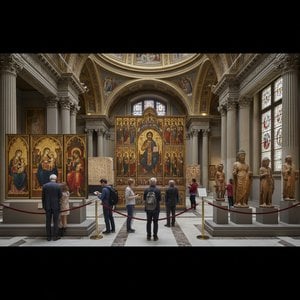
Sacred Narratives Embodied: A Comprehensive Exploration of Religious Iconography in Art History
Explore the rich history of religious iconography in art! Discover symbolism, movements & masterpieces from Byzantine to Renaissance periods. Expert insights for collectors and enthusiasts at ArtsDot.

ფრა ანჯელიკოს 25 შედევრი: ხელოვნების სილამაზე თქვენს სახლში | ArtsDot.com
აღმოაჩინეთ ფრა ანჯელიკოს 25 უნიკალური შედევრი! რენესანსის ფერწერა, სულიერი ხატები და იტალიური ხელოვნების სილამაზე ArtsDot.com-ზე. შეიძინეთ მუზეუმის ხარისხის რეპროდუქციები სახლის დეკორისთვის. Explore the full collection online!