

 წინასწარი ნახვა
 გაგზავნა
 გაზიარება
 დეტალები
 გზამკვლევი

 ჩამოტვირთვა
 მსგავსები
 რენტგენოგრაფიული კვლევა
 სლაიდშოუ
 კითხვა-პასუხი
 სტატისტიკა
Untitled (102)

 გააგრძელეთ კითხვა
ამ გვერდზე წარმოდგენილი ნამუშევარი დაცულია საავტორო უფლების შესახებ კანონმდებლობით, რაც იმას ნიშნავს, რომ ჩვენ არ გვაქვს მისი იდენტური რეპროდუქციის შექმნის ან გაყიდვის სამართლებრივი უფლება. აღნიშნული დაცვა უზრუნველყოფილია ისეთი საერთაშორისო შეთანხმებებით, როგორიცაა ბერნის კონვენცია და ეროვნული კანონმდებლობით, მათ შორის იმ კანონებით, რომლებიც დეტალურად არის გაწერილი აშშ-ის საავტორო უფლების შესახებ კანონი - თავი 17.
ეს მეთოდი სრულად შეესაბამება საავტორო უფლებების რეგულაციებს, რადგან ის არ გულისხმობს დაცული ნამუშევრის კოპირებას ან დუბლირებას. ამგვარად, ეს წარმოადგენს შემოქმედებით რეინტერპრეტაციას — ახალ ნახატს, რომელიც შთაგონებითაა განპირობებული ორიგინალით, თუმცა არ არის მის იდენტურ ასლს.
გიკლე / ხელოვნების პრინტი
მუზეუმის დონის ჟიკლე ან ტილოზე ბეჭდვა სწრაფი წარმოებისა და დასრულების მოქნილი ვარიანტებით. ( შეიძინეთ ხელით შესრულებული ნახატი გადართვა ციფრულ გამოსახულებაზე)




P118B ₾10

P118H ₾10

P118W ₾10

P438Z ₾10

P508JH ₾12

P508YH ₾12

P805H ₾10

P805Z ₾10

P919BZ ₾10

P919G ₾10

P919XJ ₾10

P959ZH ₾10

P968JZ ₾12

W106C ₾8

W218G ₾10

W218JH ₾8

W218Y ₾10

W307PJ ₾10

W316G ₾10

W316PJ ₾8

W316Y ₾10

W398PJ ₾8

W4111J ₾10

W500HY ₾15

W500JH ₾15

W692G ₾12

W849H ₾8

W940BG ₾15

W953PJ ₾8




აირჩიეთ ჩვენს მიერ წინასწარ განსაზღვრული ზომებიდან, რომლებიც ნაწარმოების ორიგინალურ პროპორციებს შეესაბამება.

შეიყვანეთ თქვენთვის საჭირო სიგანე და სიმაღლე, რათა გამოსახულებამ თქვენს ჩარჩოს ან კედელს ზუსტად მოერგოს. ბეჭდვისას შესაძლებელია მხოლოდ მისი შემცირება და არა გაზრდა, ამიტომ სხვა ფორმის ზომის შემთხვევაში სურათი ნაწილობრივ იკარგება. სანამ რაიმეს დაბეჭდავთ, ჩვენ გამოგიგზავნით ციფრულ მაკეტს დასდასტურებლად. ამ გვერდზე ნაჩვენები სურათი არ ასახავს რეალურ ჭრას — ამას მხოლოდ მაკეტი გვიჩვენებს.
მიწოდება მთელ მსოფლიოში () 2 კვირაში, სტანდარტული 4/5 კვირის ნაცვლად. (8 ნოემბერი)

უფასო ექსპრეს მიწოდება მთელ მსოფლიოში

მაღალი ხარისხის ტილოს ქსოვილი

ტრანსპორტირების სრული დაზღვევა

საბაჟო გადასახადების დაბრუნების გარანტია

ფერების სრული შესაბამისობის გარანტია

დაბრუნების 100-დღიანი პოლიტიკა (მხოლოდ დეფექტის შემთხვევაში)

100% თანხის სრული დაბრუნების გარანტია

ფასდაკლება დიდი რაოდენობით შეკვეთისას
 მინის ჩარჩოს არჩევანი შესაძლებელია მხოლოდ 110 სმ-მდე ზომისთვის

Untitled (102)
გიკლე / ხელოვნების პრინტი
რეპროდუქციის ზომა
-


საბოლოო ღირებულება
₾ 164
დაკავშირებული ნამუშევრები


მხატვრის ბიოგრაფია
A Life Woven from Fragments
Domenico “Mimmo” Rotella, born in Catanzaro, Italy, on October 7th, 1918, wasn’t simply an artist; he was a chronicler of the urban pulse. His life unfolded as a deliberate dismantling – not just of posters plastered across Roman walls, but also of conventional artistic notions. From his early years immersed in the vibrant, politically charged art scene of post-war Rome, Rotella developed a singular approach: the ‘décollage,’ a technique that transformed fleeting advertisements into enduring works of art. This wasn’t mere collage; it was an interrogation of consumer culture, a visual archaeology of the city's ephemeral narratives.
His initial artistic explorations leaned towards figurative painting, influenced by movements like Cubism and Futurism. However, a pivotal moment arrived in 1953 – what he termed “Zen illumination.” Observing the relentless cycle of posters being torn down and replaced, Rotella recognized a potent metaphor: the transient nature of images and their constant recontextualization within the urban landscape. This insight led him to abandon traditional painting, embracing instead the act of tearing and pasting, transforming discarded advertisements into layered, complex compositions.
The Language of the Street
Rotella’s ‘décollages’ weren't random acts of destruction. Each tear, each overlapping image, carried a deliberate weight. He meticulously selected posters – film stills, fashion advertisements, political slogans – capturing moments of cultural significance and projecting them onto canvas with an almost obsessive precision. The resulting works are not simply reproductions; they are reinterpretations, imbued with the artist’s own sensibility and a profound understanding of the city's visual language.
Influenced by Dadaism and Surrealism, Rotella’s work moved beyond mere representation. He sought to capture the *feeling* of the street – its frenetic energy, its constant flux, its inherent contradictions. The fragmented images, often juxtaposed with unexpected elements, created a sense of disorientation and intrigue, inviting viewers to actively engage with the artwork and decipher its hidden meanings.
From Rome to Paris: A New Realism
In 1961, Rotella’s work gained international recognition when he was invited by critic Pierre Restany to join the Nouveau Réalisme movement in Paris. This marked a significant shift in his artistic trajectory, pushing him towards greater experimentation and collaboration. The ‘Mec-Art’ process, developed during this period, involved projecting negative images onto emulsion-coated canvases – a technique that further emphasized the materiality of the artwork and its relationship to the urban environment.
Rotella's engagement with Nouveau Réalisme extended beyond purely aesthetic considerations. He was deeply interested in exploring the intersection between art, media, and society. His work often addressed themes of consumerism, mass culture, and political propaganda, reflecting the turbulent social and cultural landscape of post-war Europe.
Legacy and Influence
Mimmo Rotella’s contribution to 20th-century art is undeniable. He redefined the boundaries of collage and assemblage, transforming discarded materials into powerful works of art that continue to resonate today. His ‘décollages’ offer a unique perspective on urban life, revealing the hidden narratives embedded within the visual culture of the city.
Beyond his technical innovations, Rotella's legacy lies in his willingness to challenge conventional artistic practices and embrace the unexpected. He demonstrated that beauty could be found in decay, that meaning could emerge from chaos, and that even the most mundane objects – a torn poster – could hold profound significance.

Mimmo Rotella
1918 - 2006
მოკლე ინფორმაცია
- Full Name: Domenico "Mimmo" Rotella
- Nationality: Italian
- Date Of Birth: 1918
- Date Of Death: 2006
- Place Of Birth: Catanzaro, Italy
- Notable Artworks:
- Cinecittà series
- Artypos series
- Plastiforme
- Artistic Movement Or Style:
- Décollage
- Nouveau Réalisme
- Artists Who Influenced This Artist:
- Cubism
- Futurism
- Kandinsky
- Mondrian
- Artists Or Movements Influenced By This Artist:
- Yves Klein
- Pierre Restany
დაკავშირებული სტატიები

The Enduring Legacy of Fine Art Prints: Technique, History & Aesthetic Impact
Explore the rich history & techniques of fine art prints. Discover investment potential, assess authenticity, and learn how to preserve your collection with expert guidance. Trusted insights for discerning collectors.

Giclée Prints: Archival Quality & Aesthetic Nuances for the Discerning Collector
Explore the world of giclée prints with ArtsDot. Learn about archival quality, aesthetic nuances & investment potential. Expert guidance for discerning art collectors seeking museum-quality reproductions and lasting value.

Dark Masterpieces: 10 Iconic Paintings Dominated by Black Tones |
Explore 10 iconic paintings dominated by black tones, from Rembrandt’s chiaroscuro to Goya's dark expressions. Discover the stories behind these masterpieces & find museum-quality art reproductions for your home at .
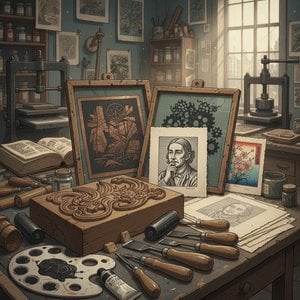
The Enduring Legacy of Printmaking: Techniques, Themes & Artistic Innovation Across Centuries
Explore the rich history of printmaking with ArtsDot. Discover techniques from intaglio to lithography, learn about collecting valuable prints & find museum-quality reproductions. Expert insights for art enthusiasts and collectors.

Echoes of Time: Exploring the Enduring Appeal & Historical Context of Vintage Art Prints
Explore the captivating world of vintage art prints! Discover their history, collecting tips & enduring appeal. Expert insights on chromolithography and building a legacy collection with ArtsDot.