

 ნახვა ინტერьерში
 გაგზავნა
 გაზიარება
 დეტალები
 გზამკვლევი

 ჩამოტვირთვა
 მსგავსები
 რენტგენოგრაფიული კვლევა
 სლაიდშოუ
 Q&A
Q&A სტატისტიკა
Last Judgment d7

 სრული ტექსტის ნახვა
გიკლე / ხელოვნების პრინტი
მუზეუმის დონის ჟიკლე ან ტილოზე ბეჭდვა სწრაფი წარმოებისა და დასრულების მოქნილი ვარიანტებით. ( შეიძინეთ ხელით შესრულებული ნახატი გადასვლა ციფრულ გამოსახულებაზე)




P118B ₾10

P118H ₾10

P118W ₾10

P438Z ₾10

P508JH ₾12

P508YH ₾12

P805H ₾10

P805Z ₾10

P919BZ ₾10

P919G ₾10

P919XJ ₾10

P959ZH ₾10

P968JZ ₾12

W106C ₾8

W218G ₾10

W218JH ₾8

W218Y ₾10

W307PJ ₾10

W316G ₾10

W316PJ ₾8

W316Y ₾10

W398PJ ₾8

W4111J ₾10

W500HY ₾15

W500JH ₾15

W692G ₾12

W849H ₾8

W940BG ₾15

W953PJ ₾8




აირჩიეთ ჩვენს მიერ წინასწარ განსაზღვრული ზომებიდან, რომლებიც ნაწარმოების ორიგინალურ პროპორციებს შეესაბამება.

შეიყვანეთ თქვენთვის საჭირო სიგანე და სიმაღლე, რათა იგი მოერგოს თქვენს ჩარჩოს ან კედელს. ბეჭდვისას შესაძლებელია მხოლოდ მისი შემცირება და არა გაზრდა, ამიტომ სხვა ფორმის ზომის შემთხვევაში გამოსახულება ნაწილობრივ იკარგება. სანამ რაიმეს დაბეჭდავთ, ჩვენ გამოგიგზავნით ციფრულ მაკეტს დასდასტურებლად. ამ გვერდზე ნაჩვენები სურათი არ ასახავს რეალურ ჭრას — ამას მხოლოდ მაკეტი გვიჩვენებს.
მიწოდება მთელ მსოფლიოში () 2 კვირაში, სტანდარტული 4/5 კვირის ნაცვლად. (2 ნოემბერი)

უფასო ექსპრეს მიწოდება მთელ მსოფლიოში

მაღალი ხარისხის ტილო

ტრანსპორტირების სრული დაზღვევა

საბაჟო გადასახადების დაბრუნების გარანტია

ფერების სრული შესაბამისობის გარანტია

დაბრუნების 100-დღიანი პერიოდი (მხოლოდ წარმოების დეფექტის შემთხვევაში)

100% თანხის სრული დაბრუნების გარანტია

ფასდაკლება დიდი რაოდენობით შეკვეთისას
 მინის ჩარჩოს არჩევანი ხელმისაწვდომია მხოლოდ 110 სმ-მდე ზომისთვის

Last Judgment d7
გიკლე / ხელოვნების პრინტი
რეპროდუქციის ზომა
-


ჯამური ღირებულება
₾ 161
Michelangelo’s “Last Judgment”: A Descent Into Divine Drama
The image before us—often referred to as "Last Judgment d7"—is not merely a painting; it's an experience, a visceral plunge into the heart of humanity’s confrontation with mortality and divine justice. Created by the titan of the High Renaissance, Michelangelo Buonarroti, this monumental work, though shrouded in some mystery regarding its precise commission and location (likely intended for the altar wall of the Old St. Peter’s Basilica), pulsates with a raw energy that transcends time. Michelangelo, born in 1475 in Caprese Michelangelo, Italy, was already a master sculptor by his early twenties, but it was his ambition to tackle painting on this scale – a fresco covering an immense wall – that truly cemented his legacy as a polymath of unparalleled genius.
The scene unfolds with breathtaking dynamism. At its core is the figure holding the trumpet, a potent symbol of both the herald of doom and the call to judgment. His posture, rigid yet conveying a sense of urgent command, immediately draws the eye, anchoring the viewer within this chaotic tableau. Around him swirl figures in varying states of torment and ecstasy – souls being dragged downwards into hell by grotesque demons, while others ascend towards God’s radiant light. The sheer scale of the composition—a testament to Michelangelo's ambition—forces a confrontation with the overwhelming nature of divine judgment.
The Anatomy of Emotion: Technique and Style
Michelangelo’s mastery is immediately evident in the anatomical precision of each figure, a hallmark inherited from his sculpting training. He doesn’t shy away from depicting the grotesque – the writhing limbs, contorted faces, and expressions of agony are brutally honest. Yet, within this depiction of suffering, there's an undeniable beauty; Michelangelo imbues even the damned with a tragic grandeur. The *terribilità*, a term often applied to his work, speaks to this potent combination of horror and sublime power.
Technically, “Last Judgment” is executed in fresco—a method requiring rapid application of wet paint onto freshly plastered walls. This necessitated a meticulous planning process, evident in the preparatory drawings that Michelangelo created, revealing the complex network of figures and their interconnected narratives. The vibrant colors, though faded over centuries, retain a remarkable intensity, particularly in the reds and golds used to depict the heavenly realm and the fiery depths of hell. Notice how he uses *chiaroscuro* – the dramatic contrast between light and dark – to heighten the emotional impact, guiding the viewer’s eye through the scene.
Symbolism and Theological Significance
The “Last Judgment” is deeply rooted in Christian theology, drawing heavily from biblical accounts of Judgement Day. The trumpet signifies the arrival of Christ, signaling the end of time and the final reckoning. The figures themselves represent a diverse range of humanity – saints, sinners, and ordinary people—all subject to the same inescapable fate. The placement of the two birds, one near the top left corner and another towards the bottom right, is particularly intriguing; they are often interpreted as symbols of hope (the bird ascending) and despair (the bird descending), reflecting the dual nature of salvation and damnation.
Beyond its immediate religious context, the painting speaks to universal themes of mortality, guilt, redemption, and the human condition. Michelangelo’s depiction is not a comforting one; it's a stark reminder of our vulnerability in the face of an unknowable God. The raw emotion conveyed—the anguish, the fear, the desperate plea for mercy—resonates powerfully even today, making “Last Judgment” a timeless masterpiece.
Bringing Michelangelo’s Vision Home: A High-Quality Reproduction
ArtsDot offers meticulously crafted hand-painted reproductions of this extraordinary work. We utilize traditional fresco techniques and archival quality pigments to faithfully recreate the intensity and drama of Michelangelo's original. Each reproduction is a testament to our commitment to preserving artistic heritage, allowing you to experience the profound emotional impact of “Last Judgment” in your own space.
- Authentic Detail:** Our hand-painted reproductions capture every nuance of Michelangelo’s brushstrokes and anatomical precision.
- Archival Quality:** We use only the finest pigments and materials to ensure lasting beauty and color fidelity.
- Custom Sizes Available:** We offer a range of sizes to suit your individual needs and décor.
- A Window into History:** Own a piece of art history that embodies one of the Renaissance’s greatest achievements.
Explore our collection today and bring the drama and spirituality of Michelangelo's “Last Judgment” into your home or office.
კითხვები და პასუხები
როგორ აკავშირებს მიქელანჯელო-ის „Last Judgment d7“ High Renaissance-ს ხელოვანის სამშობლოსთან?
High Renaissance-ის სტილის ნამუშევარი „Last Judgment d7“ შექმნილია ხელოვანის მიერ, რომელიც იტალია-ში დაიბადა.
რა ემოციურ ტონს ახლავს „Last Judgment d7“-ის High Renaissance სტილს?
„Last Judgment d7“-ის Melancholic ემოცია მისი High Renaissance სტილის თანამგზავრია.
როგორ უკავშირდება ერთმანეთს „Last Judgment d7“-ის ფერები?
მიქელანჯელო-ის „Last Judgment d7“ წარმოადგენს Softly Mixed Palette ფერთელას ჰარმონიას.
მსგავსი ნამუშევრები


მხატვრის ბიოგრაფია
მიქელანჯელო ბონაროტი: ხელოვნების უდიდესი გენიოსი
მიქელანჯელო ბონაროტი, რომლის სახელიც განუყოფლად ასახელებს რენესანსის ეპოხას, საუკუნეების მანძილზე წარმოადგენს ადამიანური შემოქმედებითობის მუდამ ცოცხალ 증거를. 1475 წლის 6 მარტს კაპრეზე მიქელანჯელოში დაბადებული, ტოსკანეთის ჰილებში მდებარე პატარა ქალაქში, მისი ജീവിതის ისტორია წარმოადგენს ნიჭის, амбиций და божественного вдохновения 놀라운 συνδυασμό. თავდაპირველად მამის წინააღმდეგობასთან დაკავშირებით მხატვრული გზაზე გასვლის მიუხედავად, ახალგაზრდა მიქელანჯელოს უნარი ζωγραφικήςში აღმოჩნდა შეუვალი, რაც მას ხელთ verdiği შესაძლებლობას მისცა ქვის, ფერწერისა და არქიტექტურის საზღვრების გადაკვეთა. დომენიკო გირლანდიოსთან ადრეული გაკვეთილებმა საფუძველი ჩაუყარა фреске და ნახატების შესწავნებაში, თუმცა მედიჩის ბაღებში – კლასიკური უძველესობის ანკვებიდან შექმნილ оазисе – მისი მხატვრული სული ნამდვილად გაიღო. ბერძნულ და რომაულ ქანდაკებების შესწავლის შედეგად, მიქელანჯელომ შეიცვალა ανατομίας, пропорций და ιδανικής ομορφιάς సూత్రები, რაც მისი стилю განმასხვავებელი ნიშანი გახდება. ეს ფორმირების პერიოდი არ იყო მხოლოდ ტექნიკური శిక్షణ; ეს იყო ფილოსოფიური погружение რენესანსის ανθρωπιστικών ιδεών ਵਿੱਚ, ადამიანის αξιοπρέπειისა და δυναμικούზე акцентის გაკეთება, რაც βαθιά സ്വാვladı მისი მხატვრული видению.ქვის გოდინასგან გამოჭედილი სილამაზე: პირველი ნაბიჯები
მიქელანჯელოს წარმატების გზა ხელოვნულ სამყაროში აღმავლობით დაიწყო. უკვე 1496 წელს მან რომში გადაინتقل, სადაც პირველ დიდ комиссию მიიღო – *Pieta*-ს ქანდაკება. 1499 წელს კარდინალ ჟან დე ბილერესთვის შექმნილი ეს მომხიბლავი მარმარილოს шедевр მაშინვე მიქელანჯელოს უსწრაფო ქულად აღიარა. მარიამ-ქალწულის სახეზე გამოსახული მშვიდი краса და βαθιά скорбь რევოლუციური იყო, რაც демонстрировал ადამიანურ გრძნობებს ქვასთან ერთად συνδυების უნარს. ეს ადრეული წარმატება дорога გაუხსნა მისი მომავლის μεγαλειპოვarına: *David*-ს ქანდაკებას. 1501-დან 1504 წლამდე კარარა მარმარილოს ერთი בלוקიდან ნაკვეთი, ამ გიგანტური статуя ფლორენციული რესპუბლიკის ιδεών სიმბოლოდ μετατράπησε – ధైర్యവും, քաջությամ და гражданской добродетели воплощением. *David*-ის ανατομική ακρίβεια, δυναμική поза და ψυχολογική ένταση беспрецедентული იყო, რაც მიქელანჯელოს რეპუტაციას мастер-скульптора ਵਜე გააძლიერა, ვისაც ქვას სიცოცხლე შეჰძლო მოანიჭებინა. მნიშვნელოვანი არ იყო მხოლოდ მასშტაბი; ეს იყო შემარჯვედრიყო энергия, მარმარილოში გაყინული მოქმედების предвкушение, რაც მაშინდელ და დღევანდელ მსმენელსაც აფრთხობს.სიეტინ კაპელის ფრესკები: божественного вдохновения სიმფონია
მიქელანჯელოს უდიდესი მემკვიდრეობა, ალბათ, სიეტინ კაპელის კედლებში მდებარეობს. 1508 წელს პოპე იულიუს II-მ მას კაპელის 천장을 ფერწერა დაავალა – задача, რომელიც მისი ζωής четири წლის განმავლობაში აზარმაცებს და სამხრეთ-დასავლეთის ხელოვნების კურსს სამუდამოდ შეცვლის. თავდაპირველად არც თუ ისე ენთუზიასტი, საკუთარ თავს ძირითადად ქულად განიხილავდა, მიქელანჯელომ მაინც მიიღო გამოწვევა და დაიწყო монументальный фресковый цикл, რომელიც წარმოადგენს ఆది부터 მოხაზულ сценებს. დამღლელი პირობებში, ხშირად საათობით თავისი თავით გადაბრუნებული, მან 300-ზე მეტი ფიგურა ζωγραφა დაამთავრა 놀라운 деталями და композиционной бриллиантом. *The Creation of Adam*, კაპელის 천장의 фрескоებისგან ყველაზე ცნობილი εικόна, წარმოადგენს божественного искры გადაცემას Бога და человечества – δημιουργίας και δυναμικού სიმბოლური გამოსახულება. ამ სახელოვანი პანელისა გარდა, მთელი ციკლი მიქელანჯელოს αφηγηματικής ძალის, ανατομίας господства და సంక్летний θεολογικών ιδεών визуальной рассказыванием გადმოსაცემად 증거ა. პარალელურად, მან პოპე იულიუს II-ს სამარხი დაიწყო – амбициозный პროექტი, რომელიც თავისი первоначального великолепия ਵਿੱਚ დაუმთავრებელი დარჩება, თუმცა ძლიერი ქულებისგან შედგება, როგორიცაა *Moses*.არქიტექტურა, მანერიზმი და მუდმივმოქმედი გავლენა
მისი ζωής τελευταία წლებში მიქელანჯელოს ნიჭმა არქიტექტურაშიც გაფართოება ჰპოვა. 1520 წელს იგი გახდა სან პეტრეს базилики-ს არქიტექტორი რომში, მნიშვნელოვნად შეცვალა ბრამანტეს původního дизайна უფრო imposing და 구조ებით გამძლე გეგმით. ეს გარდაไป მანერიზმისკენ მიანიშნებს – стилю, რომელიც ხასიათდება удлиненными формами, გადაჭარბებული поза들과 დრამატული კომპოზიციებით. ეს стилистический эволюция ნათლად కనిვდება *The Last Judgment*-ში, სიეტინ კაპელის алтарной კედლის фреске, რომელიც 1536-დან 1541 წლამდე იყო ζωγραφված. ფრესკო изображает Другое Пришествие Христа overwhelming დრამას და эмоциональной έντασης გრძნობით, რაც უფრო турбулентного духовного климата отражениеა. მიქელანჯელოს გავლენა გადაინთხია მისი ცხოვრების გარეთაც. მან βαθιά സ്വാვladı როგორც High Renaissance-ის, ასევე Mannerist ხელოვნების მოძრაობებს, вдохновляя თაობათა მხატვრებს მისი ανατομικής ακρίβειας, δυναμικών კომპოზიციებით და ადამიანური მდგომარეობის глубокого дослідження გადმოსაცემად.დროში ნაკვეთი მემკვიდრეობა
მიქელანჯელო გარდაიცვალა 1564 წლის 18 თებერვალს რომში, დატოვე беспрецедентный корпус работы, რომელიც продолжает очаровывать и вдохновлять. იგი остается возвышенной фигурой в истории искусства – истинным “Ренессанс-человеком” – чьи скульптуры, картины и архитектурные проекты сформировали наше понимание красоты, силы и человеческого потенциала. მისი მემკვიდრეობა არ არის მხოლოდ కళა적 მიღწევების 증거; ეს არის творчества, అంకితభావისა და совершенства неустанного стремления მუდმივმოქმედი 증거. მას продемонстрировал, что искусство может превзойти простое представление, став средством
მიქელანჯელო
1475 - 1564 , იტალია
მოკლე ფაქტები
- Artistic Movement Or Style: რენესანსი, მანერიზმი
- Artists Or Movements Influenced By This Artist:
- რენესანსი
- მანერიზმი
- Artists Who Influenced This Artist:
- Donatello
- Masaccio
- Date Of Birth: 6 მარტს, 1475
- Date Of Death: 18 თებერვალს, 1564
- Full Name: მიქელანჯელო ბონაროტი
- Nationality: იტალიელი
- Notable Artworks:
- დევიდი
- Pieta
- სისტინას კაპელის ფრესკები
- Place Of Birth: კაპრეზე მიქელანჯელო, იტალია
მსგავსი სტატიები

The Enduring Legacy of Fresco: Technique, History & Artistic Expression
Explore the rich history & enduring artistry of fresco painting. Discover techniques from Giotto to Michelangelo, conservation efforts, & modern applications. Learn how ArtsDot brings this timeless art form to your home.

მიქელანჯელოს 25 შედევრი: ხელოვნების ისტორია თქვენს სახლში | ArtsDot.com
აღმოაჩინეთ მიქელანჯელოს 25 შედევრი – რენესანსული ფერწერა, ქანდაკება და ხელოვნების ისტორიის უნიკალური სიმდიდრე. ArtsDot.com-ზე შეიძინეთ მუზეუმის ხარისხის რეპროდუქციები თქვენი სახლისთვის! Explore the full collection online.
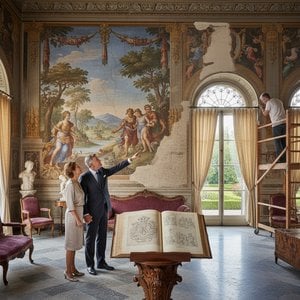
The Fresco as Family Legacy: Preserving Heritage Through Wall Art
Explore the rich history & enduring legacy of fresco painting. Discover how to preserve family heritage through stunning wall art. Expert insights & restoration guidance.

The Enduring Legacy of Fresco Painting: Techniques, History & Contemporary Relevance
Explore the rich history & enduring artistry of fresco painting – from Giotto to Michelangelo! Discover techniques, conservation efforts, & modern applications. Learn how ArtsDot brings this timeless art form to your home.
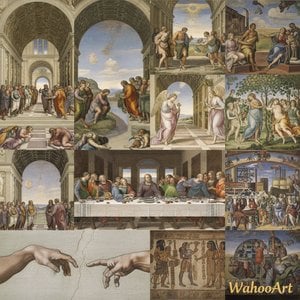
Fresco's Finest: 10 Masterpieces That Define Art History | ArtsDot
Journey through art history with our Top 10 Fresco Masterpieces! Explore Michelangelo, Raphael & Giotto's iconic works. Find museum-quality reproductions and elevate your home decor at ArtsDot.com.


