


 ნახვა ინტერьерში
 გაგზავნა
 გაზიარება
 დეტალები
 გზამკვლევი

 ჩამოტვირთვა
 მსგავსები
 რენტგენოგრაფიული კვლევა
 სლაიდშოუ
 სტატისტიკა
ცერეს


 სრული ტექსტის ნახვა
ხელით შესრულებული ზეთის საღებავით რეპროდუქცია
ტილოზე შესრულებული ფერწერიანი ზეთប្រდათი, თქვენთვის სასურველი ზომისა და ჩარჩოსთვის, ჩვენი ხელოვანების მიერ შეკვეთის საფუძველზე დამზადებული. ( გადართვა ბეჭდვის რეჟიმზე გადასვლა ციფრულ გამოსახულებაზე)




P118B ₾10

P118H ₾10

P118W ₾10

P438Z ₾10

P508JH ₾12

P508YH ₾12

P805H ₾10

P805Z ₾10

P919BZ ₾10

P919G ₾10

P919XJ ₾10

P959ZH ₾10

P968JZ ₾12

W106C ₾8

W218G ₾10

W218JH ₾8

W218Y ₾10

W307PJ ₾10

W316G ₾10

W316PJ ₾8

W316Y ₾10

W398PJ ₾8

W4111J ₾10

W500HY ₾15

W500JH ₾15

W692G ₾12

W849H ₾8

W940BG ₾15

W953PJ ₾8




აირჩიეთ ჩვენს მიერ წინასწარ განსაზღვრული ზომებიდან, რომლებიც ნაწარმოების ორიგინალურ პროპორციებს შეესაბამება.

შეიყვანეთ თქვენთვის საჭირო სიგანე და სიმაღლე, რათა ნახატი მოერგოს თქვენს ჩარჩოს ან კედელს. ვინაიდან ეს ნამუშევარი ხელით არის შესრულებული, სხვა ფორმის ზომის შემთხვევაში, მხატვარმა შესაძლოა სურათის გარშემო ოდნავ მეტი დატოვოს ან შეამციროს — არჩევანი თქვენზეა. დაწყებამდე, დასამტკიცებლად, ჩვენ გამოგიგზავნით ციფრულ მაკეტს. ამ გვერდზე ნაჩვენები სურათი არ ასახავს რეალურ შედეგს — რეალური სახე მხოლოდ მაკეტზე ჩანს.
შეკვეთის შემდეგ, ArtsDot.com გუნდი დაგიკავშირდებათ ელექტრონული ფოსტით ინსტრუქციებისთვის და გამოგიგზავნით წინასწარ ნახაზს (mockup).
მიწოდება მსოფლიო მასშტაბით -ში 3/4 კვირაში, სტანდარტული 5 კვირის ნაცვლად. (24 ოქტომბერი). ხარისხზე კომპრომისის გაკეთება არ მოხდება.

უფასო ექსპრეს მიწოდება მთელ მსოფლიოში

მაღალი ხარისხის ტილო

ტრანსპორტირების სრული დაზღვევა

საბაჟო გადასახადების დაბრუნების გარანტია

ფერების სრული შესაბამისობის გარანტია

დაბრუნების 100-დღიანი პერიოდი (მხოლოდ წარმოების დეფექტის შემთხვევაში)

100% თანხის სრული დაბრუნების გარანტია

ფასდაკლება დიდი რაოდენობით შეკვეთისას
 მინის ჩარჩოს არჩევანი ხელმისაწვდომია მხოლოდ 110 სმ-მდე ზომისთვის

ცერეს
რეპროდუქციის ტექნიკა
რეპროდუქციის ზომა
-


ჯამური ღირებულება
₾ 686
Michel Anguier’s Ceres: A Symphony of Bronze and Myth
Michel Anguier (1612 – 1686) stands as a cornerstone of Baroque sculpture in France, embodying not merely artistic skill but also profound intellectual curiosity. Born in Eu, Normandy, he descended from a noble lineage deeply rooted in humanist principles—a heritage that fueled his lifelong dedication to scholarship and informed his artistic vision. His formative years were spent honing his craft under Alessandro Algardi’s tutelage in Rome, immersing himself in the grandeur of Bernini's workshop and forging connections with fellow sculptors who shaped the aesthetic landscape of their time. This immersion instilled within him a reverence for classical forms and methods—a cornerstone that would permeate his subsequent oeuvre. Early Career & Patronage: Anguier’s initial commissions centered on funerary sculptures, particularly elaborate tombs commissioned by aristocratic families. These projects showcased his mastery of marble carving and demonstrated his ability to convey complex emotions through sculptural representation—skills honed with meticulous precision and unwavering artistic commitment. He skillfully captured the solemn dignity and pathos inherent in memorial art, reflecting the humanist ideals prevalent during his era. The Sculpture’s Narrative: Anguier's Ceres embodies a powerful narrative rooted in Roman mythology. Inspired by Ovid’s Metamorphoses, the sculpture depicts Ceres—the goddess of agriculture—in a dramatic pose confronting the aftermath of conflict. She stands over the fallen warrior, symbolizing not merely death but also the cyclical renewal inherent in nature and harvest – a poignant juxtaposition reflecting the broader humanist preoccupation with mortality and regeneration. The sculptor skillfully utilizes diagonal lines to generate movement and tension, capturing the dynamism of both Ceres’s forceful stance and the fallen soldier's slumped form. Technique & Material: Crafted from bronze—a material favored by Anguier for its ability to achieve remarkable textural detail—the sculpture exemplifies the lost-wax casting technique, a method renowned for producing exceptionally refined sculptures. The process began with creating a wax model meticulously sculpted to capture Ceres’s expressive pose and anatomical accuracy. This wax was encased in sand molds, followed by heating it repeatedly until the wax melted away, leaving behind a hollow bronze shell. Finally, molten bronze was poured into the mold, filling the cavity and solidifying as it cooled—a testament to Anguier's technical prowess and his understanding of material properties. The resulting surface is textured with deliberate roughness, mirroring the natural patina of bronze and enhancing its visual impact. Symbolism & Emotional Resonance: Ceres’s iconography speaks volumes about Roman beliefs concerning fertility, abundance, and sacrifice – themes central to humanist thought during Anguier's lifetime. Her torch—illuminated by Mount Etna—represents divine providence guiding humanity through hardship, while the dragon beneath her feet symbolizes destructive forces subdued by benevolent authority. The sculpture’s overall effect is one of solemn grandeur, conveying a profound sense of contemplation and acknowledging the inevitability of mortality alongside the promise of rebirth. It serves as an enduring reminder of the interconnectedness between human existence and the natural world—a message powerfully conveyed through Anguier's masterful artistic execution.- Artist: Michel Anguier
- Date: 1650s
- Medium: Bronze
- Dimensions: Height 56 cm
- Location: Victoria and Albert Museum, London
კითხვები და პასუხები
რა ფერების გაჯერებულობა აქვს Michel Anguier-ის „ცერეს“-ს?
Michel Anguier-ის „ცერეს“ ფერების სირთულე (დამკვეთភាព) არის დაბალი კონტრასტული. სირთულე აღწერს, თუ რამდენად მკვეთრი ან მკვდარია ფერები.
რა ስሜრს წარმოშობს Michel Anguier-ის „ცერეს“-ის ფერები?
Michel Anguier-ის „ცერეს“-ის ნეიტრალური ტონები პალიტრა იდეალურად ერწყმის მის მძლავრი ემოციურ ტონს. ფერი ერთ-ერთი საშუალებაა, რასაც ნამუშევარი გრძნობების გადმოსაცემად იყენებს.
როგორ აკავშირებს Michel Anguier-ის „ცერეს“ Baroque Sculpture-ს ხელოვანის სამშობლოსთან?
"ცერეს" თავის შემქმნელის სამშობლოს მეშვეობით აკავშირებს Baroque Sculpture სტილს France-სთან.
მსგავსი ნამუშევრები


მხატვრის ბიოგრაფია
Michel Anguier: Sculptor of Light and Shadow
Michel Anguier (1612 – 1686) stands as a pivotal figure in the Baroque sculpture tradition of France, embodying both intellectual rigor and artistic virtuosity. Born in Eu, Normandy, he descended from a noble family steeped in humanist ideals—a lineage that profoundly shaped his worldview and fueled his lifelong pursuit of knowledge. Anguier’s formative years were spent studying under Alessandro Algardi in Rome, absorbing the grandeur and dynamism of Bernini's workshop and establishing connections with other leading sculptors of the era. This immersion in Roman artistic culture instilled within him a deep appreciation for classical forms and techniques, which would permeate his subsequent oeuvre.- Early Career & Patronage: Anguier’s initial commissions focused on funerary sculptures—particularly elaborate tombs for aristocratic families—demonstrating his mastery of marble carving and his ability to convey profound emotion through sculptural representation. His work quickly gained recognition, securing him patronage from influential figures within the French court.
- Roman Influence & Artistic Style: Anguier’s Roman training profoundly impacted his artistic style. He embraced Bernini's theatrical approach to sculpture, prioritizing movement and dramatic lighting—elements he skillfully incorporated into numerous monumental sculptures commissioned for churches and palaces throughout France.
- Notable Works: Among Anguier’s most celebrated achievements are the sculptures adorning San Michele al Pozzo Bianco in Bergamo, Italy—a breathtaking ensemble of frescoes depicting Mary's life—and Amphitrite, a magnificent marble statue commemorating the goddess of the sea. His meticulous attention to detail and his masterful manipulation of light and shadow elevated these works to unparalleled levels of artistic excellence.
- The Ceres Sculpture: Anguier’s sculpture “Ceres” exemplifies his dedication to capturing idealized beauty and conveying spiritual contemplation. Located in Paris, this artwork showcases the sculptor's profound understanding of anatomy and drapery—skills honed during his Roman studies—resulting in a timeless masterpiece.
Technique & Artistic Innovation
Anguier’s sculptural technique was characterized by an unwavering commitment to anatomical accuracy combined with expressive dynamism. He meticulously studied human musculature, striving to reproduce its contours with breathtaking realism—a hallmark of Baroque sculpture. Furthermore, Anguier pioneered innovative methods for achieving dramatic lighting effects—techniques he perfected during his time in Rome and subsequently applied to numerous monumental sculptures throughout France. His masterful manipulation of marble—particularly his ability to carve translucent surfaces—created illusions of depth and luminosity that captivated audiences.- Marble Carving Mastery: Anguier’s unparalleled skill in marble carving was evident in every piece he created, from intimate funerary sculptures to colossal monumental statues. He employed sophisticated tools and techniques—including chisels, hammers, rasps, and polishing abrasives—to transform raw stone into objects of exquisite beauty and artistic grandeur.
- Dramatic Lighting Effects: Anguier’s incorporation of dramatic lighting effects—inspired by Bernini’s theatrical style—transformed his sculptures into immersive experiences. He skillfully manipulated marble surfaces to create illusions of translucency and luminosity, enhancing the emotional impact of his works.
Legacy & Historical Significance
Michel Anguier's contribution to Baroque sculpture transcends mere stylistic innovation; he represents a cornerstone of French artistic heritage. His sculptures continue to inspire admiration for their technical brilliance and expressive power—testaments to the enduring legacy of humanist ideals and classical art principles. Anguier’s influence extended beyond his immediate contemporaries, shaping the aesthetic sensibilities of subsequent generations of sculptors and cementing his place among France's most revered artists.- Influence on Subsequent Sculptors: Anguier’s sculptural technique—characterized by anatomical accuracy and expressive dynamism—served as a model for countless sculptors who followed him, establishing a stylistic continuum that spanned centuries.
- Symbol of French Artistic Excellence: Anguier's sculptures embody the zenith of French artistic excellence during the Baroque period—a symbol of humanist ideals and classical art principles that continue to resonate with audiences today.
Further Exploration
For a deeper understanding of Michel Anguier’s life and work, consult scholarly articles published in journals specializing in Art History. Explore online resources—including museum websites and biographical databases—to access detailed information about his artistic achievements and historical context. Examining reproductions of his sculptures—particularly “Ceres” and Amphitrite—offers invaluable insight into the artist's stylistic innovations and expressive power.
Michel Anguier
1612 - 1686 , France
მოკლე ფაქტები
- Full Name: Michel Anguier
- Nationality: French
- Date Of Birth: 1612
- Date Of Death: 1686
- Place Of Birth: Seine-Maritime, France
- Notable Artworks:
- Nativity
- Ceres
- Artistic Movement Or Style: Baroque
- Artists Who Influenced This Artist: Gianlorenzo Bernini
- Artists Or Movements Influenced By This Artist: Alessandro Algardi
მსგავსი სტატიები

The Enduring Form: Exploring Themes & Techniques in Sculpture Across Historical Periods
Explore the rich history of sculpture from ancient masterpieces to contemporary innovations. Discover key techniques, influential artists & investment potential for discerning art collectors.

Bronze Sculptures That Defined Art History | ArtsDot
Journey through art history with our Top 10 bronze sculptures! Explore masterpieces by Rodin, Michelangelo & more. Discover stories behind iconic statues and find museum-quality reproductions for your home decor at ArtsDot.com.

The Enduring Form: Sculpture Across History, Technique & Emotional Resonance
Explore the rich history of sculpture with ArtsDot. Discover key techniques, influential artists & investment potential for discerning collectors. Expert insights into valuing and collecting timeless masterpieces.

Bronze Age to Modern Masters: 10 Sculptures That Redefined Art | ArtsDot
Journey through art history with 10 legendary bronze sculptures – from Michelangelo's David to Rodin’s Thinker. Explore the stories, techniques & timeless beauty of these masterpieces. Find museum-quality reproductions & elevate your home decor on ArtsDot.com.
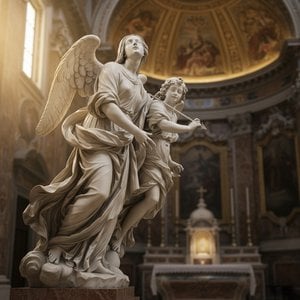
Gian Lorenzo Bernini: Sculpting Baroque Emotion & the Roman Imagination
Explore the life & revolutionary art of Gian Lorenzo Bernini, the master sculptor of the Baroque era. Discover his iconic works like David and Ecstasy of Saint Teresa – a journey into Roman artistic genius.