


 ნახვა ინტერьерში
 გაგზავნა
 გაზიარება
 დეტალები
 გზამკვლევი

 ჩამოტვირთვა
 მსგავსები
 რენტგენოგრაფიული კვლევა
 სლაიდშოუ
 სტატისტიკა
Turk Playing a Harp
 Acrylic On Canvas
- WallArt
- Mannerism
 1576
1576 245.0 x 163.0 cm
 Hermitage Museum
 სრული ტექსტის ნახვა
გიკლე / ხელოვნების პრინტი
მუზეუმის დონის ჟიკლე ან ტილოზე ბეჭდვა სწრაფი წარმოებისა და დასრულების მოქნილი ვარიანტებით. ( შეიძინეთ ხელით შესრულებული ნახატი გადასვლა ციფრულ გამოსახულებაზე)




P118B $10

P118H $10

P118W $10

P438Z $10

P508JH $12

P508YH $12

P805H $10

P805Z $10

P919BZ $10

P919G $10

P919XJ $10

P959ZH $10

P968JZ $12

W106C $8

W218G $10

W218JH $8

W218Y $10

W307PJ $10

W316G $10

W316PJ $8

W316Y $10

W398PJ $8

W4111J $10

W500HY $15

W500JH $15

W692G $12

W849H $8

W940BG $15

W953PJ $8




აირჩიეთ ჩვენს მიერ წინასწარ განსაზღვრული ზომებიდან, რომლებიც ნაწარმოების ორიგინალურ პროპორციებს შეესაბამება.

თქვენ შეგიძლიათ მიუთითოთ საკუთარი ზომები კონკრეტული ჩარჩოსთვის ან სივრცისთვის მოსარგებლებლად. თუ თქვენ მიერ არჩეული ზომა არ შეესაბამება ორიგინალი გამოსახულების პროპორციებს, ჩვენ ან დავჭრით ნამუშევარს, ან გავაფართოვებთ გამოსახულებას სარკული ან ერთფეროვანი კიდეებით. წარმოების დაწყებამდე თქვენს დასამტკიცებლად გამოგეგზავნებათ ციფრული მაკეტი.
გთხოვთ, გაითვალისწინოთ, რომ ეკრანზე ნაჩვენები წინასწარი ნახვა არ ასახავს რეალურ ჭრას ან გაფართოებას. მხოლოდ მაკეტზე იქნება ზუსტად წარმოდგენილი საბოლოო კომპოზიცია.
მიუხედავად იმისა, რომ ინდივიდუალური ზომები ხელმისაწვდომია, ორიგინალური პროპორციების შესანარჩუნებლად გირჩევთ, აირჩიოთ ზომა წინასწარ განსაზღვრული სიისგან.
მიწოდება მთელ მსოფლიოში () 2 კვირაში, სტანდარტული 4/5 კვირის ნაცვლად. (26 სექტემბერი)

უფასო ექსპრეს მიწოდება მთელ მსოფლიოში

მაღალი ხარისხის ტილო

ტრანსპორტირების სრული დაზღვევა

საბაჟო გადასახადების დაბრუნების გარანტია

ფერების სრული შესაბამისობის გარანტია

დაბრუნების 100-დღიანი პერიოდი (მხოლოდ წარმოების დეფექტის შემთხვევაში)

100% თანხის სრული დაბრუნების გარანტია

ფასდაკლება დიდი რაოდენობით შეკვეთისას
 მინის ჩარჩოს არჩევანი ხელმისაწვდომია მხოლოდ 110 სმ-მდე ზომისთვის

Turk Playing a Harp
გიკლე / ხელოვნების პრინტი
რეპროდუქციის ზომა
-


ჯამური ღირებულება
$ 62
A Window into Ottoman Splendor: Melchior Lorck’s ‘Turk Playing a Harp’
Melchior Lorck's “Turk Playing a Harp” (1576) stands as an exceptional testament to Renaissance artistic innovation intertwined with the burgeoning fascination for the Ottoman Empire. More than just a depiction of musical performance, this Mannerist engraving offers a meticulously crafted visual narrative that captures the spirit of its time—a period marked by diplomatic missions and scholarly exploration into distant cultures. Produced during Lorck’s formative years as a Danish artist venturing beyond Northern Europe, it exemplifies his mastery of printmaking technique and his unwavering commitment to capturing detail with remarkable accuracy.Style and Technique: Mannerist Drama
Lorck's stylistic choices firmly situate “Turk Playing a Harp” within the Mannerist movement—a reaction against the idealized beauty of High Renaissance art. Characterized by elongated figures, exaggerated poses, and dramatic foreshortening, the engraving prioritizes expressive gesture over anatomical precision. The artist employs a masterful use of hatching and crosshatching to achieve tonal variations that imbue the image with depth and luminosity despite its monochrome palette. These techniques skillfully convey texture—the velvety drape of the curtain, the intricate surface of the harp’s ornamentation, and the polished sheen of the vase—creating an illusion of realism that transcends the limitations of engraving. The artist's meticulous attention to perspective subtly enhances the dramatic impact of the scene.Historical Context: Embassies and Eastern Observation
The engraving emerged from a pivotal moment in European history: the Imperial embassy led by Ogier Gheselin Busbecq to Constantinople (modern Istanbul) under Sultan Suleiman the Magnificent. This diplomatic expedition aimed to foster relations between Christendom and Islam, yet it also fueled an unprecedented influx of knowledge about Ottoman culture and customs into Europe. Lorck’s artistic endeavors were profoundly influenced by this context; he sought to document the grandeur and complexity of the Ottoman court with unflinching realism. The harp itself serves as a potent symbol—representing music, artistry, and perhaps a longing for exotic lands—reflecting the broader intellectual currents of the era.Symbolism: Harmony and Contemplation
Beyond its technical brilliance and historical significance, “Turk Playing a Harp” resonates with deeper symbolic meanings. The solitary figure of the Turk embodies contemplation and dedication to his craft, mirroring the humanist ideals prevalent during Lorck’s time. The harp's intricate design speaks to the pursuit of beauty and artistic excellence—a core concern of Mannerist artists who rejected simplistic representations in favor of emotionally charged compositions. Furthermore, the dark curtain serves as a visual barrier, emphasizing the subject’s isolation and inviting viewers to contemplate the profound stillness of the scene.Emotional Impact: A Moment Frozen in Time
Lorck's engraving transcends mere representation; it evokes a palpable sense of solemnity and wonder. The artist skillfully captures the psychological state of his subject—a man absorbed in his musical performance—creating an image that invites viewers to pause and consider the beauty of artistic expression amidst the grandeur of Ottoman culture. “Turk Playing a Harp” remains a captivating masterpiece, offering a glimpse into a bygone era and demonstrating Lorck’s unparalleled ability to translate observation into enduring visual art.მსგავსი ნამუშევრები


მხატვრის ბიოგრაფია
Melchior Lorck: A Life Bridging Renaissance Art and Ottoman Encounters
- Born: Flensburg, Germany (1526/27)
- Died: Copenhagen, Denmark (1583)
- Nationality: Danish-German
- Known For: Renaissance painter, draughtsman, and printmaker; detailed visual record of 16th-century Turkey.
Early Life and Training
- Born in Flensburg, Schleswig (present-day Germany), Lorck came from a family with ties to the Reformation movement.
- Around 1549, he received a four-year travel stipend from King Christian III of Denmark, enabling him to study art across Europe.
- Early training likely involved apprenticeship with a goldsmith in Lübeck.
- During his travels, Lorck demonstrated early artistic skill, producing engravings influenced by artists like Heinrich Aldegrever and paying homage to Albrecht Dürer.
The Ottoman Experience: A Unique Visual Record
- In 1555, Lorck joined the Imperial embassy led by Ogier Gheselin Busbecq to the court of Sultan Suleiman the Magnificent in Constantinople (Istanbul).
- This pivotal experience shaped his career and legacy. He spent approximately one and a half years within the Ottoman capital.
- Lorck meticulously documented Turkish life, customs, architecture, military practices, and portraits of key figures like Sultan Suleiman and Isma'il, the Persian envoy.
- His drawings and engravings provide an unparalleled visual record of 16th-century Ottoman society, a unique source for historians and art scholars.
- Notable works from this period include the monumental "Prospect of Constantinople," a detailed panoramic view of the city, and the series of prints known as “The Turkish Publication.”
Artistic Style and Influences
- Lorck's style reflects the influence of the Northern Renaissance, particularly German masters like Dürer.
- His work demonstrates a keen observational skill and attention to detail, evident in his precise renderings of architecture, costumes, and portraits.
- He skillfully employed engraving techniques, creating intricate and expressive prints.
- Lorck's topographic drawings, such as the "Prospect of Constantinople," foreshadowed later developments in landscape art and cartography.
Later Career and Legacy
- After returning to Europe in 1559, Lorck worked in Vienna, producing engravings of antique monuments and portraits.
- He served briefly as a cartographer for the Hamburg city council, creating a large-scale map of the Elbe River.
- Lorck's "Turkish Publication," though not published during his lifetime, was eventually released in 1626, showcasing his extensive documentation of Ottoman life.
- He is considered the first Danish artist with a substantial biography and body of work attributable to him.
- His detailed visual record of Turkey remains invaluable for understanding 16th-century Ottoman culture and represents a significant contribution to Renaissance art and cartography. He is recognized as a precursor to later traveling artists and visual reporters.
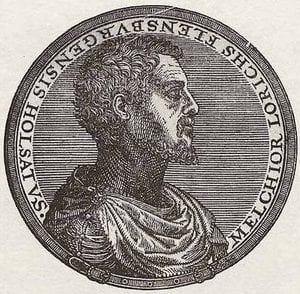
Melchior Lorck
1527 - 1564 , Germany
მოკლე ფაქტები
- Artistic Movement Or Style: Renaissance
- Artists Or Movements Influenced By This Artist:
- Wenzel Hollar
- Cornelis de Bruijn
- Artists Who Influenced This Artist:
- Heinrich Aldegrever
- Albrecht Dürer
- Date Of Birth: 1526/27
- Date Of Death: 1583
- Full Name: Melchior Lorck
- Nationality: Danish-German
- Notable Artworks:
- Constantinople Prospect
- The Turkish Publication
- Place Of Birth: Flensburg, Germany
მსგავსი სტატიები

The Psychology of Playful Imagery: Exploring Humorous and Whimsical Paintings as Catalysts for Emotional Wellbeing and Social Connection
Explore the psychology of playful art! Discover how humorous & whimsical paintings foster emotional wellbeing & connection. Expert insights for collectors & luxury home decor. ArtsDot.

Renaissance Visions: Exploring Artistic Innovation & Cultural Shifts in 16th Century Art
Explore the artistic revolution of the 16th-century Renaissance! Discover humanist ideals, groundbreaking techniques & iconic masterpieces by Raphael, Michelangelo & more. A deep dive into art history.

როი ლიხტენშტაინის 25 გამორჩეული ნაწარმოები | სახატავი ხელოვნება ArtsDot-ზე
გაიცანით როი ლიხტენშტაინის 25 გამორჩეული ნაწარმოები! პოპ-არტის ხელოვნება, კომიკსების სტილი და უნიკალური ფერები ArtsDot-ზე. ნახატები იყიდეთ მუზეუმის ხარისხით და შექმნით განსაცვიფრებელი ინტერიერი. აღმოაჩინეთ მეტი ArtsDot.com-ზე!

Playful Masterpieces: Top 10 Artworks for a Joyful Home | ArtsDot
Find joy & inspiration! Explore 10 playful masterpieces by Monet, Matisse & more. Discover art history, vibrant colors & uplifting stories behind these iconic paintings. Museum-quality reproductions at ArtsDot.com – explore the full collection online!

The Allure of Playfulness in Art: Exploring Emotional Resonance & Aesthetic Impact
Explore the captivating world of playful art & its emotional impact! Discover Impressionism, Abstract Expressionism & more with ArtsDot.com – museum-quality reproductions & expert guidance for building a collection you'll love.