

 გაგზავნა
 გაზიარება
 დეტალები
 გზამკვლევი

 ჩამოტვირთვა
 მსგავსები
 სლაიდშოუ
 Q&A
Q&A სტატისტიკა
Tunic


 სრული ტექსტის ნახვა
გიკლე / ხელოვნების პრინტი
მუზეუმის დონის ჟიკლე ან ტილოზე ბეჭდვა სწრაფი წარმოებისა და დასრულების მოქნილი ვარიანტებით. ( შეიძინეთ ხელით შესრულებული ნახატი გადასვლა ციფრულ გამოსახულებაზე)




































აირჩიეთ ჩვენს მიერ წინასწარ განსაზღვრული ზომებიდან, რომლებიც ნაწარმოების ორიგინალურ პროპორციებს შეესაბამება.

შეიყვანეთ თქვენთვის საჭირო სიგანე და სიმაღლე, რათა იგი მოერგოს თქვენს ჩარჩოს ან კედელს. ბეჭდვისას შესაძლებელია მხოლოდ მისი შემცირება და არა გაზრდა, ამიტომ სხვა ფორმის ზომის შემთხვევაში გამოსახულება ნაწილობრივ იკარგება. სანამ რაიმეს დაბეჭდავთ, ჩვენ გამოგიგზავნით ციფრულ მაკეტს დასდასტურებლად. ამ გვერდზე ნაჩვენები სურათი არ ასახავს რეალურ ჭრას — ამას მხოლოდ მაკეტი გვიჩვენებს.
მიწოდება მთელ მსოფლიოში () 2 კვირაში, სტანდარტული 4/5 კვირის ნაცვლად. (2 ნოემბერი)

უფასო ექსპრეს მიწოდება მთელ მსოფლიოში

მაღალი ხარისხის ტილო

ტრანსპორტირების სრული დაზღვევა

საბაჟო გადასახადების დაბრუნების გარანტია

ფერების სრული შესაბამისობის გარანტია

დაბრუნების 100-დღიანი პერიოდი (მხოლოდ წარმოების დეფექტის შემთხვევაში)

100% თანხის სრული დაბრუნების გარანტია

ფასდაკლება დიდი რაოდენობით შეკვეთისას
 მინის ჩარჩოს არჩევანი ხელმისაწვდომია მხოლოდ 110 სმ-მდე ზომისთვის

Tunic
გიკლე / ხელოვნების პრინტი
რეპროდუქციის ზომა
-


ჯამური ღირებულება
₾ 161
The Enigmatic Allure of Mariano Fortuny’s Tunic
Mariano Fortuny y Madrazo (1871-1949), the Spanish artist and designer born in Venice, remains a figure of profound mystery and captivating beauty. More than simply a painter or textile innovator, he was a master orchestrator of sensation – a creator who seamlessly blended Orientalist dreams with European elegance, theatrical spectacle with intimate design. His legacy isn’t confined to a single style; it's woven into the very fabric of his creations, most famously embodied in pieces like this exquisite tunic, a testament to his revolutionary approach to color, texture, and light.
Fortuny’s artistic journey began not in Spain, but amidst the vibrant canals and artistic circles of Venice. His father, Mariano Fortuny y Marsal, a celebrated genre painter who tragically died when Mariano was just three years old, instilled in him a deep appreciation for visual storytelling and the power of capturing fleeting moments. This early exposure shaped his own approach – he wasn’t merely depicting reality; he was constructing an atmosphere, a mood, a carefully curated experience for the viewer. His work frequently draws upon the exoticism of the East, particularly Morocco, reflecting a fascination with its rich culture, vibrant colors, and intricate patterns, which he then reinterpreted through a distinctly European lens.
A Symphony of Silk and Shadow: Technique and Materials
This particular tunic exemplifies Fortuny’s groundbreaking techniques. Crafted from Marocain silk crepe – a luxurious fabric known for its subtle sheen and ability to hold dye with remarkable intensity – it showcases his mastery of layering and manipulation. The design itself is a marvel of intricate stamping, a process he perfected over decades, allowing him to create incredibly detailed patterns directly onto the fabric without the need for traditional printing methods. This technique, combined with hand-painted embellishments, resulted in a surface that appears both meticulously planned and intuitively organic.
Notice the subtle variations in color – the deep blues and greens of the background, punctuated by delicate ivory accents. Fortuny’s use of color wasn't arbitrary; he understood its psychological impact, employing muted tones to evoke a sense of serenity and mystery while strategically placed highlights drew the eye to key elements within the design. The fabric itself is treated with a special finish that gives it a unique tactile quality – a slight sheen combined with a subtle matte effect, creating an illusion of depth and movement.
Symbolism and Narrative: Echoes of Antiquity
The tunic’s design isn't merely decorative; it’s laden with symbolic meaning. The geometric patterns—squares, rectangles, and stylized floral motifs—echo the aesthetic principles of ancient civilizations, particularly Egypt and Greece. Fortuny was deeply influenced by antiquities, collecting fragments of Roman mosaics and Egyptian textiles that informed his artistic vision. The arrangement of these shapes suggests a deliberate attempt to evoke a sense of timelessness, connecting the viewer to a distant past.
Furthermore, the tunic’s overall composition—the interplay of light and shadow, the carefully balanced proportions—recalls the principles of theatrical design, a field in which Fortuny made his most significant contributions. He revolutionized stage lighting with his “fortuny cyclorama dome,” a device that used reflected light to create seamless transitions between scenes, transforming the theater into a truly immersive experience. This same meticulous attention to detail and dramatic effect is evident in this tunic, suggesting a deliberate intention to transport the wearer – and the viewer—to another world.
A Legacy of Elegance: Fortuny’s Enduring Influence
Mariano Fortuny's work continues to resonate today, not only for its exquisite beauty but also for its innovative techniques and profound artistic vision. His influence can be seen in the work of countless designers, from Elsa Schiaparelli to Yves Saint Laurent. The “Delphos” gown, a signature piece of his oeuvre, remains an iconic symbol of elegance and sophistication. Reproductions of Fortuny’s textiles are highly sought after by collectors and interior designers alike, who appreciate their timeless appeal and the unique atmosphere they create. This tunic, in particular, stands as a powerful reminder of the artist's genius – a testament to his ability to transform simple materials into objects of extraordinary beauty and enduring significance.
კითხვები და პასუხები
სახლში რომელი ნაწილი უხდება ყველაზე მეტად "Tunic"-ის რეპროდუქციას?
„Tunic“-ის რეპროდუქცია კარგად მოერგება Living Room-ს.
რამდენი წლის იყო მარიანო ფორტუნი, როდესაც 1925 წელს შექმნა „Tunic“?
როდესაც 1925 წელს შექმნა „Tunic“, მარიანო ფორტუნი, რომელიც 1871-ში დაიბადა, 54 წლის იყო.
რომელი მხატვარი და რომელი სტილი დგას „Tunic“-ის უკან?
მარიანო ფორტუნი-მა შექმნა „Tunic“ Orientalist Romanticism სტილის ფარგლებში.
მსგავსი ნამუშევრები


მხატვრის ბიოგრაფია
ადრეული ცხოვრება და შთაგონება
მარიანო ფორტუნი, ესპანელი მოდის დიზაინერი, 1871 წლის 11 მაისს, ესპანეთში, გრანადაში დაიბადა. მისი მამა, მარიანო ფორტუნი ი მარსალი, ჟანრული მჭევრმეტყველი მხატვარი იყო, რომელიც მარიანოს მხოლოდ სამი წლის ასაკში გარდაიცვალა. ამ ტრაგედიამ ოჯახი საფრანგეთში, პარიზში გადასახლება აიძულა, სადაც დედამ მარიანო სხვადასხვა სახის ტექსტილსა და ქსოვილს გააცნო, რამაც მოგვიანებით უდიდესი გავლენა მოახდინა მის შემოქმედებით ნიჭზე.არტისტული ნიჭი და გამოგონებები
მარიანო ფორტუნიმ თავისი მხატვრული ტალანტი ბავშვობიდანვე გამოავლინა, რაც დადასტურებული იყო მისი უნარებით ფერწერაში, ფოტოგრაფიაში, სკულპტურაში, არქიტექტურაში, etching-სა და თეატრალური სცენის განათების დიზაინში. მისმა გამოგონებებმა, რომელთაგან ოციზე მეტი 1901-დან 1934 წლამდე იყო პატენტებული, რევოლუცია მოახდინა თეატრალური დიზაინის სამყაროში:- მან შექმნა ფორტუნის ციკლორამას დომი — ნახევარგუმბათოვანი სტრუქტურა, რომელიც დამზადებული იყო დუღმათი ან ქსოვილიდან და იყენებდა არაპირდაპირ განათებას სცენებს შორის შეუფერხებელი გადასვლის შესაქმნელად;
- მისმა ტრაქტატმა „eclairage scenique“ (1904) აღწერა სხვადასხვა ზედაპიანზე სინათლის არეკვლის მიერ მისი ფერის, ინტენსივობისა და თვისებების შეცვლის აღმოჩენა.
გამორჩეული წვლილი და კოლაბორაციები
მარიანო ფორტუნის ნამუშევრებმა ფართო აღიარება 1920-იან წლებში მოიპოვა. იგი თანამშრომლობდა ისეთ გამორჩეულ ფიგურებთან, როგორებიც იყვნენ:- რიჩარდ ვაგნერი, გერმანელი კომპოზიტორი, რომლის ოპერებმაც მარიანოს სცენების დახატვა შთაგონა;
- მილანის ცნობილი ოპერული თეატრი, La Scala, სადაც მან დაამონტაჟა თავისი გუმბათი, მოარგო უფრო დიდ თეატრს და გამოიგონა სक्शनის ვენტილატორი მისი დაჭიმული სტრუქტურის შესანარჩუნებლად.
მემკვიდრეობა და გვიანი წლები
მარიანო ფორტუნი 1949 წლის 3 მაისს, იტალიაში, ვენეციაში გარდაიცვალა. მისმა შემოქმედებამ შთაგონება მისცა ფრანგ მწერალ მარსელ პრუსტს, ხოლო მისი ცხოვრება პერე გიმფერერის რომანში „ფორტუნი“ არის ასახული. მარიანოს მემკადვე დღემდე ახდენს გავლენას თეატრალური დიზაინის სამყაროზე.- აღმოაჩინეთ მეტი მარიანო ფორტუნის გამოგონებებისა და დიზაინის შესახებ ArtsDot-ის კოლექციაში.
- გაეცანით მისი ნამუშევრების გავლენას თეატრალურ განათებაზე სტატიაში თეატრალური განათების შესახებ (აშშ), რომელიც მოგვითხრობს ერთი უბედური შემთხვევის შესახებ, რომელმაც ამერიკული ხელოვნების ისტორია შეცვალა, ხელმისაწვდომია ArtsDot-ის ბლოგზე.
მარიანო ფორტუნისა და სხვა ხელოვანების შერჩეული ნამუშევრები
- მარიანო ფორტუნი: Teagown (ბოსტონის ხელოვნების მუზეუმი, აშშ), ხელმისაწვდომია ArtsDot-ის კოლექციაში.
- მარკ ჩაღალი: სტუდია 'ლექსთა ლექსის IV'-ისთვის (ნაივიზმი / პრიმიტივიზმი), ხელმისაწვდომია ArtsDot-ის კოლექციაში.
- პაბლო პიკასო: Klarineti (ანალიტიკური კუბიზმი, ზეთი ტილოზე), ხელმისაწვდომია ArtsDot-ის კოლექციაში.
- ვინსენტ ვან გოგი: ხის ფესვები (50 x 100 სმ, პოსტიმპრესიონიზმი, ზეთი ტილოზე), ხელმისაწვდომია ArtsDot-ის კოლექციაში.

მარიანო ფორტუნი
1871 - 1949 , ესპანეთი
მოკლე ფაქტები
- Artistic Movement Or Style: აღმოსავლური ხელოვნება
- Artists Or Movements Influenced By This Artist: ['მარსელ პრუსტი']
- Artists Who Influenced This Artist: ['რიხარდ ვაგნერი']
- Date Of Birth: 1871 წლის 11 მაისი
- Date Of Death: 1949 წლის 3 მაისი
- Full Name: まりანო ფორტუნი ი მარსალი
- Nationality: ესპანელი
- Notable Artworks:
- თეაგაუნი
- ჰენრიეტე ფორტუნის პორტრეტი
- Place Of Birth: გრანაडा, ესპანეთი
მსგავსი სტატიები

Jacopo Tintoretto: 25 შედევრი, რომელმაც ხელოვნების ისტორია შეცვალა | ArtsDot.com
აღმოაჩინეთ Jacopo Tintoretto-ს 25 უნიკალური შედევრი! ვენეციელი მხატვრის დრამატული სტილი, რენესანსის ფერები და ბაროკოს სიდიადე. შეიძინეთ ტიტორი-ს ნახატების რეპროდუქციები ArtsDot.com-ზე და შექმნით განსაცვიფრებელი ინტერიერს.

Woven Wonders: A Beginner's Guide to Elevating Your New Home with Timeless Textile Art
Discover how to transform your new home with the warmth of textile art. Our expert guide for newlyweds explores handwoven tapestries, tactile fibers, and timeless ways to curate a soulful, sophisticated interior through beautiful woven wonders.

Mariano Fortuny: A Fusion of Art, Fashion & Design – Exploring a Venetian Innovator's Legacy
Explore the captivating world of Mariano Fortuny – artist, designer & innovator. Discover his revolutionary textiles, iconic Delphos gown, and lasting influence on art, fashion & interiors. A collector's guide to a Venetian master.
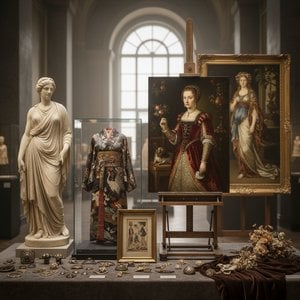
Draped Narratives: Fashion as Symbol & Subject in Historical Art
Explore the fascinating history of fashion as a symbol of power & status in art! Discover masterpieces from Gainsborough to Tissot and learn how clothing shaped societal narratives. Find museum-quality reproductions at ArtsDot.

Gianfranco Ferré: Deconstructing Haute Couture – A Legacy of Architectural Form
Explore the revolutionary world of Gianfranco Ferré, 'the architect of fashion.' Discover his architectural approach to haute couture, iconic Dior designs, and lasting influence on luxury style. A deep dive for collectors & enthusiasts.
