


 გაგზავნა
 გაზიარება
 დეტალები
 გზამკვლევი

 ჩამოტვირთვა
 მსგავსები
 სლაიდშოუ
 სტატისტიკა
Block for printing textiles
 Textile
- Celtic-inspired design
 1905
1905 14.0 x 11.0 cm
 Palazzo Fortuny
 სრული ტექსტის ნახვა
გიკლე / ხელოვნების პრინტი
მუზეუმის დონის ჟიკლე ან ტილოზე ბეჭდვა სწრაფი წარმოებისა და დასრულების მოქნილი ვარიანტებით. ( შეიძინეთ ხელით შესრულებული ნახატი გადასვლა ციფრულ გამოსახულებაზე)




































აირჩიეთ ჩვენს მიერ წინასწარ განსაზღვრული ზომებიდან, რომლებიც ნაწარმოების ორიგინალურ პროპორციებს შეესაბამება.

თქვენ შეგიძლიათ მიუთითოთ საკუთარი ზომები კონკრეტული ჩარჩოსთვის ან სივრცისთვის მოსარგებლებლად. თუ თქვენ მიერ არჩეული ზომა არ შეესაბამება ორიგინალი გამოსახულების პროპორციებს, ჩვენ ან დავჭრით ნამუშევარს, ან გავაფართოვებთ გამოსახულებას სარკული ან ერთფეროვანი კიდეებით. წარმოების დაწყებამდე თქვენს დასამტკიცებლად გამოგეგზავნებათ ციფრული მაკეტი.
გთხოვთ, გაითვალისწინოთ, რომ ეკრანზე ნაჩვენები წინასწარი ნახვა არ ასახავს რეალურ ჭრას ან გაფართოებას. მხოლოდ მაკეტზე იქნება ზუსტად წარმოდგენილი საბოლოო კომპოზიცია.
მიუხედავად იმისა, რომ ინდივიდუალური ზომები ხელმისაწვდომია, ორიგინალური პროპორციების შესანარჩუნებლად გირჩევთ, აირჩიოთ ზომა წინასწარ განსაზღვრული სიისგან.
მიწოდება მთელ მსოფლიოში () 2 კვირაში, სტანდარტული 4/5 კვირის ნაცვლად. (26 სექტემბერი)

უფასო ექსპრეს მიწოდება მთელ მსოფლიოში

მაღალი ხარისხის ტილო

ტრანსპორტირების სრული დაზღვევა

საბაჟო გადასახადების დაბრუნების გარანტია

ფერების სრული შესაბამისობის გარანტია

დაბრუნების 100-დღიანი პერიოდი (მხოლოდ წარმოების დეფექტის შემთხვევაში)

100% თანხის სრული დაბრუნების გარანტია

ფასდაკლება დიდი რაოდენობით შეკვეთისას
 მინის ჩარჩოს არჩევანი ხელმისაწვდომია მხოლოდ 110 სმ-მდე ზომისთვის

Block for printing textiles
გიკლე / ხელოვნების პრინტი
რეპროდუქციის ზომა
-


ჯამური ღირებულება
$ 62
A Fragment of Ancient Echoes: Mariano Fortuny’s ‘Block for Printing Textiles’
Within the hushed galleries of art history resides a deceptively simple object – a wooden block, carved with an intricate dance of geometric forms and subtly suggestive Celtic motifs. This is not merely a tool; it's a portal to a bygone era, a tangible link to the artistic ingenuity of Mariano Fortuny y Madrazo, a Spanish polymath whose vision transcended mere decoration. Fortuny’s ‘Block for Printing Textiles’ (1905), now meticulously reproduced in exquisite detail, offers a glimpse into his revolutionary approach to design and theatrical lighting, revealing a mind deeply influenced by both ancient traditions and the burgeoning innovations of the early 20th century.
The block itself is crafted from boxwood, a material prized for its density and ability to retain fine details. Its surface isn’t smooth; rather, it bears the marks of deliberate carving – deep grooves that would have held the inked patterns during the printing process. The design is remarkably restrained yet profoundly evocative. Dominating the block are two opposing faces, each presenting a stylized human form, seemingly caught in an eternal embrace or contemplation. These aren’t literal representations; they're abstracted figures, hinting at themes of duality, balance, and perhaps even the interplay between masculine and feminine energies – a recurring motif throughout Fortuny’s oeuvre.
The Weaver of Light and Shadow: Fortuny’s Theatrical Legacy
To fully appreciate this block, one must understand Fortuny's broader artistic ambitions. Born in Granada in 1871, he inherited his father’s legacy as a painter but quickly developed an insatiable curiosity for diverse crafts – from sculpture and architecture to photography and stage lighting. His fascination with the theatre, particularly the work of Richard Wagner, proved transformative. Fortuny recognized that traditional theatrical design relied on jarring transitions between scenes, disrupting the immersive experience he envisioned. He sought to create a seamless flow, mimicking the natural progression of light and shadow.
This quest led him to develop the “Fortuny cyclorama dome,” a revolutionary device that utilized indirect lighting reflected off various surfaces to eliminate harsh shadows and create a continuous, atmospheric illumination across the stage. His treatise, ‘Eclairage Scenique’ (1904), meticulously documented his discoveries – a radical departure from conventional stage design. The block for printing textiles wasn't simply a decorative element; it was intrinsically linked to this larger project, serving as a visual representation of the geometric principles underpinning his lighting system. The precise patterns carved into the wood mirrored the complex interplay of light and shadow he sought to achieve on stage.
Roots in Ancient Techniques: Woodblock Printing’s Enduring Allure
Fortuny's work is deeply rooted in the rich history of woodblock printing, a technique that stretches back millennia. From its origins in ancient China – where it was used for both textiles and paper – to its flourishing in Japan (ukiyo-e prints), this method has served as a powerful tool for artistic expression. The block itself embodies this legacy: a testament to the skill of artisans who patiently carved intricate designs into wood, preparing them for the application of ink and subsequent transfer onto fabric.
Consider the influence of traditional Japanese ukiyo-e prints, characterized by bold outlines, flat planes of color, and a focus on capturing fleeting moments of beauty. While Fortuny’s style is distinctly his own – incorporating elements of Celtic design and a refined European aesthetic – one can discern echoes of this ancient tradition in the block's composition and its emphasis on geometric abstraction. The careful consideration given to the carving process itself speaks volumes about the dedication and artistry involved.
A Timeless Echo: Reproduction and Artistic Resonance
Today, ‘Block for Printing Textiles’ is brought back to life through meticulous hand-painted reproductions. These aren't mere copies; they are faithful interpretations that capture the essence of Fortuny’s original vision. The subtle variations in color, texture, and detail reflect the inherent imperfections of the handcrafted process – a reminder that each reproduction possesses its own unique character.
Whether adorning a contemporary interior or serving as a focal point in an art collection, this block offers more than just visual appeal. It’s a window into the mind of a visionary artist, a celebration of ancient techniques, and a testament to the enduring power of design to evoke emotion and inspire contemplation. It's a fragment of ancient echoes, brought vividly back to life.
მსგავსი ნამუშევრები


მხატვრის ბიოგრაფია
ადრეული ცხოვრება და შთაგონება
მარიანო ფორტუნი, ესპანელი მოდის დიზაინერი, 1871 წლის 11 მაისს, ესპანეთში, გრანადაში დაიბადა. მისი მამა, მარიანო ფორტუნი ი მარსალი, ჟანრული მჭევრმეტყველი მხატვარი იყო, რომელიც მარიანოს მხოლოდ სამი წლის ასაკში გარდაიცვალა. ამ ტრაგედიამ ოჯახი საფრანგეთში, პარიზში გადასახლება აიძულა, სადაც დედამ მარიანო სხვადასხვა სახის ტექსტილსა და ქსოვილს გააცნო, რამაც მოგვიანებით უდიდესი გავლენა მოახდინა მის შემოქმედებით ნიჭზე.არტისტული ნიჭი და გამოგონებები
მარიანო ფორტუნიმ თავისი მხატვრული ტალანტი ბავშვობიდანვე გამოავლინა, რაც დადასტურებული იყო მისი უნარებით ფერწერაში, ფოტოგრაფიაში, სკულპტურაში, არქიტექტურაში, etching-სა და თეატრალური სცენის განათების დიზაინში. მისმა გამოგონებებმა, რომელთაგან ოციზე მეტი 1901-დან 1934 წლამდე იყო პატენტებული, რევოლუცია მოახდინა თეატრალური დიზაინის სამყაროში:- მან შექმნა ფორტუნის ციკლორამას დომი — ნახევარგუმბათოვანი სტრუქტურა, რომელიც დამზადებული იყო დუღმათი ან ქსოვილიდან და იყენებდა არაპირდაპირ განათებას სცენებს შორის შეუფერხებელი გადასვლის შესაქმნელად;
- მისმა ტრაქტატმა „eclairage scenique“ (1904) აღწერა სხვადასხვა ზედაპიანზე სინათლის არეკვლის მიერ მისი ფერის, ინტენსივობისა და თვისებების შეცვლის აღმოჩენა.
გამორჩეული წვლილი და კოლაბორაციები
მარიანო ფორტუნის ნამუშევრებმა ფართო აღიარება 1920-იან წლებში მოიპოვა. იგი თანამშრომლობდა ისეთ გამორჩეულ ფიგურებთან, როგორებიც იყვნენ:- რიჩარდ ვაგნერი, გერმანელი კომპოზიტორი, რომლის ოპერებმაც მარიანოს სცენების დახატვა შთაგონა;
- მილანის ცნობილი ოპერული თეატრი, La Scala, სადაც მან დაამონტაჟა თავისი გუმბათი, მოარგო უფრო დიდ თეატრს და გამოიგონა სक्शनის ვენტილატორი მისი დაჭიმული სტრუქტურის შესანარჩუნებლად.
მემკვიდრეობა და გვიანი წლები
მარიანო ფორტუნი 1949 წლის 3 მაისს, იტალიაში, ვენეციაში გარდაიცვალა. მისმა შემოქმედებამ შთაგონება მისცა ფრანგ მწერალ მარსელ პრუსტს, ხოლო მისი ცხოვრება პერე გიმფერერის რომანში „ფორტუნი“ არის ასახული. მარიანოს მემკადვე დღემდე ახდენს გავლენას თეატრალური დიზაინის სამყაროზე.- აღმოაჩინეთ მეტი მარიანო ფორტუნის გამოგონებებისა და დიზაინის შესახებ ArtsDot-ის კოლექციაში.
- გაეცანით მისი ნამუშევრების გავლენას თეატრალურ განათებაზე სტატიაში თეატრალური განათების შესახებ (აშშ), რომელიც მოგვითხრობს ერთი უბედური შემთხვევის შესახებ, რომელმაც ამერიკული ხელოვნების ისტორია შეცვალა, ხელმისაწვდომია ArtsDot-ის ბლოგზე.
მარიანო ფორტუნისა და სხვა ხელოვანების შერჩეული ნამუშევრები
- მარიანო ფორტუნი: Teagown (ბოსტონის ხელოვნების მუზეუმი, აშშ), ხელმისაწვდომია ArtsDot-ის კოლექციაში.
- მარკ ჩაღალი: სტუდია 'ლექსთა ლექსის IV'-ისთვის (ნაივიზმი / პრიმიტივიზმი), ხელმისაწვდომია ArtsDot-ის კოლექციაში.
- პაბლო პიკასო: Klarineti (ანალიტიკური კუბიზმი, ზეთი ტილოზე), ხელმისაწვდომია ArtsDot-ის კოლექციაში.
- ვინსენტ ვან გოგი: ხის ფესვები (50 x 100 სმ, პოსტიმპრესიონიზმი, ზეთი ტილოზე), ხელმისაწვდომია ArtsDot-ის კოლექციაში.

მარიანო ფორტუნი
1871 - 1949 , ესპანეთი
მოკლე ფაქტები
- Artistic Movement Or Style: აღმოსავლური ხელოვნება
- Artists Or Movements Influenced By This Artist: ['მარსელ პრუსტი']
- Artists Who Influenced This Artist: ['რიხარდ ვაგნერი']
- Date Of Birth: 1871 წლის 11 მაისი
- Date Of Death: 1949 წლის 3 მაისი
- Full Name: まりანო ფორტუნი ი მარსალი
- Nationality: ესპანელი
- Notable Artworks:
- თეაგაუნი
- ჰენრიეტე ფორტუნის პორტრეტი
- Place Of Birth: გრანაडा, ესპანეთი
მსგავსი სტატიები

The Enduring Legacy of Fine Art Prints: Technique, History & Aesthetic Impact
Explore the rich history & techniques of fine art prints. Discover investment potential, assess authenticity, and learn how to preserve your collection with expert guidance. Trusted insights for discerning collectors.

Mariano Fortuny: A Fusion of Art, Fashion & Design – Exploring a Venetian Innovator's Legacy
Explore the captivating world of Mariano Fortuny – artist, designer & innovator. Discover his revolutionary textiles, iconic Delphos gown, and lasting influence on art, fashion & interiors. A collector's guide to a Venetian master.
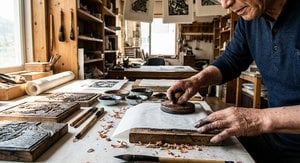
The Enduring Legacy of Woodblock Printmaking: Technique, History & Artistic Expression
Explore the rich history of woodblock printmaking – from ancient techniques to Ukiyo-e masterpieces. Discover expert insights on collecting, preserving & appreciating this enduring art form.

კაცუსიკა ჰოკუსაის 25 შედევრი: იაპონური ხელოვნების გენიალური ნაწარმოებები თქვენს სახლში
გაიცანით კაცუსიკა ჰოკუსაის 25 შედევრი! იაპონური ხელოვნების გენიალური ნაწარმოებები, უქიო-ე სტილი და ფუჯის მთის გამოსახულებები. შეიძინეთ ხატვის რეკონსტრუქციები ArtsDot.com-ზე და შექმნით თქვენი სახლისთვის განსაკუთრებული ინტერიერი.

Giclée Prints: Archival Quality & Aesthetic Nuances for the Discerning Collector
Explore the world of giclée prints with ArtsDot. Learn about archival quality, aesthetic nuances & investment potential. Expert guidance for discerning art collectors seeking museum-quality reproductions and lasting value.
