

 წინასწარი ნახვა
 გაგზავნა
 გაზიარება
 დეტალები

 ჩამოტვირთვა
 მსგავსები
 რენტგენოგრაფიული კვლევა
 სლაიდშოუ
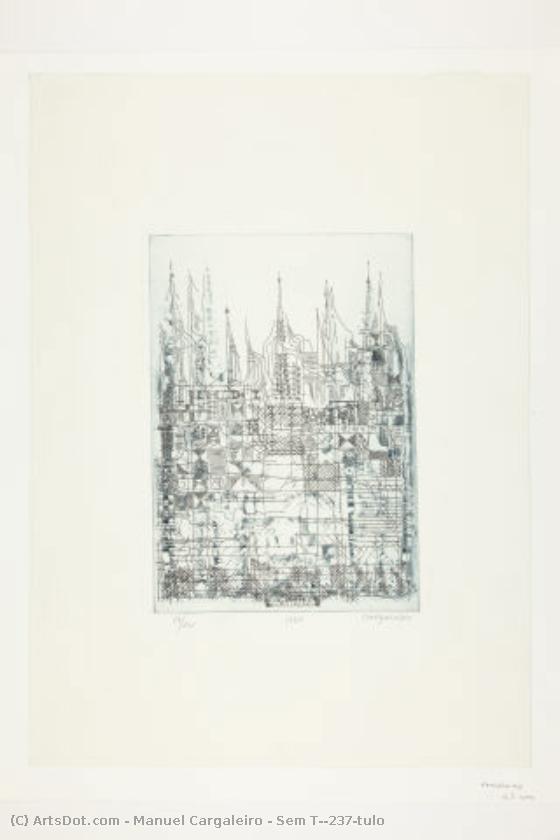
Sem Título
 Surrealism
 1982
1982 67.0 x 49.0 cm
 კალუსტე გულბენქიანის მუზეუმი
 გადასართად დაწვრილებით ნახეთ
ხელით ნაკვეთი ზეთის ტილოს რეპროდუქცია
ტილოზე შესრულებული ფერწერიანი ზეთប្រდათი, თქვენთვის სასურველი ზომისა და ჩარჩოსთვის, ჩვენი ხელოვანების მიერ შეკვეთის საფუძველზე დამზადებული. ( შეიძინეთ პრინტი შეიძინეთ გამოსახულება)




































აირჩიეთ ჩვენს მიერ წინასწარ განსაზღვრული ზომებიდან, რომლებიც ნაწარმოების ორიგინალურ პროპორციებს შეესაბამება.

თქვენ შეგიძლიათ მიუთითოთ თქვენთვის სასურველი ზომები კონკრეტული ჩარჩოს ან სივრცის შესაბამისად. თუ თქვენ მიერ არჩეული ზომა არ შეესაბამება ორიგინალი გამოსახულების პროპორციებს, ჩვენ ან შევაჭრებთ ნაწარმოებს, ან ტილოზე დავამატებთ ხელით მოხატულ ელემენტებს. წარმოების დაწყებამდე, დამტკიცებისთვის გამოგეგზავნებათ ციფრული მაკეტი.
გთხოვთ, გაითვალისწინოთ, რომ ეკრანზე ნაჩვენები წინასწარი შეხედულება არ ასახავს რეალურ შეჭრას ან გაფართოებას. საბოლოო კომპოზიციას ზუსტად მხოლოდ მაკეტი წარმოაჩენს.
მიუხედავად იმისა, რომ შესაძლებელია ინდივიდუალური ზომების შერჩევა, ორიგინალური პროპორციების შენარჩუნებისათვის გირჩევთ, გამოიყენოთ წინასწარ განსაზღვრული სიის ზომები.
შეკვეთის შემდეგ, ArtsDot.com გუნდი დაგიკავშირდებათ ელექტრონული ფოსტით ინსტრუქციებისთვის და გამოგიგზავნით წინასწარ ნახაზს (mockup).
მიწოდება მსოფლიო მასშტაბით -ში 3/4 კვირაში, სტანდარტული 5 კვირის ნაცვლად. (19 აგვისტო). ხარისხზე კომპრომისის გაკეთება არ მოხდება.

უფასო ექსპრეს მიწოდება მთელ მსოფლიოში

საბამად მაღალი ხარისხის ტილო

სრული ტრანსპორტირების დაზღვევა

საბაჟო გადასახადების დაბრუნების გარანტია

ფერების სრული შესაბამისობის გარანტია

60-დღიანი დაბრუნების პოლიტიკა (მხოლოდ დეფექტის შემთხვევაში)

100% თანხის დაბრუნების გარანტია

ფასდაკლება დიდი რაოდენობით შეკვეთისას
 მინის ჩარჩოს არჩევანი ხელმისაწვდომია მხოლოდ 110 სმ-ზე ნაკლები ზომისთვის

Sem Título
რეკლამაციის ტექნიკა
რეკლამაციის ზომა
-


საბოლოო ფასი
$ 263
დაკავშირებული ნამუშევრები


![Abstract Composition [triptych] — Vaclav Vytlacil, Abstract Expressionism](/media/artworks/images/thumbnails/e5/3d/e53db42ea02644b9a8e722f9d4dd3742.jpg)
მხატვრის ბიოგრაფია
The Soul of Geometry: The Artistic Odyssey of Manuel Cargaleiro
In the vast tapestry of twentieth-century art, few threads are as vibrant or as structurally profound as those woven by Manuel Cargaleiro. Born in 1927 in the serene landscape of Vila Velha de Ródão, Portugal, Cargaleiro emerged not from the rigid confines of formal academies, but as a brilliant autodidact, a self-taught visionary who allowed his intuition to guide his brush and clay. His journey was one of constant metamorphosis, moving between the tactile earthiness of ceramics and the ethereal expansiveness of painting. To look upon his work is to witness a dialogue between the ancient traditions of the Iberian Peninsula and the cutting-scale abstractions of the modern era, a seamless blend where the weight of history meets the lightness of geometric thought.
Cargaleiro’s artistic language was deeply rooted in the azulejo—the iconic Portuguese ceramic tiles that carry the echoes of Arab craftsmanship. However, he did not merely replicate tradition; he revolutionized it. By treating the tile as a modular unit of a much larger, dynamic composition, he transformed static surfaces into breathing landscapes of color and form. This fascination with the decorative arts was balanced by his profound engagement with the École de Paris. Settling in France in 1957, he found himself immersed in an atmosphere of avant-garde experimentation. The works of masters such as Robert Delaunay, Max Ernst, Victor Vasarely, and Paul Klee acted as celestial guides, teaching him how to utilize primary colors and geometric modules to suggest movement, depth, and a rhythmic pulse within a two-dimensional plane.
A Legacy Carved in Clay and Color
The true magic of Cargaleiro’s oeuvre lies in his ability to evoke spatial dynamism through simplified shapes. His compositions often feel as though they are in a state of perpetual motion, where a single line or a bold block of color can trigger a sense of cosmic expansion. This mastery of lyrical abstraction allowed him to communicate complex emotional truths through the most fundamental visual elements. Whether he was working on large-scale frescoes—such as his celebrated contribution to the Champs-Elysées Clémenceau subway station in Paris—or intimate etchings, his dedication to the interplay of light and geometry remained unwavering.
His achievements were recognized far beyond the borders of Portugal, earning him prestigious decorations and honors across France and Italy. His life’s work was not merely a collection of objects, but an institutional legacy, evidenced by the Foundation-Museum Manuel Cargaleiro, which stands as a testament to his generosity and his commitment to preserving the art of ceramics. As we reflect on his passing in June 2024, we see an artist who successfully bridged the gap between the artisanal and the avant-garde, leaving behind a world that is infinitely more colorful, structured, and profound.
Key Milestones of His Career:
- Self-Taught Beginnings: Developed a unique aesthetic through personal exploration and observation.
- Mastery of Azulejo: Elevated Portuguese ceramic tile art into a sophisticated medium for modern abstraction.
- Parisian Influence: Integrated the principles of the École de Paris, focusing on spatial dynamism and primary color palettes.
- Public Artistry: Created monumental works, including iconic frescoes for the Paris Metro.
- Institutional Impact: Established a lasting legacy through the creation of museums and foundations dedicated to ceramic excellence.

Manuel Cargaleiro
1927 - , Portugal
მოკლე ინფორმაცია
- Artistic Movement Or Style: Geometric abstraction
- Artists Or Movements Influenced By This Artist: ['École de Paris']
- Artists Who Influenced This Artist:
- Delaunay
- Ernst
- Vasarely
- Klee
- Date Of Birth: 1927
- Full Name: Manuel Cargaleiro
- Nationality: Portuguese
- Notable Artworks:
- Sem Título
- Estudo Raionista
- Paisagem do meu Jardim
- Place Of Birth: Vila Velha de Ródão, Portugal
დაკავშირებული სტატიები

Etching Masters: 10 Legendary Prints That Revolutionized Art | ArtsDot
Journey through 10 legendary etching masterpieces by Rembrandt, Dürer & Goya. Explore the history of printmaking and discover timeless art for your home. Find museum-quality reproductions at ArtsDot.com.

შექსտროფული გამოხატვის აბსტრაქციზმის 10 შედევრი: ხელოვნება თქვენი სახლისთვის
აღმოფრთოვანდით აბსტრაქტული გამოხატვისმანიერიზმის 10 უმშვენიერეს შედევრთან! ვასელის, პოლ locks-ის და სხვა ცნობილი მხატვრების ისტორიები. შეიძინეთ მაღალი ხარისბის ხელოვნების რეპროდუქციები ArtsDot.com-ზე და შეცვალეთ თქვენი სახლი!

Etching: A Historical Survey of Technique, Aesthetic Qualities & Enduring Artistic Significance
Explore the rich history of etching, from its origins to Rembrandt's masterful innovations. Discover the technique, aesthetic qualities & enduring legacy of this captivating art form. Expert insights for collectors and enthusiasts.

გეომეტრიული აბსტრაქცია: 10 შედევრი, რომელმაც ხელოვნება განსაზღვრა | ArtsDot.com
გეომეტრიული აბსტრაქციის 10 შედევრი მონდრიანის, მალევიჩისა და კანდინსკის ჩართულობით. გაიგეთ მათი ისტორია, ტექნიკა და გავლენა ხელოვნებაზე. შეიძინეთ უმაღლესი ხარისხის რეკონსტრუქციები ArtsDot.com-ზე!

The Intricate World of Etching: A Historical Survey of Technique, Aesthetic Evolution, and Enduring Artistic Impact
Explore the rich history of etching, from its origins to modern practice. Discover techniques, key artists like Rembrandt, and insights for collectors. A comprehensive guide by ArtsDot.

