

- 50.0 x 35.0 cm


სურათი შეესაბამება თქვენს არჩევანს: , .
კოლექციონირებადი ნივთის აღწერა
Lucas Cranach’s ‘The Three Graces’ captures Renaissance beauty with ethereal figures and classical symbolism. This Northern Renaissance masterpiece, painted in 1535, offers a timeless depiction of feminine grace – discover this iconic artwork.
 სრული ტექსტის ნახვა
მხატვრის ბიოგრაფია
Лукас Кранх Старший – ключевая фигура немецкого Возрождения, известный своими портретами и произведениями искусства Реформации. Его жизнь прошла в эпоху религиозных и политических потрясений, а искусство стало отражением этих изменений. Он работал в основном при поддержке Электора Фридриха III Саксонского и был одним из самых влиятельных художников своего времени. Кранх Старший создал более десяти
ხელით შესრულებული ზეთის საღებავით რეპროდუქცია
ტილოზე შესრულებული ფერწერიანი ზეთប្រდათი, თქვენთვის სასურველი ზომისა და ჩარჩოსთვის, ჩვენი ხელოვანების მიერ შეკვეთის საფუძველზე დამზადებული. ( გადართვა ბეჭდვის რეჟიმზე გადასვლა ციფრულ გამოსახულებაზე)
მეტი ამ ნახატის შესახებ
 ნახვა ინტერьерში
 გაგზავნა
 გაზიარება
 დეტალები
 გზამკვლევი

 ჩამოტვირთვა
 მსგავსები
 რენტგენოგრაფიული კვლევა
 სლაიდშოუ
 კითხვა-პასუხი
 სტატისტიკა
დაგვიკვეთეთ თქვენი ნახატი ოთხ მარტივ ნაბიჯში
არ იჩქაროთ. ნებისმიერი პასუხის შეცვლა შეგიძლიათ; თქვენს შეკვეთაში ფასი თითოეულ არჩევანს მოჰყვება.
1 პირველი ნაბიჯი ოთხიდან
რომელი ზომა გსურთ?
ეს ზომები ინარჩუნებს ორიგინალი ნახატის პროპორციებს. ილუსტრაცია აჩვენებს თქვენს არჩევანს კედელზე, ორმეტრიანი სავარძლის ზემოთ.
ან მიუთითეთ თქვენი საკუთარი ზომები
აირჩიეთ ჩვენს მიერ წინასწარ განსაზღვრული ზომებიდან, რომლებიც ნაწარმოების ორიგინალურ პროპორციებს შეესაბამება.

შეიყვანეთ თქვენთვის საჭირო სიგანე და სიმაღლე, რათა ნახატი მოერგოს თქვენს ჩარჩოს ან კედელს. ვინაიდან ეს ნამუშევარი ხელით არის შესრულებული, სხვა ფორმის ზომის შემთხვევაში, მხატვარმა შესაძლოა სურათის გარშემო ოდნავ მეტი დატოვოს ან შეამციროს — არჩევანი თქვენზეა. დაწყებამდე, დასამტკიცებლად, ჩვენ გამოგიგზავნით ციფრულ მაკეტს. ამ გვერდზე ნაჩვენები სურათი არ ასახავს რეალურ შედეგს — რეალური სახე მხოლოდ მაკეტზე ჩანს.
2 ნაბიჯი ორი ოთხიდან
როგორ უნდა იყოს მომზადებული: დახვეული, დაჭიმული თუ ჩარჩოში ჩასმული?
ქვემოთ მოცემული ფასები განკუთვნილია პირველ საფეხურზე თქვენ მიერ არჩეული ზომისთვის.
შეარჩიეთ დაჭიმული ტილოს კიდეები
შეარჩიეთ ჩარჩო

თეთრი კიდეები ₾1

ბუნდოვანი კიდეები ₾1

გაფართოებული ₾1

P118B ₾10

P118H ₾10

P118W ₾10

P438Z ₾10

P508JH ₾12

P508YH ₾12

P805H ₾10

P805Z ₾10

P919BZ ₾10

P919G ₾10

P919XJ ₾10

P959ZH ₾10

P968JZ ₾12

W106C ₾8

W218G ₾10

W218JH ₾8

W218Y ₾10

W307PJ ₾10

W316G ₾10

W316PJ ₾8

W316Y ₾10

W398PJ ₾8

W4111J ₾10

W500HY ₾15

W500JH ₾15

W692G ₾12

W849H ₾8

W940BG ₾15

W953PJ ₾8

H24-GOLD ₾30

H24-SILVER ₾30

H36-GOLD ₾45

H36-SILVER ₾45
ჩარჩოჩენილი
კარმამ . ზომა ჩარჩოზე, მთლიანი: .
3 ნაბიჯი სამი ოთხიდან
გსურთ რაიმე ცვლილების შეტანა ნახატში?
ადამიანთა უმეტესობა უარს პასუხობს. ვინაიდან თითოეული ნახატი ხელით იქმნება, ჩვენს მხატვარს შეუძლია მისი თქვენთვის ადაპტირებაც.
შეკვეთის შემდეგ, ArtsDot.com გუნდი გამოგსტავთ ელექტრონულ წერილს ინსტრუქციებისთვის და მოგაწვდით წინასწარ ნახატის (mockup) პრევიუსს
4 ოთხიდან მეოთხე ნაბიჯი
დასრულების რამდენიმე ვარიანტი
ყველაფერი არჩევითია. უკვე შერჩეულ პასუხებს დამატებითი საფასური არ მოსთხოვება.
ვინ ასრულებს ამ ნამუშევარს?
მიწოდება მსოფლიო მასშტაბით -ში 3/4 კვირაში, სტანდარტული 5 კვირის ნაცვლად. (3 ნოემბერი). ხარისხზე კომპრომისის გაკეთება არ მოხდება.
სარდაფი, როგორც მუზეუმში?
დაკვეთილი ბრინჯაოს ფირფიტის დეტალები
This elegant plaque features the artist's name and the title of the artwork, finely engraved for a timeless presentation.
It is made from bronze with a refined, elegant finish. The text is precisely laser-engraved for a sharp and permanent result. Measuring 9x2 cm, the plaque is compact yet easy to read. It's built to be durable and scratch-resistant, offering a professional, museum-quality look. Mounting is simple thanks to the included adhesive backing.
აკრილის გამჭვირვალე ფირფიტის დეტალები
The plaque includes essential engraved details such as the artist's name, the title of the artwork, the date it was created, the type of media used-like oil on canvas or watercolor-a brief description of the piece, and a QR code that links to the complete artwork information.
It is crafted from clear acrylic, offering a sleek, modern appearance. The text is UV-engraved in black to ensure strong visual contrast. With a size of 10x15 cm, it ensures optimal readability. It comes equipped with two metal hooks for secure wall mounting. The plaque is designed to be weather-resistant, making it suitable for various environments, and it includes interactive features that work seamlessly with smartphone scanning.
შავი აკრილის ფირფიტის დეტალები
This elegant plaque includes engraved information such as the artist's name, the title of the artwork, the date it was created, the type of media used (like oil on canvas or watercolor), a short description of the artwork, and a QR code for quick access to more information.
The plaque itself is made from refined black acrylic with a premium finish. The text is laser-engraved in white for high contrast and readability. Its size is 10x15 cm, designed to be easy to read. It comes with two metal hooks for professional mounting. The design is sleek and fits any interior style. It is also weather-resistant and durable, with built-in digital integration for mobile compatibility.
დამცავი ლაქი?
როდის გჭირდებათ?
✓ შეამოწმეთ და შეუკვეთეთ
თქვენი ნახატი, ზუსტად ისეთი, როგორ შეუკვეთეთ

The Three Graces
რეპროდუქციის ტექნიკა
რეპროდუქციის ზომა
-

დასახელებული ხელოვანთა შერჩეული კოლექცია
უფრო მეტი დეტალიზაცია, დახვეწილობა და დამატებითი დამუშავების დრო
-

რეკლამაციის ჩარჩო
-
-
ნებისმიერი მხარისთვის 105 სმ-ზე (დაახლოებით 41 ინჩი) მეტი ზომის ხელოვნებული ნამუშევრების ან რეპროდუქციებისთვის, ჩარჩო მოგზავნდება დაშლილ კომპლექტში. ეს მეთოდი უზრუნველყოფს უსაფრთხო მიწოდებას და თავიდან აგაცილებთ ტრანსპორტირებისას შესაძლო დაზიანებას.
საჭიროა პროფესიონალური აწყობა - ეს არ არის თვითმომსახურების (DIY) პროდუქტი.
კომპლექტის აწყობა და ტილოს დაჭიმვა უნდა განახორციელოს გამოცდილმა პროფესიონალმა ჩარჩოს დამამზადებელმა, ხის წებოს (არ შედის კომპლექტში), ტილოს დაჭიმვის ბერჭებისა და საკრამების გამოყენებით, რათა წებოს გასაშრობად ღერძები სწორად და სტაბილურად დაფიქსირდეს. არასწორი აწყობა ან ტილოს არათანაბარი დაჭიმვა შეიძლება გამოიწვიოს ნამუშევრის სამუდამო დაზიანება, რაც არ იფარება ჩვენი გარანტიით.
 ნებისმიერი მხარისთვის 105 სმ-ზე (დაახლოებით 41 ინჩი) მეტი ზომის ხელოვნებული ნამუშევრების ან რეპროდუქციებისთვის, ჩარჩო მოგზავნდება დაშლილ კომპლექტში. ეს მეთოდი უზრუნველყოფს უსაფრთხო მიწოდებას და თავიდან აგაცილებთ ტრანსპორტირებისას შესაძლო დაზიანებას.
კომპლექტში შედის მყარი ხის ყველა ღერძი, ზუსტად გაზომილი და საჭირო ზომაზე დაჭრილი.
აწყობისთვის გამოიყენება მოთავსებული ხრახნები; ასევე დაგჭირდებათ ხის წებო კუთხეების დასაკავშირებლად, რომელიც კომპლექტში არ შედის და თქვენმა ჩარჩოს დამამზადებელმა უნდა შეიძინოს დამოუკიდებლად.
საჭიროა პროფესიონალური ხელსაწყოები, რომლებიც არ შედის კომპლექტში: ტილოს დაჭიმვის ბრჭყალები (დამჭერი) და სამჭედლები, რათა წებოს გასაშრობ პროცესში რამკოს კუთხეები სწორად ფიქსირდეს.
მნიშვნელოვანია:
კუთხეების დასაკავშირებლად საჭიროა ხის წებო; სანამ წებო სრულად გაშრება, ღერძები დაფიქსირებული უნდა იყოს საკავშირეებით, ხოლო აწყობილ ჩარჩოზე ტილოს დასჭიმად საჭიროა ტილოს დასჭიმელი ბრჭჭვალი. არცერთი ეს ნივთი არ შედის კომპლექტში. გთხოვთ, ამ ზომის შეკვეთამდე წინასწარ დაგეგმოთ გამოცდილი პროფესიონალი ჩარჩოს დამზადებელი.

სახელოვანი ფირფიტა
-
-

დამცავი ლაქი
ბზინვარე ლაქი (აფერსკვიატებს ფერებს და იცავს სინათლისა და ტენისგან)
-

ჩემი ნამუშევრის პერსონალიზაცია
რა შეიძლება შეიცვალოს (მაგალითები): სახის შეცვლა მომხმარებლის ფოტოთი; შინაური ცხოველის დამატება (მაგალითად, კატის დგებით შეცვლა); ფონზე ფარული შეტყობინების დამატება; ფონის ლანდშაფტის ან ელემენტების შეცვლა.
-

სასწრაფო მიწოდება
მიწოდება მსოფლიო მასშტაბით () 3-4 კვირაში, სტანდარტული 5 კვირის ნაცვლად. (3 ნოემბერი). ხარისხზე კომპრომისის გაკეთება არ მოხდება.
-
ექსპრეს-მიწოდება
მიწოდება მსოფლიოს მასშტაბით (), 5 კვირაში. (10 ნოემბერი).
მოყვება
ჯამური ღირებულება
₾ 684
მინის ჩარჩოს არჩევანი ხელმისაწვდომია მხოლოდ 110 სმ-მდე ზომისთვის
მოყვება თითოეულ შეკვეთასთან ერთად
- უფასო ექსპრეს მიწოდება მთელ მსოფლიოში
- მაღალი ხარისხის ტილო
- ტრანსპორტირების სრული დაზღვევა
- საბაჟო გადასახადების დაბრუნების გარანტია
- ფერების სრული შესაბამისობის გარანტია
- დაბრუნების 100-დღიანი პერიოდი (მხოლოდ წარმოების დეფექტის შემთხვევაში)
- 100% თანხის სრული დაბრუნების გარანტია
- ფასდაკლება დიდი რაოდენობით შეკვეთისას


The Three Graces by Lucas Cranach the Elder: A Renaissance Reverie
Lucas Cranach the Elder’s “The Three Graces” transcends mere depiction; it embodies the very spirit of Northern Renaissance artistry—a harmonious blend of classical ideals and humanist observation. Painted in 1535 during a period marked by religious upheaval, this masterpiece at the Nelson-Atkins Museum of Art stands as a testament to Cranach’s mastery of capturing beauty and conveying profound symbolic meaning.
Style and Influences: Cranach's work firmly establishes itself within the Northern Renaissance tradition. Drawing inspiration from Italian humanist thinkers like Leonardo da Vinci and Michelangelo, he skillfully integrates classical motifs—particularly those derived from Greek mythology—into his compositions. Unlike the opulent grandeur of Florentine art, Cranach’s aesthetic prioritizes restraint and elegance, favoring subtle tonal gradations and meticulous detail to illuminate the human form.
Painting Details and Technique: Executed in oil on panel, “The Three Graces” showcases Cranach's unparalleled technical prowess. The artist employs a pyramidal composition—a hallmark of Renaissance painting—to elevate the figures of Euphrosyne, Aglaea, and Thalia to a position of prominence. Delicate brushstrokes create an illusion of soft flesh tones and drapery folds, capturing the ethereal quality characteristic of Northern Renaissance art. Cranach’s meticulous attention to anatomical accuracy reflects his deep understanding of human anatomy, furthering enhancing the realism of the scene.
Symbolism: The painting's symbolism resonates deeply with humanist beliefs prevalent during Cranach’s time. The Graces—Euphrosyne (Joy), Aglaea (Splendor), and Thalia (Youth)—represent virtues associated with feminine beauty, grace, and prosperity. Their poses are deliberately reminiscent of sculptures by Praxiteles, emphasizing the ideal human form and celebrating divine harmony. The black background serves to heighten the luminosity of the nude figures, directing the viewer’s gaze towards their serene expressions and idealized postures.
Historical Context: Created amidst the Protestant Reformation, “The Three Graces” reflects a renewed interest in classical art as a counterbalance to medieval religious dogma. Cranach's patrons—including Frederick III of Saxony—embraced humanist ideals, fostering an environment conducive to artistic innovation. This painting exemplifies the Renaissance’s commitment to portraying human beauty and virtue with dignity and grace – values that continue to inspire artists and collectors today.
Availability: Explore a stunning reproduction of “The Three Graces” at ArtsDot.com, where you can acquire a high-quality print that captures the essence of this iconic Renaissance artwork.
კითხვები და პასუხები
როგორ შემიძლია ლუკัส კრანახ ძველი-ის „The Three Graces“-ის ნახვა სლაიდშოუს სახით?
სურათების სლაიდშოუ „The Three Graces“-ის სანახავად ეწვიეთ ნამუშევრის სლაიდშოუ გვერდს.
ვინ შექმნა "The Three Graces" და როდის?
ლუკัส კრანახ ძველი-მა შექმნა „The Three Graces“ 1535 წელს.
აჩვენებს თუ არა "The Three Graces" მკვეთრ სინათლისა და სიბნელის კონტრასტს?
ნათელი და ბნელი ფერების კონტრასტი ნამუშევრისთვის „The Three Graces“ შეფასებულია როგორც Statement. კონტრასტი აღწერს, თუ რამდენად მკვეთრად განსხვავდება ნათელი და ბნელი არეები ერთმანეთისგან.
მსგავსი ნამუშევრები


ლუკัส კრანახ ძველი
1472 - 1553, გერმანია
მხატვრის ბიოგრაფია
A Renaissance Master of Saxony: The Life and Art of Lucas Cranach the Elder
Lucas Cranach the Elder, born in Kronach, Germany around 1472, stands as a pivotal figure of the German Renaissance. His life unfolded during a period of immense religious and political upheaval, and his art became inextricably linked to both the burgeoning Protestant Reformation and the opulent courts he served. Initially trained by his father, Hans Maler, Cranach’s early artistic development remains somewhat shrouded in mystery, though influences from South German masters are evident in his evolving style. He quickly distinguished himself not merely as a skilled craftsman but as an artist capable of capturing psychological depth alongside technical precision – qualities that would soon draw the attention of powerful patrons. In 1504, he entered the service of Frederick III, Elector of Saxony, a relationship that would define much of his career and provide him with both stability and access to influential circles. This appointment as court painter in Wittenberg wasn’t simply about producing decorative works; it placed Cranach at the very heart of one of the most transformative movements in European history.Early Life and Artistic Training
Lucas Cranach's formative years were spent in Kronach, where he received a grounding in traditional artistic techniques under his father’s tutelage. Hans Maler was a respected artist known for his meticulous realism and masterful handling of color—influences that would undoubtedly shape Lucas’s own artistic sensibilities. While biographical details about Cranach’s early life remain scarce, scholars believe he absorbed knowledge from other prominent artists of the region, establishing himself as a student of the South German Renaissance tradition. This exposure to diverse stylistic approaches fostered his creativity and prepared him for the challenges of navigating the complex artistic landscape of his time. The workshop environment instilled in him discipline and collaborative spirit—skills that would prove invaluable throughout his prolific career.Service to Frederick III and Wittenberg
Cranach’s ascension to court painter in Wittenberg marked a pivotal moment in his life and artistic trajectory. Frederick III, Elector of Saxony, recognized Cranach's exceptional talent and entrusted him with the task of documenting the grandeur of Saxon royal life—a commission that demanded both technical virtuosity and imaginative vision. Wittenberg was at the epicenter of the Protestant Reformation, and Cranach’s role as court painter placed him squarely within this turbulent intellectual climate. He skillfully utilized his artistic skills to convey the values and beliefs of the reformed faith, producing monumental paintings and woodcuts that disseminated Protestant ideas throughout Saxony. This engagement with religious discourse profoundly impacted his artistic output—driving him to explore new expressive possibilities and challenge conventional iconography.The Reformation Art: Symbolism and Narrative
Lucas Cranach’s contribution to Reformation art transcends mere visual representation; it embodies a deliberate effort to communicate theological concepts through compelling narratives and symbolic imagery. His depictions of biblical scenes departed from the stylized conventions of Catholic art, prioritizing direct engagement with scripture and fostering a more personal connection between the viewer and faith. Consider *The Annunciation to Joachim*, for example—a radiant portrayal of divine grace infused with vibrant colors and meticulous detail. The composition captures the moment of revelation with breathtaking immediacy, reflecting the renewed emphasis on spiritual contemplation within the Protestant tradition. Cranach’s artistic innovations extended beyond religious subjects; he skillfully employed mythological motifs—such as Venus and Adonis—to convey allegorical meanings relevant to contemporary political debates and social concerns. This multifaceted approach underscored his understanding of art's capacity to shape cultural discourse and influence public opinion.Style, Technique, and Legacy
Lucas Cranach’s artistic style is characterized by its elegance, precision, and psychological insight—qualities that distinguish him from many of his contemporaries. He mastered the techniques of oil painting, woodcut, and engraving, achieving remarkable versatility in his artistic practice. His meticulous attention to detail—evident in portraits like *Judith with Holofernes*, where Cranach captures the solemn dignity and inner turmoil of Judith—demonstrates his mastery of Northern Renaissance realism. The elongated proportions of his figures convey nobility and grace, while subtle shading effects create a sense of depth and atmosphere—drawing the viewer into the depicted scenes. Cranach’s workshop produced an astonishing volume of artworks—spanning portraits, mythological paintings, biblical prints, and decorative panels—establishing him as one of the most prolific artists of his era. His influence extended far beyond Wittenberg and Saxony, inspiring subsequent generations of painters and shaping the artistic landscape of Europe. Lucas Cranach the Elder remains a towering figure of the German Renaissance—a testament to the transformative power of art and its enduring capacity to capture the spirit of an age.


მსგავსი სტატიები

Echoes of Time: Exploring the Enduring Appeal & Historical Context of Vintage Art Prints
Explore the captivating world of vintage art prints! Discover their history, collecting tips & enduring appeal. Expert insights on chromolithography and building a legacy collection with ArtsDot.

Lucas van Leyden: Innovation & Intimacy in Early Netherlandish Printmaking
Explore the groundbreaking prints of Lucas van Leyden, a Dutch master bridging Gothic detail & Renaissance innovation. Discover his rare works, investment potential, and legacy for discerning collectors.
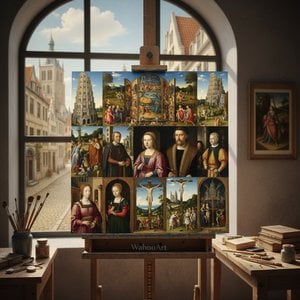
ჩრდილოეთ რენესანსის 10 შედევრი, რომელმაც განსაზღვრა ხელოვნება | ArtsDot
აღმოფრთოვანდით ჩრდილოეთ რენესანსის 10 უმშვენიერეს შედევრთან! იხილეთ დიურერი, ვერმერი და სხვა მოწინავე მხატვრების საუკეთესო ნაწარმოებები. შეიძინეთ მაღალი ხარისბის რეპროდუქციები ArtsDot-ზე და შეცვალეთ თქვენი სახლი ხელოვნების გალერეად!