


 წინასწარი ნახვა
 გაგზავნა
 გაზიარება
 დეტალები

 ჩამოტვირთვა
 მსგავსები
 რენტგენოგრაფიული კვლევა
 სლაიდშოუ
 სტატისტიკა
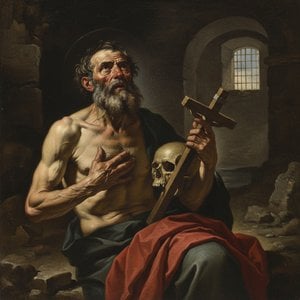
The surveyor
 Oil On Canvas
- WallArt
- Neapolitan Baroque
 112.0 x 93.0 cm
 Château de Villandry
 გადასართად დაწვრილებით ნახეთ
ხელით ნაკვეთი ზეთის ტილოს რეპროდუქცია
ტილოზე შესრულებული ფერწერიანი ზეთប្រდათი, თქვენთვის სასურველი ზომისა და ჩარჩოსთვის, ჩვენი ხელოვანების მიერ შეკვეთის საფუძველზე დამზადებული. ( გადართვა ბეჭდზე გადასვლა ციფრულ გამოსახულებაზე)




P118B $10

P118H $10

P118W $10

P438Z $10

P508JH $12

P508YH $12

P805H $10

P805Z $10

P919BZ $10

P919G $10

P919XJ $10

P959ZH $10

P968JZ $12

W106C $8

W218G $10

W218JH $8

W218Y $10

W307PJ $10

W316G $10

W316PJ $8

W316Y $10

W398PJ $8

W4111J $10

W500HY $15

W500JH $15

W692G $12

W849H $8

W940BG $15

W953PJ $8




აირჩიეთ ჩვენს მიერ წინასწარ განსაზღვრული ზომებიდან, რომლებიც ნაწარმოების ორიგინალურ პროპორციებს შეესაბამება.

თქვენ შეგიძლიათ მიუთითოთ თქვენთვის სასურველი ზომები კონკრეტული ჩარჩოს ან სივრცის შესაბამისად. თუ თქვენ მიერ არჩეული ზომა არ შეესაბამება ორიგინალი გამოსახულების პროპორციებს, ჩვენ ან შევაჭრებთ ნაწარმოებს, ან ტილოზე დავამატებთ ხელით მოხატულ ელემენტებს. წარმოების დაწყებამდე, დამტკიცებისთვის გამოგეგზავნებათ ციფრული მაკეტი.
გთხოვთ, გაითვალისწინოთ, რომ ეკრანზე ნაჩვენები წინასწარი შეხედულება არ ასახავს რეალურ შეჭრას ან გაფართოებას. საბოლოო კომპოზიციას ზუსტად მხოლოდ მაკეტი წარმოაჩენს.
მიუხედავად იმისა, რომ შესაძლებელია ინდივიდუალური ზომების შერჩევა, ორიგინალური პროპორციების შენარჩუნებისათვის გირჩევთ, გამოიყენოთ წინასწარ განსაზღვრული სიის ზომები.
შეკვეთის შემდეგ, ArtsDot.com გუნდი დაგიკავშირდებათ ელექტრონული ფოსტით ინსტრუქციებისთვის და გამოგიგზავნით წინასწარ ნახაზს (mockup).
მიწოდება მსოფლიო მასშტაბით -ში 3/4 კვირაში, სტანდარტული 5 კვირის ნაცვლად. (9 სექტემბერი). ხარისხზე კომპრომისის გაკეთება არ მოხდება.

უფასო ექსპრეს მიწოდება მთელ მსოფლიოში

საბამად მაღალი ხარისხის ტილო

სრული ტრანსპორტირების დაზღვევა

საბაჟო გადასახადების დაბრუნების გარანტია

ფერების სრული შესაბამისობის გარანტია

დაბრუნების 100-დღიანი პოლიტიკა (მხოლოდ დეფექტის შემთხვევაში)

100% თანხის დაბრუნების გარანტია

ფასდაკლება დიდი რაოდენობით შეკვეთისას
 მინის ჩარჩოს არჩევანი ხელმისაწვდომია მხოლოდ 110 სმ-ზე ნაკლები ზომისთვის

The surveyor
რეკლამაციის ტექნიკა
რეკლამაციის ზომა
-


საბოლოო ფასი
$ 263
A Portrait of Persuasion: Luca Giordano’s ‘The Surveyor’
Luca Giordano's “The Surveyor,” a captivating work emerging from the vibrant heart of 17th-century Naples, transcends mere portraiture. It’s an arresting tableau of human vulnerability and determined resolve, steeped in the dramatic intensity characteristic of Ribera’s influence yet imbued with Giordano’s signature luminosity. The painting immediately draws the eye to its central figure – a man cloaked in shadow, his posture suggesting both weariness and unwavering conviction. He holds aloft a sheet of paper, not a document of legal decree or scholarly treatise, but rather an invitation, a plea for understanding, rendered with a palpable urgency.
The artist masterfully employs chiaroscuro – the dramatic interplay of light and dark – to sculpt the figure’s form. The strong contrasts emphasize his weathered face, etched with lines that speak of hardship and perhaps even drink, while simultaneously highlighting the resolute set of his jaw and the intensity in his eyes. This technique, deeply rooted in the Neapolitan Baroque tradition, was perfected by Giordano himself, allowing him to convey a profound sense of psychological depth within a relatively confined space. The dark background serves not as mere emptiness, but rather as a stage upon which this solitary figure commands attention, amplifying his presence and projecting an aura of quiet authority.
Echoes of Ribera & the Naples School
“The Surveyor” is inextricably linked to the artistic lineage of Luca Giordano. He spent formative years under the tutelage of Jusepe de Ribera in Naples, absorbing the master’s dramatic realism and penchant for intense emotion. However, Giordano swiftly developed his own distinct style – one characterized by a remarkable speed of execution and an unparalleled ability to capture fleeting moments of human expression. This painting exemplifies this evolution; while retaining elements of Ribera's starkness, it possesses a softer, more nuanced quality, reflecting the prevailing artistic sensibilities of Naples at the time.
The figure’s attire – a simple robe or coat adorned with a vibrant red sash – speaks to his status as a philosopher or perhaps even a beggar. The inclusion of the wine bottle on his belt is a subtle yet significant detail, hinting at a life lived on the margins, grappling with hardship and seeking solace in the fleeting pleasures of the moment. This juxtaposition of dignity and vulnerability creates a compelling narrative tension, inviting viewers to contemplate the complexities of human existence.
Symbolism & The Pursuit of Understanding
The act of presenting the paper is central to interpreting the painting’s meaning. It's not simply an offering; it’s a deliberate gesture – a final attempt at persuasion, a last stand against indifference. The very title, “The Surveyor,” suggests a man who observes, analyzes, and seeks to understand the world around him. He isn’t merely presenting information; he is attempting to impart wisdom, to share his perspective with an unseen audience.
Furthermore, the composition itself can be read as symbolic. The figure's outstretched hand mirrors the gesture of Euclid, the ancient Greek mathematician famed for his rigorous approach to geometry and logic. This allusion elevates the painting beyond a simple portrait, transforming it into a meditation on reason, knowledge, and the enduring human quest for understanding. The overall effect is one of poignant beauty and quiet contemplation – a timeless reminder of the power of observation and the importance of seeking connection in a world often characterized by isolation.
A Legacy Preserved: Research & Context
Luca Giordano (1634-1705) remains a pivotal figure in Neapolitan Baroque art. His prolific output, encompassing vast fresco cycles and numerous paintings, cemented his reputation as “Luca fa presto” – Luca the quick one – a testament to his extraordinary artistic speed and talent. Further research reveals that this work was created during a period of significant artistic experimentation within Naples, influenced by both Ribera’s dramatic realism and the evolving tastes of European patrons.
Several resources offer deeper insights into Giordano's life and oeuvre: The ArtsDot website provides detailed information on “The Surveyor,” alongside related artworks and artist biographies. Academic studies, such as Andrés Úbeda de los Cobos’ comprehensive catalogue raisonné, delve into the intricacies of his artistic practice and the historical context surrounding his work. Exploring these resources allows for a richer appreciation of this remarkable painting and its place within the broader narrative of Neapolitan Baroque art.
დაკავშირებული ნამუშევრები


მხატვრის ბიოგრაფია
Luca Giordano (1634-1705): Exploring the Vibrant Baroque Masterpiece
Luca Giordano, born in Naples in 1634, stands as one of the most celebrated artists of the Neapolitan Baroque—a figure whose prolific output irrevocably shaped the artistic landscape of Italy and Spain. He wasn’t merely a painter; he was an embodiment of dynamism and brilliance, a whirlwind of creativity whose distinctive style captivated contemporaries and continues to inspire awe today. His father, Antonio Giordano, instilled in him early artistic sensibilities, but it was under the tutelage of Jusepe de Ribera that Luca truly honed his craft—a formative experience evident in the dramatic intensity and meticulous realism characteristic of his initial works. Unlike Ribera’s often subdued palette, Giordano possessed an innate inclination for luminosity and movement—qualities that would become central to his artistic signature. Even then, he earned the moniker “Luca fa presto”—Luca the quick one—a testament to his remarkable speed and seemingly boundless energy.From Naples to Spain: A Journey Through Artistic Influences
Giordano’s artistic trajectory wasn't confined to Naples; it unfolded across Italy and beyond, propelled by commissions and fueled by an insatiable curiosity for new styles and techniques. Following his formative apprenticeship with Ribera, he established himself as a rising star in Rome, absorbing the grandeur of papal patronage and experimenting with innovative compositional strategies. His studies at the Accademia di San Luca allowed him to immerse himself in the artistic currents of the era—particularly those championed by Pietro da Cortona, whose frescoes in Palazzo Barberini served as an inspiration for Giordano’s own ambitious projects. Venice proved equally transformative; he absorbed the influence of Titian and Veronese, embracing their masterful use of color and mastering the art of illusionistic space—a stylistic choice that would define his mature oeuvre. This Venetian experience instilled in him a profound appreciation for theatrical grandeur and visual spectacle. However, Giordano’s artistic ambitions extended far beyond Italy's borders. In 1682, he accepted the prestigious invitation to serve as court painter to Charles II of Spain—a move that cemented his international reputation and ushered in a decade of unparalleled creative productivity. During this period, he revitalized Spanish interiors with lavish frescoes, injecting a much-needed dose of Italian exuberance into the more restrained artistic traditions of Castile and Aragon. The Biblioteca Riccardiana in Florence became another canvas for Giordano’s genius—a testament to his ability to synthesize disparate influences into a harmonious whole. His monumental fresco cycles transformed architectural spaces into immersive visual experiences that transported viewers to realms of myth and allegory.A Synthesis of Styles: Giordano's Distinctive Artistic Approach
Giordano’s artistic brilliance lay not in inventing entirely new methods but in skillfully merging existing techniques—primarily those honed during his early training with Ribera—into a remarkably fluid and decorative style. He achieved this synthesis through masterful brushwork, characterized by spontaneity and freedom—a hallmark of his mature oeuvre. Unlike Ribera's austere aesthetic, Giordano embraced ornamentation, filling his canvases with intricate details and swirling draperies—a stylistic choice that reflected the prevailing tastes of his time. This approach enabled him to tackle a diverse range of subjects – from religious narratives to mythological tales to portraits – with equal conviction and artistry. Considered one of the most important artists of the Neapolitan Baroque, Giordano’s legacy extends far beyond his own lifetime. He trained numerous pupils—including Paolo de Matteis—who went on to become accomplished painters in their own right, disseminating Giordano's stylistic innovations throughout Italy and Spain. His work served as a bridge between the High Baroque and the Rococo periods, paving the way for the lighter, more playful aesthetic that would characterize 18th-century art. The Palace of Capodimonte in Naples houses an impressive collection of his paintings—a comprehensive panorama of his artistic evolution—offering visitors a glimpse into the creative spirit of a true visionary. Luca Giordano’s enduring influence continues to resonate today, securing his place as one of Italy's greatest artistic treasures.
Лука Джованни
1634 - 1705 , იტალია
მოკლე ინფორმაცია
- Artistic Movement Or Style: Ბაროკოს სტილი
- Artists Or Movements Influenced By This Artist: ['პაოლო დ მატეისი და ნეპლის მხატვრები']
- Artists Who Influenced This Artist:
- იუსეს პ დ რิบერა
- ტიტანი და ვერონესე
- Date Of Birth: 1634 წლის ოქტომბერი 18
- Date Of Death: 1705 წლის იანვარი 3
- Full Name: Luca Giordano
- Nationality: იტალიელი
- Notable Artworks:
- პარიზის სასამართლის გადაწყვეტილება
- ქრისტე და médecins მილანში
- Place Of Birth: მილანი და იტალია
დაკავშირებული სტატიები

Luca Giordano: Neapolitan Baroque Master & His European Influence
Explore the life & works of Luca Giordano, the celebrated Neapolitan Baroque master. Discover his prolific fresco cycles, Roman commissions, and lasting influence on European art history. Learn more at ArtsDot.

ბարოკოს ეტალონები: 10 შედევრი, რომელმაც განსაზღვრა ეს სტილი | ArtsDot
აღმოფრთოვანდით ბაროკოს ეპოქის 10 უმშვენიერეს შედევრთან! კარავაჯო, რემბრანდტი და ვერმეერი – გი tanıtեք ამ დიდებულ ხელოვანებს. იხილეთ მათი საუკეთესო ნაშრომები და შექმენით თქვენი სახლისთვის უნიკალური დეკორი ArtsDot-თან!
Jusepe de Ribera: Dramatic Realism & Spiritual Intensity in the Spanish Golden Age
Explore the powerful Baroque paintings of Jusepe de Ribera, master of tenebrism and dramatic realism. Discover his spiritual intensity, influence on Spanish art, and considerations for collectors. Expert insights at ArtsDot.

The Dramatic Flourish: Exploring the Baroque Movement's Enduring Legacy in Art History
Explore the dramatic world of Baroque art! Discover iconic artists like Caravaggio & Rubens, defining techniques, and its lasting impact on art history. Expert insights for collectors & enthusiasts at ArtsDot.

ბაროკოს დრამა: ოპულენტურობის და ემოციების შემოტანა თანამედროვე ინტერიერებში
აღმოაჩინეთ ბაროკოს ხელოვნების ოპულენტურობა ArtsDot-ში! რეკონსტრუქციები, პორტრეტები და ინდივიდუალური შეკვეთები. პროფესიონალური კონსულტაცია თქვენი სახლისთვის.