


 წინასწარი ნახვა
 გაგზავნა
 გაზიარება
 დეტალები

 ჩამოტვირთვა
 მსგავსები
 რენტგენოგრაფიული კვლევა
 სლაიდშოუ
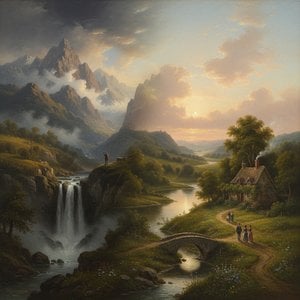
A path through a forest

 გადასართად დაწვრილებით ნახეთ
ხელით ნაკვეთი ზეთის ტილოს რეპროდუქცია
ტილოზე შესრულებული ფერწერიანი ზეთប្រდათი, თქვენთვის სასურველი ზომისა და ჩარჩოსთვის, ჩვენი ხელოვანების მიერ შეკვეთის საფუძველზე დამზადებული. ( გადართვა ბეჭდვაზე გადართვა სურათზე)




































აირჩიეთ ჩვენს მიერ წინასწარ განსაზღვრული ზომებიდან, რომლებიც ნაწარმოების ორიგინალურ პროპორციებს შეესაბამება.

თქვენ შეგიძლიათ მიუთითოთ თქვენთვის სასურველი ზომები კონკრეტული ჩარჩოს ან სივრცის შესაბამისად. თუ თქვენ მიერ არჩეული ზომა არ შეესაბამება ორიგინალი გამოსახულების პროპორციებს, ჩვენ ან შევაჭრებთ ნაწარმოებს, ან ტილოზე დავამატებთ ხელით მოხატულ ელემენტებს. წარმოების დაწყებამდე, დამტკიცებისთვის გამოგეგზავნებათ ციფრული მაკეტი.
გთხოვთ, გაითვალისწინოთ, რომ ეკრანზე ნაჩვენები წინასწარი შეხედულება არ ასახავს რეალურ შეჭრას ან გაფართოებას. საბოლოო კომპოზიციას ზუსტად მხოლოდ მაკეტი წარმოაჩენს.
მიუხედავად იმისა, რომ შესაძლებელია ინდივიდუალური ზომების შერჩევა, ორიგინალური პროპორციების შენარჩუნებისათვის გირჩევთ, გამოიყენოთ წინასწარ განსაზღვრული სიის ზომები.
შეკვეთის შემდეგ, ArtsDot.com გუნდი დაგიკავშირდებათ ელექტრონული ფოსტით ინსტრუქციებისთვის და გამოგიგზავნით წინასწარ ნახაზს (mockup).
მიწოდება მსოფლიო მასშტაბით -ში 3/4 კვირაში, სტანდარტული 5 კვირის ნაცვლად. (10 აგვისტო). ხარისხზე კომპრომისის გაკეთება არ მოხდება.

უფასო ექსპრეს მიწოდება მთელ მსოფლიოში

საბამად მაღალი ხარისხის ტილო

სრული ტრანსპორტირების დაზღვევა

საბაჟო გადასახადების დაბრუნების გარანტია

ფერების სრული შესაბამისობის გარანტია

60-დღიანი დაბრუნების პოლიტიკა (მხოლოდ დეფექტის შემთხვევაში)

100% თანხის დაბრუნების გარანტია

ფასდაკლება დიდი რაოდენობით შეკვეთისას
 მინის ჩარჩოს არჩევანი ხელმისაწვდომია მხოლოდ 110 სმ-ზე ნაკლები ზომისთვის

A path through a forest
რეკლამაციის ტექნიკა
რეკლამაციის ზომა
-


საბოლოო ფასი
$ 263
დაკავშირებული ნამუშევრები


მხატვრის ბიოგრაფია
The Visionary Eye of Joseph August Knip
In the grand tapestry of nineteenth-century European art, few threads are as delicately woven as those left by Joseph August Knip. Born in the Dutch town of Tilburg in 1777, Knip emerged from an artistic lineage that deeply informed his early sensibilities. As the son of the decorative painter Nicolaas Frederik Knip, his first lessons were not merely about pigment and brush, but about the very essence of ornamentation and structure. This foundational training, combined with a childhood spent amidst the shifting political tides of Napoleonic Europe, prepared him for a life of profound observation. When tragedy struck his family—the blindness of his father forcing the young Knip to become the household breadwinner at just nineteen—he did not falter; instead, he channeled his necessity into a relentless pursuit of artistic mastery, eventually becoming a mentor to his own sister, the celebrated painter Henriëtte Ronner-Knip.
Knip’s journey was one of constant movement and cultural immersion, a nomadic spirit that allowed him to capture the soul of various European landscapes. His relocation to Paris in 1801 marked a transformative era in his development. In the vibrant, intellectual atmosphere of the French capital, Knip transitioned from a talented draughtsman to a sophisticated chronicler of urban life. It was during this period that he gained prestige, even serving as a drawing master to Louis Napoléon. His Parisian works are characterized by an exquisite topographical precision, where the architectural grandeur of the city meets the intimate, fleeting moments of street life. He possessed a rare ability to document the topographical truth of a location while imbuing it with a romantic, atmospheric light that suggested the passage of time and the weight of history.
A Wanderer Through Light and Landscape
The true breadth of Knip’s genius is perhaps most visible in his travels through Italy and the Mediterranean. Between 1809 and 1812, drawn by the luminous allure of the south, Knip traversed the landscapes of Rome and Naples. In doing so, he became a notable member of the Italianisanten—a group of Northern artists captivated by the serene atmosphere and brilliant clarity of the Italian sun. His works from this period, such as his evocative depictions of Genzano and Lake Nemi, demonstrate a masterful command of watercolor over graphite. He did not merely sketch ruins or vistas; he captured the way light dances upon water and how shadows cling to ancient stone, creating panoramic landscapes that felt both monumental and deeply personal.
Technically, Knip was a virtuoso of the watercolor medium. His approach involved a sophisticated layering of washes, a technique that allowed him to achieve a sense of luminosity and depth rarely seen in topographical art. Unlike the grand, often idealized history painters of his era, Knip found beauty in the authentic. Whether he was rendering the rugged terrain of the Sabine Hills or the bustling streets of a French municipality, his focus remained on an unflinching realism. This commitment to detail, paired with an expressive handling of color, allowed him to elevate the commonplace into something transcendent. His ability to balance the precise architectural line with the soft, atmospheric blur of a distant horizon remains a hallmark of his enduring legacy.
Legacy and Historical Significance
The historical significance of Joseph August Knip lies in his role as a bridge between the meticulous traditions of Dutch topographical drawing and the emotive freedom of the Romantic movement. He stood at the intersection of documentation and art, providing future generations with a visual record of a Europe in transition. His influence extended through his family and his students, leaving an indelible mark on the landscape traditions of both the Netherlands and France.
To reflect upon Knip’s contributions is to appreciate the following:
- Technical Mastery: His pioneering use of watercolor washes to create atmospheric depth and light.
- Cultural Documentation: His role as a premier chronicler of Parisian and Italian landscapes during the early 19th century.
- Artistic Lineage: His contribution to the development of Dutch landscape painting and his mentorship within his own family of artists.
- The Romantic Spirit: His ability to blend topographical accuracy with the emotional resonance of the Romantic era.
Today, Knip’s works reside in prestigious collections such as The Metropolitan Museum of Art, serving as windows into a lost world of elegance and quiet observation. He remains a master of the subtle, reminding us that there is profound beauty to be found in the careful study of the world around us.

joseph augustus knip
1777 - 1847 , Netherlands
მოკლე ინფორმაცია
- Artistic Movement Or Style: Romantic Landscape
- Date Of Birth: 1777
- Full Name: Joseph August Knip
- Nationality: Dutch
- Notable Artworks:
- The Shelling of ’s-Hertogenbosch by the French
- The View from the Batavian Embassy in Paris
- The Gulf of Naples with the Island of Ischia
- Place Of Birth: Tilburg, Netherlands
დაკავშირებული სტატიები

From Concept to Canvas: Leveraging Digital Mockups for Precision & Client Satisfaction in Custom Oil Painting Reproduction
Transform your vision into reality with ArtsDot's custom oil painting reproductions. Experience precision & peace of mind through our expert digital mockup process, ensuring a flawless masterpiece tailored to your style. Discover the art of bespoke creation today!

From Snapshot to Canvas: The Art of Transforming Travel Photography into Timeless Oil Paintings
Transform your cherished travel photos into timeless oil paintings with expert artists at ArtsDot.com. Museum-quality reproductions & custom portraits – preserve your memories beautifully.

From Imagination to Canvas: Commissioning Bespoke Fantasy Art with Traditional Oil Painting Techniques
Commission breathtaking bespoke fantasy art with skilled oil painters. Explore techniques, artist selection & preservation tips. Invest in a unique masterpiece today!

Oil on Canvas Masters: 10 Paintings That Redefined Art History |
Journey through art history with our guide to 10 legendary oil on canvas masterpieces! Explore iconic works by Van Gogh, Monet & Rembrandt. Find museum-quality reproductions and elevate your home decor at . Discover all masterpieces online.
The Sublime and the Picturesque: Exploring Emotion & Nature in Romantic Landscape Painting
Explore the emotional power of Romantic landscape painting! Discover the sublime & picturesque aesthetics, key artists like Friedrich & Cole, and lasting influence on art history. Find your perfect piece at ArtsDot.

