

 წინასწარი ნახვა
 გაგზავნა
 გაზიარება
 დეტალები
 გზამკვლევი

 ჩამოტვირთვა
 მსგავსები
 რენტგენოგრაფიული კვლევა
 სლაიდშოუ
 კითხვა-პასუხი
 სტატისტიკა
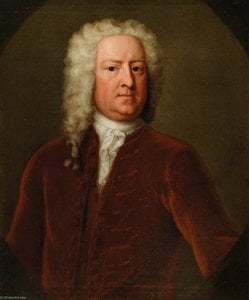
William Pitt

- 140.0 x 117.0cm


 გააგრძელეთ კითხვა
გიკლე / ხელოვნების პრინტი
მუზეუმის დონის ჟიკლე ან ტილოზე ბეჭდვა სწრაფი წარმოებისა და დასრულების მოქნილი ვარიანტებით. ( შეიძინეთ ხელით შესრულებული ნახატი გადართვა ციფრულ გამოსახულებაზე)




P118B ₾10

P118H ₾10

P118W ₾10

P438Z ₾10

P508JH ₾12

P508YH ₾12

P805H ₾10

P805Z ₾10

P919BZ ₾10

P919G ₾10

P919XJ ₾10

P959ZH ₾10

P968JZ ₾12

W106C ₾8

W218G ₾10

W218JH ₾8

W218Y ₾10

W307PJ ₾10

W316G ₾10

W316PJ ₾8

W316Y ₾10

W398PJ ₾8

W4111J ₾10

W500HY ₾15

W500JH ₾15

W692G ₾12

W849H ₾8

W940BG ₾15

W953PJ ₾8




აირჩიეთ ჩვენს მიერ წინასწარ განსაზღვრული ზომებიდან, რომლებიც ნაწარმოების ორიგინალურ პროპორციებს შეესაბამება.

შეიყვანეთ თქვენთვის საჭირო სიგანე და სიმაღლე, რათა გამოსახულებამ თქვენს ჩარჩოს ან კედელს ზუსტად მოერგოს. ბეჭდვისას შესაძლებელია მხოლოდ მისი შემცირება და არა გაზრდა, ამიტომ სხვა ფორმის ზომის შემთხვევაში სურათი ნაწილობრივ იკარგება. სანამ რაიმეს დაბეჭდავთ, ჩვენ გამოგიგზავნით ციფრულ მაკეტს დასდასტურებლად. ამ გვერდზე ნაჩვენები სურათი არ ასახავს რეალურ ჭრას — ამას მხოლოდ მაკეტი გვიჩვენებს.
მიწოდება მთელ მსოფლიოში () 2 კვირაში, სტანდარტული 4/5 კვირის ნაცვლად. (15 ნოემბერი)

უფასო ექსპრეს მიწოდება მთელ მსოფლიოში

მაღალი ხარისხის ტილოს ქსოვილი

ტრანსპორტირების სრული დაზღვევა

საბაჟო გადასახადების დაბრუნების გარანტია

ფერების სრული შესაბამისობის გარანტია

დაბრუნების 100-დღიანი პოლიტიკა (მხოლოდ დეფექტის შემთხვევაში)

100% თანხის სრული დაბრუნების გარანტია

ფასდაკლება დიდი რაოდენობით შეკვეთისას
 მინის ჩარჩოს არჩევანი შესაძლებელია მხოლოდ 110 სმ-მდე ზომისთვის

William Pitt
გიკლე / ხელოვნების პრინტი
რეპროდუქციის ზომა
-


საბოლოო ღირებულება
₾ 164
Identification of the Portrait of William Pitt
The gaze of William Pitt meets the viewer through this oil on canvas, a work emerging from the studio of John Hoppner. The portrait captures the statesman in a moment of heavy stillness, rendered with a sense of gravity that lingers on the surface. It is a work from circa 1805 or after, a period when the subject's presence in British politics was deeply felt. The scale of the image, measuring 55 1/2 in. x 42 1/2 in. (1410 mm x 1080 mm), gives the figure a physical weight that commands the space around it.
John Hoppner’s studio provides the hand behind this depiction, translating the likeness of the man into a study of light and shadow. The paint sits upon the canvas, building a presence that feels immediate and substantial. Every brushstroke contributes to the quiet intensity of the sitter, holding him in a permanent state of contemplation. The work exists as a direct encounter with a man who shaped the direction of a nation, frozen here in the medium of oil.
The Composition and Visual Elements
The subject emerges from a dark, indistinct background, positioned in a bust-length portrait that feels immediate and heavy with presence. He sits slightly off-center, his gaze directed toward the viewer's left, creating a sense of quiet, internal movement. Light descends from the upper left, carving out the contours of his face and neck with a soft, directional glow. This interplay of light and shadow grants the figure a palpable three-dimensional volume, pulling him forward from the atmospheric gloom behind him.
The color palette remains somber and grounded, relying on a restrained selection of earthy, muted tones. Browns, ochre, and cream dominate the scene, while subtle flesh tones define the skin. There is a tactile quality to the surface, where the texture of the canvas peeks through the layers of paint. The brushwork appears smooth and blended, particularly in the soft transitions of the background and the heavy folds of the clothing, yet it maintains enough definition to trace the sharp structure of the facial features and the weight of the coat.
The History and Provenance of the Work
The origins of this portrait trace back to a private commission by Lord Mulgrave, who sought to capture the likeness of the statesman. The artist began the work in December 1804, and the final brushstrokes were applied on the 28th of October, 1805. This specific version, identified as NPG L267, exists as a studio copy of the original portrait. While the primary work was intended for the Mulgrave family, the demand for the image grew rapidly among the subject's supporters, leading to many bespoke copies being produced by the artist's studio.
The movement of this painting through various collections reflects its enduring presence in British history. It currently resides within the collection of the Tate, though it is frequently seen on loan to the National Portrait Gallery in London. This arrangement allows the work to remain accessible to those tracing the political landscape of the era. The provenance of the piece is deeply intertwined with the social circles of the time, as the portrait's popularity ensured that many versions circulated among the elite of the Regency period.
Documented Interpretations and Historical Debates
The portrait stirs a profound tension between those who see its technical brilliance and those who recoil from its unflinching honesty. To some observers, the work represents the artist's finest achievement, a peak of his creative ability. Yet, this praise is met with sharp, visceral condemnation from those who knew the man behind the statesman. One contemporary observer famously dismissed the image as a vile picture, finding the depiction far too harsh to be a true likeness.
The debate centers on the psychological weight carried in the subject's expression. Critics have argued that the face appears anxious and diseased, as if reddened by wine and soured by the heavy burden of disappointment. There is a sense that the portrait captures a man at his breaking point, a version of the statesman that many found difficult to accept. This perceived severity led some to suggest that the likeness was almost too unflattering, questioning if such a grim portrayal should ever have been intended for a man of his standing.
While some find the work's power in its ability to strip away the veneer of political dignity, others see it as a departure from the idealized grace expected in high-society portraiture. The tension remains: is this a profound study of a man weathered by his duties, or a failure to capture the youthful spirit of a leader? The brushstrokes hold both the weight of a statesman's exhaustion and the controversy of a likeness that refuses to look away from the toll of power.
Where to See the Work Today
The portrait resides within the National Portrait Gallery in London, United Kingdom. Visitors find the subject waiting for them on the third floor, specifically positioned in Room 18. It exists as a vital part of the National Portrait Gallery collection, though its presence in the gallery is a temporary arrangement. The work is currently on loan from the Tate Gallery, which maintains its primary stewardship.
Walking through the halls of the museum, one encounters this depiction of the statesman in a space dedicated to the faces that shaped a nation. The lighting in the gallery room catches the subtle textures of the oil on canvas, allowing the viewer to observe the heavy shadows and the serious expression of the sitter. It remains a central fixture for those tracing the political history of the United Kingdom through its visual records.
Related Works by John Hoppner
The artist's hand moves through other lives and faces, capturing the essence of the Georgian era with a similar command of light. In one notable work, he presents Mrs. Jordan as Viola in 'Twelfth Night', a piece that highlights his celebrated ability to render women and children. This portrait reveals a specific skill that defined his career, much like the way he handles the textures and shadows in his other commissions. He moves between the heavy gravity of statesmen and the softer, more spirited depictions of his female sitters, always maintaining a sense of physical presence.
His reach extends into the highest circles of British society, where he finds himself painting the very figures who shape the nation. He captures the likeness of the Prince of Wales, a man whose patronage helped secure Hoppner's position among the elite. This ability to navigate the social landscape is evident in his portraits of influential men like Lord Hugh Seymour. Each sitter emerges from the dim, atmospheric backgrounds with a distinct vitality, whether they are members of the royal court or prominent figures of the military and aristocracy.
The artist's brush also finds its way to the faces of those who leave their own marks on history, such as in his portrait of Thomas Williams. Through these various subjects, a pattern of character emerges. He uses chiaroscuro to sculpt forms, pulling his subjects forward from the shadows to create a sense of depth. Whether he is working on a formal bust-length portrait or a more expansive composition, his touch remains loose and free, avoiding a rigid or overly precious finish in favor of a living, breathing likeness.
კითხვები და პასუხები
რას განმარტავს ჯონ ჰოპნერი-ის „William Pitt“-ის საავტორო უფლებებთან დაკავშირებული მდგომარეობა?
ჯონ ჰოპნერი-ის „William Pitt“ არის საჯარო საკუთრებაშია — საავტორო უფლებები ამოწდა. საავტორო უფლებების ვადა ითვლება ხელოვანის გარდაცვალებიდან, რომელიც მოხდა 1810 წელს.
ჯონ ჰოპნერი-ის „William Pitt“ ნათელი თუ ბნელი ტონალობის ნამუშევარია?
აღქმული სიკაშკაშის თვალსაზრისით, ჯონ ჰოპნერი-ის „William Pitt“ არის shadow.
საიდან მოდიან ჯონ ჰოპნერი-ის „William Pitt“-ის სტუმრები?
ჯონ ჰოპნერი-ის „William Pitt“-ის სტატისტიკა გვერდი წარმოადგენს საჯარო ვიზიტების სტატისტიკას: ამ ნამუშევრის ყოველთვიურ ნახვებს, შედარებას ხელოვანის ყველაზე პოპულარულ ნამუშევრებთან და იმას, თუ საიდან მოდიან მისი დამთვალიერებლები.
დაკავშირებული ნამუშევრები




მხატვრის ბიოგრაფია
ხელოვნება და სამეფო პატრონობა
ჯონ ჰოპნერი, ინგლისის გამორჩეული პორტრეტისტი, თავისი მკვეთრი და ცოცხალი ფერთა პალიტრით წარუვალღები კვალი დატოვა ხელოვნების სამყაროში. 1758 წელს ლონდონის უიტჩეპელში, გერმანელი მშობლებისგან დაბადებული ჰოპნერის ცხოვრება სამეფო პატეს და მხატვრული ბრწყინვალებით იყო აღსავსე.ადრეული წლები და სწავლება
- ახალგაზრდობაში ჰოპნერი სამეფო კაპელის მონღერად იქცა, თუმცა ხელოვნებისადმი მისმა მიდრეკილებამ 1775 წელს ৰესურსების ძიებაში დაეხმარა და სამეფო აკადემიაში ფეხის ჩასადგმელად აიძულა.
- 1778 წელს მან მიიღო ვერცხლის მედალი ბუნებრივი ფორმების ხატვისთვის, ხოლო 1782 წელს — ოქროს მედალი ისტორიული ჟანრისთვის, რაც მისი ნაშრომი „ლედი მაკბეთს“ (King Lear) უკავშირდებოდა.
სტუმარსახედ მოსვლა და გამორჩეული შემოქმედება
ჯონ ჰოპნერის ქალებისა და ბავშვების პორტრეტები პროფესიონალი კრიტიკოსების მიერ მის ყველაზე წარმატებულ ნაშრომებად იქნა აღიარებული. მისი ფუნჯის შტრიხები, რომლებიც ხასიათდება სიღრმითა და თავისუფლებით, მის ტილოებში რეინოლდის მომხიბვლელობის ნატიფ ელფერს ასხივებდა. მისი შემოქმედების შედევრებს შორის გამორჩეულია:- მის ჯორდანი „თორმეტსუნღიანში“ ვიოლას როლში, რომელიც ამჟამად ინგლისის მემკვიდრეობის (English Heritage) მფლობელობაშია (ლონდონი, გაერთიანებული სამეფო), რაც პორტრეტულ მხატვრობაში მის ოსტატობას წარმოაჩენს.
- უელსის პრინცის, იორკის ჰერცოგისა და ჰერცგინას, ლორდ როდნისა და ლორდ ნელსონის პორტრეტები, რომლებიც სენტ-ჯეიმსის სასახლის სახელმწიფო დარბაზებში იყო განთავსებული, მის მაღალსოციალურ კავშირებზე მეტყველებს.
დასახელებული მემკვიდრეობა და გვიანი წლები
ჯონ ჰოპნერის ცხოვრება ღვიძლის ქრონიკული დაავადებით იყო შეწუხებული; იგი 1810 წლის 23 იანვარს გარდაიცვალა. მიუხედავად ამისა, მისი მემკვიდრეობაរჩენილა მისი ცოცხალი პორტრეტების სახით, რომლებიც დღემდე აღაფრთოვანებს ხელოვნების მოყვარულს.- აღმოაჩინეთ მეტი ჯონ ჰოპნერის ნამუშევრები აქ: https://ArtsDot.com/@/johnhoppner.
- გაეცანით ბრიტანული ხელოვნების ფართო კონტექსტს აქ: https://en.wikipedia.org/wiki/art_of_the_united_kingdom.
დამატებითი კითხვა და კვლევა
ბრიტანული ხელოვნების სამყაროში უფრო ღრმად ჩასასვლელად, გირჩევთ შემდეგ მასალებს:- დიርሃმ პარკის ხელოვნების ნიმუშების აღმოჩენა, გაერთიანებული სამეფო
- სერ ედვინ ლენდსირ ლუტიენსი, ინგლისელი არქიტექტორი, რომელიც ცნობილია თავისი წარმოსახვით ადაპტაციებით.

ჯონ ჰოპნერი
1758 - 1810 , გაერთიანებული სამეფო
მოკლე ინფორმაცია
- Artistic Movement Or Style: პორტრეტული ჟანრი
- Artists Or Movements Influenced By This Artist: ['რეინოლდი']
- Artists Who Influenced This Artist: ['ჯოშუა რეინოლდი']
- Date Of Birth: 1758 წლის 4 აპრილი
- Date Of Death: 1810 წლის 23 იანვარი
- Full Name: ჯონ ჰოპნერი
- Nationality: ბრიტანელი
- Notable Artworks:
- მის ჯორდანი ვიოლას როლში
- უელსის პრინცი
- იორკის დიუკი
- ლორდ როდნი
- ლორდ ნელსონი
- Place Of Birth: უაითჩეპელი, ლონდონი