

 წინასწარი ნახვა
 გაგზავნა
 გაზიარება
 დეტალები
 გზამკვლევი

 ჩამოტვირთვა
 მსგავსები
 რენტგენოგრაფიული კვლევა
 სლაიდშოუ
 კითხვა-პასუხი
 სტატისტიკა
Portrait II


 გააგრძელეთ კითხვა
ამ გვერდზე წარმოდგენილი ნამუშევარი დაცულია საავტორო უფლების შესახებ კანონმდებლობით, რაც იმას ნიშნავს, რომ ჩვენ არ გვაქვს მისი იდენტური რეპროდუქციის შექმნის ან გაყიდვის სამართლებრივი უფლება. აღნიშნული დაცვა უზრუნველყოფილია ისეთი საერთაშორისო შეთანხმებებით, როგორიცაა ბერნის კონვენცია და ეროვნული კანონმდებლობით, მათ შორის იმ კანონებით, რომლებიც დეტალურად არის გაწერილი აშშ-ის საავტორო უფლების შესახებ კანონი - თავი 17.
ეს მეთოდი სრულად შეესაბამება საავტორო უფლებების რეგულაციებს, რადგან ის არ გულისხმობს დაცული ნამუშევრის კოპირებას ან დუბლირებას. ამგვარად, ეს წარმოადგენს შემოქმედებით რეინტერპრეტაციას — ახალ ნახატს, რომელიც შთაგონებითაა განპირობებული ორიგინალით, თუმცა არ არის მის იდენტურ ასლს.
გიკლე / ხელოვნების პრინტი
მუზეუმის დონის ჟიკლე ან ტილოზე ბეჭდვა სწრაფი წარმოებისა და დასრულების მოქნილი ვარიანტებით. ( შეიძინეთ ხელით შესრულებული ნახატი გადართვა ციფრულ გამოსახულებაზე)




P118B ₾10

P118H ₾10

P118W ₾10

P438Z ₾10

P508JH ₾12

P508YH ₾12

P805H ₾10

P805Z ₾10

P919BZ ₾10

P919G ₾10

P919XJ ₾10

P959ZH ₾10

P968JZ ₾12

W106C ₾8

W218G ₾10

W218JH ₾8

W218Y ₾10

W307PJ ₾10

W316G ₾10

W316PJ ₾8

W316Y ₾10

W398PJ ₾8

W4111J ₾10

W500HY ₾15

W500JH ₾15

W692G ₾12

W849H ₾8

W940BG ₾15

W953PJ ₾8




აირჩიეთ ჩვენს მიერ წინასწარ განსაზღვრული ზომებიდან, რომლებიც ნაწარმოების ორიგინალურ პროპორციებს შეესაბამება.

შეიყვანეთ თქვენთვის საჭირო სიგანე და სიმაღლე, რათა გამოსახულებამ თქვენს ჩარჩოს ან კედელს ზუსტად მოერგოს. ბეჭდვისას შესაძლებელია მხოლოდ მისი შემცირება და არა გაზრდა, ამიტომ სხვა ფორმის ზომის შემთხვევაში სურათი ნაწილობრივ იკარგება. სანამ რაიმეს დაბეჭდავთ, ჩვენ გამოგიგზავნით ციფრულ მაკეტს დასდასტურებლად. ამ გვერდზე ნაჩვენები სურათი არ ასახავს რეალურ ჭრას — ამას მხოლოდ მაკეტი გვიჩვენებს.
მიწოდება მთელ მსოფლიოში () 2 კვირაში, სტანდარტული 4/5 კვირის ნაცვლად. (11 ნოემბერი)

უფასო ექსპრეს მიწოდება მთელ მსოფლიოში

მაღალი ხარისხის ტილოს ქსოვილი

ტრანსპორტირების სრული დაზღვევა

საბაჟო გადასახადების დაბრუნების გარანტია

ფერების სრული შესაბამისობის გარანტია

დაბრუნების 100-დღიანი პოლიტიკა (მხოლოდ დეფექტის შემთხვევაში)

100% თანხის სრული დაბრუნების გარანტია

ფასდაკლება დიდი რაოდენობით შეკვეთისას
 მინის ჩარჩოს არჩევანი შესაძლებელია მხოლოდ 110 სმ-მდე ზომისთვის

Portrait II
გიკლე / ხელოვნების პრინტი
რეპროდუქციის ზომა
-


საბოლოო ღირებულება
₾ 164
A Catalan Visionary: The Life and Art of Joan Miró
Joan Miró i Ferrà, born in Barcelona in 1893, stands as one of the most significant figures in 20th-century art. His journey was not merely a progression through styles but an exploration of inner worlds, translating dreams, memories, and Catalan identity onto canvas with a uniquely poetic visual language. From humble beginnings marked by illness and initial parental reservations about his artistic pursuits, Miró persevered, driven by an innate need to express the intangible—the emotions, sensations, and subconscious currents that lie beneath the surface of reality. His early life was steeped in the traditions of Barcelona, a city brimming with architectural marvels thanks to Antoni Gaudí, whose organic forms would subtly influence Miró’s later abstractions. The goldsmithing profession of his father instilled an appreciation for meticulous craftsmanship, while the rugged Catalan landscape became a recurring motif and source of inspiraSubject Matter and Surrealist Imagination
“Portrait II,” created in 1938 during Miró's foray into Surrealism, abandons representational accuracy for a realm of fantastical imagery. The central figure—a man with legs suspended in the air—is not merely dancing or jumping; he embodies an upward surge of energy and aspiration, mirroring the Catalan spirit’s defiance against constraints. Alongside him are two enigmatic figures positioned on either side, adding to the painting's unsettling yet captivating atmosphere. These aren’t characters intended to tell a story but rather symbols representing primal forces—the masculine and feminine—engaged in a dynamic interplay.Stylistic Characteristics: Abstraction and Organic Forms
Miró’s artistic style is instantly recognizable for its bold abstraction, achieved through simplified shapes and vibrant colors. The dominant hues—a striking red dress juxtaposed against a serene blue backdrop—are deliberately chosen to heighten emotional impact. Lines are fluid and undulating, resembling roots or veins, reflecting the artist's fascination with natural forms and mirroring Gaudí’s architectural philosophy. Unlike traditional painting techniques, Miró employed a method he termed “automatism,” allowing subconscious impulses to guide his brushstrokes, resulting in spontaneous compositions that capture fleeting sensations and emotional states.Technique: Watercolor and Gouache on Paper
“Portrait II” is executed primarily in watercolor and gouache on paper—a combination that lends the artwork luminosity and textural richness. Miró meticulously layered washes of color, building up depth and creating subtle gradations that contribute to the painting’s ethereal quality. The gouache pigments provide opacity and brilliance, anchoring certain elements within the composition while maintaining a sense of fluidity. This technique underscores Miró's commitment to capturing not just what he sees but also what he feels—a profound connection to both the external world and the inner landscape of consciousness.Historical Context: The Shadow of War and Catalan Identity
Painted in 1938, “Portrait II” emerged during a turbulent period marked by the escalating tensions leading up to World War II. Miró’s Surrealist explorations served as a conduit for expressing anxieties about societal upheaval and confronting existential questions—themes prevalent throughout European art at the time. Simultaneously, the painting embodies a fervent assertion of Catalan cultural heritage, reflecting the region's desire to preserve its traditions amidst the pressures of nationalist ideologies. The artist’s visual language speaks directly to the spirit of resistance and celebrates the beauty inherent in embracing unconventional perspectives.Emotional Resonance: Dreamlike Beauty and Psychological Depth
Ultimately, “Portrait II” transcends mere aesthetic pleasure; it invites contemplation on themes of aspiration, vulnerability, and the subconscious mind. The painting’s dreamlike quality—characterized by illogical juxtapositions and symbolic imagery—captures the elusive essence of human experience. It encourages viewers to delve beneath surface appearances and confront their own inner realities—a testament to Miró's enduring legacy as a visionary artist who dared to explore the uncharted territories of imagination and emotion.კითხვები და პასუხები
რა არის ჟოან მირო-ის „Portrait II“-ის საერთო განწყობა?
"Portrait II"-ს ახასიათებს Calm ატმოსფერო.
რა არის გამოსახული ჟოან მირო-ის „Portrait II“-ში და რა განწყობას გადმოგვცემს იგი?
ჟოან მირო-ის „Portrait II“-ში surrealism, catalan identity, dreams, surreal landscape, figure painting, organic forms, red dress და შემოერწყმება Calm ატმოსფეროს.
რა ტონალობისკენ იხრება "Portrait II"?
ჟოან მირო-ის „Portrait II“-ში გაბატონებულია Green to Violet Spectrum ტონალობა.
დაკავშირებული ნამუშევრები


დაკავშირებული სტატიები
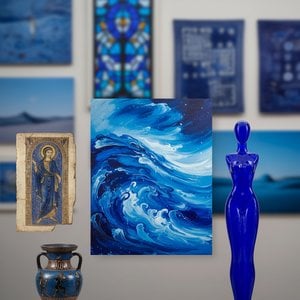
The Allure of Azure: Exploring the Symbolic & Aesthetic Depths of Blue in Art History
Explore the rich history of blue in art! Discover its symbolism, from ancient pigments to modern masterpieces by Kandinsky & Seurat. Uncover the psychological impact and cultural meanings behind this captivating hue.

Serene Blue Backgrounds: Discover Soulful Art to Transform Your Space with Timeless Elegance
Transform your home with soulful blue art. From serene Monet impressions to modern textured sculptures, discover curated masterpieces designed to inspire calm. Explore expert art consultations and bespoke hand-painted reproductions to create your personal sanctuary.

Slate Blue Masterpieces: 10 Iconic Paintings & Timeless Home Decor Ideas
Immerse yourself in the captivating world of slate blue! Explore 10 iconic paintings by Monet, Van Gogh & Renoir. Discover their stories, techniques & find museum-quality art reproductions for your home at .

ჟუან მიროს 25 შედევრი: ხელოვნების ისტორია თქვენს სახლში | ArtsDot.com
აღმოაჩინეთ ჟუან მიროს 25 უნიკალური შედევრი! სურრეალიზმის ფერადი სამყარო, კატალონური ხელოვნების სიმდიდრე და თანამედროვე ინტერიერის დიზაინის შთაგონება ArtsDot.com-ზე. შეიძინეთ ხარისხიანი რეპროდუქციები ონლაინ!

სურნეალიზმის 10 შედევრი: ხელოვნების განცვიფრებულ სამყველში
აღმოფრთოვანდით სურნეალიზმის 10 უმშვენიერეს შედევრს! დალი, მაგრიტი და სხვა მხატვრების საოცარი სამყველო. ითვლით ხელოვნების ისტორიას და შეიძინეთ музейური ხარისხის ტილოები ArtsDot-ზე. აღმოაჩინეთ ყველა შედევრი ონლაინ!


