

- 132.0 x 155.0 cm


სურათი შეესაბამება თქვენს არჩევანს: , .
კოლექციონირებადი ნივთის აღწერა
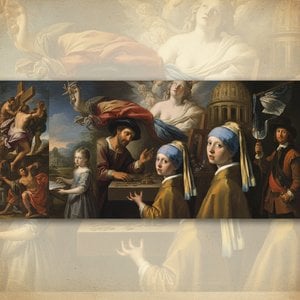
Jan Cossiers’ ‘Fortune Teller,’ painted in 1640, exemplifies the Antwerp Baroque style with its masterful use of light and shadow. This evocative portrait captures a moment of solemn contemplation amidst an opulent setting.
 გააგრძელეთ კითხვა
მხატვრის ბიოგრაფია
Jan Cossiers (1600-1671) was a leading Flemish painter known for his early Caravaggesque genre scenes & later history/religious works. A key figure in Antwerp after Rubens, celebrated for original color & portraiture.
ზეთის საღებავით შესრულებული ხელით ნაკლნა
ტილოზე შესრულებული ფერწერიანი ზეთប្រდათი, თქვენთვის სასურველი ზომისა და ჩარჩოსთვის, ჩვენი ხელოვანების მიერ შეკვეთის საფუძველზე დამზადებული. ( ბეჭდვის რეჟიმზე გადართვა გადართვა ციფრულ გამოსახულებაზე)
მეტი ამ ნამუშევრის შესახებ
 წინასწარი ნახვა
 გაგზავნა
 გაზიარება
 დეტალები
 გზამკვლევი

 ჩამოტვირთვა
 მსგავსები
 რენტგენოგრაფიული კვლევა
 სლაიდშოუ
 კითხვა-პასუხი
 სტატისტიკა
შეუკვეთეთ თქვენი ნახატი ოთხ მარტივ ნაბიჯში
არ იჩქაროთ. ნებისმიერი არჩევანის შეცვლა შეგიძლიათ; თქვენს შეკვეთაში თითოეულ ვარიანტს თავისი ფასი აქვს.
1 პირველი ნაბიჯი ოთხიდან
რომელი ზომა გსურთ?
ეს ზომები ინარჩუნებს ორიგინალი ნახატის პროპორციებს. ილუსტრაციაზე ნაჩვენებია თქვენი არჩეული ზომა კედელზე, ორმეტრიანი სავარძლის ზემოთ.
ან მიუთითეთ თქვენი საკუთარი ზომები
აირჩიეთ ჩვენს მიერ წინასწარ განსაზღვრული ზომებიდან, რომლებიც ნაწარმოების ორიგინალურ პროპორციებს შეესაბამება.

შეიყვანეთ თქვენთვის საჭირო სიგანე და სიმაღლე, რათა ნახატი მოერგოს თქვენს ჩარჩოს ან კედელს. ვინაიდან ეს ნამუშევარი ხელით არის შესრულებული, სხვა ფორმის ზომის შემთხვევაში, მხატვარმა შესაძლოა სურათის გარშემო ოდნავ მეტი დატოვოს ან შეამციროს — არჩევანი თქვენზეა. დაწყებამდე, დასამტკიცებლად, ჩვენ გამოგიგზავნით ციფრულ მაკეტს. ამ გვერდზე ნაჩვენები სურათი არ ასახავს რეალურ შედეგს — რეალური სახე მხოლოდ მაკეტზე ჩანს.
2 მეორე ნაბიჯი ოთხიდან
როგორ უნდა იყოს მომზადებული: დახვეული, დაჭიმული თუ ჩარჩოში ჩასმული?
ქვემოთ მოცემული ფასები თქვენ მიერ პირველ საფეხურზე არჩეული ზომისთვისაა.
შეარჩიეთ დაჭიმული ტილოს კიდეები
შეარჩიეთ ჩარჩო

თეთრი კიდეები ₾1

ბუნდოვანი კიდეები ₾1

გაფართოებული კიდეები ₾1

P118B ₾10

P118H ₾10

P118W ₾10

P438Z ₾10

P508JH ₾12

P508YH ₾12

P805H ₾10

P805Z ₾10

P919BZ ₾10

P919G ₾10

P919XJ ₾10

P959ZH ₾10

P968JZ ₾12

W106C ₾8

W218G ₾10

W218JH ₾8

W218Y ₾10

W307PJ ₾10

W316G ₾10

W316PJ ₾8

W316Y ₾10

W398PJ ₾8

W4111J ₾10

W500HY ₾15

W500JH ₾15

W692G ₾12

W849H ₾8

W940BG ₾15

W953PJ ₾8

H24-GOLD ₾30

H24-SILVER ₾30

H36-GOLD ₾45

H36-SILVER ₾45
ჩარჩოჩენილი
ბაკეტის დეკორი: . ზომა ჩარჩოსთან ერთად: .
3 ნაბიჯი სამი ოთხიდან
გსურთ ნახატში რაიმე ცვლილების შეტანა?
ადამიანთა უმეტესობა უარს პასუხობს. ვინაიდან თითოეული ნახატი ხელით იქმნება, ჩვენს მხატვარს მისი თქვენთვის ადაპტირებაც შეუძლია.
შეკვეთის შემდეგ, ArtsDot.com გუნდი გამოგსტავთ ელექტრონულ წერილს ინსტრუქციებისთვის და მოგაწვდით წინასწარ ნახატის (mockup) პრევიუსს
4 ბოლო ნაბიჯი ოთხიდან ოთხი
დასრულების რამდენიმე ვარიანტი
ყველაფერი არჩევითია. უკვე შერჩეულ პასუხებს დამატებითი საფასური არ მოსთხოვს.
ვინ არის ავტორი?
მიწოდება მსოფლიო მასშტაბით -ში 3/4 კვირაში, სტანდარტული 5 კვირის ნაცვლად. (10 ნოემბერი). ხარისხზე კომპრომისის გაკეთება არ მოხდება.
სარდაფი, როგორც მუზეუმში?
ბრინჯაოს ამოკვეთილი ფირფიტის დეტალები
This elegant plaque features the artist's name and the title of the artwork, finely engraved for a timeless presentation.
It is made from bronze with a refined, elegant finish. The text is precisely laser-engraved for a sharp and permanent result. Measuring 9x2 cm, the plaque is compact yet easy to read. It's built to be durable and scratch-resistant, offering a professional, museum-quality look. Mounting is simple thanks to the included adhesive backing.
აკრილის გამჭვირვალე ფირფიტის დეტალები
The plaque includes essential engraved details such as the artist's name, the title of the artwork, the date it was created, the type of media used-like oil on canvas or watercolor-a brief description of the piece, and a QR code that links to the complete artwork information.
It is crafted from clear acrylic, offering a sleek, modern appearance. The text is UV-engraved in black to ensure strong visual contrast. With a size of 10x15 cm, it ensures optimal readability. It comes equipped with two metal hooks for secure wall mounting. The plaque is designed to be weather-resistant, making it suitable for various environments, and it includes interactive features that work seamlessly with smartphone scanning.
შავი აკრილის ფირფიტის დეტალები
This elegant plaque includes engraved information such as the artist's name, the title of the artwork, the date it was created, the type of media used (like oil on canvas or watercolor), a short description of the artwork, and a QR code for quick access to more information.
The plaque itself is made from refined black acrylic with a premium finish. The text is laser-engraved in white for high contrast and readability. Its size is 10x15 cm, designed to be easy to read. It comes with two metal hooks for professional mounting. The design is sleek and fits any interior style. It is also weather-resistant and durable, with built-in digital integration for mobile compatibility.
დამცავი ლაქის შერჩევა?
რა თარიღში გესაჭიროებათ?
✓ გადახედვა და შეკვეთა
თქვენი ნახატი ზუსტად ისეთი, როგორ შეუკვეთეთ

Fortune Teller
რეპროდუქციის მასალა
რეპროდუქციის ზომა
-

ელიტური უფროსი ხელოვანი
უფრო მეტი დეტალიზაცია, დახვეწილობა და დამატებითი დამუშავების დრო
-

რეკლამაციის ჩარჩო
-
-
ნებისმიერი მხარისთვის 105 სმ-ზე (დაახლოებით 41 ინჩი) მეტი ზომის ხელოვნებული ნამუშევრების ან რეპროდუქციებისთვის, ჩარჩო მოგზავნდება დაშლილ კომპლექტში. ეს მეთოდი უზრუნველყოფს უსაფრთხო მიწოდებას და თავიდან აგაცილებთ ტრანსპორტირებისას შესაძლო დაზიანებას.
საჭიროა პროფესიონალური აწყობა — ეს არ არის თვითმომსახურების (DIY) პროდუქტი.
კომპლექტის აწყობა და ტილოს დაჭიმვა უნდა განახორციელოს გამოცდილმა პროფესიონალმა ჩარჩოს დამამზადებელმა, ხის წებოს (არ შედის კომპლექტში), ტილოს დაჭიმვის ბერჭებისა და საკრამების გამოყენებით, რათა წებოს გასაშრობად ღერძები სწორად და სტაბილურად დაფიქსირდეს. არასწორი აწყობა ან ტილოს არათანაბარი დაჭიმვა შეიძლება გამოიწვიოს ნამუშევრის სამუდამო დაზიანება, რაც არ იფარება ჩვენი გარანტიით.
 ნებისმიერი მხარისთვის 105 სმ-ზე (დაახლოებით 41 ინჩი) მეტი ზომის ხელოვნებული ნამუშევრების ან რეპროდუქციებისთვის, ჩარჩო მოგზავნდება დაშლილ კომპლექტში. ეს მეთოდი უზრუნველყოფს უსაფრთხო მიწოდებას და თავიდან აგაცილებთ ტრანსპორტირებისას შესაძლო დაზიანებას.
კომპლექტში შედის მყარი ხის ყველა ღერძი, ზუსტად გაზომილი და საჭირო ზომაზე დაჭრილი.
აწყობისთვის გამოიყენება კომპლექტში არსებული ხრახნები; ასევე დაგჭირდებათ ხის წებო კუთხეების დასაკავშირებლად, რომელიც კომპლექტში არ შედის და მისი შეძენა ჩარჩოს დამამზადებელს დამოუკიდებლად მოუწევს.
საჭიროა პროფესიონალური ხელსაწყოები, რომლებიც არ შედის კომპლექტში: ტილოს დაჭიმვის ბრჭყალი (დამჭერი) და სამჭედლები, რათა წებოს გასაშრობ პროცესში რამკოს კუთხეები სწორად ფიქსირდეს.
მნიშვნელოვანია:
კუთხეების დასაკავშირებლად საჭიროა ხის წებო; სანამ წებო სრულად გაშრება, ღერძები დაფიქსირებული უნდა იყოს საკავშირეებით, ხოლო აწყობილ ჩარჩოზე ტილოს დასჭიმად საჭიროა ტილოს დასჭიმელი ბრჭჭვალი. არცერთი ეს ნივთი არ შედის კომპლექტში. გთხოვთ, ამ ზომის შეკვეთამდე წინასწარ დაგეგმოთ გამოცდილი პროფესიონალი ჩარჩოს დამზადებელი.

სახელოვანი ფირფიტა
-
-

დამცავი ლაქი
ბზინვარე ლაქი (აფერსკვიატებს ფერებს და იცავს სინათლისა და ტენისგან)
-

ნამუშევრის პერსონალიზაცია
რა შეიძლება შეიცვალოს (მაგალითები): სახის შეცვლა მომხმარებლის ფოტოთი; შინაური ცხოველის დამატება (მაგალითად, კატის დგებით შეცვლა); ფონზე ფარული შეტყობინების დამატება; ფონის ლანდშაფტის ან ელემენტების შეცვლა.
-

სასწრაფო
მიწოდება მსოფლიო მასშტაბით () 3-4 კვირაში, სტანდარტული 5 კვირის ნაცვლად. (10 ნოემბერი). ხარისხზე კომპრომისის გაკეთება არ მოხდება.
-
სწრაფი მიწოდება
მიწოდება მსოფლიოს მასშტაბით () 5 კვირაში. (17 ნოემბერი).
მოყვება
საბოლოო ღირებულება
₾ 683
მინის ჩარჩოს არჩევანი შესაძლებელია მხოლოდ 110 სმ-მდე ზომისთვის
თითოეულ შეკვეთასთან ერთად მოყვება
- უფასო ექსპრეს მიწოდება მთელ მსოფლიოში
- მაღალი ხარისხის ტილოს ქსოვილი
- ტრანსპორტირების სრული დაზღვევა
- საბაჟო გადასახადების დაბრუნების გარანტია
- ფერების სრული შესაბამისობის გარანტია
- დაბრუნების 100-დღიანი პოლიტიკა (მხოლოდ დეფექტის შემთხვევაში)
- 100% თანხის სრული დაბრუნების გარანტია
- ფასდაკლება დიდი რაოდენობით შეკვეთისას


Fortune Teller
Jan Cossiers’ “Fortune Teller” stands as a testament to the Antwerp School's masterful blend of Caravaggio’s dramatic chiaroscuro and humanist observation, capturing a moment of quiet contemplation amidst an opulent setting. Painted in 1640 during the height of Rubensian influence, this portrait delves into psychological depth rarely achieved by its contemporaries. The painting depicts a man dressed in a scarlet jacket adorned with intricate embroidery—a bold choice reflecting the fashion trends of the era—seated beside a woman who exudes an aura of prophetic wisdom. Her gaze is fixed upward, suggesting introspection and perhaps divination, while her hand rests delicately upon a handkerchief embroidered with floral motifs – symbols commonly associated with femininity and grace. The scene unfolds within a richly decorated room bathed in diffused light, highlighting the textures of velvet drapery and gilded ornamentation. This deliberate use of illumination underscores Cossiers’ commitment to Caravaggio's technique, creating an atmosphere of palpable drama despite the stillness of the figures. Cossiers skillfully employs oil paint on canvas, layering translucent glazes to achieve remarkable luminosity and capturing subtle nuances of skin tone and fabric texture. The artist’s meticulous attention to detail—evident in the rendering of folds in clothing and the delicate embroidery—demonstrates a profound understanding of artistic craftsmanship. Furthermore, Cossiers incorporates elements of symbolism into his composition. The scarlet jacket represents ambition and prestige, while the floral handkerchief speaks to themes of fertility and renewal. These visual cues invite viewers to contemplate the complexities of human experience and the pursuit of knowledge. The painting’s emotional impact is palpable—a sense of serene contemplation mingled with an underlying current of mystery. Cossiers succeeds in conveying not merely a likeness but also a psychological portrait, capturing the inner life of his subject and inviting us to ponder questions of fate and destiny. “Fortune Teller” remains a captivating masterpiece, embodying the Antwerp School’s legacy as pioneers of expressive realism and humanist artistry.- Artist: Jan Cossiers
- Birth Year: 1600
- Death Year: 1671
- Birth City: Antwerp
- Birth Country: Belgium
- Biography: Jan Cossiers: A Flemish Baroque Pioneer
Additional Research
The artwork "Fortune Teller" by Jan Cossiers is featured prominently in the Hermitage Museum’s Alte Galerie, showcasing its significance as a cornerstone of Antwerp Baroque painting. Its vibrant color palette and masterful execution exemplify the stylistic innovations championed by Rubens and his successors. The painting's detailed depiction of human emotion and psychological complexity distinguishes it from many other portraits of the period. Furthermore, “Fortune Teller” exemplifies the influence of Caravaggio’s chiaroscuro technique—a dramatic interplay of light and shadow—which Cossiers skillfully employs to heighten the emotional impact of the scene. This stylistic choice underscores the artist's commitment to capturing not just visual appearance but also inner feeling. The painting’s enduring appeal lies in its ability to evoke contemplation and invite viewers to consider profound questions about human nature. The WGA5413 image file, hosted on Wikimedia Commons, provides a high-resolution reproduction of Cossiers’ masterpiece—a valuable resource for scholars and enthusiasts alike. Its accessibility ensures that this iconic artwork continues to inspire generations of artists and audiences worldwide. The painting's meticulous detail and luminous color palette underscore the Antwerp School’s dedication to artistic excellence.File Usage
This artwork is displayed on ArtsDot.com, a curated online gallery specializing in fine art reproductions—a testament to Cossiers’ enduring influence and the continued appreciation for Baroque artistry. Its inclusion within ArtsDot.com underscores its importance as a cultural landmark and contributes to its visibility among collectors and interior designers globally.კითხვები და პასუხები
რომელი მხატვარი და რომელი სტილი დგას „Fortune Teller“-ის უკან?
Jan Cossiers-მა შექმნა „Fortune Teller“ Baroque სტილის ფარგლებში.
შესაძლებელია "Fortune Teller" უფრო დეტალურად შევისწავლო?
"Fortune Teller" შესაძლებელია ფენად ფენად დავათვალიეროთ ნამუშევრის რენტგენოგრაფიული კვლევა გვერდზე, რომელიც წარმოადგენს რესტავრატორის სინათლის მაგიდის შთაგონებით შექმნილ ინტერაქტიულ ვიზუალურ ხელსნოს, გამოსახულების თერთმეტ ოპტიკური შრისგან შემდგარი.
როგორ შემიძლია Jan Cossiers-ის „Fortune Teller“-ის ნახვა სლაიდშოუს სახით?
ხელმისაწვდომია სლაიდშო: Jan Cossiers-ის „Fortune Teller“-ის სლაიდშოუ გვერდი.
დაკავშირებული ნამუშევრები


Jan Cossiers
1600 - 1671, Belgium
მხატვრის ბიოგრაფია
The Radiant Shadow: The Life and Legacy of Jan Cossiers
In the heart of the 17th-century Antwerp art scene, few names resonate with as much stylistic versatility as Jan Cossiers. Born on July 15, 1600, in the vibrant Flemish city of Antwerp, Cossiers was destined for a life immersed in the brushstrokes of greatness. He descended from an artistic lineage, being the son of the watercolorist Antoine Cossiers, a fact that provided him with an early and intimate understanding of color and form. His formative years were shaped by the rigorous training of Cornelius de Vos, whose mastery of portraiture laid the groundwork for Cossiers’ ability to capture the human essence. However, it was his restless spirit and pursuit of the avant-garde that would truly define his trajectory, leading him away from the familiar comforts of Flanders toward the sun-drenched landscapes of France and the dramatic shadows of Italy.
The evolution of Cossiers’ style is a captivating journey through the shifting tides of the Baroque era. His travels to Aix-en-Provence in 1623 allowed him to absorb the dynamic energy of Dutch influences, but it was his pilgrimage to Rome in 1624 that fundamentally altered his artistic DNA. There, he encountered the revolutionary tenebrism of Caravaggio—a technique defined by an intense, theatrical interplay between profound darkness and piercing light. This encounter breathed a new, dramatic life into his work. His early repertoire was characterized by Caravaggesque genre scenes, often depicting "low life" subjects with a gritty, unvarnistic realism. These works, such as the evocative Fortune Teller (1640), utilized masterful chiaroscuro to transform mundane moments of contemplation or social interaction into profound psychological studies.
From Genre Scenes to Grand Narratives
As his career matured, Cossiers transitioned from the intimate, often earthy depictions of everyday life toward the more prestigious realms of history and religious painting. This shift was not merely a change in subject matter but an expansion of his emotional and technical vocabulary. His connection to the legendary Peter Paul Rubens played a pivotal role in this ascension; by working within Rubens’ esteemed workshop, Cossiers refined his ability to handle large-scale compositions and complex, multi-figure narratives. The influence of Rubens is evident in the increased dynamism and opulent detail found in his later works, where the stark shadows of his youth began to mingle with a more sophisticated use of color and movement.
His religious canvases stand as testaments to his ability to convey spiritual fervor through physical drama. In masterpieces such as The Martyrdom of Saint Catherine (1647) and Jesus appears to Mary Magdalene, Cossiers utilizes the dramatic tension learned in Rome to evoke deep piety and suffering. His work Saint Nicholas Delivrant des Captifs further demonstrates his command over the Baroque epic, blending intense emotion with a dynamic composition that guides the viewer's eye through a sea of biblical struggle. Even in his more quiet moments, such as his meticulous Self Portrait, one can sense the dignity and technical precision that earned him high standing within the Antwerp artistic community.
A Pillar of the Antwerp School
Beyond the canvas, Jan Cossiers was a central figure in the institutional fabric of Flemish art. His ascent to the position of Dean of Saint Luke's Guild in 1640 signifies not only his technical mastery but also his profound respect among his peers. He lived through a period of immense cultural transition, acting as a bridge between the raw, dramatic energy of early Caravaggism and the more refined, classical sensibilities that would follow. His life was a tapestry of professional triumph and personal complexity, marked by significant connections to intellectuals like Nicolas Claude Fabri de Peiresc and the prestigious circles of the Antwerp elite.
The historical significance of Jan Cossiers lies in his ability to synthesize diverse influences into a singular, recognizable voice. He took the shadows of Italy, the dynamism of the Netherlands, and the grandeur of Rubens' Flanders to create an oeuvre that was both deeply personal and broadly representative of the Baroque spirit. Today, he is remembered not just as a follower of great masters, but as a pioneer who helped shape the visual language of the 17th century, leaving behind a legacy of light, shadow, and enduring human emotion.
დაკავშირებული სტატიები
ბարოკოს ეტალონები: 10 შედევრი, რომელმაც განსაზღვრა ეს სტილი | ArtsDot
აღმოფრთოვანდით ბაროკოს ეპოქის 10 უმშვენიერეს შედევრთან! კარავაჯო, რემბრანდტი და ვერმეერი – გი tanıtեք ამ დიდებულ ხელოვანებს. იხილეთ მათი საუკეთესო ნაშრომები და შექმენით თქვენი სახლისთვის უნიკალური დეკორი ArtsDot-თან!

ბაროკოს დიდებულება: დრამა, მოძრაობა და ემოცია მე-17 საუკუნის ხელოვნების შედევრებში
აღმოაჩინეთ ბაროკოს დრამატული სამყარო და ოსტატობის საიდუმლოები. დაიწყეთ მოგზაურობა ხელოვნების ისტორიაში ახლავე.

The Dramatic Flourish: Exploring the Baroque Movement's Enduring Legacy in Art History
Explore the dramatic world of Baroque art! Discover iconic artists like Caravaggio & Rubens, defining techniques, and its lasting impact on art history. Expert insights for collectors & enthusiasts at ArtsDot.