


 წინასწარი ნახვა
 გაგზავნა
 გაზიარება
 დეტალები
 გზამკვლევი

 ჩამოტვირთვა
 მსგავსები
 რენტგენოგრაფიული კვლევა
 სლაიდშოუ
 სტატისტიკა
Woman with Blue Shawl


 გადასართად დაწვრილებით ნახეთ
ხელით ნაკვეთი ზეთის ტილოს რეპროდუქცია
ტილოზე შესრულებული ფერწერიანი ზეთប្រდათი, თქვენთვის სასურველი ზომისა და ჩარჩოსთვის, ჩვენი ხელოვანების მიერ შეკვეთის საფუძველზე დამზადებული. ( გადართვა ბეჭდზე გადასვლა ციფრულ გამოსახულებაზე)




P118B $10

P118H $10

P118W $10

P438Z $10

P508JH $12

P508YH $12

P805H $10

P805Z $10

P919BZ $10

P919G $10

P919XJ $10

P959ZH $10

P968JZ $12

W106C $8

W218G $10

W218JH $8

W218Y $10

W307PJ $10

W316G $10

W316PJ $8

W316Y $10

W398PJ $8

W4111J $10

W500HY $15

W500JH $15

W692G $12

W849H $8

W940BG $15

W953PJ $8




აირჩიეთ ჩვენს მიერ წინასწარ განსაზღვრული ზომებიდან, რომლებიც ნაწარმოების ორიგინალურ პროპორციებს შეესაბამება.

თქვენ შეგიძლიათ მიუთითოთ თქვენთვის სასურველი ზომები კონკრეტული ჩარჩოს ან სივრცის შესაბამისად. თუ თქვენ მიერ არჩეული ზომა არ შეესაბამება ორიგინალი გამოსახულების პროპორციებს, ჩვენ ან შევაჭრებთ ნაწარმოებს, ან ტილოზე დავამატებთ ხელით მოხატულ ელემენტებს. წარმოების დაწყებამდე, დამტკიცებისთვის გამოგეგზავნებათ ციფრული მაკეტი.
გთხოვთ, გაითვალისწინოთ, რომ ეკრანზე ნაჩვენები წინასწარი შეხედულება არ ასახავს რეალურ შეჭრას ან გაფართოებას. საბოლოო კომპოზიციას ზუსტად მხოლოდ მაკეტი წარმოაჩენს.
მიუხედავად იმისა, რომ შესაძლებელია ინდივიდუალური ზომების შერჩევა, ორიგინალური პროპორციების შენარჩუნებისათვის გირჩევთ, გამოიყენოთ წინასწარ განსაზღვრული სიის ზომები.
შეკვეთის შემდეგ, ArtsDot.com გუნდი დაგიკავშირდებათ ელექტრონული ფოსტით ინსტრუქციებისთვის და გამოგიგზავნით წინასწარ ნახაზს (mockup).
მიწოდება მსოფლიო მასშტაბით -ში 3/4 კვირაში, სტანდარტული 5 კვირის ნაცვლად. (24 სექტემბერი). ხარისხზე კომპრომისის გაკეთება არ მოხდება.

უფასო ექსპრეს მიწოდება მთელ მსოფლიოში

საბამად მაღალი ხარისხის ტილო

სრული ტრანსპორტირების დაზღვევა

საბაჟო გადასახადების დაბრუნების გარანტია

ფერების სრული შესაბამისობის გარანტია

დაბრუნების 100-დღიანი პოლიტიკა (მხოლოდ დეფექტის შემთხვევაში)

100% თანხის დაბრუნების გარანტია

ფასდაკლება დიდი რაოდენობით შეკვეთისას
 მინის ჩარჩოს არჩევანი ხელმისაწვდომია მხოლოდ 110 სმ-ზე ნაკლები ზომისთვის

Woman with Blue Shawl
რეკლამაციის ტექნიკა
რეკლამაციის ზომა
-


საბოლოო ფასი
$ 263
A Portrait of Unease: James Ensor’s “Woman with Blue Shawl”
James Ensor's "Woman with Blue Shawl" is not merely a portrait; it’s an immersion into a world steeped in psychological complexity and unsettling beauty. Painted around 1890, this work exemplifies the artist’s signature style – a potent blend of Symbolism, Expressionism, and a distinctly Belgian sensibility that often veers toward the macabre. The painting immediately draws the viewer in with its central figure: an older woman seated beneath a richly colored blue shawl, her gaze direct and slightly enigmatic. Yet, it's not simply a likeness; Ensor has deliberately constructed a scene brimming with symbolic weight and hinting at hidden narratives.
The composition itself is subtly disorienting. The woman’s posture suggests both repose and vulnerability, while the presence of two figures in the periphery – one peering from the upper left, the other positioned at the bottom right – creates an immediate sense of unease and implied drama. These secondary characters are deliberately obscured, their identities ambiguous, contributing to a feeling that we're witnessing a private moment, perhaps a scene from a dream or a carefully staged tableau. The background is understated, dominated by a simple chair, which serves primarily as a grounding element within the otherwise charged atmosphere.
The Language of Masks and Shadows
Ensor’s artistic journey was profoundly shaped by his upbringing in Ostend, a bustling seaside resort town known for its vibrant carnivals. His parents operated a souvenir shop filled with exotic masks, theatrical props, and curiosities – a veritable treasure trove that ignited his imagination and provided him with an unparalleled visual vocabulary. This fascination with disguise and the hidden self is central to Ensor’s oeuvre, and it manifests powerfully in “Woman with Blue Shawl.” The shawl itself becomes a potent symbol, reminiscent of the theatrical masks sold in his childhood shop, suggesting layers of concealment and perhaps even multiple identities.
The use of color further amplifies this sense of ambiguity. The dominant blue of the shawl is cool and melancholic, contrasting with the warmer tones used for the woman’s attire and the surrounding elements. This interplay of colors creates a visual tension that mirrors the emotional complexity of the scene. Ensor was deeply interested in exploring the darker aspects of human nature – anxieties, fears, and the unsettling truths beneath the surface of everyday life. His work often features skeletons, masks, and grotesque figures, all serving as reminders of mortality and the fragility of existence.
Symbolism and the Artist’s Vision
Beyond its immediate visual impact, “Woman with Blue Shawl” is rich in symbolic meaning. The crown adorning the woman's head suggests a sense of authority or perhaps even royalty – yet this elevated status feels strangely unsettling within the context of the painting. It could represent a fading dignity, a reminder of past glories, or simply an illusion designed to conceal something darker. The two figures in the background are particularly intriguing; they might be servants, attendants, or even silent witnesses to the woman’s story – their presence adding another layer of mystery and intrigue.
Ensor's technique is characterized by a bold use of color, expressive brushstrokes, and a deliberate distortion of form. He employed a technique known as “cloisonnism,” inspired by medieval enamelwork, which created areas of intense color surrounded by dark outlines – a method that heightened the painting’s dramatic effect. His work was often met with resistance during his lifetime, deemed scandalous for its unflinching portrayal of human flaws and anxieties. However, Ensor's innovative approach paved the way for Expressionism and Surrealism, cementing his place as one of the most important artists of the late 19th and early 20th centuries.
Bringing “Woman with Blue Shawl” to Your Space
ArtsDot offers meticulously crafted hand-painted reproductions of James Ensor’s "Woman with Blue Shawl," allowing you to experience the power and beauty of this iconic artwork in stunning detail. Whether for a private collection, an art gallery, or a sophisticated interior design scheme, our reproductions capture the essence of Ensor's vision while adhering to the highest standards of artistic quality. Each reproduction is created using archival-quality materials and techniques, ensuring that it will retain its vibrancy and beauty for generations to come. Explore the available sizes and options on our website to bring this captivating portrait into your world.
დაკავშირებული ნამუშევრები


მხატვრის ბიოგრაფია
James Ensor: A Pioneer of Expressionism and Surrealism
James Sidney Edouard, Baron Ensor (Ostend, 13 April 1860 – 19 November 1949) was a Belgian painter and printmaker who stands as one of the most influential figures in the development of Expressionism and Surrealism. Born into an English father and Belgian mother amidst the vibrant atmosphere of Ostend’s seaside resort town, Ensor’s upbringing profoundly shaped his artistic vision—a vision characterized by unsettling imagery, bold brushwork, and a relentless interrogation of human psychology.
Early Influences and Artistic Training
From a young age, Ensor demonstrated an innate talent for drawing and painting, nurtured by the encouragement of local artists. He attended the College of the Blessed Virgin in Ostend, immersing himself in the intellectual currents of his time. His formal artistic training at the Académie Royale des Beaux-Arts in Brussels exposed him to influential teachers like Jean Portales, fostering a critical engagement with academic conventions and propelling him toward a path of independent innovation.
The Emergence of Expressionist Style
A pivotal turning point arrived as Ensor’s palette shifted from somber realism to vibrant hues infused with psychological intensity. Influenced by Rembrandt, Francisco Goya, and Japanese woodcuts—artists who championed expressive techniques—Ensor embarked on a daring stylistic transformation. He rejected the prevailing Symbolist aesthetic, prioritizing raw emotion and visceral impact over decorative considerations.
Key Works and Recurring Themes
Ensor’s oeuvre is marked by a series of monumental paintings that continue to provoke debate and admiration. *The Scandalized Masks* (1883) captures the unsettling spectacle of carnival—a realm populated by grotesque masks concealing hidden identities and exposing societal hypocrisy. Perhaps his most iconic work, *Christ's Entry into Brussels* (1888–89), remains a searing indictment of religious dogma and social complacency—a painting that utilizes theatrical staging and jarring color combinations to convey profound psychological truths.
Legacy and Influence
James Ensor’s uncompromising artistic vision irrevocably altered the trajectory of modern art. He challenged established norms, embraced irrationality, and championed subjective experience—qualities that resonated deeply with artists who would follow in his footsteps. His pioneering use of expressive brushwork, coupled with his unflinching exploration of darkness and despair, solidified his position as a cornerstone of Expressionism and Surrealism—a legacy that continues to inspire artists today.

ჯეიმზ ინსორ
1860 - 1949 , ს ბელგია
მოკლე ინფორმაცია
- Artistic Movement Or Style: Экспрессионизм и сюрреализм
- Artists Who Influenced This Artist:
- Брюгель Старший
- Франсиско Гоя
- Уистлер
- Date Of Birth: April 13, 1860
- Date Of Death: November 19, 1949
- Full Name: James Sidney Edouard Ensor
- Nationality: Бельгия
- Notable Artworks:
- Скаркализованные маски
- Скелеты сражаются...
- Христос входит в Брюссель
- Place Of Birth: Ostend, Belgium
დაკავშირებული სტატიები

Sir Alfred Munnings' Masterpieces: 25 Paintings That Define Equine Art | ArtsDot
Explore 25 iconic Sir Alfred Munnings paintings! Discover the beauty of British Impressionism, equine art & rural England. Find museum-quality reproductions and elevate your home decor with ArtsDot. Explore the full collection online.

ჯეიმზ უისტლერის 25 შედევრი: ხელოვნების ისტორია თქვენს სახლში | ArtsDot
გაიცანით ჯეიმზ უისტლერის 25 შედევრი! ნოქტიურნები, პორტრეტები და იმპრესიონიზმის სილამაზე. ხელოვნების ისტორია ArtsDot-ზე - მუზეუმის ხარისხის რესპროდუქციები თქვენი სახლისთვის. აღმოაჩინეთ უისტლერის ტილოები ონლაინ!
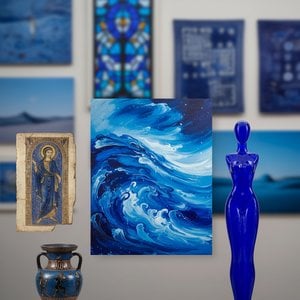
The Allure of Azure: Exploring the Symbolic & Aesthetic Depths of Blue in Art History
Explore the rich history of blue in art! Discover its symbolism, from ancient pigments to modern masterpieces by Kandinsky & Seurat. Uncover the psychological impact and cultural meanings behind this captivating hue.

Slate Blue Masterpieces: 10 Iconic Paintings & Timeless Home Decor Ideas
Immerse yourself in the captivating world of slate blue! Explore 10 iconic paintings by Monet, Van Gogh & Renoir. Discover their stories, techniques & find museum-quality art reproductions for your home at .

Serene Blue Backgrounds: Discover Soulful Art to Transform Your Space with Timeless Elegance
Transform your home with soulful blue art. From serene Monet impressions to modern textured sculptures, discover curated masterpieces designed to inspire calm. Explore expert art consultations and bespoke hand-painted reproductions to create your personal sanctuary.


