

 ნახვა ინტერьерში
 გაგზავნა
 გაზიარება
 დეტალები
 გზამკვლევი

 ჩამოტვირთვა
 მსგავსები
 რენტგენოგრაფიული კვლევა
 სლაიდშოუ
 Q&A
Q&A სტატისტიკა
The Wise Judges

- 38.0 x 46.0 cm


 სრული ტექსტის ნახვა
გიკლე / ხელოვნების პრინტი
მუზეუმის დონის ჟიკლე ან ტილოზე ბეჭდვა სწრაფი წარმოებისა და დასრულების მოქნილი ვარიანტებით. ( შეიძინეთ ხელით შესრულებული ნახატი გადასვლა ციფრულ გამოსახულებაზე)




P118B ₾10

P118H ₾10

P118W ₾10

P438Z ₾10

P508JH ₾12

P508YH ₾12

P805H ₾10

P805Z ₾10

P919BZ ₾10

P919G ₾10

P919XJ ₾10

P959ZH ₾10

P968JZ ₾12

W106C ₾8

W218G ₾10

W218JH ₾8

W218Y ₾10

W307PJ ₾10

W316G ₾10

W316PJ ₾8

W316Y ₾10

W398PJ ₾8

W4111J ₾10

W500HY ₾15

W500JH ₾15

W692G ₾12

W849H ₾8

W940BG ₾15

W953PJ ₾8




აირჩიეთ ჩვენს მიერ წინასწარ განსაზღვრული ზომებიდან, რომლებიც ნაწარმოების ორიგინალურ პროპორციებს შეესაბამება.

შეიყვანეთ თქვენთვის საჭირო სიგანე და სიმაღლე, რათა იგი მოერგოს თქვენს ჩარჩოს ან კედელს. ბეჭდვისას შესაძლებელია მხოლოდ მისი შემცირება და არა გაზრდა, ამიტომ სხვა ფორმის ზომის შემთხვევაში გამოსახულება ნაწილობრივ იკარგება. სანამ რაიმეს დაბეჭდავთ, ჩვენ გამოგიგზავნით ციფრულ მაკეტს დასდასტურებლად. ამ გვერდზე ნაჩვენები სურათი არ ასახავს რეალურ ჭრას — ამას მხოლოდ მაკეტი გვიჩვენებს.
მიწოდება მთელ მსოფლიოში () 2 კვირაში, სტანდარტული 4/5 კვირის ნაცვლად. (2 ნოემბერი)

უფასო ექსპრეს მიწოდება მთელ მსოფლიოში

მაღალი ხარისხის ტილო

ტრანსპორტირების სრული დაზღვევა

საბაჟო გადასახადების დაბრუნების გარანტია

ფერების სრული შესაბამისობის გარანტია

დაბრუნების 100-დღიანი პერიოდი (მხოლოდ წარმოების დეფექტის შემთხვევაში)

100% თანხის სრული დაბრუნების გარანტია

ფასდაკლება დიდი რაოდენობით შეკვეთისას
 მინის ჩარჩოს არჩევანი ხელმისაწვდომია მხოლოდ 110 სმ-მდე ზომისთვის

The Wise Judges
გიკლე / ხელოვნების პრინტი
რეპროდუქციის ზომა
-


ჯამური ღირებულება
₾ 161
A Shadowed Justice: James Ensor’s “The Wise Judges”
James Ensor's "The Wise Judges," painted in 1891, isn’t merely a depiction of a courtroom scene; it’s a carefully constructed interrogation of power, authority, and the very nature of judgment. This tempera work, measuring just 38 x 46 cm, now residing within the Royal Museums of Fine Arts of Belgium, possesses an unsettling beauty that continues to resonate with viewers over a century later. Ensor, born in Ostend—a town steeped in maritime history and a vibrant crossroads of cultures – expertly utilizes a muted palette and deliberately simplified forms to create an atmosphere thick with unease and subtle critique. The painting immediately draws the eye to the figures seated around the table, their faces rendered with childlike simplicity, almost as if they’ve been sketched by a young child themselves. This deliberate lack of detail isn't accidental; it serves to expose the potential naiveté or inherent flaws within those entrusted with wielding judicial power.
- The Palette of Disillusionment: Ensor masterfully employs a restricted range of colors – predominantly browns, grays, and muted reds – contributing significantly to the painting’s somber mood.
- Facial Minimalism: The simplified faces of the judges are a key element, suggesting a critique of their wisdom and perhaps even their humanity.
- Symbolic Details: Notice the clock, the vase, and the book – each object laden with potential meaning, inviting contemplation about time, beauty, and knowledge.
Expressionist Roots and a Satirical Eye
“The Wise Judges” firmly establishes Ensor as a pivotal figure within the burgeoning Expressionist movement, though he predates its formal definition. His style is characterized by bold lines, vibrant yet restrained colors, and a fascinating interplay between realism and abstraction. He doesn’t shy away from distortion; the figures are slightly skewed, their proportions subtly off-kilter, creating a sense of unease and disorientation. This deliberate manipulation of form reflects Ensor's broader artistic project – to expose the anxieties and contradictions inherent in modern society. The influence of Symbolism is also evident, particularly in the use of objects as symbols rather than simply decorative elements. The empty chairs scattered around the table are a powerful visual metaphor for absence, suggesting that justice isn’t always served, or perhaps that there are unseen forces at play.
Contextualizing the Critique: Belgium and Beyond
Created in Brussels during a period of significant social and political upheaval, “The Wise Judges” can be understood as a commentary on the established order. Belgium itself was grappling with questions of national identity and governance, and Ensor’s work reflects this broader sense of uncertainty. The painting's satirical edge speaks to a growing disillusionment with institutions – particularly those claiming authority – prevalent throughout Europe at the time. It’s important to remember that Ensor wasn’t simply depicting a courtroom; he was offering a critique of the *idea* of justice, questioning whether the system truly served its intended purpose. The painting's creation coincided with a period of intense artistic experimentation and social commentary, making it a vital document of its era.
A Timeless Resonance: Emotional Impact and Reproduction
“The Wise Judges” continues to captivate viewers not just for its technical skill but also for its profound emotional impact. The painting’s unsettling atmosphere, combined with the ambiguous nature of the scene, invites us to confront uncomfortable questions about power, truth, and justice. A high-quality reproduction captures this essence beautifully, allowing you to bring this thought-provoking artwork into your home or office. ArtsDot offers meticulously crafted hand-painted reproductions that faithfully recreate Ensor’s unique style and symbolic depth. Whether you're an art collector, a design enthusiast, or simply someone seeking a piece with historical significance and emotional resonance, “The Wise Judges” is a compelling addition to any collection. Consider how the muted tones and simplified forms can contribute to a contemplative atmosphere within your space – a subtle reminder of the complexities inherent in our pursuit of justice.
კითხვები და პასუხები
რა ტექნიკით არის შესრულებული ჯეიმზ ინსორ-ის „The Wise Judges“?
"The Wise Judges" შესრულებულია Acrylic On Canvas-ით.
ჯეიმზ ინსორ-ის „The Wise Judges“-ისთვის რეკომენდებული რეპროდუქციის ზომა რომელია?
ჯეიმზ ინსორ-ის „The Wise Judges“-ის ბეჭდვის რეკომენდებული ზომა არის Medium.
რა მასალისგან არის შექმნილი "The Wise Judges" და რა სტილშია შესრულებული?
"The Wise Judges" შესრულებულია Acrylic On Canvas-ით, Expressionist Symbolism სტილში.
მსგავსი ნამუშევრები


მხატვრის ბიოგრაფია
James Ensor: A Pioneer of Expressionism and Surrealism
James Sidney Edouard, Baron Ensor (Ostend, 13 April 1860 – 19 November 1949) was a Belgian painter and printmaker who stands as one of the most influential figures in the development of Expressionism and Surrealism. Born into an English father and Belgian mother amidst the vibrant atmosphere of Ostend’s seaside resort town, Ensor’s upbringing profoundly shaped his artistic vision—a vision characterized by unsettling imagery, bold brushwork, and a relentless interrogation of human psychology.
Early Influences and Artistic Training
From a young age, Ensor demonstrated an innate talent for drawing and painting, nurtured by the encouragement of local artists. He attended the College of the Blessed Virgin in Ostend, immersing himself in the intellectual currents of his time. His formal artistic training at the Académie Royale des Beaux-Arts in Brussels exposed him to influential teachers like Jean Portales, fostering a critical engagement with academic conventions and propelling him toward a path of independent innovation.
The Emergence of Expressionist Style
A pivotal turning point arrived as Ensor’s palette shifted from somber realism to vibrant hues infused with psychological intensity. Influenced by Rembrandt, Francisco Goya, and Japanese woodcuts—artists who championed expressive techniques—Ensor embarked on a daring stylistic transformation. He rejected the prevailing Symbolist aesthetic, prioritizing raw emotion and visceral impact over decorative considerations.
Key Works and Recurring Themes
Ensor’s oeuvre is marked by a series of monumental paintings that continue to provoke debate and admiration. *The Scandalized Masks* (1883) captures the unsettling spectacle of carnival—a realm populated by grotesque masks concealing hidden identities and exposing societal hypocrisy. Perhaps his most iconic work, *Christ's Entry into Brussels* (1888–89), remains a searing indictment of religious dogma and social complacency—a painting that utilizes theatrical staging and jarring color combinations to convey profound psychological truths.
Legacy and Influence
James Ensor’s uncompromising artistic vision irrevocably altered the trajectory of modern art. He challenged established norms, embraced irrationality, and championed subjective experience—qualities that resonated deeply with artists who would follow in his footsteps. His pioneering use of expressive brushwork, coupled with his unflinching exploration of darkness and despair, solidified his position as a cornerstone of Expressionism and Surrealism—a legacy that continues to inspire artists today.

ჯეიმზ ინსორ
1860 - 1949 , ს ბელგია
მოკლე ფაქტები
- Artistic Movement Or Style: Экспрессионизм и сюрреализм
- Artists Who Influenced This Artist:
- Брюгель Старший
- Франсиско Гоя
- Уистлер
- Date Of Birth: April 13, 1860
- Date Of Death: November 19, 1949
- Full Name: James Sidney Edouard Ensor
- Nationality: Бельгия
- Notable Artworks:
- Скаркализованные маски
- Скелеты сражаются...
- Христос входит в Брюссель
- Place Of Birth: Ostend, Belgium
მსგავსი სტატიები
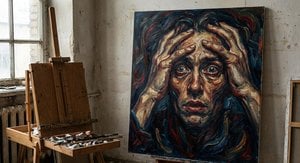
Figurative Expressionism: Emotional Intensity & Subjective Reality in 20th-Century Art
Explore the powerful world of Figurative Expressionism with ArtsDot. Discover key artists like Kirchner & Beckmann, understand its emotional depth, and learn how to collect this influential 20th-century art movement.

Masterpieces of the English Countryside: Top 25 Sir Alfred James Munnings Artworks
Explore 25 iconic Sir Alfred James Munnings masterpieces. Discover timeless equine art on ArtsDot.com.

The Raw Emotion of Expressionism: A Deep Dive into its History, Characteristics & Enduring Influence
Explore the raw emotion of Expressionism with ArtsDot. Discover its history, key artists like Kirchner & Munch, and lasting influence on modern art. Expert insights for collectors & enthusiasts.

James Ensor's Grotesque Visions: Social Commentary & Artistic Innovation
Explore the unsettling yet captivating world of James Ensor, a pioneer of Expressionism. Discover his satirical masterpieces, symbolic imagery & lasting influence on modern art. High-quality reproductions available at ArtsDot.

ჯეიმზ უისტლერის 25 შედევრი: ხელოვნების ისტორია თქვენს სახლში | ArtsDot
გაიცანით ჯეიმზ უისტლერის 25 შედევრი! ნოქტიურნები, პორტრეტები და იმპრესიონიზმის სილამაზე. ხელოვნების ისტორია ArtsDot-ზე - მუზეუმის ხარისხის რესპროდუქციები თქვენი სახლისთვის. აღმოაჩინეთ უისტლერის ტილოები ონლაინ!


