


 წინასწარი ნახვა
 გაგზავნა
 გაზიარება
 დეტალები

 ჩამოტვირთვა
 მსგავსები
 რენტგენოგრაფიული კვლევა
 სლაიდშოუ
The Virgin of the Consolation


 გადასართად დაწვრილებით ნახეთ
გიკლე / ხელოვნების პრინტი
მუზეუმის დონის ჟიკლე ან ტილოზე ბეჭდვა სწრაფი წარმოებისა და დასრულების მოქნილი ვარიანტებით. ( შეიძინეთ ხელით შესრულებული ნახატი შეიძინეთ გამოსახულება)




P118B $10

P118H $10

P118W $10

P438Z $10

P508JH $12

P508YH $12

P805H $10

P805Z $10

P919BZ $10

P919G $10

P919XJ $10

P959ZH $10

P968JZ $12

W106C $8

W218G $10

W218JH $8

W218Y $10

W307PJ $10

W316G $10

W316PJ $8

W316Y $10

W398PJ $8

W4111J $10

W500HY $15

W500JH $15

W692G $12

W849H $8

W940BG $15

W953PJ $8




აირჩიეთ ჩვენს მიერ წინასწარ განსაზღვრული ზომებიდან, რომლებიც ნაწარმოების ორიგინალურ პროპორციებს შეესაბამება.

თქვენ შეგიძლიათ მიუთითოთ საკუთარი ზომები კონკრეტული ჩარჩოსთვის ან სივრცისთვის მოსარგებლებლად. თუ თქვენ მიერ არჩეული ზომა არ შეესაბამება ორიგინალი გამოსახულების პროპორციებს, ჩვენ ან დავჭრით ნამუშევარს, ან გავაფართოვებთ გამოსახულებას სარკული ან ერთფეროვანი კიდეებით. წარმოების დაწყებამდე თქვენს დასამტკიცებლად გამოგეგზავნებათ ციფრული მაკეტი.
გთხოვთ, გაითვალისწინოთ, რომ ეკრანზე ნაჩვენები წინასწარი ნახვა არ ასახავს რეალურ ჭრას ან გაფართოებას. მხოლოდ მაკეტზე იქნება ზუსტად წარმოდგენილი საბოლოო კომპოზიცია.
მიუხედავად იმისა, რომ ინდივიდუალური ზომები ხელმისაწვდომია, ორიგინალური პროპორციების შესანარჩუნებლად გირჩევთ, აირჩიოთ ზომა წინასწარ განსაზღვრული სიისგან.
მიწოდება მთელ მსოფლიოში () 2 კვირაში, სტანდარტული 4/5 კვირის ნაცვლად. (30 აგვისტო)

უფასო ექსპრეს მიწოდება მთელ მსოფლიოში

საბამად მაღალი ხარისხის ტილო

სრული ტრანსპორტირების დაზღვევა

საბაჟო გადასახადების დაბრუნების გარანტია

ფერების სრული შესაბამისობის გარანტია

60-დღიანი დაბრუნების პოლიტიკა (მხოლოდ დეფექტის შემთხვევაში)

100% თანხის დაბრუნების გარანტია

ფასდაკლება დიდი რაოდენობით შეკვეთისას
 მინის ჩარჩოს არჩევანი ხელმისაწვდომია მხოლოდ 110 სმ-ზე ნაკლები ზომისთვის

The Virgin of the Consolation
გიკლე / ხელოვნების პრინტი
რეკლამაციის ზომა
-


საბოლოო ფასი
$ 62
A Vision of Devotion: The Soul of Ensor’s Masterpiece
In the quiet corners of art history, few works possess the haunting, introspective power of James Ensor’s The Virgin of the Consolation. Painted around 1908, this profound achievement in Belgian Expressionism transcends mere portraiture to offer a meditation on faith, vulnerability, and the sacred. The canvas presents a scene of deep emotional resonance: a woman, draped in regal sapphire blue and adorned with a subtle crown, stands as a pillar of spiritual authority. Before her, a man kneels in a posture of palpable reverence, his gaze fixed upward with an intensity that bridges the gap between the earthly and the divine. It is a tableau that captures a fleeting moment of quiet contemplation, inviting the viewer to step into a space where the boundaries between the physical world and the spiritual realm begin to blur.
The composition is masterfully orchestrated to draw the eye inward, toward the emotional heart of the narrative. Framed by a somber archway that suggests an intimate sanctuary, the scene is further enriched by two canvases hanging above the central figures, depicting biblical scenes. These secondary paintings serve as visual echoes, reinforcing the Virgin Mary’s role as a conduit for divine grace and anchoring the work within a long tradition of sacred storytelling. For the discerning collector or interior designer, this piece offers more than just aesthetic beauty; it provides a focal point of profound depth, capable of anchoring a room with its heavy, contemplative atmosphere.
The Expressive Language of Light and Texture
Ensor’s technical execution is a testament to the transformative power of the Expressionist movement. Eschewing the rigid constraints of objective realism, he employs a muted, sophisticated palette dominated by deep blues, earthy browns, and shadowy tones. This choice of color creates an atmosphere of subdued solemnity, perfect for evoking the weight of religious devotion. The artist’s hand is visible in every thick, deliberate brushstroke, which lends a remarkable textural richness to the canvas. These impasto-like applications do not merely depict form; they emphasize the physicality of the paint itself, mirroring the psychological intensity and the raw, human emotions of the subjects depicted.
There is a deliberate distortion of perspective and form within the work that serves to amplify its emotional impact. By manipulating space, Ensor directs the viewer’s focus toward the interplay of light and shadow on the figures' faces and garments. This technique creates a sense of movement and life within the stillness of the scene. For those seeking to incorporate high-quality reproductions into a curated space, the tactile quality of Ensor’s style offers a sophisticated layer of visual interest, making it an ideal selection for environments that value texture, nuance, and the evocative power of fine art.
A Legacy of Shadows and Symbolism
To understand The Virgin of the Consolation, one must understand the world of James Ensor. Born in the seaside town of Ostend, Belgium, Ensor’s upbringing was steeped in the vibrant, often unsettling imagery of carnivals and masks. While much of his work explores the grotesque and the masked, this particular piece reveals a more tender, albeit haunting, side of his genius. The juxtaposition of the woman's regal crown with her apparent vulnerability speaks to the complexities of maternal devotion and the anxieties of the early 20th century, making the painting feel remarkably modern in its psychological depth.
The painting stands as a singular achievement that balances the unsettling with the sublime. It is a work that does not merely ask to be seen, but to be felt. Whether placed in a private gallery or used as a centerpiece in a thoughtfully designed interior, this reproduction of Ensor’s vision brings with it a sense of history and a profound emotional gravity. It remains an enduring invitation to contemplate the mysteries of faith and the enduring beauty found within the shadows of the human experience.
დაკავშირებული ნამუშევრები


მხატვრის ბიოგრაფია
James Ensor: A Pioneer of Expressionism and Surrealism
James Sidney Edouard, Baron Ensor (Ostend, 13 April 1860 – 19 November 1949) was a Belgian painter and printmaker who stands as one of the most influential figures in the development of Expressionism and Surrealism. Born into an English father and Belgian mother amidst the vibrant atmosphere of Ostend’s seaside resort town, Ensor’s upbringing profoundly shaped his artistic vision—a vision characterized by unsettling imagery, bold brushwork, and a relentless interrogation of human psychology.
Early Influences and Artistic Training
From a young age, Ensor demonstrated an innate talent for drawing and painting, nurtured by the encouragement of local artists. He attended the College of the Blessed Virgin in Ostend, immersing himself in the intellectual currents of his time. His formal artistic training at the Académie Royale des Beaux-Arts in Brussels exposed him to influential teachers like Jean Portales, fostering a critical engagement with academic conventions and propelling him toward a path of independent innovation.
The Emergence of Expressionist Style
A pivotal turning point arrived as Ensor’s palette shifted from somber realism to vibrant hues infused with psychological intensity. Influenced by Rembrandt, Francisco Goya, and Japanese woodcuts—artists who championed expressive techniques—Ensor embarked on a daring stylistic transformation. He rejected the prevailing Symbolist aesthetic, prioritizing raw emotion and visceral impact over decorative considerations.
Key Works and Recurring Themes
Ensor’s oeuvre is marked by a series of monumental paintings that continue to provoke debate and admiration. *The Scandalized Masks* (1883) captures the unsettling spectacle of carnival—a realm populated by grotesque masks concealing hidden identities and exposing societal hypocrisy. Perhaps his most iconic work, *Christ's Entry into Brussels* (1888–89), remains a searing indictment of religious dogma and social complacency—a painting that utilizes theatrical staging and jarring color combinations to convey profound psychological truths.
Legacy and Influence
James Ensor’s uncompromising artistic vision irrevocably altered the trajectory of modern art. He challenged established norms, embraced irrationality, and championed subjective experience—qualities that resonated deeply with artists who would follow in his footsteps. His pioneering use of expressive brushwork, coupled with his unflinching exploration of darkness and despair, solidified his position as a cornerstone of Expressionism and Surrealism—a legacy that continues to inspire artists today.

ჯეიმზ ინსორ
1860 - 1949 , ს ბელგია
მოკლე ინფორმაცია
- Artistic Movement Or Style: Экспрессионизм и сюрреализм
- Artists Who Influenced This Artist:
- Брюгель Старший
- Франсиско Гоя
- Уистлер
- Date Of Birth: April 13, 1860
- Date Of Death: November 19, 1949
- Full Name: James Sidney Edouard Ensor
- Nationality: Бельгия
- Notable Artworks:
- Скаркализованные маски
- Скелеты сражаются...
- Христос входит в Брюссель
- Place Of Birth: Ostend, Belgium
დაკავშირებული სტატიები

James Ensor's Grotesque Visions: Social Commentary & Artistic Innovation
Explore the unsettling yet captivating world of James Ensor, a pioneer of Expressionism. Discover his satirical masterpieces, symbolic imagery & lasting influence on modern art. High-quality reproductions available at ArtsDot.

ჯეიმზ უისტლერის 25 შედევრი: ხელოვნების ისტორია თქვენს სახლში | ArtsDot
გაიცანით ჯეიმზ უისტლერის 25 შედევრი! ნოქტიურნები, პორტრეტები და იმპრესიონიზმის სილამაზე. ხელოვნების ისტორია ArtsDot-ზე - მუზეუმის ხარისხის რესპროდუქციები თქვენი სახლისთვის. აღმოაჩინეთ უისტლერის ტილოები ონლაინ!

Sir Alfred Munnings' Masterpieces: 25 Paintings That Define Equine Art | ArtsDot
Explore 25 iconic Sir Alfred Munnings paintings! Discover the beauty of British Impressionism, equine art & rural England. Find museum-quality reproductions and elevate your home decor with ArtsDot. Explore the full collection online.
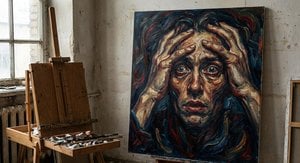
Figurative Expressionism: Emotional Intensity & Subjective Reality in 20th-Century Art
Explore the powerful world of Figurative Expressionism with ArtsDot. Discover key artists like Kirchner & Beckmann, understand its emotional depth, and learn how to collect this influential 20th-century art movement.

The Raw Emotion of Expressionism: A Deep Dive into its History, Characteristics & Enduring Influence
Explore the raw emotion of Expressionism with ArtsDot. Discover its history, key artists like Kirchner & Munch, and lasting influence on modern art. Expert insights for collectors & enthusiasts.



