


სურათი შეესაბამება თქვენს არჩევანს: , .
კოლექციონირებადი ნივთის აღწერა
Delve into the unsettling world of James Ensor with this portrait! Explore his iconic masks, carnival scenes, and psychological depth through this captivating work by a Belgian Expressionist pioneer.
 სრული ტექსტის ნახვა
მხატვრის ბიოგრაფია
გამოცენებული ბელგიელი მხატვარი და გრაფიკოსი ჯეიმ્સ კენსორი (1860-1949) იყო გამოქცეული სურათთა ისტორიიდან და მნიშვნელოვანი გავლენა exercează এক্সპრესიონიზმსა და სურ réalისმზე. აღმოჩენილია მისი ართმება და შეფასება მელანქოლიური სცენები მელანქოლიური სცენები მელანქოლიური სცენები მელანქოლიური სცენები მელანქოლიური სცენები მელანქოლიური სცენები მელანქოლიური სცენები მელანქოლიური სცენები მელანქოლიური სცენები
ხელით შესრულებული ზეთის საღებავით რეპროდუქცია
ტილოზე შესრულებული ფერწერიანი ზეთប្រდათი, თქვენთვის სასურველი ზომისა და ჩარჩოსთვის, ჩვენი ხელოვანების მიერ შეკვეთის საფუძველზე დამზადებული. ( გადართვა ბეჭდვის რეჟიმზე გადასვლა ციფრულ გამოსახულებაზე)
მეტი ამ ნახატის შესახებ
 ნახვა ინტერьерში
 გაგზავნა
 გაზიარება
 დეტალები
 გზამკვლევი

 ჩამოტვირთვა
 მსგავსები
 რენტგენოგრაფიული კვლევა
 სლაიდშოუ
 კითხვა-პასუხი
 სტატისტიკა
დაგვიკვეთეთ თქვენი ნახატი ოთხ მარტივ ნაბიჯში
არ იჩქაროთ. ნებისმიერი პასუხის შეცვლა შეგიძლიათ; თქვენს შეკვეთაში ფასი თითოეულ არჩევანს მოჰყვება.
1 პირველი ნაბიჯი ოთხიდან
რომელი ზომა გსურთ?
ეს ზომები ინარჩუნებს ორიგინალი ნახატის პროპორციებს. ილუსტრაცია აჩვენებს თქვენს არჩევანს კედელზე, ორმეტრიანი სავარძლის ზემოთ.
ან მიუთითეთ თქვენი საკუთარი ზომები
აირჩიეთ ჩვენს მიერ წინასწარ განსაზღვრული ზომებიდან, რომლებიც ნაწარმოების ორიგინალურ პროპორციებს შეესაბამება.

შეიყვანეთ თქვენთვის საჭირო სიგანე და სიმაღლე, რათა ნახატი მოერგოს თქვენს ჩარჩოს ან კედელს. ვინაიდან ეს ნამუშევარი ხელით არის შესრულებული, სხვა ფორმის ზომის შემთხვევაში, მხატვარმა შესაძლოა სურათის გარშემო ოდნავ მეტი დატოვოს ან შეამციროს — არჩევანი თქვენზეა. დაწყებამდე, დასამტკიცებლად, ჩვენ გამოგიგზავნით ციფრულ მაკეტს. ამ გვერდზე ნაჩვენები სურათი არ ასახავს რეალურ შედეგს — რეალური სახე მხოლოდ მაკეტზე ჩანს.
2 ნაბიჯი ორი ოთხიდან
როგორ უნდა იყოს მომზადებული: დახვეული, დაჭიმული თუ ჩარჩოში ჩასმული?
ქვემოთ მოცემული ფასები განკუთვნილია პირველ საფეხურზე თქვენ მიერ არჩეული ზომისთვის.
შეარჩიეთ დაჭიმული ტილოს კიდეები
შეარჩიეთ ჩარჩო

თეთრი კიდეები ₾1

ბუნდოვანი კიდეები ₾1

გაფართოებული ₾1

P118B ₾10

P118H ₾10

P118W ₾10

P438Z ₾10

P508JH ₾12

P508YH ₾12

P805H ₾10

P805Z ₾10

P919BZ ₾10

P919G ₾10

P919XJ ₾10

P959ZH ₾10

P968JZ ₾12

W106C ₾8

W218G ₾10

W218JH ₾8

W218Y ₾10

W307PJ ₾10

W316G ₾10

W316PJ ₾8

W316Y ₾10

W398PJ ₾8

W4111J ₾10

W500HY ₾15

W500JH ₾15

W692G ₾12

W849H ₾8

W940BG ₾15

W953PJ ₾8

H24-GOLD ₾30

H24-SILVER ₾30

H36-GOLD ₾45

H36-SILVER ₾45
ჩარჩოჩენილი
კარმამ . ზომა ჩარჩოზე, მთლიანი: .
3 ნაბიჯი სამი ოთხიდან
გსურთ რაიმე ცვლილების შეტანა ნახატში?
ადამიანთა უმეტესობა უარს პასუხობს. ვინაიდან თითოეული ნახატი ხელით იქმნება, ჩვენს მხატვარს შეუძლია მისი თქვენთვის ადაპტირებაც.
შეკვეთის შემდეგ, ArtsDot.com გუნდი გამოგსტავთ ელექტრონულ წერილს ინსტრუქციებისთვის და მოგაწვდით წინასწარ ნახატის (mockup) პრევიუსს
4 ოთხიდან მეოთხე ნაბიჯი
დასრულების რამდენიმე ვარიანტი
ყველაფერი არჩევითია. უკვე შერჩეულ პასუხებს დამატებითი საფასური არ მოსთხოვება.
ვინ ასრულებს ამ ნამუშევარს?
მიწოდება მსოფლიო მასშტაბით -ში 3/4 კვირაში, სტანდარტული 5 კვირის ნაცვლად. (4 ნოემბერი). ხარისხზე კომპრომისის გაკეთება არ მოხდება.
სარდაფი, როგორც მუზეუმში?
დაკვეთილი ბრინჯაოს ფირფიტის დეტალები
This elegant plaque features the artist's name and the title of the artwork, finely engraved for a timeless presentation.
It is made from bronze with a refined, elegant finish. The text is precisely laser-engraved for a sharp and permanent result. Measuring 9x2 cm, the plaque is compact yet easy to read. It's built to be durable and scratch-resistant, offering a professional, museum-quality look. Mounting is simple thanks to the included adhesive backing.
აკრილის გამჭვირვალე ფირფიტის დეტალები
The plaque includes essential engraved details such as the artist's name, the title of the artwork, the date it was created, the type of media used-like oil on canvas or watercolor-a brief description of the piece, and a QR code that links to the complete artwork information.
It is crafted from clear acrylic, offering a sleek, modern appearance. The text is UV-engraved in black to ensure strong visual contrast. With a size of 10x15 cm, it ensures optimal readability. It comes equipped with two metal hooks for secure wall mounting. The plaque is designed to be weather-resistant, making it suitable for various environments, and it includes interactive features that work seamlessly with smartphone scanning.
შავი აკრილის ფირფიტის დეტალები
This elegant plaque includes engraved information such as the artist's name, the title of the artwork, the date it was created, the type of media used (like oil on canvas or watercolor), a short description of the artwork, and a QR code for quick access to more information.
The plaque itself is made from refined black acrylic with a premium finish. The text is laser-engraved in white for high contrast and readability. Its size is 10x15 cm, designed to be easy to read. It comes with two metal hooks for professional mounting. The design is sleek and fits any interior style. It is also weather-resistant and durable, with built-in digital integration for mobile compatibility.
დამცავი ლაქი?
როდის გჭირდებათ?
✓ შეამოწმეთ და შეუკვეთეთ
თქვენი ნახატი, ზუსტად ისეთი, როგორ შეუკვეთეთ

Ensor musicien et ses clefs de sol
რეპროდუქციის ტექნიკა
რეპროდუქციის ზომა
-

დასახელებული ხელოვანთა შერჩეული კოლექცია
უფრო მეტი დეტალიზაცია, დახვეწილობა და დამატებითი დამუშავების დრო
-

რეკლამაციის ჩარჩო
-
-
ნებისმიერი მხარისთვის 105 სმ-ზე (დაახლოებით 41 ინჩი) მეტი ზომის ხელოვნებული ნამუშევრების ან რეპროდუქციებისთვის, ჩარჩო მოგზავნდება დაშლილ კომპლექტში. ეს მეთოდი უზრუნველყოფს უსაფრთხო მიწოდებას და თავიდან აგაცილებთ ტრანსპორტირებისას შესაძლო დაზიანებას.
საჭიროა პროფესიონალური აწყობა - ეს არ არის თვითმომსახურების (DIY) პროდუქტი.
კომპლექტის აწყობა და ტილოს დაჭიმვა უნდა განახორციელოს გამოცდილმა პროფესიონალმა ჩარჩოს დამამზადებელმა, ხის წებოს (არ შედის კომპლექტში), ტილოს დაჭიმვის ბერჭებისა და საკრამების გამოყენებით, რათა წებოს გასაშრობად ღერძები სწორად და სტაბილურად დაფიქსირდეს. არასწორი აწყობა ან ტილოს არათანაბარი დაჭიმვა შეიძლება გამოიწვიოს ნამუშევრის სამუდამო დაზიანება, რაც არ იფარება ჩვენი გარანტიით.
 ნებისმიერი მხარისთვის 105 სმ-ზე (დაახლოებით 41 ინჩი) მეტი ზომის ხელოვნებული ნამუშევრების ან რეპროდუქციებისთვის, ჩარჩო მოგზავნდება დაშლილ კომპლექტში. ეს მეთოდი უზრუნველყოფს უსაფრთხო მიწოდებას და თავიდან აგაცილებთ ტრანსპორტირებისას შესაძლო დაზიანებას.
კომპლექტში შედის მყარი ხის ყველა ღერძი, ზუსტად გაზომილი და საჭირო ზომაზე დაჭრილი.
აწყობისთვის გამოიყენება მოთავსებული ხრახნები; ასევე დაგჭირდებათ ხის წებო კუთხეების დასაკავშირებლად, რომელიც კომპლექტში არ შედის და თქვენმა ჩარჩოს დამამზადებელმა უნდა შეიძინოს დამოუკიდებლად.
საჭიროა პროფესიონალური ხელსაწყოები, რომლებიც არ შედის კომპლექტში: ტილოს დაჭიმვის ბრჭყალები (დამჭერი) და სამჭედლები, რათა წებოს გასაშრობ პროცესში რამკოს კუთხეები სწორად ფიქსირდეს.
მნიშვნელოვანია:
კუთხეების დასაკავშირებლად საჭიროა ხის წებო; სანამ წებო სრულად გაშრება, ღერძები დაფიქსირებული უნდა იყოს საკავშირეებით, ხოლო აწყობილ ჩარჩოზე ტილოს დასჭიმად საჭიროა ტილოს დასჭიმელი ბრჭჭვალი. არცერთი ეს ნივთი არ შედის კომპლექტში. გთხოვთ, ამ ზომის შეკვეთამდე წინასწარ დაგეგმოთ გამოცდილი პროფესიონალი ჩარჩოს დამზადებელი.

სახელოვანი ფირფიტა
-
-

დამცავი ლაქი
ბზინვარე ლაქი (აფერსკვიატებს ფერებს და იცავს სინათლისა და ტენისგან)
-

ჩემი ნამუშევრის პერსონალიზაცია
რა შეიძლება შეიცვალოს (მაგალითები): სახის შეცვლა მომხმარებლის ფოტოთი; შინაური ცხოველის დამატება (მაგალითად, კატის დგებით შეცვლა); ფონზე ფარული შეტყობინების დამატება; ფონის ლანდშაფტის ან ელემენტების შეცვლა.
-

სასწრაფო მიწოდება
მიწოდება მსოფლიო მასშტაბით () 3-4 კვირაში, სტანდარტული 5 კვირის ნაცვლად. (4 ნოემბერი). ხარისხზე კომპრომისის გაკეთება არ მოხდება.
-
ექსპრეს-მიწოდება
მიწოდება მსოფლიოს მასშტაბით (), 5 კვირაში. (11 ნოემბერი).
მოყვება
ჯამური ღირებულება
₾ 684
მინის ჩარჩოს არჩევანი ხელმისაწვდომია მხოლოდ 110 სმ-მდე ზომისთვის
მოყვება თითოეულ შეკვეთასთან ერთად
- უფასო ექსპრეს მიწოდება მთელ მსოფლიოში
- მაღალი ხარისხის ტილო
- ტრანსპორტირების სრული დაზღვევა
- საბაჟო გადასახადების დაბრუნების გარანტია
- ფერების სრული შესაბამისობის გარანტია
- დაბრუნების 100-დღიანი პერიოდი (მხოლოდ წარმოების დეფექტის შემთხვევაში)
- 100% თანხის სრული დაბრუნების გარანტია
- ფასდაკლება დიდი რაოდენობით შეკვეთისას


James Ensor’s Unsettling Portrait of Musical Mystery
James Ensor's "Ensor musicien et ses clefs de sol" (Ensor the Musician and His Clefs) is not merely a portrait; it’s an immersion into a world of psychological unease, theatricality, and subtle symbolism. Painted in 1888, this work stands as a pivotal example of Ensor's unique artistic vision – a blend of Symbolism, Expressionism, and touches of Surrealism that continues to fascinate and disturb viewers over a century later. The painting depicts a man, likely self-portrait, seated before a wall adorned with musical notes, his gaze direct and unsettlingly intense. His brown coat provides a grounding element against the vibrant, almost hallucinatory background, while the inclusion of a clock subtly introduces themes of time, mortality, and perhaps, the relentless march of artistic judgment.
Ensor’s stylistic choices are immediately arresting. The palette is rich and saturated, dominated by reds – not comforting hues, but rather intense, bordering on alarming shades that contribute to the painting's overall sense of disquiet. This boldness was a deliberate departure from the prevailing academic styles of the time, reflecting Ensor’s rejection of rigid artistic conventions. He employed a technique characterized by thick impasto, particularly noticeable in the background, creating a tactile surface that seems to pulsate with energy. The figures are rendered with an almost mask-like quality – their features simplified and exaggerated, hinting at hidden emotions and concealed identities. This echoes Ensor’s lifelong fascination with masks, a motif deeply ingrained in his artistic practice, stemming from his childhood spent amidst the spectacle of Ostend's carnival.
The Carnival Within: Symbolism and Personal Narrative
The painting is profoundly rooted in Ensor’s personal history and experiences. The souvenir shop run by his parents, overflowing with masks, curiosities, and theatrical props, served as a constant source of inspiration. These objects weren't simply decorative; they represented a world of performance, disguise, and the blurring of reality and illusion – themes that would become central to Ensor’s artistic exploration. The musical notes scattered across the wall are not just an incidental detail; they symbolize the artist’s own engagement with music, a passion he pursued despite lacking formal training. The act of playing music, particularly improvising, was for Ensor a means of expressing his innermost thoughts and emotions, often in ways that challenged societal norms.
Furthermore, the inclusion of skeletons – a recurring motif in Ensor’s work – suggests an awareness of mortality and the ephemeral nature of existence. They are not presented as frightening specters but rather as participants in this strange musical tableau, adding to the painting's unsettling atmosphere. The man’s direct gaze at the viewer is particularly significant. It’s a confrontational stare, suggesting that he is not simply presenting himself; he is challenging the observer to contemplate their own role within his world of masks and shadows.
Contextualizing Ensor: A Revolutionary Artist
James Ensor was a truly groundbreaking figure in 19th-century art. He rejected the prevailing artistic trends, forging his own distinctive style that defied easy categorization. His work was often met with hostility and criticism, particularly during his early career, as evidenced by the scathing reviews of “Christ’s Entry Into Brussels.” However, Ensor persevered, developing a unique visual language that anticipated the developments of Expressionism and Surrealism. He was associated with the Les XX group, a circle of avant-garde artists who championed innovation and challenged artistic conventions.
Ensor's influence extends far beyond his own lifetime. His exploration of psychological themes, his use of unsettling imagery, and his rejection of academic tradition paved the way for future generations of artists. His work continues to resonate with contemporary audiences, offering a glimpse into the mind of an artist who dared to confront the darker aspects of human experience. Reproductions of "Ensor musicien et ses clefs de sol" provide a tangible connection to this remarkable and profoundly unsettling artistic legacy.
Bringing Ensor Home: A High-Quality Reproduction
ArtsDot offers meticulously crafted, hand-painted reproductions of James Ensor’s “Ensor musicien et ses clefs de sol,” capturing the artist's distinctive style and emotional intensity. Our skilled artisans use archival-quality materials and techniques to faithfully recreate every detail of this iconic painting, ensuring that your reproduction will be a treasured addition to your art collection for years to come. Whether you’re an art enthusiast, a collector seeking to expand your holdings, or simply someone drawn to the power of evocative imagery, a ArtsDot reproduction offers a beautiful and authentic way to experience the genius of James Ensor.
კითხვები და პასუხები
როგორ ერწყმის კონტრასტი და ჰარმონია ნამუშევარში "Ensor musicien et ses clefs de sol"?
ჯეიმზ ინსორ-ის „Ensor musicien et ses clefs de sol“-ის ფერების ანალიზი ასახავს Serene კონტრასტს და Strong Color Unity ჰარმონიას.
რა ስሜრს წარმოშობს ჯეიმზ ინსორ-ის „Ensor musicien et ses clefs de sol“-ის ფერები?
ჯეიმზ ინსორ-ის „Ensor musicien et ses clefs de sol“-ის Earthy პალიტრა იდეალურად ერწყმის მის Melancholic ემოციურ ტონს. ფერი ერთ-ერთი საშუალებაა, რასაც ნამუშევარი გრძნობების გადმოსაცემად იყენებს.
ხელმისაწვდომია თუ არა „Ensor musicien et ses clefs de sol“-ის გადმოწერა?
ჯეიმზ ინსორ-ის „Ensor musicien et ses clefs de sol“ სურათის ჩამოტვირთვა შესაძლებელია ნამუშევრის ჩამოტვირთვა გვერდიდან: მაღალი გარჩევადობის ციფრული გამოსახულების ჩამოტვირთვა.
მსგავსი ნამუშევრები


ჯეიმზ ინსორ
1860 - 1949, ს ბელგია
მხატვრის ბიოგრაფია
James Ensor: A Pioneer of Expressionism and Surrealism
James Sidney Edouard, Baron Ensor (Ostend, 13 April 1860 – 19 November 1949) was a Belgian painter and printmaker who stands as one of the most influential figures in the development of Expressionism and Surrealism. Born into an English father and Belgian mother amidst the vibrant atmosphere of Ostend’s seaside resort town, Ensor’s upbringing profoundly shaped his artistic vision—a vision characterized by unsettling imagery, bold brushwork, and a relentless interrogation of human psychology.
Early Influences and Artistic Training
From a young age, Ensor demonstrated an innate talent for drawing and painting, nurtured by the encouragement of local artists. He attended the College of the Blessed Virgin in Ostend, immersing himself in the intellectual currents of his time. His formal artistic training at the Académie Royale des Beaux-Arts in Brussels exposed him to influential teachers like Jean Portales, fostering a critical engagement with academic conventions and propelling him toward a path of independent innovation.
The Emergence of Expressionist Style
A pivotal turning point arrived as Ensor’s palette shifted from somber realism to vibrant hues infused with psychological intensity. Influenced by Rembrandt, Francisco Goya, and Japanese woodcuts—artists who championed expressive techniques—Ensor embarked on a daring stylistic transformation. He rejected the prevailing Symbolist aesthetic, prioritizing raw emotion and visceral impact over decorative considerations.
Key Works and Recurring Themes
Ensor’s oeuvre is marked by a series of monumental paintings that continue to provoke debate and admiration. *The Scandalized Masks* (1883) captures the unsettling spectacle of carnival—a realm populated by grotesque masks concealing hidden identities and exposing societal hypocrisy. Perhaps his most iconic work, *Christ's Entry into Brussels* (1888–89), remains a searing indictment of religious dogma and social complacency—a painting that utilizes theatrical staging and jarring color combinations to convey profound psychological truths.
Legacy and Influence
James Ensor’s uncompromising artistic vision irrevocably altered the trajectory of modern art. He challenged established norms, embraced irrationality, and championed subjective experience—qualities that resonated deeply with artists who would follow in his footsteps. His pioneering use of expressive brushwork, coupled with his unflinching exploration of darkness and despair, solidified his position as a cornerstone of Expressionism and Surrealism—a legacy that continues to inspire artists today.


მსგავსი სტატიები

James Ensor's Grotesque Visions: Social Commentary & Artistic Innovation
Explore the unsettling yet captivating world of James Ensor, a pioneer of Expressionism. Discover his satirical masterpieces, symbolic imagery & lasting influence on modern art. High-quality reproductions available at ArtsDot.

The Raw Emotion of Expressionism: A Deep Dive into its History, Characteristics & Enduring Influence
Explore the raw emotion of Expressionism with ArtsDot. Discover its history, key artists like Kirchner & Munch, and lasting influence on modern art. Expert insights for collectors & enthusiasts.
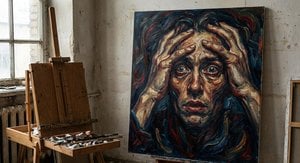
Figurative Expressionism: Emotional Intensity & Subjective Reality in 20th-Century Art
Explore the powerful world of Figurative Expressionism with ArtsDot. Discover key artists like Kirchner & Beckmann, understand its emotional depth, and learn how to collect this influential 20th-century art movement.