


 ნახვა ინტერьерში
 გაგზავნა
 გაზიარება
 დეტალები
 გზამკვლევი

 ჩამოტვირთვა
 მსგავსები
 რენტგენოგრაფიული კვლევა
 სლაიდშოუ
 სტატისტიკა
Acacia

 სრული ტექსტის ნახვა
გიკლე / ხელოვნების პრინტი
მუზეუმის დონის ჟიკლე ან ტილოზე ბეჭდვა სწრაფი წარმოებისა და დასრულების მოქნილი ვარიანტებით. ( შეიძინეთ ხელით შესრულებული ნახატი გადასვლა ციფრულ გამოსახულებაზე)




P118B ₾10

P118H ₾10

P118W ₾10

P438Z ₾10

P508JH ₾12

P508YH ₾12

P805H ₾10

P805Z ₾10

P919BZ ₾10

P919G ₾10

P919XJ ₾10

P959ZH ₾10

P968JZ ₾12

W106C ₾8

W218G ₾10

W218JH ₾8

W218Y ₾10

W307PJ ₾10

W316G ₾10

W316PJ ₾8

W316Y ₾10

W398PJ ₾8

W4111J ₾10

W500HY ₾15

W500JH ₾15

W692G ₾12

W849H ₾8

W940BG ₾15

W953PJ ₾8




აირჩიეთ ჩვენს მიერ წინასწარ განსაზღვრული ზომებიდან, რომლებიც ნაწარმოების ორიგინალურ პროპორციებს შეესაბამება.

თქვენ შეგიძლიათ მიუთითოთ საკუთარი ზომები კონკრეტული ჩარჩოსთვის ან სივრცისთვის მოსარგებლებლად. თუ თქვენ მიერ არჩეული ზომა არ შეესაბამება ორიგინალი გამოსახულების პროპორციებს, ჩვენ ან დავჭრით ნამუშევარს, ან გავაფართოვებთ გამოსახულებას სარკული ან ერთფეროვანი კიდეებით. წარმოების დაწყებამდე თქვენს დასამტკიცებლად გამოგეგზავნებათ ციფრული მაკეტი.
გთხოვთ, გაითვალისწინოთ, რომ ეკრანზე ნაჩვენები წინასწარი ნახვა არ ასახავს რეალურ ჭრას ან გაფართოებას. მხოლოდ მაკეტზე იქნება ზუსტად წარმოდგენილი საბოლოო კომპოზიცია.
მიუხედავად იმისა, რომ ინდივიდუალური ზომები ხელმისაწვდომია, ორიგინალური პროპორციების შესანარჩუნებლად გირჩევთ, აირჩიოთ ზომა წინასწარ განსაზღვრული სიისგან.
მიწოდება მთელ მსოფლიოში () 2 კვირაში, სტანდარტული 4/5 კვირის ნაცვლად. (8 ოქტომბერი)

უფასო ექსპრეს მიწოდება მთელ მსოფლიოში

მაღალი ხარისხის ტილო

ტრანსპორტირების სრული დაზღვევა

საბაჟო გადასახადების დაბრუნების გარანტია

ფერების სრული შესაბამისობის გარანტია

დაბრუნების 100-დღიანი პერიოდი (მხოლოდ წარმოების დეფექტის შემთხვევაში)

100% თანხის სრული დაბრუნების გარანტია

ფასდაკლება დიდი რაოდენობით შეკვეთისას
 მინის ჩარჩოს არჩევანი ხელმისაწვდომია მხოლოდ 110 სმ-მდე ზომისთვის

Acacia
გიკლე / ხელოვნების პრინტი
რეპროდუქციის ზომა
-


ჯამური ღირებულება
₾ 162
A Winter’s Reverie: Decoding James Ensor's ‘Acacia’
Acacia, a hauntingly beautiful etching by Belgian master James Ensor, transports viewers to a desolate winter landscape steeped in atmosphere and symbolic weight. This monochromatic work is not merely a depiction of nature; it’s an exploration of time, decay, and the enduring power of memory – themes central to Ensor's complex artistic vision.Subject & Composition: A Dialogue Between Nature and Ruin
The composition centers around a stark, bare tree—an *acacia*, presumably—that dominates the foreground. Its skeletal branches reach upwards, mirroring the verticality of a crumbling stone tower or ruin visible in the distance. This architectural fragment, partially obscured by distant trees and a hazy horizon, suggests a forgotten past. The arrangement isn’t one of idyllic harmony but rather a poignant juxtaposition: nature asserting its presence alongside the remnants of human endeavor. Ensor masterfully uses linear perspective to create depth, though it's subtly flattened – characteristic of etching as a medium – drawing the eye into the scene while maintaining an intriguing sense of ambiguity.Technique & Style: The Etched Soul of Romanticism
Ensor’s technique is exemplary. He employs etching—a process involving acid to create lines on a metal plate—to build up texture and tonal range. Notice the meticulous hatching and cross-hatching used to render the rough bark of the tree and the weathered stonework of the tower. These techniques aren't simply descriptive; they contribute significantly to the artwork’s emotional impact, evoking a sense of fragility and age. The style leans heavily into late 19th-century Romanticism and Symbolism. While not striving for photographic realism, Ensor prioritizes atmospheric effect and emotional resonance. The lines themselves are expressive, carrying the weight of solitude and melancholy.Historical Context: An Artist Ahead of His Time
Born in Ostend, Belgium in 1860, James Ensor was a pivotal figure bridging the gap between Impressionism and Expressionism. He rejected academic conventions early on, developing a highly personal style that often incorporated unsettling imagery – masks, skeletons, carnivals – to explore themes of human alienation and societal critique. While Acacia doesn’t feature these overtly jarring elements, it shares Ensor's characteristic preoccupation with mortality and the passage of time. His work profoundly influenced later movements like Surrealism, establishing him as a true visionary.Symbolism & Emotional Impact: Echoes of Loss and Remembrance
The symbolism within Acacia is layered and open to interpretation. The bare tree can represent both death and resilience—a stark reminder of winter’s harshness but also a promise of eventual renewal. The crumbling tower speaks to the impermanence of human creations, the inevitable decay that time inflicts upon all things. The overall mood is one of quiet contemplation, evoking feelings of solitude, nostalgia, and perhaps even a gentle sadness. It's an artwork that invites introspection, prompting viewers to reflect on their own relationship with memory, loss, and the enduring beauty of the natural world.Collecting & Interior Design: A Timeless Addition
- For Collectors: An original etching by James Ensor is a significant investment, representing a cornerstone of Belgian art history.
- For Interior Designers: The monochromatic palette and evocative subject matter make Acacia incredibly versatile. It would complement a range of interior styles – from traditional to contemporary – adding depth and sophistication to any space. Its subdued tones work particularly well in studies, libraries, or bedrooms, creating a calming and contemplative atmosphere.
- Reproductions: High-quality reproductions capture the intricate detail of Ensor’s etching technique, offering an accessible way to bring this masterpiece into your home.
კითხვები და პასუხები
რა ფერల პალიტრაა გამოყენებული ჯეიმზ ინსორ-ის „Acacia“-ში?
ჯეიმზ ინსორ-ის „Acacia“ იყენებს Neutrals ფერების პალიტრას. ეს პალიტრა ასკლერავს ნამუშევრის საერთო ფეროვან ხასიათს.
შემიძლება შევუკვეთო "Acacia"-ის ზეთწარმოებული რეპროდუქცია?
ჯეიმზ ინსორ-ის „Acacia“-ის ხელით ნათესლით შესრულებული რეპროდუქციის შეკვეთა პირდაპირ ეს გვერდი-ზე შეგიძლიათ: ლენის ტილოზე შესრულებული ზეთწარმოთი, ხელით ნათესლით, შეკვეთის საფუძველზე დამზადებული.
რა ფერი დომინირებს ჯეიმზ ინსორ-ის „Acacia“ კომპოზიციაში?
ნამუშევარში "Acacia" ყველაზე თვალსაჩინო ფერია Espresso (#685848). დომინანტური ფერის ცოდნა სასარგებლოა ნამუშევრის ინტერიერთან შესაბამისობისთვის.
როგორ ერწყმის მასალა და სტილი ერთმანეთს ნამუშევარში "Acacia"?
ჯეიმზ ინსორ-ის „Acacia“-ში Acrylic On Canvas ტექნიკა და Romanticism სტილი ერთიანდება. ტექნიკა და მიმდინარეობა აღწერს ნამუშევრის შესრულების მეთოდსა და სტილს.
ვინ არის „Acacia“-ის ავტორი?
სამ 작품ის „Acacia“ ავტორი არის ჯეიმზ ინსორ. ნამუშევარი დატრიალებულია ჯეიმზ ინსორ-ის სახელით.
შეიძლება თუ არა "Acacia" შეძენა როგორც მხატვრული პრინტი?
"Acacia" ხელოვნების ნიმუში ხელმისაწვდომია როგორც ხელოვნების მაღალი ხარისხის ბეჭდური ბამბის ტილოს ან საარქივო ტილოს ქაღალდის ბაზაზე. შეკვეთა შეგიძლიათ თქვენთვის სასურველი ზომით, ეს გვერდი გვერდზე.
რა არის ჯეიმზ ინსორ-ის „Acacia“-ის დომინანტური ფერი?
ჯეიმზ ინსორ-ის „Acacia“-ში დომინირებს Ochre to Sepia ტონალობა.
მსგავსი ნამუშევრები


მხატვრის ბიოგრაფია
James Ensor: A Pioneer of Expressionism and Surrealism
James Sidney Edouard, Baron Ensor (Ostend, 13 April 1860 – 19 November 1949) was a Belgian painter and printmaker who stands as one of the most influential figures in the development of Expressionism and Surrealism. Born into an English father and Belgian mother amidst the vibrant atmosphere of Ostend’s seaside resort town, Ensor’s upbringing profoundly shaped his artistic vision—a vision characterized by unsettling imagery, bold brushwork, and a relentless interrogation of human psychology.
Early Influences and Artistic Training
From a young age, Ensor demonstrated an innate talent for drawing and painting, nurtured by the encouragement of local artists. He attended the College of the Blessed Virgin in Ostend, immersing himself in the intellectual currents of his time. His formal artistic training at the Académie Royale des Beaux-Arts in Brussels exposed him to influential teachers like Jean Portales, fostering a critical engagement with academic conventions and propelling him toward a path of independent innovation.
The Emergence of Expressionist Style
A pivotal turning point arrived as Ensor’s palette shifted from somber realism to vibrant hues infused with psychological intensity. Influenced by Rembrandt, Francisco Goya, and Japanese woodcuts—artists who championed expressive techniques—Ensor embarked on a daring stylistic transformation. He rejected the prevailing Symbolist aesthetic, prioritizing raw emotion and visceral impact over decorative considerations.
Key Works and Recurring Themes
Ensor’s oeuvre is marked by a series of monumental paintings that continue to provoke debate and admiration. *The Scandalized Masks* (1883) captures the unsettling spectacle of carnival—a realm populated by grotesque masks concealing hidden identities and exposing societal hypocrisy. Perhaps his most iconic work, *Christ's Entry into Brussels* (1888–89), remains a searing indictment of religious dogma and social complacency—a painting that utilizes theatrical staging and jarring color combinations to convey profound psychological truths.
Legacy and Influence
James Ensor’s uncompromising artistic vision irrevocably altered the trajectory of modern art. He challenged established norms, embraced irrationality, and championed subjective experience—qualities that resonated deeply with artists who would follow in his footsteps. His pioneering use of expressive brushwork, coupled with his unflinching exploration of darkness and despair, solidified his position as a cornerstone of Expressionism and Surrealism—a legacy that continues to inspire artists today.

ჯეიმზ ინსორ
1860 - 1949 , ს ბელგია
მოკლე ფაქტები
- Artistic Movement Or Style: Экспрессионизм и сюрреализм
- Artists Who Influenced This Artist:
- Брюгель Старший
- Франсиско Гоя
- Уистлер
- Date Of Birth: April 13, 1860
- Date Of Death: November 19, 1949
- Full Name: James Sidney Edouard Ensor
- Nationality: Бельгия
- Notable Artworks:
- Скаркализованные маски
- Скелеты сражаются...
- Христос входит в Брюссель
- Place Of Birth: Ostend, Belgium
მსგავსი სტატიები
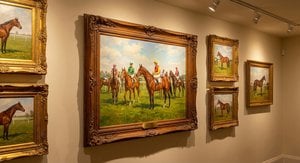
Sir Alfred Munnings' Masterpieces: 25 Paintings That Define Equine Art | ArtsDot
Explore 25 iconic Sir Alfred Munnings paintings! Discover the beauty of British Impressionism, equine art & rural England. Find museum-quality reproductions and elevate your home decor with ArtsDot. Explore the full collection online.

Etching Masters: 10 Legendary Prints That Revolutionized Art | ArtsDot
Journey through 10 legendary etching masterpieces by Rembrandt, Dürer & Goya. Explore the history of printmaking and discover timeless art for your home. Find museum-quality reproductions at ArtsDot.com.

Etching: A Historical Survey of Technique, Aesthetic Qualities & Enduring Artistic Significance
Explore the rich history of etching, from its origins to Rembrandt's masterful innovations. Discover the technique, aesthetic qualities & enduring legacy of this captivating art form. Expert insights for collectors and enthusiasts.

ჯეიმზ უისტლერის 25 შედევრი: ხელოვნების ისტორია თქვენს სახლში | ArtsDot
გაიცანით ჯეიმზ უისტლერის 25 შედევრი! ნოქტიურნები, პორტრეტები და იმპრესიონიზმის სილამაზე. ხელოვნების ისტორია ArtsDot-ზე - მუზეუმის ხარისხის რესპროდუქციები თქვენი სახლისთვის. აღმოაჩინეთ უისტლერის ტილოები ონლაინ!

კაცუსიკა ჰოკუსაის 25 შედევრი: იაპონური ხელოვნების გენიალური ნაწარმოებები თქვენს სახლში
გაიცანით კაცუსიკა ჰოკუსაის 25 შედევრი! იაპონური ხელოვნების გენიალური ნაწარმოებები, უქიო-ე სტილი და ფუჯის მთის გამოსახულებები. შეიძინეთ ხატვის რეკონსტრუქციები ArtsDot.com-ზე და შექმნით თქვენი სახლისთვის განსაკუთრებული ინტერიერი.


