

 ნახვა ინტერьерში
 გაგზავნა
 გაზიარება
 დეტალები
 გზამკვლევი

 ჩამოტვირთვა
 მსგავსები
 რენტგენოგრაფიული კვლევა
 სლაიდშოუ
 კითხვა-პასუხი
 სტატისტიკა
Etienne Maurice Gerard


 სრული ტექსტის ნახვა
გიკლე / ხელოვნების პრინტი
მუზეუმის დონის ჟიკლე ან ტილოზე ბეჭდვა სწრაფი წარმოებისა და დასრულების მოქნილი ვარიანტებით. ( შეიძინეთ ხელით შესრულებული ნახატი გადასვლა ციფრულ გამოსახულებაზე)




P118B ₾10

P118H ₾10

P118W ₾10

P438Z ₾10

P508JH ₾12

P508YH ₾12

P805H ₾10

P805Z ₾10

P919BZ ₾10

P919G ₾10

P919XJ ₾10

P959ZH ₾10

P968JZ ₾12

W106C ₾8

W218G ₾10

W218JH ₾8

W218Y ₾10

W307PJ ₾10

W316G ₾10

W316PJ ₾8

W316Y ₾10

W398PJ ₾8

W4111J ₾10

W500HY ₾15

W500JH ₾15

W692G ₾12

W849H ₾8

W940BG ₾15

W953PJ ₾8




აირჩიეთ ჩვენს მიერ წინასწარ განსაზღვრული ზომებიდან, რომლებიც ნაწარმოების ორიგინალურ პროპორციებს შეესაბამება.

შეიყვანეთ თქვენთვის საჭირო სიგანე და სიმაღლე, რათა იგი მოერგოს თქვენს ჩარჩოს ან კედელს. ბეჭდვისას შესაძლებელია მხოლოდ მისი შემცირება და არა გაზრდა, ამიტომ სხვა ფორმის ზომის შემთხვევაში გამოსახულება ნაწილობრივ იკარგება. სანამ რაიმეს დაბეჭდავთ, ჩვენ გამოგიგზავნით ციფრულ მაკეტს დასდასტურებლად. ამ გვერდზე ნაჩვენები სურათი არ ასახავს რეალურ ჭრას — ამას მხოლოდ მაკეტი გვიჩვენებს.
მიწოდება მთელ მსოფლიოში () 2 კვირაში, სტანდარტული 4/5 კვირის ნაცვლად. (4 ნოემბერი)

უფასო ექსპრეს მიწოდება მთელ მსოფლიოში

მაღალი ხარისხის ტილო

ტრანსპორტირების სრული დაზღვევა

საბაჟო გადასახადების დაბრუნების გარანტია

ფერების სრული შესაბამისობის გარანტია

დაბრუნების 100-დღიანი პერიოდი (მხოლოდ წარმოების დეფექტის შემთხვევაში)

100% თანხის სრული დაბრუნების გარანტია

ფასდაკლება დიდი რაოდენობით შეკვეთისას
 მინის ჩარჩოს არჩევანი ხელმისაწვდომია მხოლოდ 110 სმ-მდე ზომისთვის

Etienne Maurice Gerard
გიკლე / ხელოვნების პრინტი
რეპროდუქციის ზომა
-


ჯამური ღირებულება
₾ 164
The Visionary’s Brush: Jacques-Louis David and Etienne Maurice Gerard
Jacques-Louis David's Etienne Maurice Gerard is more than just a portrait; it’s a meticulously crafted distillation of the Napoleonic era, a visual testament to military prowess, and a poignant reflection on the shifting tides of French history. Painted in 1816, shortly after Napoleon’s defeat and the subsequent exile of many prominent figures, this work captures General Gerard not merely as an individual, but as a symbol – a representation of France's past glory and its uncertain future. David, already a pivotal figure in the transition from Rococo to Neoclassical art, here masterfully employs the principles of his new style to elevate Gerard to heroic stature, imbuing the scene with a dramatic intensity that resonates far beyond a simple likeness.
The painting immediately draws the eye to Gerard’s commanding presence. He stands confidently on a balcony overlooking a distant landscape, his foot raised in a gesture of authority and control – a subtle yet powerful symbol of leadership. The composition is carefully balanced, utilizing strong diagonals created by the balcony railing and Gerard's stance to draw the viewer into the scene. David’s signature use of warm colors—rich reds, deep blues, and earthy browns—creates an atmosphere of power and gravitas, while his bold brushstrokes inject a sense of dynamism and movement into the otherwise formal arrangement.
Neoclassical Precision: A Study in Detail
David’s mastery of Neoclassical technique is evident in every meticulously rendered detail. The portrait showcases an extraordinary level of precision, particularly in the depiction of Gerard's uniform and medals. Each button, each fold of fabric, each glimmering emblem is painstakingly depicted, reflecting David’s dedication to accuracy and his deep understanding of military attire. This attention to detail isn’t merely decorative; it serves to underscore Gerard’s status as a decorated officer and a national hero – a man who had earned the respect and admiration of his peers.
The background landscape, rendered in muted tones, provides a dramatic backdrop for Gerard's figure. The distant mountains, visible through the hazy atmosphere, evoke a sense of vastness and timelessness, anchoring the portrait within the broader context of French history. Note also the subtle inclusion of architectural elements – the balustrade, the chairs—that subtly reinforce the Neoclassical aesthetic, grounding the scene in classical ideals of order and harmony.
Symbolism and Historical Context
Etienne Maurice Gerard is deeply embedded within the complex political and social landscape of post-revolutionary France. Gerard himself was a significant figure during the Napoleonic Wars, known for his bravery and strategic acumen. However, David’s portrayal transcends mere biographical representation; it speaks to the broader themes of power, ambition, and national identity that defined the era. The confident expression on Gerard's face—a subtle hint of determination mingled with quiet authority—suggests a man who has weathered storms and emerged victorious.
The painting’s creation coincided with a period of political instability in France, following Napoleon’s defeat and the restoration of the Bourbon monarchy. David, himself exiled from Paris, used this portrait as an opportunity to revisit his Neoclassical style and to celebrate the ideals of the past—a deliberate act of defiance against the prevailing conservative forces. The work can be interpreted as a nostalgic yearning for a bygone era of grandeur and military glory, while simultaneously serving as a reminder of France’s enduring legacy in the world of art and culture.
At ArtsDot.com, we are proud to offer meticulously hand-painted reproductions of Etienne Maurice Gerard, capturing David's exceptional skill and the painting's dramatic intensity with unparalleled fidelity. Whether you choose a canvas print or an oil-painted replica, our artisans will ensure that every detail is rendered with precision and care, allowing you to bring this iconic masterpiece into your home or office.
To learn more about Jacques-Louis David and his remarkable career, please visit Jacques Louis David’s page on ArtsDot. For further insights into the painting's historical context and artistic influences, we recommend exploring Jacques Louis David on Wikipedia and Neo-Classicism Art Movement on ArtsDot.
კითხვები და პასუხები
რომელ სტილს მიეკუთვნება "Etienne Maurice Gerard"?
"Etienne Maurice Gerard" არის Neoclassicism სტილის ნამუშევარი. აღნიშნული მიმდინარეობა მიუთითებს იმ მხატვრულ ტრადიციაზე, რომლის ნაწილიცაა ეს ნამუშევარი.
რა ფსევდონიმებით ან ალტერნატიული სახელებით არის ცნობილი Ժაკ-ლუი დავიდ?
Ժაკ-ლუი დავიდ ასევე ცნობილია როგორც Жак-Луи Давид, Jacques Louis David.
რა გამოყენებაა რეკომენდებული Ժაკ-ლუი დავიდ-ის „Etienne Maurice Gerard“-ისთვის?
Ժაკ-ლუი დავიდ-ის „Etienne Maurice Gerard“-ის გამოყენების რეკომენდებული ფორმაა Statement. მას ასევე შეიძლება სხვა დანიშნულება ჰქონდეს.
მსგავსი ნამუშევრები


მხატვრის ბიოგრაფია
Jacques-Louis David: რევოლუციის ხატოვანი მხედარი
ჟაკ-ლუი დავიდი (1748-1825) ფრანგი ζωγράა, რომელსაც საფრანგეთის ისტორიაში განსაკუთრებული ადგილი უკავია. იგი არა მარტო გამოჩენილი მხატვარი იყო, არამედ ეპოქის ანარეკლი – რევოლუციის, იმპერატორის ხელისუფლების და შემდგომი აღმავლობის მოწმე და მონაწილე. მისი ნაწარმოებები დღემდე შთრაგანიერებს მაყურებლებს თავიანთი სიმძლავრითა და ისტორიული მნიშვნელობით.
დავიდი დაიბადა პარიზში, ხელოვანი ოჯახში. ადრეულმა სიკვდილმა მამა მოაცილა მას, რის შედეგადაც დედამისი ბიძების ზრუნვის სა care 맡ოდა. სწორედ მათ უზრუნველყვეს მისი მხატვრული განათლება, რომელიც ფრანსუა ბუშესთან დაიწყო, თუმცა მალევე გადაინتقلდა ჟოზეფ-მარტენ ვიანის სახელოსნოში, სადაც გაიცნო კლასიციზმის პრინციპები და ისტორიული ჟანრის მნიშვნელობა. რომაში მოგზაურობამ, რომელიც პრიზ დე რომის წყალობით გახდა შესაძლებელი, მას უნიკალური შანსი მისცა იხილა ანტიკური ხელოვნების შედევრები და გაღრმავებულიყო კლასიკურ ტრადიციებში.
კლასიციზმის აღმასვლა და "ორატიების ფსალმუნი"
დავიდის შემოქმედებაში მნიშვნელოვანი გარდაქმნა მოხდა, როდესაც მან უარი განაცხადა როკოკოს ზედმეტი მორთულության და მსუბუქ თემებზე. იგი მიმართა ანტიკური ხელოვნების სიმკვეთრას, წესრიგსა და სულიერ მნიშვნელობას. მისი გამარჯვება მოვიდა "ორატიების ფსალმუნით" (1784), რომელმაც საზოგადოებაში შთბერვა გამოიწვია. ეს ტილო არა მხოლოდ მხატვრული ნაწარმოები იყო, არამედ პატრიოტობისა და თავდადების სიმბოლოდაც იქცა. მისი მკაფიო კომპოზიცია, დრამატიული განათება და ზუსტი ხაზები რევოლუციური იყო იმ დროს არსებულ ხელოვნებაში.
რევოლუციის ეპოქა: ხელოვნება პოლიტიკის მომსახურებაში
ფრანგული რევოლუციის მოძრაობისას დავიდი აქტიურად ჩართულა საქმეებში, მხარს უჭერდა რესპუბლიკურ იდეალებს და ხელოვნებას ხმარავდა საზოგადოებრივი აზროვნების ფორმირებისთვის. მან შექმნა ცნობილი ტილო "მარატის სიკვდილი" (1793), რომელიც რევოლუციონერთა შორის მártir-ის სახედ აღიქვა. ეს ნაწარმოები, თავისი სიმშვიდითა და ემოციური ძალით, დღემდე შთაინთ压ებს მაყურებლებს. რევოლუციის დროს მან მნიშვნელოვანი პოლიტიკური თანამდებობებიც კი დაიკავა, თუმცა რობესპიერისDownfall-ის შემდეგ მას გატანა სასიادیო.
ნაპოლეონის ეპოქა: იმპერიული დიდება ტილოებზე
დავიდი შეგნებულად მოერგო დროის ცვალებებს დაaligned himself with Napoleon Bonaparte-ს. მან შექმნა მრავალი ტილო, რომელიც აღწერდა ნაპოლეონის გამარჯვებებსა და დიდებას. "ალპებზე გადამკვეთი ნაპოლეონი" (1801-1805) მისი ყველაზე ცნობილი ნაწარმოებრიდან ერთია – მასტერული პროპაგანდისტური ტილო, რომელიც ნაპოლეონს გმირობითი და თითქმის მითოლოგიური ფიგურად წარმოგვიდგენს. "ნაპოლეონის კორონაცია" (1807) კიდევ ერთი მნიშვნელოვანი ტილოა, რომელიც იმპერიული ცერემონიალის ოპulentsა და დიდებულებას ასახავს.
მემკვიდრეობა და გავლენა
ბურბონების აღდგენის შემდეგ, დავიდი იძულებული გახდა ემიგრაციაში წასულიყო ბრიუსელში. თუმცა, მისი გავლენა საფრანგეთის ხელოვნებაზე არ შეწყვიტა. მან არაერთმა მოწაფემ გაზარდა, მათ შორის ჟან-ოგიუสต์-დომინიკ ინგრმა, რომელიც კლასიციზმის ერთ-ერთი უმნიშვნელოვანესი მხატვარი გახდა. დავიდის ძირითადი მიღწევრები: კლასიციზმის დამკვეთრება საფრანგეთის მხატვრობაში, რევოლუციის და ნაპოლეონის ეპოქის მნიშვნელოვანი მოაჯარეების შექმნა, თაობისთვის ხელოვნებაში გავლენის მოწାଇšana. მისი მემკვიდრეობა დღემდე გრძელდება, მისი ტილოები შთრაგანიერებენ და აფასებენ მსოფლიოს მასშტაბით.
- მნიშვნელოვანი მიღწევა: კლასიციზმის დამკვეთრება ფრანგულ მხატვრობაში.
- ისტორიული მნიშვნელობა: რევოლუციის და ნაპოლეონის ეპოქის სიმბოლოების შექმნა ტილოებზე.
- გავლენა: თაობისთვის ხელოვნებაში გავლენის მოწାଇšana.

Ժაკ-ლუი დავიდ
1748 - 1800 , საფრანგეთი
მოკლე ფაქტები
- Artistic Movement Or Style: ნეოკლასიციზმი
- Artists Or Movements Influenced By This Artist:
- ჟან-ოგიუსტ დომინიკ ინგრესი
- ენრი მათისი
- პაბლო პიკასო
- Artists Who Influenced This Artist: ['Ժოზეფ-მარი ვიენი']
- Date Of Birth: 1748 წლის 30 აგვისტო
- Date Of Death: 1825 წლის 29 დეკემბერი
- Full Name: ჟაკ-ლუი დავიდი
- Nationality: ფრანგი
- Notable Artworks:
- ჰორაციების ფსკერა
- მარატის სიკვდილი
- ალპებზე ნაპოლეონი
- Place Of Birth: პარიზი, საფრანგეთი
მსგავსი სტატიები

Jacques-Louis David: Neoclassical Ideals & Revolutionary Witness
Explore the life & art of Jacques-Louis David, leading Neoclassical painter of the French Revolution. Discover iconic works like 'The Death of Marat' and his lasting impact on art history. Expert analysis & high-quality reproductions at ArtsDot.
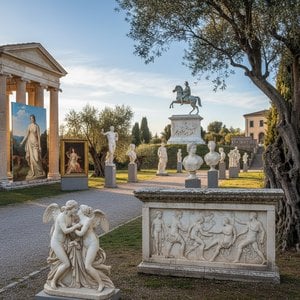
შਖილის დროშა lifting: ნეოკლასიციზმის 10 შედევრი ხელოვნებაში და ინტერიერში
აღმოფრთოვანდით ნეოკლასიციზმის შედევრებით! 10 გამორჩეული ტილო, რომლებიც განსაზღვრავს ამ დიდებულ ხელოვნებას. დავიდი, ანგელუ და სხვა მოწინავე მხატვრების ისტორიები. იხილეთ კლასიკური ხელოვნება ArtsDot-ზე – თქვენი საუკეთესო არტ დეკორის წყარო! აღმოაჩინეთ ყველა შედევრი ArtsDot.com-ზე.

Anne-Louis Girodet: Bridging Neoclassicism & Romanticism with Emotional Truth
Explore the captivating world of Anne-Louis Girodet, a pivotal figure bridging Neoclassicism & Romanticism. Discover his masterpieces and unique artistic vision with ArtsDot.
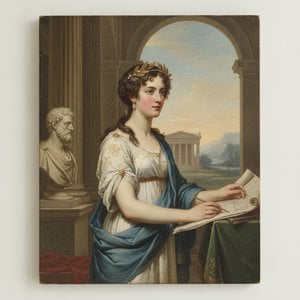
The Revival of Antiquity: Exploring Ideals of Beauty & Power in Neoclassical Portraiture
Explore the captivating world of Neoclassical portraiture! Discover the power & ideals behind masterpieces by David, Girodet & more. Expert analysis, custom reproductions & art appraisal at ArtsDot.

The Revival of Antiquity: Exploring Neoclassical Art's Ideals & Enduring Legacy
Explore the revival of classical ideals in Neoclassical art! Discover Jacques-Louis David & the movement's impact on painting, sculpture & architecture. Expert insights & high-quality reproductions at ArtsDot.


