


 ნახვა ინტერьерში
 გაგზავნა
 გაზიარება
 დეტალები
 გზამკვლევი

 ჩამოტვირთვა
 მსგავსები
 რენტგენოგრაფიული კვლევა
 სლაიდშოუ
 სტატისტიკა
Untitled (472)

 სრული ტექსტის ნახვა
გიკლე / ხელოვნების პრინტი
მუზეუმის დონის ჟიკლე ან ტილოზე ბეჭდვა სწრაფი წარმოებისა და დასრულების მოქნილი ვარიანტებით. ( შეიძინეთ ხელით შესრულებული ნახატი გადასვლა ციფრულ გამოსახულებაზე)




































აირჩიეთ ჩვენს მიერ წინასწარ განსაზღვრული ზომებიდან, რომლებიც ნაწარმოების ორიგინალურ პროპორციებს შეესაბამება.

თქვენ შეგიძლიათ მიუთითოთ საკუთარი ზომები კონკრეტული ჩარჩოსთვის ან სივრცისთვის მოსარგებლებლად. თუ თქვენ მიერ არჩეული ზომა არ შეესაბამება ორიგინალი გამოსახულების პროპორციებს, ჩვენ ან დავჭრით ნამუშევარს, ან გავაფართოვებთ გამოსახულებას სარკული ან ერთფეროვანი კიდეებით. წარმოების დაწყებამდე თქვენს დასამტკიცებლად გამოგეგზავნებათ ციფრული მაკეტი.
გთხოვთ, გაითვალისწინოთ, რომ ეკრანზე ნაჩვენები წინასწარი ნახვა არ ასახავს რეალურ ჭრას ან გაფართოებას. მხოლოდ მაკეტზე იქნება ზუსტად წარმოდგენილი საბოლოო კომპოზიცია.
მიუხედავად იმისა, რომ ინდივიდუალური ზომები ხელმისაწვდომია, ორიგინალური პროპორციების შესანარჩუნებლად გირჩევთ, აირჩიოთ ზომა წინასწარ განსაზღვრული სიისგან.
მიწოდება მთელ მსოფლიოში () 2 კვირაში, სტანდარტული 4/5 კვირის ნაცვლად. (26 სექტემბერი)

უფასო ექსპრეს მიწოდება მთელ მსოფლიოში

მაღალი ხარისხის ტილო

ტრანსპორტირების სრული დაზღვევა

საბაჟო გადასახადების დაბრუნების გარანტია

ფერების სრული შესაბამისობის გარანტია

დაბრუნების 100-დღიანი პერიოდი (მხოლოდ წარმოების დეფექტის შემთხვევაში)

100% თანხის სრული დაბრუნების გარანტია

ფასდაკლება დიდი რაოდენობით შეკვეთისას
 მინის ჩარჩოს არჩევანი ხელმისაწვდომია მხოლოდ 110 სმ-მდე ზომისთვის

Untitled (472)
გიკლე / ხელოვნების პრინტი
რეპროდუქციის ზომა
-


ჯამური ღირებულება
$ 62
A Glimpse into a Romantic Desert Landscape
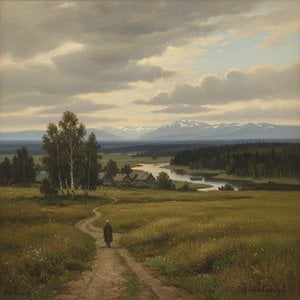
This captivating artwork, currently known as "Untitled (472)," offers a rare glimpse into a side of Ivan Aivazovsky’s artistry often overshadowed by his celebrated seascapes. While renowned for depicting the drama and power of the ocean, this piece showcases Aivazovsky's versatility and skill in portraying terrestrial landscapes with equal sensitivity and mastery. The scene unfolds within a vast desert setting, populated by figures on horseback and camels – evoking themes of travel, exploration, and perhaps even pilgrimage. The presence of a solitary tree provides a focal point, offering respite from the harsh environment and symbolizing hope or sanctuary amidst the arid expanse. The composition is thoughtfully arranged; individuals are scattered throughout the scene, some standing, others resting, creating a sense of quiet activity within the expansive landscape.Style & Technique: Romanticism's Embrace
Aivazovsky firmly belonged to the Romanticism movement, and this painting exemplifies its key characteristics. The style emphasizes emotion, imagination, and individualism over strict adherence to classical forms. Notice how Aivazovsky uses light and shadow to create a sense of atmosphere and depth. The soft, diffused lighting suggests a hazy afternoon sun, contributing to the overall feeling of tranquility. His brushwork is fluid and expressive, capturing the textures of sand, fabric, and animal fur with remarkable detail. While seemingly simple in subject matter, the painting’s power lies in its ability to evoke a profound sense of place and mood through subtle gradations of color and light – hallmarks of Aivazovsky's technique.Historical Context & Artistic Significance
Painted during an unknown period within Aivazovsky’s prolific career (1817-1900), "Untitled (472)" provides valuable insight into the artist's broader artistic interests beyond his maritime subjects. Aivazovsky frequently traveled throughout Europe and Russia, absorbing diverse cultural influences. While Crimea was his home base, he experienced various landscapes which likely informed this desert scene. The Romantic era itself was a period of significant social and political change, marked by a fascination with the exotic and a yearning for escape from industrialization. Aivazovsky’s work reflects these sentiments, offering viewers a momentary retreat into a world of natural beauty and quiet contemplation.Emotional Impact & Symbolism
Beyond its aesthetic appeal, "Untitled (472)" resonates with a profound emotional depth. The painting evokes feelings of solitude, peace, and resilience in the face of adversity. The desert landscape itself can be interpreted as a symbol of life's challenges, while the figures represent humanity’s enduring spirit. The tree, standing tall against the backdrop of sand dunes, serves as a powerful emblem of hope and perseverance. The overall atmosphere is one of quiet dignity and understated beauty – inviting viewers to reflect on their own journeys and find solace in the vastness of nature.- Subject: Desert landscape with figures, horses, and camels.
- Style: Romanticism
- Technique: Oil on canvas, characterized by fluid brushwork and atmospheric perspective.
- Symbolism: Desert representing challenges; tree symbolizing hope; figures embodying human resilience.
მსგავსი ნამუშევრები


მხატვრის ბიოგრაფია
Ivan Konstantinovich Aivazovsky (Hovhannes Aivazian): Embodies the Romantic Soul of the Sea
Ivan Konstantinovich Aivazovsky, born Hovhannes Aivazian in 1817, wasn’t merely a painter; he was inextricably bound to the Black Sea—a vast expanse that pulsed with untamed energy and whispered tales of ancient myths. His life unfolded against this backdrop, shaping his artistic vision and propelling him to unparalleled success as one of Russia's foremost marine artists. Born in Feodosia, Crimea – a city steeped in maritime history – Aivazovsky’s connection to the sea began early, nurtured by his upbringing amidst the bustling port environment and fostered by the mentorship of architect Jacob Koch who recognized his prodigious talent. This formative influence would prove crucial in shaping his distinctive style—a style characterized by dramatic compositions and masterful manipulation of color that continues to captivate audiences today.Early Years and Artistic Training
From a young age, Aivazovsky’s artistic inclinations were evident, attracting the attention of Jacob Koch who recognized his innate aptitude for art. Recognizing this potential, Koch encouraged him to pursue formal training at Saint Petersburg’s Imperial Academy of Arts—a decision that would prove pivotal in honing his skills and grounding him in the traditions of Western European painting. Despite the rigorous academic environment, Aivazovsky transcended mere imitation; he absorbed influences from Turner and Friedrich, artists who championed the Romantic movement's preoccupation with sublime landscapes and emotive expression. This exposure to groundbreaking artistic ideas fueled his own creative exploration and solidified his commitment to capturing the grandeur and terror of nature—a pursuit that would define his entire career.The Rise of a Naval Painter: Influence and Patronage
A turning point arrived when Aivazovsky was appointed official painter of the Russian Navy – an honor that granted him access to ships, sailors, naval battles, and firsthand observation of maritime life. This patronage profoundly impacted his artistic output, imbuing his paintings with authenticity and immediacy. He became intimately acquainted with the realities of seafaring—the hardships endured by sailors, the exhilaration of victory, and the devastating consequences of defeat—translating these experiences into canvases that resonated deeply with both military officials and the broader public. The support of Czar Nicholas I ensured a steady stream of commissions and allowed him to dedicate himself entirely to his craft, cementing his reputation as Russia’s premier marine artist.A Master's Technique: Capturing Atmospheric Drama
Aivazovsky’s artistic technique was revolutionary for its time—a departure from academic conventions that prioritized meticulous detail and idealized beauty. Instead, he embraced a looser brushstroke style, prioritizing expressive color and capturing the fleeting effects of light and weather. He frequently worked *en plein air*, directly from nature, meticulously studying the nuances of atmospheric conditions to convey their impact on the sea’s surface—a practice that yielded breathtaking results. His masterful use of color – particularly blues and greens – created luminous textures and evoked powerful emotions, transporting viewers into the heart of a storm or onto the deck of a ship battling turbulent waves. Like Turner before him, Aivazovsky sought to capture not just what was visible but also what was felt—a profound connection with the sublime power of nature that distinguishes his work from its contemporaries.Legacy and Enduring Recognition
Ivan Konstantinovich Aivazovsky’s legacy extends far beyond his artistic achievements; he remains a symbol of Russian Romanticism and a testament to the enduring allure of maritime art. His paintings—characterized by dramatic compositions, masterful color palettes, and an unwavering commitment to capturing atmospheric drama—continue to inspire artists and captivate audiences worldwide. The saying “worthy of Aivazovsky’s brush,” popularized by Anton Chekhov, encapsulates the essence of his artistic vision—a celebration of beauty born from confrontation with nature's formidable forces. His prolific output – approximately 6,000 paintings – solidified his place as one of Russia’s most celebrated artists and ensured that his masterpieces would endure for generations to come. Aivazovsky’s influence can be seen in the works of subsequent Russian painters who embraced a similar expressive style and sought to convey the grandeur and terror of the sea—a testament to his enduring impact on the artistic landscape of Russia and beyond.
ივან კონსტანტინოვიჩ აივაზოვისკი
1817 - 1900 , რუსეთი
მოკლე ფაქტები
- Artistic Movement Or Style: რომანტიკა და ზღვაური მხატვრობა
- Artists Who Influenced This Artist:
- ჯეიმ્સ მორისი
- ტურნერი ჯემส์ მორის
- Date Of Birth: 1817 წლის ივლისი 29
- Date Of Death: 1900 წლის აპრილი 2
- Full Name: Ivan Konstantinovich Aivazovsky
- Nationality: რუსი და არმენელი
- Notable Artworks:
- მხედართ სუველი
- მზის ჩასვლა ზღვაზე
- მთაში ზღვა
- Place Of Birth: ფეოდაσία, რუსეთი
მსგავსი სტატიები

Alexei Bogolyubov: Bridging Realism & Romanticism in the Russian Landscape Tradition
Explore the captivating world of Alexei Bogolyubov, a master of Russian Realism & Romanticism. Discover his stunning landscapes, maritime scenes, and lasting influence on 19th-century art. Learn more at ArtsDot.

როμανტიზმის ეპოქის ტენდერება: საუკეთესო 10 შედევრი, რომელმაც განსაზღვრა ლანშაფტური მხატვრობა
აღმოფრთოვანდით რომანტიზმის ეპოქის 10 საუკეთესო ლანშაფტური შედევრით! ტერნერი, კორტო და სხვა მხატვრების ნაწარმოებები. იხილეთ მათი ისტორია და აღმოგეყვინებათ ხელოვნების márgali. შეიძინეთ მაღალი ხარისბის რესტავრაციული ასლები ArtsDot.com-ზე!

ჯონ კონსტებლის 25 საუკეთესო შედევრი | ხელოვნების რეკრეაციები ArtsDot-ზე
გაიცანით ჯონ კონსტებლის 25 საუკეთესო შედევრი! ინგლისური პეიზაჟების ისტორია, XIX საუკუნის ხელოვნება და ArtsDot-ზე ხელოვნების უნიკალური კოლექცია. შეიძინეთ ხარისხიანი რეკრეაციები სახლის დეკორაციისთვის. აღმოაჩინეთ სრულყოფილი შეფერილი ტილოები ArtsDot.com-ზე!

Evocations of Place: A Historical Journey Through Landscape Art
Explore the rich history of landscape art with ArtsDot. Discover renowned artists, movements like Impressionism & Romanticism, and expert guidance for collecting timeless pieces. Find your perfect serene escape today!
Fyodor Vasilyev: A Poetic Vision of Russian Landscape – Life, Legacy, and the Transience of Nature
Explore the captivating world of Fyodor Vasilyev, a pioneering Russian landscape painter. Discover his lyrical style, influential works like 'Clouds' & lasting legacy. Learn about his life, artistic journey & impact on Russian art history.


