


 ნახვა ინტერьерში
 გაგზავნა
 გაზიარება
 დეტალები
 გზამკვლევი

 ჩამოტვირთვა
 მსგავსები
 რენტგენოგრაფიული კვლევა
 სლაიდშოუ
 სტატისტიკა
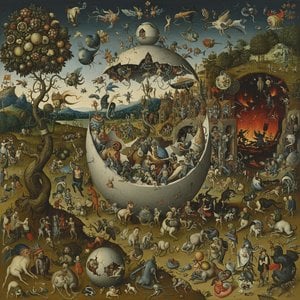
Scenes in Hell
 Acrylic On Canvas
- WallArt
- Mannerism
 163.0 x 176.0 cm
 Staatliche Museen
 სრული ტექსტის ნახვა
გიკლე / ხელოვნების პრინტი
მუზეუმის დონის ჟიკლე ან ტილოზე ბეჭდვა სწრაფი წარმოებისა და დასრულების მოქნილი ვარიანტებით. ( შეიძინეთ ხელით შესრულებული ნახატი გადასვლა ციფრულ გამოსახულებაზე)




P118B ₾10

P118H ₾10

P118W ₾10

P438Z ₾10

P508JH ₾12

P508YH ₾12

P805H ₾10

P805Z ₾10

P919BZ ₾10

P919G ₾10

P919XJ ₾10

P959ZH ₾10

P968JZ ₾12

W106C ₾8

W218G ₾10

W218JH ₾8

W218Y ₾10

W307PJ ₾10

W316G ₾10

W316PJ ₾8

W316Y ₾10

W398PJ ₾8

W4111J ₾10

W500HY ₾15

W500JH ₾15

W692G ₾12

W849H ₾8

W940BG ₾15

W953PJ ₾8




აირჩიეთ ჩვენს მიერ წინასწარ განსაზღვრული ზომებიდან, რომლებიც ნაწარმოების ორიგინალურ პროპორციებს შეესაბამება.

შეიყვანეთ თქვენთვის საჭირო სიგანე და სიმაღლე, რათა იგი მოერგოს თქვენს ჩარჩოს ან კედელს. ბეჭდვისას შესაძლებელია მხოლოდ მისი შემცირება და არა გაზრდა, ამიტომ სხვა ფორმის ზომის შემთხვევაში გამოსახულება ნაწილობრივ იკარგება. სანამ რაიმეს დაბეჭდავთ, ჩვენ გამოგიგზავნით ციფრულ მაკეტს დასდასტურებლად. ამ გვერდზე ნაჩვენები სურათი არ ასახავს რეალურ ჭრას — ამას მხოლოდ მაკეტი გვიჩვენებს.
მიწოდება მთელ მსოფლიოში () 2 კვირაში, სტანდარტული 4/5 კვირის ნაცვლად. (21 ოქტომბერი)

უფასო ექსპრეს მიწოდება მთელ მსოფლიოში

მაღალი ხარისხის ტილო

ტრანსპორტირების სრული დაზღვევა

საბაჟო გადასახადების დაბრუნების გარანტია

ფერების სრული შესაბამისობის გარანტია

დაბრუნების 100-დღიანი პერიოდი (მხოლოდ წარმოების დეფექტის შემთხვევაში)

100% თანხის სრული დაბრუნების გარანტია

ფასდაკლება დიდი რაოდენობით შეკვეთისას
 მინის ჩარჩოს არჩევანი ხელმისაწვდომია მხოლოდ 110 სმ-მდე ზომისთვის

Scenes in Hell
გიკლე / ხელოვნების პრინტი
რეპროდუქციის ზომა
-


ჯამური ღირებულება
₾ 162
Scenes in Hell - A Descent Into Surreal Darkness
Hieronymus Bosch’s *Scenes in Hell* isn't merely a depiction of torment; it’s an unsettling plunge into the subconscious, a visual manifesto of anxieties simmering beneath the surface of fifteenth-century Europe. Created sometime around 1480-1516, this monochrome sketch—likely executed on wood panel—captures Bosch’s signature Mannerist style with breathtaking precision and disturbing grandeur. It's a piece that continues to fascinate scholars and artists alike, prompting ongoing debate about its meaning and artistic innovation.- Composition & Dynamism: The image explodes with chaotic energy. Bosch abandons traditional perspective, flattening the space into a fractured grid punctuated by swirling lines and sharp angles—a deliberate rejection of Renaissance ideals favoring instead an immediacy that reflects the turbulent times. Figures overlap relentlessly, creating a dizzying dance of movement and conveying a palpable sense of urgency.
- Animal Combat & Symbolism: At its core lies a brutal confrontation between horses and bulls engaged in violent combat. These animals aren’t simply battling for dominance; they represent primal instincts—fear, aggression, desire—themes prevalent throughout Bosch's oeuvre. The grotesque imagery serves as a powerful allegory for the struggle between good and evil, mirroring anxieties about moral decay and divine judgment.
- Technique: Bosch’s mastery of hatching and crosshatching is extraordinary. Using graphite or charcoal with meticulous care, he builds up tonal values to create textures that mimic fur, muscle, and bone—a technique that lends an unsettling realism to the fantastical scene. The artist's attention to detail elevates the sketch beyond mere illustration; it becomes a testament to his artistic skill and psychological insight.
- Historical Context: Bosch’s work emerged during a period of profound religious upheaval. The burgeoning humanist movement challenged established dogma, while anxieties about heresy fueled persecutions across Europe. *Scenes in Hell* reflects this intellectual climate, embodying the pervasive fear of damnation and the preoccupation with mortality that characterized the era.
- Emotional Impact: Viewing *Scenes in Hell* is an emotionally challenging experience. Bosch’s unsettling vision confronts viewers with uncomfortable truths about human nature—our capacity for cruelty, our susceptibility to temptation, and ultimately, our inescapable fate. It's a painting designed not merely to depict horror but to provoke contemplation on the darker aspects of existence.
The Mannerist Style: Distortion & Dramatic Expression
Bosch’s stylistic choices firmly situate *Scenes in Hell* within the Mannerist movement—a reaction against the idealized beauty and harmonious balance championed by Raphael and Michelangelo. Mannerists deliberately distorted proportions, exaggerated poses, and employed unsettling juxtapositions to create a sense of unease and disorientation. This aesthetic was driven by a desire to unsettle viewers psychologically, prompting them to confront uncomfortable realities about human experience. Bosch’s rejection of classical conventions—particularly perspective—was revolutionary for its time, signaling a shift toward subjective vision and emotional intensity.Decoding the Surreal Landscape
The desolate landscape depicted in *Scenes in Hell* is equally significant. Bosch abandons naturalistic representation favoring instead a dreamlike realm populated by bizarre flora and fauna—a deliberate departure from Renaissance landscapes that celebrated beauty and order. The burning city at the right symbolizes corruption and decay, while the bone-littered plain represents death and oblivion. These elements underscore Bosch’s preoccupation with mortality and his belief in an afterlife of torment—themes central to Christian theology during the period.A Legacy Enduring Through Reproduction
Today, *Scenes in Hell* continues to inspire artists and captivate audiences worldwide. High-quality reproductions offer a remarkable opportunity to experience Bosch's unsettling vision firsthand, bringing his masterful technique and profound symbolism into homes and galleries. ArtsDot’s meticulous hand-painted reproductions ensure that this iconic masterpiece retains its original impact—a chilling reminder of the anxieties and artistic innovations that defined the Renaissance.კითხვები და პასუხები
რა ზომაშია რეკომენდებული "Scenes in Hell"-ის ბეჭდვა?
იერონიმ ბოსხ-ის „Scenes in Hell“-ის ბეჭდვის რეკომენდებული ზომა არის Large.
რა განწყობას შემოიტანს "Scenes in Hell" სივრცეში?
იერონიმ ბოსხ-ის „Scenes in Hell“-ს აქვს Dramatic ატმოსფერო და რეკომენდებულია Living Room-ისთვის. განწყობა არის ის, რასაც ნამუშევარი მის გარშემო არსებულ სივრცეს მატებს.
არის იერონიმ ბოსხ-ის „Scenes in Hell“ პორტრეტული, პეიზაჟური თუ კვადრატული კომპოზიცია?
იერონიმ ბოსხ-ის „Scenes in Hell“ არის Landscape კომპოზიცია.បრিনტის ზომის შერჩევამდე ღირს პროპორციების გადამოწმება.
მსგავსი ნამუშევრები


მხატვრის ბიოგრაფია
Hieronymus Bosch – The Visionary Painter of Hell
Hieronymus Bosch remains one of art history’s most perplexing figures, a painter whose unsettling visions and profound moral allegories continue to captivate audiences centuries after his death in 1516. Born around 1450 in ’s-Hertogenbosch, Netherlands—then part of Brabant—Bosch emerged from a family steeped in artistic tradition, inheriting the skills and techniques of generations past. Yet, he swiftly distinguished himself from his predecessors, forging an utterly original style that would forever alter the landscape of Netherlandish painting. Biographical details are frustratingly sparse; records offer tantalizing glimpses but leave much to speculation, contributing to the artist’s enduring aura of mystery.- Early Life and Training: Little is known about Bosch's formative years beyond his birthplace and familial connections. He married Aleyt Goyaerts van den Meerveen sometime before 1481, securing a degree of financial stability through her family’s holdings. However, scholarly research has yielded scant information regarding his personal life or formative influences.
- The Style of Bosch: Bosch's artistic style is instantly recognizable—a masterful blend of meticulous detail and hallucinatory imagery. He primarily employed oil on oak panels, achieving luminous colors and intricate textures with remarkable precision. Unlike many of his contemporaries who adhered to established conventions, Bosch deliberately pushed boundaries, experimenting with innovative techniques and challenging conventional aesthetic standards.
- Notable Works: Bosch’s oeuvre comprises approximately 25 paintings—a remarkably small number considering the artist's impact on subsequent generations of painters. Among his most celebrated masterpieces are *The Garden of Earthly Delights*, a monumental triptych depicting paradise, earthly desire, and hell; *The Last Judgement*, a dramatic portrayal of divine judgment; *Epiphany*, showcasing Bosch’s masterful use of oil paint and complex symbolism; and *The Ascension of the Blessed*, an ethereal depiction of heavenly ascension.
Symbolism and Moral Allegory: Decoding Bosch's Vision
Bosch’s paintings are not merely representations of visual reality; they are elaborate allegorical narratives designed to convey profound moral and theological messages. He employed a rich tapestry of symbols—grotesque creatures, fantastical animals, hybrid beings—to explore themes of sin, redemption, and the human condition. These images were deliberately unsettling, confronting viewers with disturbing depictions of earthly corruption and highlighting the inescapable consequences of immoral behavior. Bosch’s genius lay in his ability to transform familiar religious concepts into startling visual metaphors, prompting contemplation and challenging accepted dogma.- The Influence of Medieval Folklore: Scholars suggest that Bosch drew inspiration from medieval folklore—particularly tales of demons and saints—incorporating these narratives into his artistic vision. These stories served as a springboard for exploring anxieties about heresy and social upheaval, reflecting the turbulent intellectual climate of his time.
- Psychological Depth: Some historians contend that Bosch possessed remarkable insight into human psychology, anticipating concepts explored by Carl Jung—namely, the exploration of the unconscious mind. His paintings delve into realms beyond rational thought, confronting viewers with disturbing visions and prompting introspection about morality and spirituality.
Legacy and Influence on Subsequent Artists
Bosch’s impact on subsequent artists is undeniable. Pieter Bruegel the Elder directly adopted Bosch's stylistic conventions—particularly his penchant for depicting grotesque figures and moral allegories—establishing himself as a prominent heir to Bosch’s artistic legacy. Surrealist painters like Salvador Dalí and Max Ernst openly acknowledged their debt to Bosch’s dreamlike imagery and exploration of the subconscious, recognizing him as the progenitor of modern art.Conclusion: An Artist Ahead of His Time
Hieronymus Bosch remains an artist whose singular vision continues to inspire awe and provoke debate. He stands apart from his contemporaries—particularly Jan van Eyck—whose technique prioritized meticulous realism, favoring instead a style characterized by energetic brushwork and imaginative embellishment. Bosch’s enduring fascination stems from his ability to capture the anxieties of his era—fear of heresy, social unrest—while simultaneously elevating artistic expression beyond mere imitation. He died in 1516, leaving behind a body of work that transcends time, securing his place as one of art history's most unforgettable voices and cementing his status as the “first Surrealist.”
იერონიმ ბოსხ
1450 - 1516 , ნიდერლანდები
მოკლე ფაქტები
- Artistic Movement Or Style: Сюрреализм и Символизм
- Artists Who Influenced This Artist: ['Питер Брюгель Старший']
- Date Of Birth: c. 1450
- Date Of Death: 1516
- Full Name: Hieronymus Bosch
- Nationality: Нидерландцы
- Notable Artworks:
- Сад земных наслаждений
- Троица Последнего Суда
- Place Of Birth: Den Bosch, Нидерланды
მსგავსი სტატიები

The Nuances of Graphite: Exploring Emotional Depth & Technical Mastery in Pencil Drawing
Explore the captivating world of graphite drawing! Discover its rich history, master essential techniques like chiaroscuro, and learn how artists evoke emotion through this timeless medium. Expert insights for art enthusiasts.
ჰიერონიმუს ბოში: 25 შედევრი, რომელიც შეცვლის თქვენს წარმოდგენას ხელოვნებაზე | ArtsDot.com
გამოიკვლიეთ ჰიერონიმუს ბოში 25 უნიკალური შედევრით! გაიცანით მისი ფანტასტიკური სამყარო, სიმბოლიზმი და რენესანსული ხელოვნების სიღრმე. შეიძინეთ ხარისხიანი რეპროდუქციები ArtsDot.com-ზე და შექმნით თქვენი სახლისთვის განსაკუთრებული ინტერიერი. აღმოაჩინეთ მთელი კოლექცია ონლაინ!

ბერლინის სახელმწიფო მუზეუმების 25 შედევრი: ხელოვნების ისტორია თქვენს სახლში | ArtsDot
აღმოაჩინეთ ბერლინის სახელმწიფო მუზეუმების 25 უნიკალური შედევრი! ნეფერტიტის бюსტი, პერგამონის რელიეფები და სხვა ცნობილი ნახატები. ხელოვნების ისტორია, მხატვრები და ინტერიერის დიზაინის იდეები ArtsDot-ზე. Explore the full collection online!

Hieronymus Bosch: Decoding the Visions of a Netherlandish Master
Explore the captivating world of Hieronymus Bosch! Delve into the symbolism, religious context, and artistic innovation of this Netherlandish master with ArtsDot's expert analysis. Discover his iconic paintings & lasting influence.

პრადოს საუკეთესო 25 შედევრი: ხელოვნების ისტორია თქვენს სახლში | ArtsDot
აღმოაჩინეთ პრადოს მუზეუმის 25 საუკეთესო შედევრი – ველასკესი, გოია, ელ გრეკო და სხვა. ისტორიული ნახატები, ბაროკო სტილი, ფერადი რეპროდუქციები თქვენი სახლისთვის. ArtsDot.com - ხელოვნების კოლექცია ონლაინ.


