


 გაგზავნა
 გაზიარება
 დეტალები
 გზამკვლევი

 ჩამოტვირთვა
 მსგავსები
 სლაიდშოუ
 სტატისტიკა
A Miner at Work
 Sculpture
- Sculpture
- Contemporary Realism
 1942
1942- Modern
 49.0 x 49.0 cm
 Imperial War Museums
 სრული ტექსტის ნახვა
ამ გვერდზე წარმოდგენილი ნამუშევარი დაცულია საავტორო უფლების შესახებ კანონმდებლობით, რაც იმას ნიშნავს, რომ ჩვენ არ გვაქვს მისი იდენტური რეპროდუქციის შექმნის ან გაყიდვის სამართლებრივი უფლება. აღნიშნული დაცვა უზრუნველყოფილია ისეთი საერთაშორისო შეთანხმებებით, როგორიცაა ბერნის კონვენცია და ეროვნული კანონმდებლობით, მათ შორის იმ კანონებით, რომლებიც დეტალურად არის გაწერილი აშშ-ის საავტორო უფლების შესახებ კანონი - თავი 17.
როგორც პატივისცემით სავსე და კანონიერი ალტერნატივა, ჩვენ გთავაზობთ ორიგინალით შთაგონებულ, ინდივიდუალურ, ხელით შესრულებულ ნამუშევრებს. ჩვენი ოსტატ და პროფესიონალი ხელოვანები საგულდაგულოდ სწავლობენ ორიგინალის სტილს, განწყობასა და მხატვრულ არსს, რათა შექმნან ახალი, უნიკალური ნამუშევარი, რომელიც იგივე ემოციას აღძრავს და, ამავდროულად, თავად წარმოადგენს დამოუკიდებელ, ორიგინალურ შემოქმედებას.
ეს მეთოდი სრულად შეესაბამება საავტორო უფლებების რეგულაციებს, რადგან ის არ გულისხმობს დაცული ნამუშევრის კოპირებას ან დუბლირებას. ამგვარად, ეს წარმოადგენს შემოქმედებით რეინტერპრეტაციას — ახალ ნახატს, რომელიც შთაგონებითაა განპირობებული ორიგინალით, თუმცა არ არის მის იდენტურ ასლს.
ხელით შესრულებული ზეთის საღებავით რეპროდუქცია
ტილოზე შესრულებული ფერწერიანი ზეთប្រდათი, თქვენთვის სასურველი ზომისა და ჩარჩოსთვის, ჩვენი ხელოვანების მიერ შეკვეთის საფუძველზე დამზადებული. ( გადართვა ბეჭდვის რეჟიმზე გადასვლა ციფრულ გამოსახულებაზე)




































აირჩიეთ ჩვენს მიერ წინასწარ განსაზღვრული ზომებიდან, რომლებიც ნაწარმოების ორიგინალურ პროპორციებს შეესაბამება.

შეიყვანეთ თქვენთვის საჭირო სიგანე და სიმაღლე, რათა ნახატი მოერგოს თქვენს ჩარჩოს ან კედელს. ვინაიდან ეს ნამუშევარი ხელით არის შესრულებული, სხვა ფორმის ზომის შემთხვევაში, მხატვარმა შესაძლოა სურათის გარშემო ოდნავ მეტი დატოვოს ან შეამციროს — არჩევანი თქვენზეა. დაწყებამდე, დასამტკიცებლად, ჩვენ გამოგიგზავნით ციფრულ მაკეტს. ამ გვერდზე ნაჩვენები სურათი არ ასახავს რეალურ შედეგს — რეალური სახე მხოლოდ მაკეტზე ჩანს.
შეკვეთის შემდეგ, ArtsDot.com გუნდი დაგიკავშირდებათ ელექტრონული ფოსტით ინსტრუქციებისთვის და გამოგიგზავნით წინასწარ ნახაზს (mockup).
მიწოდება მსოფლიო მასშტაბით -ში 3/4 კვირაში, სტანდარტული 5 კვირის ნაცვლად. (15 ოქტომბერი). ხარისხზე კომპრომისის გაკეთება არ მოხდება.

უფასო ექსპრეს მიწოდება მთელ მსოფლიოში

მაღალი ხარისხის ტილო

ტრანსპორტირების სრული დაზღვევა

საბაჟო გადასახადების დაბრუნების გარანტია

ფერების სრული შესაბამისობის გარანტია

დაბრუნების 100-დღიანი პერიოდი (მხოლოდ წარმოების დეფექტის შემთხვევაში)

100% თანხის სრული დაბრუნების გარანტია

ფასდაკლება დიდი რაოდენობით შეკვეთისას
 მინის ჩარჩოს არჩევანი ხელმისაწვდომია მხოლოდ 110 სმ-მდე ზომისთვის

A Miner at Work
რეპროდუქციის ტექნიკა
რეპროდუქციის ზომა
-


ჯამური ღირებულება
₾ 685
A Poignant Encounter with Resilience
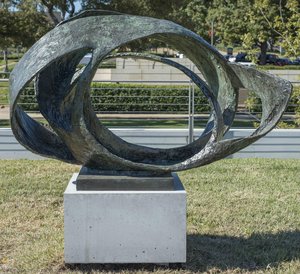
In the heavy, shadowed atmosphere of 1942, amidst the profound uncertainties of the Second World War, Henry Moore captured a moment of quiet, monumental strength in "A Miner at Work." This piece serves as much more than a mere depiction of industrial labor; it is a profound meditation on the human spirit under pressure. The artwork presents a solitary figure, a miner seated at the coal face, rendered through Moore’s signature lens of abstraction and simplified form. There is an immediate, visceral connection to the earth and the toil required to sustain a nation under siege, making the piece an evocative choice for those who appreciate art that speaks to the enduring power of perseverance.
The subject matter transcends simple portraiture, as Moore moves away from traditional realism to explore the very essence of the miner's existence. By utilizing geometric shapes and the strategic use of negative space, the artist invites the viewer to look through the form rather than just at it. The figure is hunched, absorbed in his task, a posture that simultaneously suggests the physical weight of the subterranean world and a psychological state of deep focus and quiet dignity. For collectors and designers, this work offers a sophisticated balance of heavy, grounded presence and an airy, intellectual lightness.
Mastery of Form and Texture
Technically, "A Miner at Work" is a masterclass in the Romanesco method, a process where the sculptor creates a hollow form and then meticulously removes material from the interior to reveal the underlying structure. This technique imbues the work with a remarkable tactile quality, creating a surface that feels organic and alive. The use of smooth, polished limestone allows for a precise geometric precision that contrasts beautifully with the rugged, natural themes of the piece. Every curve and hollow is intentional, designed to capture the essence of both the miner’s anatomy and the surrounding environment.
The historical context of the work adds a layer of profound emotional depth. Created during a time when coal mining was the lifeblood of the British economy, the sculpture resonates with the social fabric of communities like Wheldale Colliery. It captures the anxieties and the aspirations of an era defined by adversity. To possess a reproduction of this work is to hold a piece of history that symbolizes vulnerability transformed into strength. The interplay of light and shadow within its forms makes it a captivating centerpiece for any curated space, offering a sense of stability, reflection, and timelessness.
კითხვები და პასუხები
რამდენად მკვეთრი კონტრასტი აქვს ჰენრი ლამბი-ის „A Miner at Work“-ს?
ჰენრი ლამბი-ის „A Miner at Work“-ში დანახულია Serene კონტრასტი ღია და მუქ ფერებს შორის.
რას განმარტავს ჰენრი ლამბი-ის „A Miner at Work“-ის საავტორო უფლებებთან დაკავშირებული მდგომარეობა?
ჰენრი ლამბი-ის „A Miner at Work“ არის კვლავ დაცულია საავტორო უფლებით. საავტორო უფლებების ვადა ითვლება ხელოვანის გარდაცვალებიდან, რომელიც მოხდა 1986 წელს.
რამდენად ჰარმონიულია ჰენრი ლამბი-ის „A Miner at Work“-ის ფერები?
„A Miner at Work“-ის ფერების ჰარმონია აღწერილია როგორც Strong Color Unity.
მსგავსი ნამუშევრები




მხატვრის ბიოგრაფია
A Life Sculpted in Form: The World of Henry Moore
Henry Spencer Moore, OM CH FBA (30 July 1898 – 31 August 1986) was an English visual artist. He is best known for his semi-abstract monumental bronze sculptures—particularly the reclining figures—which revolutionized modern British sculpture and established him as one of the most influential artists of the twentieth century. Born in Castleford, Yorkshire, Moore’s early life was marked by a profound connection to the landscape and a nascent talent for sculpting that would define his artistic trajectory. His father, Raymond Spencer Moore, instilled in him a love for learning and encouraged him to pursue intellectual pursuits rather than follow the traditional path of a miner—a decision that proved pivotal in shaping Moore’s worldview.Early Influences and Artistic Education
Moore's formal artistic education began at Castleford Secondary School where his teacher recognized his exceptional aptitude for modeling clay and carving wood. Recognizing this talent, he subsequently enrolled at Leeds School of Art and later excelled at the Royal College of Art in London, immersing himself in the study of classical sculpture alongside pioneering movements like Cubism. However, Moore’s artistic vision transcended mere stylistic imitation; he synthesized these influences into a uniquely personal aesthetic—characterized by an unwavering focus on exploring form, volume, and space through abstraction. This formative period witnessed his encounter with pre-Columbian sculptures in Mexico during 1925—a transformative experience that liberated him from representational constraints and ignited his fascination with simplified geometric forms.The Birth of the Reclining Figure
Moore’s breakthrough came with the creation of *Reclining Figure: 1951*, arguably his most iconic sculpture. Departing radically from traditional anatomical depictions, Moore sculpted a figure lying horizontally on its side—a gesture that simultaneously embodies stillness and dynamism. The undulating curves of the bronze surface evoke the contours of the Yorkshire hills—reflecting Moore’s deep appreciation for the natural world and informing his sculptural process. This monumental piece became synonymous with Moore's artistic style—demonstrating his mastery of form and space while capturing a profound sense of human vulnerability and resilience. He continued to refine this technique throughout his career, experimenting with voids and perforations that created mesmerizing patterns of light and shadow—further enhancing the sculpture’s expressive power.Wartime Reflections and Public Commissions
The Second World War profoundly impacted Moore's artistic output. Driven by a desire to document the experiences of Londoners sheltering from the Blitz, he embarked on a series of evocative drawings capturing the fear, determination, and communal spirit of the era. These *Shelter Drawings*, executed with meticulous detail—revealing an astonishing ability to translate sculptural principles into two-dimensional form—became invaluable historical records while simultaneously demonstrating Moore’s unwavering commitment to artistic innovation. Following the war, he received numerous prestigious commissions—allowing him to create monumental sculptures for public spaces across Britain and internationally—solidifying his reputation as a leading figure in modern sculpture and furthering his belief that art should serve as a catalyst for social engagement.Legacy and Enduring Influence
Henry Moore’s legacy extends far beyond the realm of sculpture itself. He fundamentally reshaped perceptions of form and space—challenging conventions and inspiring generations of artists to embrace abstraction as a means of conveying emotion and exploring philosophical concepts. His sculptures stand as enduring symbols of human creativity—testaments to his unwavering dedication to artistic exploration and his profound connection to both the natural world and the human condition. Moore’s influence can be seen in countless subsequent artworks—spanning diverse mediums and stylistic approaches—underscoring the transformative power of his vision and cementing his place among the most revered artists of the twentieth century.- Notable Sculptures: Reclining Figure, Family Group, Venus and Adonis
- Influences: Classical Sculpture, Cubism, Surrealism
- Awards & Recognition: OM CH FBA (Order of Merit Companion Honorary Fellow British Academy)

ჰენრი ლამბი
1898 - 1986 , ინგლისი
მოკლე ფაქტები
- Artistic Movement Or Style: მოდერნისტური სტილი და მორდაშა სტილი
- Artists Or Movements Influenced By This Artist: ['კლასიკური სკულპტურა']
- Artists Who Influenced This Artist:
- ჯონ ჰენრი ტვაქტმანი
- კუბიზმი
- Date Of Birth: 1898 წლის ივლისი 30
- Date Of Death: 1986 წლის აგვისტო 31
- Full Name: ჰენრი ლამბი კუმბის ბისსეტში უილიტშირში
- Nationality: ინგლისელი
- Notable Artworks:
- მწვანე ბაღი კუმბის ბისსეტში უილიტშირში
- გლოსტერის სახლები
- მწვანე ხიდი ზამთრიაში
- Place Of Birth: კასტლფərd სკოოლ ბისსეტში უილიტშირში
მსგავსი სტატიები

ფერნანდ λεჟეს 25 საუკეთესო შედევრი: ხელოვნების ისტორია თქვენს სახლში | ArtsDot
გაიცანით ფერნანდ λεჟეს 25 საუკეთესო შედევრი! კუბიზმის, ტუბიზმის და თანამედროვე ხელოვნების ისტორია. ნახატების რესპროდუქციები თქვენი სახლისთვის ArtsDot-ზე. აღმოაჩინეთ ლეგერის გამოსახულებები ონლაინ!

Kandinsky's Masterpieces: 25 Paintings That Define Abstract Art | ArtsDot
Journey through Wassily Kandinsky's 25 most iconic abstract paintings. Explore his revolutionary use of color, form & spiritual expressionism. Find museum-quality Kandinsky reproductions and elevate your home decor with ArtsDot.com. Discover all masterpieces on ArtsDot.com!

Beyond Form & Color: Geometric Abstraction's Evolution in 20th/21st Century Art
Explore the evolution of geometric abstraction from Cubism to contemporary art. Discover key artists like Malevich & Mondrian, investment insights, and expert collecting advice at ArtsDot.

გეომეტრიული აბსტრაქცია: 10 შედევრი, რომელმაც ხელოვნება განსაზღვრა | ArtsDot.com
გეომეტრიული აბსტრაქციის 10 შედევრი მონდრიანის, მალევიჩისა და კანდინსკის ჩართულობით. გაიგეთ მათი ისტორია, ტექნიკა და გავლენა ხელოვნებაზე. შეიძინეთ უმაღლესი ხარისხის რეკონსტრუქციები ArtsDot.com-ზე!

Bronze Sculptures That Defined Art History | ArtsDot
Journey through art history with our Top 10 bronze sculptures! Explore masterpieces by Rodin, Michelangelo & more. Discover stories behind iconic statues and find museum-quality reproductions for your home decor at ArtsDot.com.


