


The picture follows your choices: , .
კოლექციონირებადი ნივთის აღწერა
Gustave Moreau’s ‘untitled (3260)’ presents a captivating Symbolist scene of a woman lost in thought, surrounded by enigmatic figures and birds beneath a radiant sun – a timeless masterpiece to adorn your space.
 სრული ტექსტის ნახვა
მხატვრის ბიოგრაფია
გუსტავ მორეუ არის ფრანგი მხატვარი და მნიშვნელოვანი ფიგურა სიმ볼ისტულ მცენებაობაში. მისი ნაწილი მღვადამშვიდ პერიოდში იყო და არ შეეძლო სხედამშვიდ მცენებაობაში მიღება და არ შეეძლო სხედამშვიდ მცენებაობაში მიღება და არ შეეძლო სხედამშვიდ მცენებაობაში მიღება და არ შეეძლო სხედამშვიდ მცენებაობაში მიღება და არ შეეძლო სხედამშვიდ მცენებაობაში მიღება და არ შეეძლო სხედამშვიდ მცენებაობაში მიღება და არ შეეძლო სხედ
ხელით შესრულებული ზეთის საღებავით რეპროდუქცია
ტილოზე შესრულებული ფერწერიანი ზეთប្រდათი, თქვენთვის სასურველი ზომისა და ჩარჩოსთვის, ჩვენი ხელოვანების მიერ შეკვეთის საფუძველზე დამზადებული. ( გადართვა ბეჭდვის რეჟიმზე გადასვლა ციფრულ გამოსახულებაზე)
More about this painting
 ნახვა ინტერьерში
 გაგზავნა
 გაზიარება
 დეტალები
 გზამკვლევი

 ჩამოტვირთვა
 მსგავსები
 რენტგენოგრაფიული კვლევა
 სლაიდშოუ
 Q&A
Q&A სტატისტიკა
Order your painting in four simple steps
Take your time. You can change any answer; the price in your order card follows each choice.
1 Step one of four
Which size would you like?
These sizes keep the proportions of the original painting. The drawing shows your choice on a wall, above a two-metre sofa.
Or give your own measurements
აირჩიეთ ჩვენს მიერ წინასწარ განსაზღვრული ზომებიდან, რომლებიც ნაწარმოების ორიგინალურ პროპორციებს შეესაბამება.

შეიყვანეთ თქვენთვის საჭირო სიგანე და სიმაღლე, რათა ნახატი მოერგოს თქვენს ჩარჩოს ან კედელს. ვინაიდან ეს ნამუშევარი ხელით არის შესრულებული, სხვა ფორმის ზომის შემთხვევაში, მხატვარმა შესაძლოა სურათის გარშემო ოდნავ მეტი დატოვოს ან შეამციროს — არჩევანი თქვენზეა. დაწყებამდე, დასამტკიცებლად, ჩვენ გამოგიგზავნით ციფრულ მაკეტს. ამ გვერდზე ნაჩვენები სურათი არ ასახავს რეალურ შედეგს — რეალური სახე მხოლოდ მაკეტზე ჩანს.
2 Step two of four
How should it be prepared: rolled, stretched or framed?
The prices below are for the size you chose in step one.
Choose the edges of the stretched canvas
Choose your frame

White ₾1

Blurside ₾1

Extended ₾1

P118B ₾10

P118H ₾10

P118W ₾10

P438Z ₾10

P508JH ₾12

P508YH ₾12

P805H ₾10

P805Z ₾10

P919BZ ₾10

P919G ₾10

P919XJ ₾10

P959ZH ₾10

P968JZ ₾12

W106C ₾8

W218G ₾10

W218JH ₾8

W218Y ₾10

W307PJ ₾10

W316G ₾10

W316PJ ₾8

W316Y ₾10

W398PJ ₾8

W4111J ₾10

W500HY ₾15

W500JH ₾15

W692G ₾12

W849H ₾8

W940BG ₾15

W953PJ ₾8

H24-GOLD ₾30

H24-SILVER ₾30

H36-GOLD ₾45

H36-SILVER ₾45
ჩარჩოჩენილი
Moulding: . Overall size with the frame: .
3 Step three of four
Would you like anything changed in the painting?
Most people answer no. Because each painting is made by hand, our artist can also adapt it for you.
After order, ArtsDot.com team will email client for instructions and provide a mockup preview
4 Step four of four
A few finishing options
All of them are optional. The answers already selected cost nothing extra.
Who paints it?
მიწოდება მსოფლიო მასშტაბით -ში 3/4 კვირაში, სტანდარტული 5 კვირის ნაცვლად. (2 ნოემბერი). ხარისხზე კომპრომისის გაკეთება არ მოხდება.
A nameplate, as in a museum?
დაკვეთილი ბრინჯაოს ფირფიტის დეტალები
This elegant plaque features the artist's name and the title of the artwork, finely engraved for a timeless presentation.
It is made from bronze with a refined, elegant finish. The text is precisely laser-engraved for a sharp and permanent result. Measuring 9x2 cm, the plaque is compact yet easy to read. It's built to be durable and scratch-resistant, offering a professional, museum-quality look. Mounting is simple thanks to the included adhesive backing.
აკრილის გამჭვირვალე ფირფიტის დეტალები
The plaque includes essential engraved details such as the artist's name, the title of the artwork, the date it was created, the type of media used-like oil on canvas or watercolor-a brief description of the piece, and a QR code that links to the complete artwork information.
It is crafted from clear acrylic, offering a sleek, modern appearance. The text is UV-engraved in black to ensure strong visual contrast. With a size of 10x15 cm, it ensures optimal readability. It comes equipped with two metal hooks for secure wall mounting. The plaque is designed to be weather-resistant, making it suitable for various environments, and it includes interactive features that work seamlessly with smartphone scanning.
შავი აკრილის ფირფიტის დეტალები
This elegant plaque includes engraved information such as the artist's name, the title of the artwork, the date it was created, the type of media used (like oil on canvas or watercolor), a short description of the artwork, and a QR code for quick access to more information.
The plaque itself is made from refined black acrylic with a premium finish. The text is laser-engraved in white for high contrast and readability. Its size is 10x15 cm, designed to be easy to read. It comes with two metal hooks for professional mounting. The design is sleek and fits any interior style. It is also weather-resistant and durable, with built-in digital integration for mobile compatibility.
A protective varnish?
When do you need it?
✓ Check and order
Your painting, as you ordered it

untitled (3260)
რეპროდუქციის ტექნიკა
რეპროდუქციის ზომა
-

დასახელებული ხელოვანთა შერჩეული კოლექცია
უფრო მეტი დეტალიზაცია, დახვეწილობა და დამატებითი დამუშავების დრო
-

რეკლამაციის ჩარჩო
-
-
ნებისმიერი მხარისთვის 105 სმ-ზე (დაახლოებით 41 ინჩი) მეტი ზომის ხელოვნებული ნამუშევრების ან რეპროდუქციებისთვის, ჩარჩო მოგზავნდება დაშლილ კომპლექტში. ეს მეთოდი უზრუნველყოფს უსაფრთხო მიწოდებას და თავიდან აგაცილებთ ტრანსპორტირებისას შესაძლო დაზიანებას.
საჭიროა პროფესიონალური აწყობა - ეს არ არის თვითმომსახურების (DIY) პროდუქტი.
კომპლექტის აწყობა და ტილოს დაჭიმვა უნდა განახორციელოს გამოცდილმა პროფესიონალმა ჩარჩოს დამამზადებელმა, ხის წებოს (არ შედის კომპლექტში), ტილოს დაჭიმვის ბერჭებისა და საკრამების გამოყენებით, რათა წებოს გასაშრობად ღერძები სწორად და სტაბილურად დაფიქსირდეს. არასწორი აწყობა ან ტილოს არათანაბარი დაჭიმვა შეიძლება გამოიწვიოს ნამუშევრის სამუდამო დაზიანება, რაც არ იფარება ჩვენი გარანტიით.
 ნებისმიერი მხარისთვის 105 სმ-ზე (დაახლოებით 41 ინჩი) მეტი ზომის ხელოვნებული ნამუშევრების ან რეპროდუქციებისთვის, ჩარჩო მოგზავნდება დაშლილ კომპლექტში. ეს მეთოდი უზრუნველყოფს უსაფრთხო მიწოდებას და თავიდან აგაცილებთ ტრანსპორტირებისას შესაძლო დაზიანებას.
კომპლექტში შედის მყარი ხის ყველა ღერძი, ზუსტად გაზომილი და საჭირო ზომაზე დაჭრილი.
აწყობისთვის გამოიყენება მოთავსებული ხრახნები; ასევე დაგჭირდებათ ხის წებო კუთხეების დასაკავშირებლად, რომელიც კომპლექტში არ შედის და თქვენმა ჩარჩოს დამამზადებელმა უნდა შეიძინოს დამოუკიდებლად.
საჭიროა პროფესიონალური ხელსაწყოები, რომლებიც არ შედის კომპლექტში: ტილოს დაჭიმვის ბრჭყალები (დამჭერი) და სამჭედლები, რათა წებოს გასაშრობ პროცესში რამკოს კუთხეები სწორად ფიქსირდეს.
მნიშვნელოვანია:
კუთხეების დასაკავშირებლად საჭიროა ხის წებო; სანამ წებო სრულად გაშრება, ღერძები დაფიქსირებული უნდა იყოს საკავშირეებით, ხოლო აწყობილ ჩარჩოზე ტილოს დასჭიმად საჭიროა ტილოს დასჭიმელი ბრჭჭვალი. არცერთი ეს ნივთი არ შედის კომპლექტში. გთხოვთ, ამ ზომის შეკვეთამდე წინასწარ დაგეგმოთ გამოცდილი პროფესიონალი ჩარჩოს დამზადებელი.

სახელოვანი ფირფიტა
-
-

დამცავი ლაქი
ბზინვარე ლაქი (აფერსკვიატებს ფერებს და იცავს სინათლისა და ტენისგან)
-

ჩემი ნამუშევრის პერსონალიზაცია
რა შეიძლება შეიცვალოს (მაგალითები): სახის შეცვლა მომხმარებლის ფოტოთი; შინაური ცხოველის დამატება (მაგალითად, კატის დგებით შეცვლა); ფონზე ფარული შეტყობინების დამატება; ფონის ლანდშაფტის ან ელემენტების შეცვლა.
-

სასწრაფო მიწოდება
მიწოდება მსოფლიო მასშტაბით () 3-4 კვირაში, სტანდარტული 5 კვირის ნაცვლად. (2 ნოემბერი). ხარისხზე კომპრომისის გაკეთება არ მოხდება.
-
ექსპრეს-მიწოდება
მიწოდება მსოფლიოს მასშტაბით (), 5 კვირაში. (9 ნოემბერი).
მოყვება
ჯამური ღირებულება
₾ 683
მინის ჩარჩოს არჩევანი ხელმისაწვდომია მხოლოდ 110 სმ-მდე ზომისთვის
Included with every order
- უფასო ექსპრეს მიწოდება მთელ მსოფლიოში
- მაღალი ხარისხის ტილო
- ტრანსპორტირების სრული დაზღვევა
- საბაჟო გადასახადების დაბრუნების გარანტია
- ფერების სრული შესაბამისობის გარანტია
- დაბრუნების 100-დღიანი პერიოდი (მხოლოდ წარმოების დეფექტის შემთხვევაში)
- 100% თანხის სრული დაბრუნების გარანტია
- ფასდაკლება დიდი რაოდენობით შეკვეთისას


A Portrait of Contemplation: Unveiling Moreau's "Untitled (3260)"
Gustave Moreau’s “Untitled (3260)” is not merely a depiction of a woman; it’s an immersion into the richly layered world of Symbolist thought, a realm where dreams and anxieties intertwine with classical mythology and religious iconography. Painted in 1898, just before his death, this work exemplifies Moreau's singular approach – a deliberate rejection of objective representation in favor of exploring the depths of human emotion and spiritual yearning. The subject, seated gracefully within a shadowed interior, possesses an air of profound introspection, her downward gaze suggesting a private world of contemplation or perhaps a haunting premonition. Her posture, combined with the surrounding figures—a standing observer and a seated companion—creates a sense of unease and mystery, inviting the viewer to become complicit in her silent narrative.
The Symbolist Vision: A Departure from Realism
- Historical Context: Moreau emerged during a period of intense artistic and intellectual ferment. The rise of Symbolism challenged the dominant Realist and Impressionist movements, seeking instead to express inner truths through evocative imagery and symbolic language.
- Moreau’s Philosophy: He was profoundly influenced by the occult, medieval art, and the writings of esoteric thinkers like Émile Chartier. His goal wasn't to mirror reality but to evoke a specific mood or psychological state.
- Rejecting Objectivity: Moreau deliberately avoided depicting recognizable scenes or figures in a straightforward manner. Instead, he employed allegorical elements and dreamlike settings to convey complex ideas about the human condition.
Technique and Composition – Layers of Illusion
Moreau’s technique is characterized by meticulous detail and a masterful use of color. The painting's palette leans heavily towards muted tones—ochres, browns, and deep blues—creating an atmosphere of somber beauty and reinforcing the sense of mystery. Notice the intricate rendering of fabrics, the delicate modeling of the woman’s face, and the subtle gradations of light and shadow. The composition is deliberately complex, layering figures and symbolic elements to create a visually dense and emotionally resonant space. The inclusion of birds—a recurring motif in Moreau's work—adds another layer of symbolism, often associated with prophecy or spiritual messengers. The warm glow of the sun serves not as a source of illumination but as an emblem of divine presence, further intensifying the painting’s mystical quality.
Symbolic Resonance – Myth and the Psyche
- The Woman: Her ambiguous expression and posture invite multiple interpretations. She could represent a soul in transition, a dreamer lost in thought, or perhaps a figure caught between worlds.
- The Figures Around Her: The presence of other figures suggests a narrative beyond the immediate scene—perhaps a judgment, a revelation, or a moment of profound understanding.
- Recurring Motifs: Moreau frequently employed classical and biblical imagery, blending them with personal symbolism to create works that are both deeply evocative and intellectually stimulating.
Emotional Impact – A Window into the Soul
"Untitled (3260)" possesses a haunting beauty that transcends its historical context. It’s a painting that demands attention, inviting viewers to confront their own anxieties, desires, and spiritual questions. Moreau's ability to capture such profound emotion through seemingly simple imagery is a testament to his artistic genius. This reproduction offers an unparalleled opportunity to experience the power of this iconic Symbolist masterpiece in your own space.
კითხვები და პასუხები
რამდენად მკვეთრი კონტრასტია გუსტავ მორეუ-ის „untitled (3260)“-ში?
ნათელი და ბნელი ფერების კონტრასტი ნამუშევრისთვის „untitled (3260)“ შეფასებულია როგორც Balanced. კონტრასტი აღწერს, თუ რამდენად მკვეთრად განსხვავდება ნათელი და ბნელი არეები ერთმანეთისგან.
გუსტავ მორეუ-ის „untitled (3260)“-ის ფერები მკვეთრია თუ მკრთალი?
ნამუშევრის "untitled (3260)" ფერების სირთულე და ინტენსივობა შეადგენს Balanced Soft-ს სირთულეში და Balanced-ს ინტენსივობაში.
რა ზომის ამობეჭდვა უნდა გავაკეთო "untitled (3260)"-ისთვის ჩემი ოთახისთვის?
Living Room-ისთვის, „untitled (3260)“-ის შემთხვევაში, რეკომენდირებულია Large ზომის ბეჭდური ვერსია.
მსგავსი ნამუშევრები


გუსტავ მორეუ
1826 - 1898, საფრანგეთი
მხატვრის ბიოგრაფია
Gustave Moreau (1826 - 1898): A Dream Weaver of Symbolism
Gustave Moreau, a name synonymous with the ethereal beauty and enigmatic depths of Symbolist painting, emerged from 19th-century Paris as a singular artistic voice. Born in 1826 into a bourgeois family—his father an architect and archivist—Moreau’s early life was steeped in intellectual curiosity and aesthetic sensibility. From a young age, he displayed a remarkable gift for drawing, nurtured through traditional academic training at the École des Beaux-Arts under figures like François-Édouard Picot. However, Moreau's artistic path would diverge sharply from the prevailing Realist and Impressionist currents of his time. He wasn’t interested in capturing fleeting moments or objective reality; instead, he sought to unlock the hidden realms of myth, religion, and the human psyche through a deeply personal and symbolic visual language. His journey was one of inward exploration, translating subjective emotions and spiritual yearnings onto canvas with an obsessive attention to detail and a vibrant, often opulent palette.Early Influences and Artistic Training
Moreau’s artistic development wasn't born in a vacuum. While rejecting the dominant trends of his era, he drew inspiration from diverse sources. The dramatic use of color and exotic subject matter found in the works of Eugène Delacroix ignited a passion for narrative painting imbued with emotional intensity—a fascination that would define much of his oeuvre. He particularly admired Michelangelo’s monumental sculptures and Leonardo da Vinci's masterful anatomical drawings, recognizing their profound impact on artistic technique and psychological insight. Yet, Moreau wasn’t merely imitating these masters; he was synthesizing their influences into something entirely new. His formative years at Collège Rollin instilled in him a rigorous intellectual discipline—a cornerstone of his artistic approach—and subsequent training at the École des Beaux-Arts solidified his mastery of classical painting principles. Notably, he befriended Theodore Chassériau, who shared his admiration for Delacroix and served as a crucial mentor during Moreau’s early career. This relationship fostered a collaborative spirit that would propel both artists toward groundbreaking innovations in artistic expression.The Italian Journey: Rediscovering Antiquity
A pivotal moment in Moreau’s artistic evolution arrived with his travels to Italy between 1857 and 1859—a pilgrimage he undertook with unwavering determination. Driven by a desire to reinvigorate the history painting tradition, Moreau immersed himself in the art of antiquity and the Renaissance, meticulously copying Old Master paintings as a means of absorbing their stylistic nuances and mastering their techniques. He visited Rome extensively, studying the frescoes of Michelangelo and Raphael—artists whose monumental achievements profoundly influenced his artistic vision. The grandeur of Roman ruins served as constant reminder of the enduring power of classical ideals—a fascination that would permeate his subsequent works. This immersive experience fundamentally reshaped Moreau’s aesthetic sensibilities, equipping him with a wealth of visual references and inspiring him to forge an entirely original artistic style.Symbolist Vision: Myth, Religion, and Psychological Depth
Moreau's artistic breakthrough occurred in 1864 with *Oedipus and the Sphinx*, a painting that signaled the commencement of his mature period and established his reputation as a pioneer of Symbolism—a movement he championed alongside Theodore Chassériau. Departing decisively from Realist conventions, Moreau embraced a radically subjective approach to artistic creation—one rooted in the conviction that art should transcend mere representation and engage directly with the human psyche. He eschewed objective observation in favor of imaginative exploration—translating inner emotions and spiritual yearnings into visual symbols—often employing opulent color palettes and intricate textural details to evoke an atmosphere of otherworldly beauty. His canvases depict scenes from mythic narratives—such as Oedipus confronting the Sphinx—and biblical tales—like Samson and Delilah—not as literal recreations of historical events, but as vehicles for conveying profound psychological truths. Moreau’s technique was characterized by painstaking layering of paint—creating surfaces that shimmer with iridescent hues—and a meticulous attention to anatomical accuracy—reflecting his admiration for Leonardo da Vinci's anatomical studies.Legacy and Influence: Shaping the Future of Art
Though initially met with skepticism from mainstream artistic circles, Moreau achieved considerable acclaim during the Symbolist movement of the 1890s—solidifying his position as one of the foremost painters of his time. Unlike many contemporaries who pursued fame and fortune, Moreau remained largely secluded from public life—preferring to devote himself entirely to artistic pursuits within the confines of his studio—where he nurtured a singular vision of art’s role in human experience. Despite facing considerable challenges during his lifetime—including financial difficulties and critical disapproval—Moreau exerted an indelible influence on subsequent generations of artists—inspiring them to embrace imagination, symbolism, and individual expression. His unwavering commitment to artistic integrity—coupled with his pioneering exploration of psychological depth—continues to resonate with audiences today—affirming Moreau’s enduring legacy as a visionary artist who fundamentally reshaped the landscape of modern art. He established the Musée Gustave Moreau in Paris—a testament to his life's work—where visitors can contemplate the captivating beauty and enigmatic complexity of his paintings—forever preserving his artistic vision for posterity.


მსგავსი სტატიები

Gustave Moreau: Symbolism's Enigmatic Visionary & Precursors of Modern Fantasy Art
Explore the captivating world of Gustave Moreau, the leading Symbolist painter. Discover his iconic masterpieces, influences, and lasting legacy. Expert analysis for collectors & art enthusiasts.
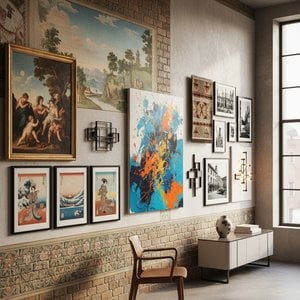
Transforming Spaces: A Comprehensive Exploration of Wall Decor Through Art History & Contemporary Practice
Explore the art of transforming spaces with our comprehensive guide to wall decor. From historical movements to contemporary trends, discover how to curate impactful interiors and commission bespoke artwork for a truly personalized aesthetic.

Echoes of Time: Exploring the Enduring Appeal & Historical Context of Vintage Art Prints
Explore the captivating world of vintage art prints! Discover their history, collecting tips & enduring appeal. Expert insights on chromolithography and building a legacy collection with ArtsDot.