


 წინასწარი ნახვა
 გაგზავნა
 გაზიარება
 დეტალები

 ჩამოტვირთვა
 მსგავსები
 რენტგენოგრაფიული კვლევა
 სლაიდშოუ
The Three Fates
 Academic Realism
 1855
1855 82.0 x 82.0 cm
 გადასართად დაწვრილებით ნახეთ
გიკლე / ხელოვნების პრინტი
მუზეუმის დონის ჟიკლე ან ტილოზე ბეჭდვა სწრაფი წარმოებისა და დასრულების მოქნილი ვარიანტებით. ( შეიძინეთ ხელით შესრულებული ნახატი შეიძინეთ გამოსახულება)




































აირჩიეთ ჩვენს მიერ წინასწარ განსაზღვრული ზომებიდან, რომლებიც ნაწარმოების ორიგინალურ პროპორციებს შეესაბამება.

თქვენ შეგიძლიათ მიუთითოთ საკუთარი ზომები კონკრეტული ჩარჩოსთვის ან სივრცისთვის მოსარგებლებლად. თუ თქვენ მიერ არჩეული ზომა არ შეესაბამება ორიგინალი გამოსახულების პროპორციებს, ჩვენ ან დავჭრით ნამუშევარს, ან გავაფართოვებთ გამოსახულებას სარკული ან ერთფეროვანი კიდეებით. წარმოების დაწყებამდე თქვენს დასამტკიცებლად გამოგეგზავნებათ ციფრული მაკეტი.
გთხოვთ, გაითვალისწინოთ, რომ ეკრანზე ნაჩვენები წინასწარი ნახვა არ ასახავს რეალურ ჭრას ან გაფართოებას. მხოლოდ მაკეტზე იქნება ზუსტად წარმოდგენილი საბოლოო კომპოზიცია.
მიუხედავად იმისა, რომ ინდივიდუალური ზომები ხელმისაწვდომია, ორიგინალური პროპორციების შესანარჩუნებლად გირჩევთ, აირჩიოთ ზომა წინასწარ განსაზღვრული სიისგან.
მიწოდება მთელ მსოფლიოში () 2 კვირაში, სტანდარტული 4/5 კვირის ნაცვლად. (27 აგვისტო)

უფასო ექსპრეს მიწოდება მთელ მსოფლიოში

საბამად მაღალი ხარისხის ტილო

სრული ტრანსპორტირების დაზღვევა

საბაჟო გადასახადების დაბრუნების გარანტია

ფერების სრული შესაბამისობის გარანტია

60-დღიანი დაბრუნების პოლიტიკა (მხოლოდ დეფექტის შემთხვევაში)

100% თანხის დაბრუნების გარანტია

ფასდაკლება დიდი რაოდენობით შეკვეთისას
 მინის ჩარჩოს არჩევანი ხელმისაწვდომია მხოლოდ 110 სმ-ზე ნაკლები ზომისთვის

The Three Fates
გიკლე / ხელოვნების პრინტი
რეკლამაციის ზომა
-


საბოლოო ფასი
$ 62
დაკავშირებული ნამუშევრები


მხატვრის ბიოგრაფია
The Industrial Soul and Classical Grace
Godfrey Sykes emerged from the heart of Yorkshire as a figure who could bridge the gap between the soot-stained reality of industrial England and the ethereal elegance of the Renaissance. Born in Malton in 1824, his early life was steeped in the rigorous discipline of craftsmanship. Through his apprenticeship under the renowned engraver James Bell, Sykes developed a meticulous eye for detail that would become the hallmark of his diverse career as a designer, metalworker, sculptor, and painter. In those formative years within Sheffield, his brush first captured the raw, unvarnished truth of the industrial landscape—the rhythmic clang of blacksmith shops and the heavy, atmospheric presence of rolling mills. This early period of documentation provided him with a foundational understanding of texture and light that would later inform his more ambitious, decorative pursuits.A Renaissance Awakening
The trajectory of Sykes’s artistry underwent a profound transformation through an intellectual partnership that would redefine much of Victorian decorative art. The arrival of Alfred Stevens in Sheffield in 1850 acted as a catalyst, sparking a shared fascination with the pursuit of harmonious proportions and idealized beauty. Together, they embraced the Renaissance Revival movement, a stylistic shift that moved Sykes away from pure industrial realism toward a more sophisticated, classical aesthetic. As the chief designer for the ironfounders at Hoole & Co., he achieved a remarkable synthesis of heavy material and delicate ornament, executing monumental commissions that showcased his mastery of form:- The striking frieze created for the Mechanics Institute in 1853, which demonstrated his ability to translate classical motifs into tangible, structural art.
- The breathtaking ceiling fresco for the Telegraphic Building in 1856, an achievement that highlighted his skill in large-scale decorative painting.
- The creation of intricate terracotta sculptures and metalwork that brought a sense of historical grandeur to the burgeoning industrial architecture of the era.
The Enduring Legacy of a Victorian Visionary
Though his life was tragically short, ending in London in 1866 at the age of only forty-one, the breadth of Sykes’s contribution remains etched into the very fabric of Victorian design. His ability to navigate between the Romanticism of his portraits and the Realism of his industrial scenes allowed him to capture the dual spirit of his age—the tension between progress and tradition. Whether through the melancholic introspection found in works like 'The Pet in a Pet' or the evocative, impasto-rich depiction of daily labor in 'Grinder’s Hull', Sykes left behind a body of work that celebrates both the strength of human toil and the timeless allure of classical perfection. His legacy continues to resonate through the halls of institutions like the V&A Museum, where his decorative innovations remain a testament to an artist who saw the divine potential within the industrial machine.
Godfrey Sykes
1824 - 1866
მოკლე ინფორმაცია
- Artistic Movement Or Style: Renaissance Revival
- Artists Or Movements Influenced By This Artist: ['Raphael']
- Artists Who Influenced This Artist: ['Alfred Stevens']
- Date Of Birth: 1824
- Date Of Death: 1866
- Full Name: Godfrey Sykes
- Nationality: English
- Notable Artworks:
- Lunch Time
- The Three Fates
- Venus of Urbino (after Titian)
- Place Of Birth: Malton, North Yorkshire
დაკავშირებული სტატიები
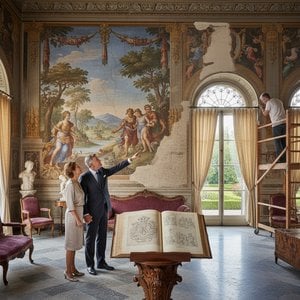
The Fresco as Family Legacy: Preserving Heritage Through Wall Art
Explore the rich history & enduring legacy of fresco painting. Discover how to preserve family heritage through stunning wall art. Expert insights & restoration guidance.

The Enduring Legacy of Fresco Painting: Techniques, History & Contemporary Relevance
Explore the rich history & enduring artistry of fresco painting – from Giotto to Michelangelo! Discover techniques, conservation efforts, & modern applications. Learn how ArtsDot brings this timeless art form to your home.

The Enduring Legacy of Fresco: Technique, History & Artistic Expression Across Cultures
Explore the rich history & enduring legacy of fresco painting! Discover ancient techniques, Giotto's masterpieces, and modern applications. Expert insights for art lovers & professionals.

ინტერიერის ფრესკების ემოციური ძალა: ისტორიული პერსპექტივა და თანამედროვე გამოხატულებები
გაიგეთ ფრესკის ისტორიული ძალა და თანამედროვე გამოხატულებები. ექსპერტების კონსულტაცია, რესტავრაციის სერვისები და ინვესტირების პერსპექტივები ხელოვნების კოლექციონერებისთვის.

The Enduring Legacy of Fresco: Technique, History & Artistic Expression
Explore the rich history & enduring artistry of fresco painting. Discover techniques from Giotto to Michelangelo, conservation efforts, & modern applications. Learn how ArtsDot brings this timeless art form to your home.

