

 წინასწარი ნახვა
 გაგზავნა
 გაზიარება
 დეტალები

 ჩამოტვირთვა
 მსგავსები
 რენტგენოგრაფიული კვლევა
 სლაიდშოუ
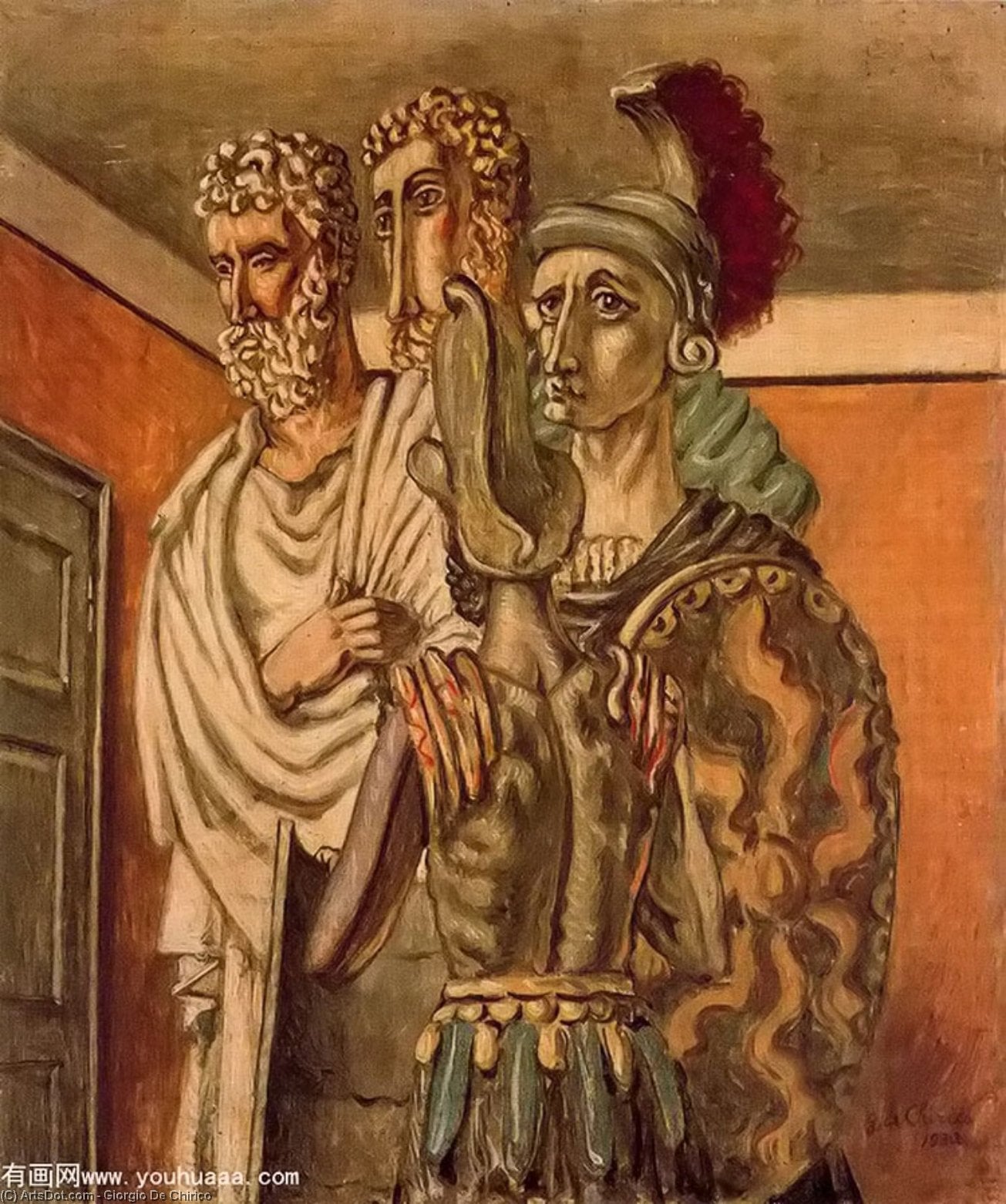
Gladiators


 გადასართად დაწვრილებით ნახეთ
ხელით ნაკვეთი ზეთის ტილოს რეპროდუქცია
ტილოზე შესრულებული ფერწერიანი ზეთប្រდათი, თქვენთვის სასურველი ზომისა და ჩარჩოსთვის, ჩვენი ხელოვანების მიერ შეკვეთის საფუძველზე დამზადებული. ( გადართვა ბეჭდვაზე გადართვა სურათზე)




P118B $10

P118H $10

P118W $10

P438Z $10

P508JH $12

P508YH $12

P805H $10

P805Z $10

P919BZ $10

P919G $10

P919XJ $10

P959ZH $10

P968JZ $12

W106C $8

W218G $10

W218JH $8

W218Y $10

W307PJ $10

W316G $10

W316PJ $8

W316Y $10

W398PJ $8

W4111J $10

W500HY $15

W500JH $15

W692G $12

W849H $8

W940BG $15

W953PJ $8




აირჩიეთ ჩვენს მიერ წინასწარ განსაზღვრული ზომებიდან, რომლებიც ნაწარმოების ორიგინალურ პროპორციებს შეესაბამება.

თქვენ შეგიძლიათ მიუთითოთ თქვენთვის სასურველი ზომები კონკრეტული ჩარჩოს ან სივრცის შესაბამისად. თუ თქვენ მიერ არჩეული ზომა არ შეესაბამება ორიგინალი გამოსახულების პროპორციებს, ჩვენ ან შევაჭრებთ ნაწარმოებს, ან ტილოზე დავამატებთ ხელით მოხატულ ელემენტებს. წარმოების დაწყებამდე, დამტკიცებისთვის გამოგეგზავნებათ ციფრული მაკეტი.
გთხოვთ, გაითვალისწინოთ, რომ ეკრანზე ნაჩვენები წინასწარი შეხედულება არ ასახავს რეალურ შეჭრას ან გაფართოებას. საბოლოო კომპოზიციას ზუსტად მხოლოდ მაკეტი წარმოაჩენს.
მიუხედავად იმისა, რომ შესაძლებელია ინდივიდუალური ზომების შერჩევა, ორიგინალური პროპორციების შენარჩუნებისათვის გირჩევთ, გამოიყენოთ წინასწარ განსაზღვრული სიის ზომები.
შეკვეთის შემდეგ, ArtsDot.com გუნდი დაგიკავშირდებათ ელექტრონული ფოსტით ინსტრუქციებისთვის და გამოგიგზავნით წინასწარ ნახაზს (mockup).
მიწოდება მსოფლიო მასშტაბით -ში 3/4 კვირაში, სტანდარტული 5 კვირის ნაცვლად. (11 აგვისტო). ხარისხზე კომპრომისის გაკეთება არ მოხდება.

უფასო ექსპრეს მიწოდება მთელ მსოფლიოში

საბამად მაღალი ხარისხის ტილო

სრული ტრანსპორტირების დაზღვევა

საბაჟო გადასახადების დაბრუნების გარანტია

ფერების სრული შესაბამისობის გარანტია

60-დღიანი დაბრუნების პოლიტიკა (მხოლოდ დეფექტის შემთხვევაში)

100% თანხის დაბრუნების გარანტია

ფასდაკლება დიდი რაოდენობით შეკვეთისას
 მინის ჩარჩოს არჩევანი ხელმისაწვდომია მხოლოდ 110 სმ-ზე ნაკლები ზომისთვის

Gladiators
რეკლამაციის ტექნიკა
რეკლამაციის ზომა
-


საბოლოო ფასი
$ 263
ნაწარმოების აღწერა
A Vision of Roman Echoes and Existential Dread
Giorgio de Chirico’s “Gladiators,” painted in 1930, transcends mere depiction; it plunges viewers into a dreamscape born from the anxieties of the interwar period. This Neo-baroque masterpiece embodies the artist's profound engagement with philosophical ideas and his fascination for classical imagery—a juxtaposition that generates an unsettling yet undeniably captivating atmosphere.
- Subject Matter: The painting portrays three men dressed in Roman attire, standing rigidly together against a desolate backdrop. Their postures convey solemnity and detachment, mirroring the pervasive sense of disillusionment felt across Europe at the time.
- Style & Technique: De Chirico’s Neo-baroque style harkens back to monumental Baroque canvases but infuses them with unsettling distortions—a technique he termed “Spazio metafisico.” The meticulous brushwork contributes to a sense of stillness and precision, contrasting sharply with the psychological turmoil suggested by the scene.
The historical context is crucial to understanding “Gladiators.” De Chirico was deeply influenced by Nietzsche’s concept of nihilism—the belief that life lacks inherent meaning—and Schopenhauer's pessimism regarding human consciousness. These philosophies fueled his exploration of irrationality and the subconscious mind, mirroring the anxieties surrounding impending war and societal upheaval.
- Symbolism: The gladiators themselves represent figures trapped in a predetermined fate, embodying the existential struggle for purpose amidst an indifferent universe. The swords symbolize violence and aggression but also serve as instruments of defense against encroaching darkness. Notably, the inclusion of two shadowy figures—one distant and one closer—adds to the painting’s enigmatic quality, hinting at hidden realities beyond perception.
- Emotional Impact: “Gladiators” evokes a palpable sense of melancholy and unease. The muted palette—dominated by earthy tones—amplifies the feeling of isolation and reinforces the painting's preoccupation with psychological states. It’s a work that invites contemplation on themes of mortality, solitude, and the confrontation with the absurd.
For interior designers seeking to infuse their spaces with artistic resonance, “Gladiators” offers an exceptional opportunity. Reproductions capture the painting's haunting beauty and psychological depth, translating its evocative atmosphere into a timeless visual experience. Collectors appreciate its contribution to Surrealist art history and recognize De Chirico’s pioneering exploration of subconscious imagery.
დაკავშირებული ნამუშევრები


მხატვრის ბიოგრაფია
A Dreamscape of the Mind: The Life and Art of Giorgio de Chirico
Giorgio de Chirico, born July 10, 1888, in Volos, Greece, to Italian parents—a Genoese mother and a Sicilian father—was an artist whose vision profoundly shaped the landscape of modern art. His formative years were spent absorbing classical influences alongside burgeoning anxieties about the human condition, setting him on a path toward creating what would become known as Metaphysical Art – a genre that continues to fascinate and unsettle audiences today. From his early studies at Athens Polytechnic through his groundbreaking collaborations with Surrealist thinkers like René Magritte and Salvador Dalí, de Chirico’s artistic journey was marked by intellectual rigor and an unwavering commitment to exploring the depths of human consciousness.Early Influences & Artistic Formation
De Chirico's initial exposure to art began in Munich during his formative years at the Polytechnic, where he encountered the works of Arnold Böcklin and Max Klinger—artists whose evocative landscapes and symbolic imagery instilled within him a fascination for mythology and the subconscious mind. These artists championed the expressive power of suggestion rather than literal representation, mirroring de Chirico’s own desire to capture intangible emotions and psychological states. Simultaneously, he immersed himself in the philosophical currents of his time – particularly the writings of Friedrich Nietzsche, Arthur Schopenhauer, and Otto Weininger – which interrogated fundamental questions about existence, morality, and the nature of reality. Nietzsche's concept of the Übermensch (Superman), Schopenhauer’s pessimism regarding human suffering, and Weininger’s exploration of sexual desire served as intellectual catalysts for de Chirico’s artistic explorations.The Birth of Metaphysical Art
Around 1909, a singular style began to coalesce from de Chirico's investigations – Metaphysical Art. Rejecting Impressionistic conventions and rejecting the pursuit of objective observation, he embarked on an ambitious endeavor to depict a reality beyond the visible world—a realm where time and space warped according to internal psychological processes. The catalyst for this stylistic revolution arrived during his visit to Florence and Piazza Santa Croce; witnessing the unsettling stillness of the square and encountering mannequins amidst classical architecture sparked his iconic ‘Metaphysical Town Square’ series. These paintings are characterized by elongated shadows, illogical perspectives, and a disconcerting juxtaposition of familiar architectural elements with incongruous figures—creating an atmosphere of profound melancholy and disorientation. De Chirico's meticulous attention to detail – capturing the textures of stone, the subtle gradations of light, and the vacant expressions of his mannequins – underscored his conviction that art could illuminate hidden truths about human experience.Collaboration & Surrealist Legacy
De Chirico’s artistic vision gained considerable momentum through collaborations with Surrealist thinkers like René Magritte and Salvador Dalí. Recognizing the potential for exploring dreamlike imagery and subconscious symbolism, he embraced Surrealism's techniques of juxtaposition and irrational association—resulting in artworks that challenged conventional perceptions of reality and provoked viewers to confront unsettling psychological dilemmas. His influence extended far beyond Surrealism, impacting later movements such as Magic Realism, which sought to depict everyday life with a heightened sense of mystery and emotional depth. Artists like Magritte and Dalí adopted de Chirico’s stylistic innovations—particularly his use of perspective and symbolic imagery—to craft their own mesmerizing visions of the inner landscape.A Lasting Influence & Artistic Significance
Giorgio de Chirico died in 1978, leaving behind a legacy as one of the most influential figures in 20th-century art. His pioneering exploration of Metaphysical Art irrevocably altered artistic conventions and ushered in a new era of psychological realism—inspiring generations of artists to grapple with existential anxieties and to reimagine the boundaries between consciousness and unconsciousness. De Chirico’s paintings continue to resonate powerfully with audiences today, prompting contemplation on themes of solitude, memory, and the elusive nature of truth. His unwavering dedication to craftsmanship and his profound understanding of human psychology cemented his place as a visionary artist whose work transcends time—reminding us that art possesses the capacity to illuminate the deepest recesses of our minds and to transform our perception of the world around us.
Giorgio დე ჩირიკო
1888 - 1978 , საბერძენი საქართველო
მოკლე ინფორმაცია
- Artistic Movement Or Style: მეტაფიზიკური ხელოვნება
- Artists Who Influenced This Artist:
- არნოლ্ড ბოಕ್ლินი
- მ্যাক კლინგი
- ფრიドリხ ნიცშე
- Date Of Birth: 10 ივლისი 1888 წელი
- Date Of Death: 1978 წელი
- Full Name: Giorgio de Chirico
- Nationality: იტალიელი
- Notable Artworks:
- ფიქცის დაღმაყოფა
- გზავნილი დღევანდელი დილა
- სიყვარულის სიმღერა
- Place Of Birth: Волос, Греция
დაკავშირებული სტატიები

Demandes Commerciales
APS ofrece reproducciones de bellas artes y encargos personalizados desde 2004. Confían en nosotros corporaciones, hoteles y coleccionistas selectos para obras de arte de calidad museística, servicio discreto y soluciones artísticas completas. ¡Póngase en contacto con nosotros para obtener un presupuesto personalizado!

ფრანცისკო გოიას 25 შედევრი: ხელოვნების ისტორიაში გამორჩეული ნაწარმოებები | ArtsDot.com
გაიცანით ფრანცისკო გოიას 25 გამორჩეული შედევრი! რომანტიზმის ბრწყინვალე წარმომადგენლის ტილოები, ისტორიული სიღრმე და განსაცვიფრებელი სილამაზე. შეიძინეთ ხელოვნების რეკონსტრუქციები ArtsDot.com-ზე და შექმენით თქვენი ოცნების ინტერიერი.
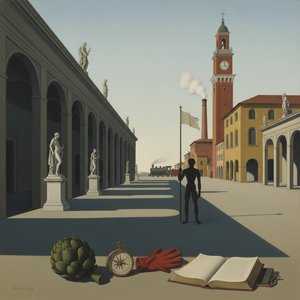
Giorgio de Chirico: Metaphysical Realities & the Poetics of Absence
Explore the captivating world of Giorgio de Chirico and his groundbreaking Metaphysical painting movement. Discover the philosophical depths & surreal imagery that influenced generations of artists. Learn more at ArtsDot.

Beyond Reality's Veil: Exploring the Enigmatic World of Metaphysical Art
Explore the captivating world of Metaphysical art with ArtsDot. Discover Giorgio de Chirico's iconic paintings, philosophical influences & lasting impact on Surrealism. Expert insights for collectors.

A riguardo di noi
Découvrez notre histoire ! Nous apportons l'art de classe mondiale dans votre vie grâce à une sélection experte, des créations personnalisées et des aperçus gratuits. Approuvé par les particuliers et les entreprises depuis 2000.



