


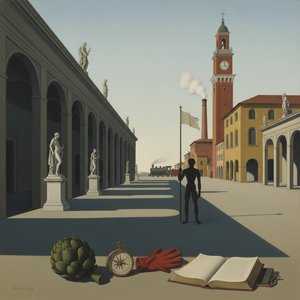
სურათი შეესაბამება თქვენს არჩევანს: , .
კოლექციონირებადი ნივთის აღწერა
 სრული ტექსტის ნახვა
მხატვრის ბიოგრაფია
გაითვალისწინებათ მეგობრებო და შემოქმედებით სხეპს და ბიოგრაფიას გქავნათ გიორგი დე ჩირიკოს შესახებ და შეამოწმეთ პლუს მიმდინარე ინფორმაცია და შემოქმედებით სხეპს და ბიოგრაფიას გქავნათ გიორგი დე ჩირიკოს შესახებ და შეამოწმეთ პლუს მიმდინარე ინფორმაცია და შემოქმედებით სხეპს და ბიოგრაფიას გქავნათ გიორგი დე ჩირიკოს შესახებ და შეამოწმეთ პლუს მიმდინარე ინფორმაცია და შემოქმედებით სხეპს და ბიოგრაფიას გქავნათ გი
ხელით შესრულებული ზეთის საღებავით რეპროდუქცია
ტილოზე შესრულებული ფერწერიანი ზეთប្រდათი, თქვენთვის სასურველი ზომისა და ჩარჩოსთვის, ჩვენი ხელოვანების მიერ შეკვეთის საფუძველზე დამზადებული. ( გადართვა ბეჭდვის რეჟიმზე გადასვლა ციფრულ გამოსახულებაზე)
ეს ნაწარმოები დაცულია საავტორო უფლებებით
ამ გვერდზე წარმოდგენილი ნამუშევარი დაცულია საავტორო უფლების შესახებ კანონმდებლობით, რაც იმას ნიშნავს, რომ ჩვენ არ გვაქვს მისი იდენტური რეპროდუქციის შექმნის ან გაყიდვის სამართლებრივი უფლება. აღნიშნული დაცვა უზრუნველყოფილია ისეთი საერთაშორისო შეთანხმებებით, როგორიცაა ბერნის კონვენცია და ეროვნული კანონმდებლობით, მათ შორის იმ კანონებით, რომლებიც დეტალურად არის გაწერილი აშშ-ის საავტორო უფლების შესახებ კანონი - თავი 17.
როგორც პატივისცემით სავსე და კანონიერი ალტერნატივა, ჩვენ გთავაზობთ ორიგინალით შთაგონებულ, ინდივიდუალურ, ხელით შესრულებულ ნამუშევრებს. ჩვენი ოსტატ და პროფესიონალი ხელოვანები საგულდაგულოდ სწავლობენ ორიგინალის სტილს, განწყობასა და მხატვრულ არსს, რათა შექმნან ახალი, უნიკალური ნამუშევარი, რომელიც იგივე ემოციას აღძრავს და, ამავდროულად, თავად წარმოადგენს დამოუკიდებელ, ორიგინალურ შემოქმედებას.
ეს მეთოდი სრულად შეესაბამება საავტორო უფლებების რეგულაციებს, რადგან ის არ გულისხმობს დაცული ნამუშევრის კოპირებას ან დუბლირებას. ამგვარად, ეს წარმოადგენს შემოქმედებით რეინტერპრეტაციას — ახალ ნახატს, რომელიც შთაგონებითაა განპირობებული ორიგინალით, თუმცა არ არის მის იდენტურ ასლს.
მეტი ამ ნახატის შესახებ
 ნახვა ინტერьерში
 გაგზავნა
 გაზიარება
 დეტალები
 გზამკვლევი

 ჩამოტვირთვა
 მსგავსები
 რენტგენოგრაფიული კვლევა
 სლაიდშოუ
 კითხვა-პასუხი
 სტატისტიკა
დაგვიკვეთეთ თქვენი ნახატი ოთხ მარტივ ნაბიჯში
არ იჩქაროთ. ნებისმიერი პასუხის შეცვლა შეგიძლიათ; თქვენს შეკვეთაში ფასი თითოეულ არჩევანს მოჰყვება.
1 პირველი ნაბიჯი ოთხიდან
რომელი ზომა გსურთ?
ეს ზომები ინარჩუნებს ორიგინალი ნახატის პროპორციებს. ილუსტრაცია აჩვენებს თქვენს არჩევანს კედელზე, ორმეტრიანი სავარძლის ზემოთ.
ან მიუთითეთ თქვენი საკუთარი ზომები
აირჩიეთ ჩვენს მიერ წინასწარ განსაზღვრული ზომებიდან, რომლებიც ნაწარმოების ორიგინალურ პროპორციებს შეესაბამება.

შეიყვანეთ თქვენთვის საჭირო სიგანე და სიმაღლე, რათა ნახატი მოერგოს თქვენს ჩარჩოს ან კედელს. ვინაიდან ეს ნამუშევარი ხელით არის შესრულებული, სხვა ფორმის ზომის შემთხვევაში, მხატვარმა შესაძლოა სურათის გარშემო ოდნავ მეტი დატოვოს ან შეამციროს — არჩევანი თქვენზეა. დაწყებამდე, დასამტკიცებლად, ჩვენ გამოგიგზავნით ციფრულ მაკეტს. ამ გვერდზე ნაჩვენები სურათი არ ასახავს რეალურ შედეგს — რეალური სახე მხოლოდ მაკეტზე ჩანს.
2 ნაბიჯი ორი ოთხიდან
როგორ უნდა იყოს მომზადებული: დახვეული, დაჭიმული თუ ჩარჩოში ჩასმული?
ქვემოთ მოცემული ფასები განკუთვნილია პირველ საფეხურზე თქვენ მიერ არჩეული ზომისთვის.
შეარჩიეთ დაჭიმული ტილოს კიდეები
შეარჩიეთ ჩარჩო

თეთრი კიდეები ₾1

ბუნდოვანი კიდეები ₾1

გაფართოებული ₾1

P118B ₾10

P118H ₾10

P118W ₾10

P438Z ₾10

P508JH ₾12

P508YH ₾12

P805H ₾10

P805Z ₾10

P919BZ ₾10

P919G ₾10

P919XJ ₾10

P959ZH ₾10

P968JZ ₾12

W106C ₾8

W218G ₾10

W218JH ₾8

W218Y ₾10

W307PJ ₾10

W316G ₾10

W316PJ ₾8

W316Y ₾10

W398PJ ₾8

W4111J ₾10

W500HY ₾15

W500JH ₾15

W692G ₾12

W849H ₾8

W940BG ₾15

W953PJ ₾8

H24-GOLD ₾30

H24-SILVER ₾30

H36-GOLD ₾45

H36-SILVER ₾45
ჩარჩოჩენილი
კარმამ . ზომა ჩარჩოზე, მთლიანი: .
3 ნაბიჯი სამი ოთხიდან
გსურთ რაიმე ცვლილების შეტანა ნახატში?
ადამიანთა უმეტესობა უარს პასუხობს. ვინაიდან თითოეული ნახატი ხელით იქმნება, ჩვენს მხატვარს შეუძლია მისი თქვენთვის ადაპტირებაც.
შეკვეთის შემდეგ, ArtsDot.com გუნდი გამოგსტავთ ელექტრონულ წერილს ინსტრუქციებისთვის და მოგაწვდით წინასწარ ნახატის (mockup) პრევიუსს
4 ოთხიდან მეოთხე ნაბიჯი
დასრულების რამდენიმე ვარიანტი
ყველაფერი არჩევითია. უკვე შერჩეულ პასუხებს დამატებითი საფასური არ მოსთხოვება.
ვინ ასრულებს ამ ნამუშევარს?
მიწოდება მსოფლიო მასშტაბით -ში 3/4 კვირაში, სტანდარტული 5 კვირის ნაცვლად. (3 ნოემბერი). ხარისხზე კომპრომისის გაკეთება არ მოხდება.
სარდაფი, როგორც მუზეუმში?
დაკვეთილი ბრინჯაოს ფირფიტის დეტალები
This elegant plaque features the artist's name and the title of the artwork, finely engraved for a timeless presentation.
It is made from bronze with a refined, elegant finish. The text is precisely laser-engraved for a sharp and permanent result. Measuring 9x2 cm, the plaque is compact yet easy to read. It's built to be durable and scratch-resistant, offering a professional, museum-quality look. Mounting is simple thanks to the included adhesive backing.
აკრილის გამჭვირვალე ფირფიტის დეტალები
The plaque includes essential engraved details such as the artist's name, the title of the artwork, the date it was created, the type of media used-like oil on canvas or watercolor-a brief description of the piece, and a QR code that links to the complete artwork information.
It is crafted from clear acrylic, offering a sleek, modern appearance. The text is UV-engraved in black to ensure strong visual contrast. With a size of 10x15 cm, it ensures optimal readability. It comes equipped with two metal hooks for secure wall mounting. The plaque is designed to be weather-resistant, making it suitable for various environments, and it includes interactive features that work seamlessly with smartphone scanning.
შავი აკრილის ფირფიტის დეტალები
This elegant plaque includes engraved information such as the artist's name, the title of the artwork, the date it was created, the type of media used (like oil on canvas or watercolor), a short description of the artwork, and a QR code for quick access to more information.
The plaque itself is made from refined black acrylic with a premium finish. The text is laser-engraved in white for high contrast and readability. Its size is 10x15 cm, designed to be easy to read. It comes with two metal hooks for professional mounting. The design is sleek and fits any interior style. It is also weather-resistant and durable, with built-in digital integration for mobile compatibility.
დამცავი ლაქი?
როდის გჭირდებათ?
✓ შეამოწმეთ და შეუკვეთეთ
თქვენი ნახატი, ზუსტად ისეთი, როგორ შეუკვეთეთ

Delicate evening
რეპროდუქციის ტექნიკა
რეპროდუქციის ზომა
-

დასახელებული ხელოვანთა შერჩეული კოლექცია
უფრო მეტი დეტალიზაცია, დახვეწილობა და დამატებითი დამუშავების დრო
-

რეკლამაციის ჩარჩო
-
-
ნებისმიერი მხარისთვის 105 სმ-ზე (დაახლოებით 41 ინჩი) მეტი ზომის ხელოვნებული ნამუშევრების ან რეპროდუქციებისთვის, ჩარჩო მოგზავნდება დაშლილ კომპლექტში. ეს მეთოდი უზრუნველყოფს უსაფრთხო მიწოდებას და თავიდან აგაცილებთ ტრანსპორტირებისას შესაძლო დაზიანებას.
საჭიროა პროფესიონალური აწყობა - ეს არ არის თვითმომსახურების (DIY) პროდუქტი.
კომპლექტის აწყობა და ტილოს დაჭიმვა უნდა განახორციელოს გამოცდილმა პროფესიონალმა ჩარჩოს დამამზადებელმა, ხის წებოს (არ შედის კომპლექტში), ტილოს დაჭიმვის ბერჭებისა და საკრამების გამოყენებით, რათა წებოს გასაშრობად ღერძები სწორად და სტაბილურად დაფიქსირდეს. არასწორი აწყობა ან ტილოს არათანაბარი დაჭიმვა შეიძლება გამოიწვიოს ნამუშევრის სამუდამო დაზიანება, რაც არ იფარება ჩვენი გარანტიით.
 ნებისმიერი მხარისთვის 105 სმ-ზე (დაახლოებით 41 ინჩი) მეტი ზომის ხელოვნებული ნამუშევრების ან რეპროდუქციებისთვის, ჩარჩო მოგზავნდება დაშლილ კომპლექტში. ეს მეთოდი უზრუნველყოფს უსაფრთხო მიწოდებას და თავიდან აგაცილებთ ტრანსპორტირებისას შესაძლო დაზიანებას.
კომპლექტში შედის მყარი ხის ყველა ღერძი, ზუსტად გაზომილი და საჭირო ზომაზე დაჭრილი.
აწყობისთვის გამოიყენება მოთავსებული ხრახნები; ასევე დაგჭირდებათ ხის წებო კუთხეების დასაკავშირებლად, რომელიც კომპლექტში არ შედის და თქვენმა ჩარჩოს დამამზადებელმა უნდა შეიძინოს დამოუკიდებლად.
საჭიროა პროფესიონალური ხელსაწყოები, რომლებიც არ შედის კომპლექტში: ტილოს დაჭიმვის ბრჭყალები (დამჭერი) და სამჭედლები, რათა წებოს გასაშრობ პროცესში რამკოს კუთხეები სწორად ფიქსირდეს.
მნიშვნელოვანია:
კუთხეების დასაკავშირებლად საჭიროა ხის წებო; სანამ წებო სრულად გაშრება, ღერძები დაფიქსირებული უნდა იყოს საკავშირეებით, ხოლო აწყობილ ჩარჩოზე ტილოს დასჭიმად საჭიროა ტილოს დასჭიმელი ბრჭჭვალი. არცერთი ეს ნივთი არ შედის კომპლექტში. გთხოვთ, ამ ზომის შეკვეთამდე წინასწარ დაგეგმოთ გამოცდილი პროფესიონალი ჩარჩოს დამზადებელი.

სახელოვანი ფირფიტა
-
-

დამცავი ლაქი
ბზინვარე ლაქი (აფერსკვიატებს ფერებს და იცავს სინათლისა და ტენისგან)
-

ჩემი ნამუშევრის პერსონალიზაცია
რა შეიძლება შეიცვალოს (მაგალითები): სახის შეცვლა მომხმარებლის ფოტოთი; შინაური ცხოველის დამატება (მაგალითად, კატის დგებით შეცვლა); ფონზე ფარული შეტყობინების დამატება; ფონის ლანდშაფტის ან ელემენტების შეცვლა.
-

სასწრაფო მიწოდება
მიწოდება მსოფლიო მასშტაბით () 3-4 კვირაში, სტანდარტული 5 კვირის ნაცვლად. (3 ნოემბერი). ხარისხზე კომპრომისის გაკეთება არ მოხდება.
-
ექსპრეს-მიწოდება
მიწოდება მსოფლიოს მასშტაბით (), 5 კვირაში. (10 ნოემბერი).
მოყვება
ჯამური ღირებულება
₾ 684
მინის ჩარჩოს არჩევანი ხელმისაწვდომია მხოლოდ 110 სმ-მდე ზომისთვის
მოყვება თითოეულ შეკვეთასთან ერთად
- უფასო ექსპრეს მიწოდება მთელ მსოფლიოში
- მაღალი ხარისხის ტილო
- ტრანსპორტირების სრული დაზღვევა
- საბაჟო გადასახადების დაბრუნების გარანტია
- ფერების სრული შესაბამისობის გარანტია
- დაბრუნების 100-დღიანი პერიოდი (მხოლოდ წარმოების დეფექტის შემთხვევაში)
- 100% თანხის სრული დაბრუნების გარანტია
- ფასდაკლება დიდი რაოდენობით შეკვეთისას


A Fragmented Dreamscape: De Chirico’s ‘The Gentle Afternoon’
Giorgio de Chirico’s “The Gentle Afternoon,” painted in 1916, stands as a cornerstone of Metaphysical Art—a movement that sought to capture the subconscious mind and explore unsettling juxtapositions of reality and illusion. This watercolor on paper isn't merely a depiction of a scene; it’s an invitation into a meticulously crafted dreamscape, reflecting the anxieties and intellectual currents of its time.
- Subject Matter: The painting presents a starkly simplified cityscape dominated by a pale blue building adorned with a yellow roof. A prominent window punctuates the façade, while a ladder ascends towards it—a visual motif frequently employed by de Chirico to symbolize aspiration and unattainable goals.
- Style & Technique: De Chirico’s signature style is characterized by geometric abstraction combined with unsettling realism. The artist utilizes muted colors – predominantly blues and yellows – creating an atmosphere of melancholy and disorientation. Precise brushstrokes contribute to the painting's textural quality, emphasizing the materiality of the surfaces.
The historical context surrounding “The Gentle Afternoon” is inextricably linked to the burgeoning Surrealist movement. De Chirico’s artistic explorations mirrored the philosophical debates of his era—particularly Nietzsche’s critique of morality and Schopenhauer’s pessimism regarding human existence. These thinkers questioned accepted notions of truth and rationality, mirroring the unsettling feeling conveyed by de Chirico's imagery.
- Symbolism: Scattered breadcrumbs throughout the composition serve as potent symbols—representing nourishment, vulnerability, and perhaps even the remnants of forgotten memories. The figures positioned before a house evoke themes of domesticity juxtaposed with isolation, furthering the painting’s exploration of psychological states.
“The Gentle Afternoon” transcends mere visual representation; it evokes an emotional response rooted in contemplation and unease. Its dreamlike quality compels viewers to confront unsettling questions about perception and consciousness. De Chirico's masterful manipulation of color, form, and composition creates a lasting impression—a testament to his ability to distill profound philosophical ideas into unforgettable artistic experiences.
- Interior Design Inspiration: Consider incorporating elements reminiscent of “The Gentle Afternoon” into interior spaces – muted blues paired with warm yellows can create calming yet stimulating environments. The ladder motif subtly suggests upward mobility and aspiration, adding a touch of intellectual curiosity to any décor.
კითხვები და პასუხები
არის თუ არა "Delicate evening" Giorgio დე ჩირიკო-ის ერთ-ერთი ყველაზე პოპულარული ნამუშევარი?
"Delicate evening" მიფასებულია როგორც Recognized."
როგორ ვიპოვო Giorgio დე ჩირიკო-ის „Delicate evening“-ის მსგავსი ნამუშევრები?
ნამუშევრებთან მსგავსი ნამუშევრები, როგორიცაა „Delicate evening“, მოცემულია ამ ნამუშევრის მსგავსი ნამუშევრები გვერდზე.
რამდენ ადამიანს ნახავს „Delicate evening“-ს?
სტატისტიკა Giorgio დე ჩირიკო-ის „Delicate evening“-ის შესახებ მოცემულია ნამუშევრის სტატისტიკა გვერდზე: ნამუშევრის ყოველთვიური ნახვები, ხელოვანის სხვა ნამუშევრების ნახვები, ასევე ბოლო პერიოდის ვიზიტორთა განაწილება ქვეყნებისა და ენების მიხედვით.
მსგავსი ნამუშევრები


Giorgio დე ჩირიკო
1888 - 1978, საბერძენი საქართველო
მხატვრის ბიოგრაფია
A Dreamscape of the Mind: The Life and Art of Giorgio de Chirico
Giorgio de Chirico, born July 10, 1888, in Volos, Greece, to Italian parents—a Genoese mother and a Sicilian father—was an artist whose vision profoundly shaped the landscape of modern art. His formative years were spent absorbing classical influences alongside burgeoning anxieties about the human condition, setting him on a path toward creating what would become known as Metaphysical Art – a genre that continues to fascinate and unsettle audiences today. From his early studies at Athens Polytechnic through his groundbreaking collaborations with Surrealist thinkers like René Magritte and Salvador Dalí, de Chirico’s artistic journey was marked by intellectual rigor and an unwavering commitment to exploring the depths of human consciousness.Early Influences & Artistic Formation
De Chirico's initial exposure to art began in Munich during his formative years at the Polytechnic, where he encountered the works of Arnold Böcklin and Max Klinger—artists whose evocative landscapes and symbolic imagery instilled within him a fascination for mythology and the subconscious mind. These artists championed the expressive power of suggestion rather than literal representation, mirroring de Chirico’s own desire to capture intangible emotions and psychological states. Simultaneously, he immersed himself in the philosophical currents of his time – particularly the writings of Friedrich Nietzsche, Arthur Schopenhauer, and Otto Weininger – which interrogated fundamental questions about existence, morality, and the nature of reality. Nietzsche's concept of the Übermensch (Superman), Schopenhauer’s pessimism regarding human suffering, and Weininger’s exploration of sexual desire served as intellectual catalysts for de Chirico’s artistic explorations.The Birth of Metaphysical Art
Around 1909, a singular style began to coalesce from de Chirico's investigations – Metaphysical Art. Rejecting Impressionistic conventions and rejecting the pursuit of objective observation, he embarked on an ambitious endeavor to depict a reality beyond the visible world—a realm where time and space warped according to internal psychological processes. The catalyst for this stylistic revolution arrived during his visit to Florence and Piazza Santa Croce; witnessing the unsettling stillness of the square and encountering mannequins amidst classical architecture sparked his iconic ‘Metaphysical Town Square’ series. These paintings are characterized by elongated shadows, illogical perspectives, and a disconcerting juxtaposition of familiar architectural elements with incongruous figures—creating an atmosphere of profound melancholy and disorientation. De Chirico's meticulous attention to detail – capturing the textures of stone, the subtle gradations of light, and the vacant expressions of his mannequins – underscored his conviction that art could illuminate hidden truths about human experience.Collaboration & Surrealist Legacy
De Chirico’s artistic vision gained considerable momentum through collaborations with Surrealist thinkers like René Magritte and Salvador Dalí. Recognizing the potential for exploring dreamlike imagery and subconscious symbolism, he embraced Surrealism's techniques of juxtaposition and irrational association—resulting in artworks that challenged conventional perceptions of reality and provoked viewers to confront unsettling psychological dilemmas. His influence extended far beyond Surrealism, impacting later movements such as Magic Realism, which sought to depict everyday life with a heightened sense of mystery and emotional depth. Artists like Magritte and Dalí adopted de Chirico’s stylistic innovations—particularly his use of perspective and symbolic imagery—to craft their own mesmerizing visions of the inner landscape.A Lasting Influence & Artistic Significance
Giorgio de Chirico died in 1978, leaving behind a legacy as one of the most influential figures in 20th-century art. His pioneering exploration of Metaphysical Art irrevocably altered artistic conventions and ushered in a new era of psychological realism—inspiring generations of artists to grapple with existential anxieties and to reimagine the boundaries between consciousness and unconsciousness. De Chirico’s paintings continue to resonate powerfully with audiences today, prompting contemplation on themes of solitude, memory, and the elusive nature of truth. His unwavering dedication to craftsmanship and his profound understanding of human psychology cemented his place as a visionary artist whose work transcends time—reminding us that art possesses the capacity to illuminate the deepest recesses of our minds and to transform our perception of the world around us.


მსგავსი სტატიები

About Us
Discover our story! We bring world-class art into your life through expert curation, personalized creations, and free previews. Trusted by individuals and businesses since 2000.

Carlo Carrà: Futurist Visions & Metaphysical Transformations in Early 20th-Century Italian Painting
Explore the artistic journey of Carlo Carrà, a pivotal figure in Italian Futurism & Metaphysical painting. Discover his dynamic compositions, collaborations with de Chirico, and lasting influence on modern art history.
Giorgio de Chirico: Metaphysical Realities & the Poetics of Absence
Explore the captivating world of Giorgio de Chirico and his groundbreaking Metaphysical painting movement. Discover the philosophical depths & surreal imagery that influenced generations of artists. Learn more at ArtsDot.