


 ნახვა ინტერьерში
 გაგზავნა
 გაზიარება
 დეტალები
 გზამკვლევი

 ჩამოტვირთვა
 მსგავსები
 რენტგენოგრაფიული კვლევა
 სლაიდშოუ
 სტატისტიკა
We Are Crazy


 სრული ტექსტის ნახვა
ამ გვერდზე წარმოდგენილი ნამუშევარი დაცულია საავტორო უფლების შესახებ კანონმდებლობით, რაც იმას ნიშნავს, რომ ჩვენ არ გვაქვს მისი იდენტური რეპროდუქციის შექმნის ან გაყიდვის სამართლებრივი უფლება. აღნიშნული დაცვა უზრუნველყოფილია ისეთი საერთაშორისო შეთანხმებებით, როგორიცაა ბერნის კონვენცია და ეროვნული კანონმდებლობით, მათ შორის იმ კანონებით, რომლებიც დეტალურად არის გაწერილი აშშ-ის საავტორო უფლების შესახებ კანონი - თავი 17.
ეს მეთოდი სრულად შეესაბამება საავტორო უფლებების რეგულაციებს, რადგან ის არ გულისხმობს დაცული ნამუშევრის კოპირებას ან დუბლირებას. ამგვარად, ეს წარმოადგენს შემოქმედებით რეინტერპრეტაციას — ახალ ნახატს, რომელიც შთაგონებითაა განპირობებული ორიგინალით, თუმცა არ არის მის იდენტურ ასლს.
გიკლე / ხელოვნების პრინტი
მუზეუმის დონის ჟიკლე ან ტილოზე ბეჭდვა სწრაფი წარმოებისა და დასრულების მოქნილი ვარიანტებით. ( შეიძინეთ ხელით შესრულებული ნახატი გადასვლა ციფრულ გამოსახულებაზე)




P118B ₾10

P118H ₾10

P118W ₾10

P438Z ₾10

P508JH ₾12

P508YH ₾12

P805H ₾10

P805Z ₾10

P919BZ ₾10

P919G ₾10

P919XJ ₾10

P959ZH ₾10

P968JZ ₾12

W106C ₾8

W218G ₾10

W218JH ₾8

W218Y ₾10

W307PJ ₾10

W316G ₾10

W316PJ ₾8

W316Y ₾10

W398PJ ₾8

W4111J ₾10

W500HY ₾15

W500JH ₾15

W692G ₾12

W849H ₾8

W940BG ₾15

W953PJ ₾8




აირჩიეთ ჩვენს მიერ წინასწარ განსაზღვრული ზომებიდან, რომლებიც ნაწარმოების ორიგინალურ პროპორციებს შეესაბამება.

შეიყვანეთ თქვენთვის საჭირო სიგანე და სიმაღლე, რათა იგი მოერგოს თქვენს ჩარჩოს ან კედელს. ბეჭდვისას შესაძლებელია მხოლოდ მისი შემცირება და არა გაზრდა, ამიტომ სხვა ფორმის ზომის შემთხვევაში გამოსახულება ნაწილობრივ იკარგება. სანამ რაიმეს დაბეჭდავთ, ჩვენ გამოგიგზავნით ციფრულ მაკეტს დასდასტურებლად. ამ გვერდზე ნაჩვენები სურათი არ ასახავს რეალურ ჭრას — ამას მხოლოდ მაკეტი გვიჩვენებს.
მიწოდება მთელ მსოფლიოში () 2 კვირაში, სტანდარტული 4/5 კვირის ნაცვლად. (22 ოქტომბერი)

უფასო ექსპრეს მიწოდება მთელ მსოფლიოში

მაღალი ხარისხის ტილო

ტრანსპორტირების სრული დაზღვევა

საბაჟო გადასახადების დაბრუნების გარანტია

ფერების სრული შესაბამისობის გარანტია

დაბრუნების 100-დღიანი პერიოდი (მხოლოდ წარმოების დეფექტის შემთხვევაში)

100% თანხის სრული დაბრუნების გარანტია

ფასდაკლება დიდი რაოდენობით შეკვეთისას
 მინის ჩარჩოს არჩევანი ხელმისაწვდომია მხოლოდ 110 სმ-მდე ზომისთვის

We Are Crazy
გიკლე / ხელოვნების პრინტი
რეპროდუქციის ზომა
-


ჯამური ღირებულება
₾ 162
Georges Rouault’s “We Are Crazy”: A Descent into Emotional Truth
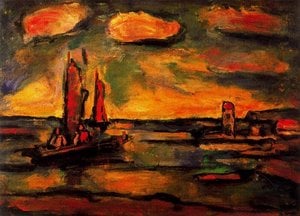
“We Are Crazy,” attributed to Georges Rouault, is not merely a depiction of two figures; it's an immersion in the raw currents of human experience – a potent exploration of anxiety, isolation, and perhaps, a glimpse into the fractured psyche. Painted during a period of intense personal and artistic transformation for Rouault, this work exemplifies his signature style: a deliberate rejection of academic realism in favor of profound emotional expression. The piece immediately commands attention with its stark simplicity, dominated by an oppressive palette of black, white, and gray that amplifies the unsettling atmosphere. It’s a visual echo of the Parisian shadows where Rouault himself spent much of his formative years, a constant reminder of hardship and spiritual seeking.
- Composition & Form: The figures are presented with an almost brutal directness, their faces occupying nearly the entire frame. This intense focus creates a claustrophobic effect, mirroring the feeling of confinement often associated with mental distress or profound emotional turmoil. Rouault’s use of simplified shapes – elongated features and exaggerated contours – contributes to this sense of distortion, pushing the viewer into an uncomfortable proximity with the subjects' inner states.
- Technique & Materials: The artist masterfully employs a technique rooted in his early apprenticeship as a glass painter. Thick, bold charcoal lines define the forms, creating dramatic contrasts between light and shadow – a ‘chiaroscuro’ effect reminiscent of Caravaggio but imbued with Rouault's uniquely expressive sensibility. The visible layering of tones suggests meticulous labor, adding to the work’s textural richness and conveying a sense of urgency in the artist’s execution.
Echoes of Expressionism & Fauvism
Rouault’s artistic trajectory was deeply intertwined with the burgeoning movements of Expressionism and Fauvism, though he ultimately forged his own distinct path. His early exposure to Matisse and other Fauvist painters introduced him to a bolder approach to color – a characteristic seen in the luminous fields that punctuate the darkness of “We Are Crazy.” However, unlike the more optimistic or celebratory nature of some Fauvist works, Rouault harnessed this chromatic intensity to heighten the emotional impact, using it not as an end in itself but as a tool for amplifying the underlying sense of unease. The influence of Vincent van Gogh is undeniable, particularly in the expressive use of line and the raw depiction of human emotion.
- Historical Context: Rouault’s work emerged during a period of significant social and artistic upheaval in early 20th-century France. The rise of Expressionism reflected a growing disillusionment with traditional values and a desire to confront difficult truths about the human condition.
- Symbolic Resonance: The title itself, “We Are Crazy,” is laden with symbolic weight. It suggests a loss of control, a descent into irrationality, or perhaps a recognition of the inherent instability within the self – themes frequently explored by Rouault through his depictions of marginalized figures and moments of intense emotional vulnerability.
A Portrait of Spiritual Struggle
Beyond its formal qualities, “We Are Crazy” offers a poignant meditation on faith, suffering, and the search for meaning. Rouault’s devout Catholic upbringing profoundly shaped his artistic vision, leading him to depict scenes of human struggle with unflinching honesty and empathy. The figures in this painting are not simply portraits; they represent a universal experience – the confrontation with darkness, both within ourselves and in the world around us. The work's somber palette and unsettling composition invite contemplation on themes of isolation, despair, and the enduring power of human resilience. It’s a testament to Rouault’s ability to translate profound spiritual and emotional experiences into a powerfully evocative visual language.
Further Exploration
To delve deeper into the world of Georges Rouault, we encourage you to explore his extensive body of work and the rich historical context surrounding his artistic development. Resources such as the Wikipedia entry linked above provide valuable insights into his life, techniques, and influences. Collectors and interior designers seeking a piece that embodies emotional depth and artistic innovation will find “We Are Crazy” a compelling addition to any collection.
კითხვები და პასუხები
როგორ ერგება „We Are Crazy“ ჟორჟ რულო-ის თემებსა და სტილს?
ჟორჟ რულო-ის შემოქმედებაში „We Are Crazy“ Expressionist Painting სტილშია შესრულებული და fauvism, van gogh influence, catholic faith, spiritual seeking, marginalized figures, social critique, expressionist themes, emotional depth თემებს ეფუძნება.
სად შემიძლია ჟორჟ რულო-ის „We Are Crazy“-ის გადმოწერა?
გადმოწერილად ხელმისაწვდომია „We Are Crazy“: ნამუშევრის ჩამოტვირთვა გვერდი გთავაზობთ მაღალი გარჩევადობის ციფრული გამოსახულების ჩამოტვირთვა.
რამდენად მკვეთრია „We Are Crazy“-ის ფერები?
ჟორჟ რულო-ის „We Are Crazy“ ფერები გამოირჩევა Muted გაჯერებულობით და Monochromatic ინტენსივობით.
მსგავსი ნამუშევრები



მხატვრის ბიოგრაფია
პარიზული ჩრდილებისგან გაფორმებული სიცოცხლე
ჟორჟ რულო, რომელიც 1871 წელს პარიზში დაიბადა კომუნის არეულობის პერიოდში, ცხოვრობდა ძლიერ სირთულის და ఆధ్యాత్మిక ძიების ნიშნებით. მისი ადრეული წლები გატარებული იყო ლიტერალურად ჩრდილებში – მისმა ოჯახმა ქალაქის დაბომბვის დროს თავშესაფარი მიიღო საკუჭნაოში, მოვლენა, რომელიც მთელი მისი მხატვრული ხედვის განმავლობაში რეზონანსს შეიძენდა. ეს მცირე დასაწყისი, დედამისის ღრმა კათოლიკური აღზრდის წყალობით, მასში ჩამოყალიბდა სიღარიბესთან და ტანჯვასთან ღრმა თანაგრძნობა, თემები, რომლებიც მის შემოქმედების ცენტრალური ნაწილი გახდა. ის არ იყო განწირული ფორმალურ აკადემიურ პრივილეგიებზე; ამის代わりに, 14 წლის ასაკში მან შეგირდობა დაიწყო მინის მხატვრად, ხელობა, რომელმაც მნიშვნელოვნად ჩამოაყალიბა მისი ესთეტიკური sensibility. ვიტრაჟების თან inherent vibrant hues და bold outlines გახდა მისი მოწიფული სტილის საფუძველი – მუქი კონტურების გამოყენება ნათელი ფერების გარშემო, შუასაუკუნოვანი ხელოვნების მოგონებანი. ეს ადრეული ჩართულობა მხოლოდ ტექნიკური არ იყო; ის ఆధ్యాత్మికიც იყო და მას სინათლისა და გამოსახულების narratively ძალის appreciation-ს უზრუნველყოფდა. ამავდროულად, მან ფორმალური მომზადება გაიარა École des Beaux-Arts-ში, სადაც გახდა გუსტავ მორეოს ერთგული მოწაფე, რომლის სიმბოლისტური მიდრეკილებებმა კიდევ უფრო გაამდიდრა რულოს ემოციურად დატენილი თემისკენ სწრაფვა.ფოვიზმის ჩართულობიდან ექსპრესიონისტული სიღ depthsმეს
რულოს მხატვრული მოგზაურობა არ იყო უடனაზოგად აღიარებისა ან მარტივი კატეგორიზაციის გზა. თავდაპირველად სიმბოლისტების გავლენის ქვეშ, ის იზიერებდა ახალგაზრდულ ფოვისტ მოძრაობას XX საუკუნის დასაწყისში. მან დაამყარა მეგობრობა ანრი მატისესთან და ალბერ მარკეტთან, მონაწილეობა მიიღო მათ გამოფენებში, მაგრამ მისი temperament ყოველთვის უფრო მწუხარე და ინტროსპექტიული გზისკენ იყო მიმართული თანამედროვეების მხოლოდ ესთეტიკური შესწავლისგან. ფოვიზმის vibrant colors გახდა ტრამპლინი, მაგრამ რულომ სწრაფად გადააჭარა მის შეზღუდვებს და თავისი ტილოები ემოციური ინტენსივობით აღავსო, რაც ექსპრესიონიზმს უწყობდა ხელს. მან დაიწყო ყურადღების მიქცევა ისეთ თემებზე, რომლებიც ხშირად იგნორირებდნენ ან არ ღირებულად თვლიდნენ მხატვრულ ყურადღებას: პროსტიტუტები, კლოუნები, მოსამართლეები და პატიმრები. ეს მხოლოდ საზოგადოების გარიგდული პირების აღწერა არ იყო; ისინი ადამიანის მდგომარეობის მწუხარე ალეგორიები იყვნენ – ცოდვის, გამოსყიდვისა და ტანჯვაში არსებული inherent dignity-ს შესწავლა. მისი ხასიათობრივი ტიპაჟი, ხშირად grotesque მაგრამ ღრმად თანაგრძნობადი, თანამედროვე საზოგადოებაში მზარდი არეულობისა და განმარტოების გრძნობას resonance-ს აძლევდა, რაც ექსპრესიონისტ მხატვართა თაობას მოქმედებდა, რომლებმაც შინაგანი turmoil-ის გამოხატვის მიზნით distorted forms და jarring colors გამოიყენეს.კანვაზე და პრინტებზე მორალური კომპასი
პირველმა მსოფლიო ომმა რულოსთვის გადამწყვეტი მომენტი აღმოჩნდა, რაც განამყარებული იყო რელიგიურ სარწმუნოებაში და მისი ხელოვნების moral weight-ის გაღრმავებაში. ამ პერიოდში მან უარი თქვა საზოგადოებრივ გამოფენებში მონაწილეობაზე და მთლიანად პირად პროექტებს მიუძღვნა, როგორიცაა *Miserere* სერია – monumental cycle of etchings, რომელიც ადამიანის ტანჯვის სცენებს ასახავს ფსალმებისგან შთაგონებული. ეს ნამუშევრები, რომლებიც ათწლეულზე მეტი ხნის განმავლობაში შეიქმნა, შესაძლოა მისი ყველაზე ძლიერი და გამძლე მიღწევა იყოს. თავად plates-ები არაერთხელ გადაიწერებოდა, რაც რულოს ემოციური ჭეშმარიტების და სულიერობის გაგების relentless pursuit-ს ასახავს. მას არც representation აინტერესებდა; ის ადამიანის გამოცდილების raw essence-ს აღcapture-ს ეძებდა – მწუხარებას,绝望-ს, მაგრამ ასევე იმედის ნაპერწკალსაც კი, რომელიც არსებობის უმუქრევესი კუთხეებში persists. *Miserere*-ს გარშემო მისი ტილოები აგრეთვე მსგავს თემებს აგრძელებდნენ, ხშირად figures-ს isolated და მათი circumstances-ით burdened ასახავდნენ, მაგრამ მშვიდი dignity-თ აღჭურვილნი. მაგალი example-ისთვის, მისი კლოუნების აღწერა მხოლოდ კომედიური არ იყო; ისინი ტრაგედიული figures იყვნენ, რომლებიც სიცოცხლის absurdities და მარტოობას embody-ობდნენ.მოქსოვანის მემკვიდრეობა და სულიერი resonance
ჟორჟ რულოს მხატვრული მემკვიდრეობა ფართოდ გადამწყვეტია მისი ტექნიკური ინოვაციების ან stylistic affiliations-დან. ის ღრმად სულიერი მხატვარი იყო, რომელმაც თავისი ხელობა moral inquiry-ს და თანაგრძნობადი კავშირის საშუალებად გამოიყენა. მისმა ნამუშევრებმა გამოწვევა გაუწოდა conventional notions of beauty-ს, ეომება ugliness-ს და ტანჯვას ადამიანის გამოცდილების integral aspects-ად. მან უარი თქვა მხოლოდ decoration-ზე moral weight-ით ხელოვნების სასარგებლოდ, რომელიც მკითხველებს საკუთარ თავზე და მათ საზოგადოებაში uncomfortable truths confrontation-ს აიძულებდა. მოგვიანებით ცხოვრებაში მან რელიგიური ნამუშევრების შეკვეთა მიიღო, მათ შორის სერგეი დიაგილევის ბალეტისთვის *The Prodigal Son*-თვის designs, რაც კიდევ უფრო განმტკიცდა მისი reputation როგორც uniquely devout artist-ის. მის კარიერასთან დაკავშირებული უცხადო და შესაძლოა ტრაგედიული footnote არის ის ფაქტი, რომ რულომ მოგვიანებით სიცოცხლეში დაახლოებით 300 ტილო განადგურა – ეს აქტი იყო self-criticism-ით გამოწვეული და artistic perfection-ის relentless pursuit-ით. ეს dramatic gesture ხაზს უსვამს მის შემოქმედებით პროცესს და მისი შინაგანი vision-ის გამოხატვის unwavering commitment-ს. რულო 1958 წელს პარიზში გარდაიცვალა, დატოვა ნამუშევრების body, რომელიც დღესაც resonance-ს აძლევს audiences – ადამიანის გულის complexity-ზე თანაგრძნობის, სარწმუნოებისა და unflinching gaze-ის მუდმივი ძალის testament. მის ტილოებს არ წარმოადგენენ მხოლოდ images; ისინი სულ
ჟორჟ რულო
1871 - 1958 , საფრანგეთი
მოკლე ფაქტები
- Artistic Movement Or Style: ექსპრესიონიზმი, ფოვიზმი
- Artists Or Movements Influenced By This Artist: ['ექსპრესიონიზმის მხატვარები']
- Artists Who Influenced This Artist:
- გუსტავ მორე
- Vincent van Gogh
- Date Of Birth: 27 მაისი, 1871
- Date Of Death: 13 თებერვალი, 1958
- Full Name: ჟორჟ ანრი რულო
- Nationality: ფრანგი
- Notable Artworks (List Of Titles):
- კალვარის გზა
- შემოდგომის დასასრული 1
- მინქსი
- პერე უბუ მომღერალი
- Place Of Birth (City And Country): პარიზი, საფრანგეთი
მსგავსი სტატიები

Dark Masterpieces: 10 Iconic Paintings Dominated by Black Tones |
Explore 10 iconic paintings dominated by black tones, from Rembrandt’s chiaroscuro to Goya's dark expressions. Discover the stories behind these masterpieces & find museum-quality art reproductions for your home at .

White on Canvas: 10 Masterpieces & Timeless Elegance for Your Home Decor
Explore 10 iconic white paintings by Monet, Whistler & Rothko! Discover the stories behind these serene masterpieces and their impact on art history. Find museum-quality reproductions for your home decor at .

ჟორჟ პიერ სეურას 25 საუკეთესო შედევრი: ფერების სიმფონია თქვენს სახლში | ArtsDot.com
გაიცანით ჟორჟ სეურას 25 საუკეთესო შედევრი! პუანტილიზმის გენიოსი, იმპრესიონიზმის ფერები და XIX საუკუნის ხელოვნების სიმდიდრე. შეიძინეთ უმაღლესი ხარისხის რეკრეაციები ArtsDot.com-ზე და შექმნით თქვენი სახლისთვის განსაკუთრებული ინტერიერი. აღმოაჩინეთ სეურას მთელი კოლექცია ონლაინ!

Monochrome Visions: Exploring the Aesthetic & Historical Significance of Black & White Photography
Explore the rich history & artistic power of black and white photography. From early techniques to iconic masters like Ansel Adams, discover why monochrome continues to captivate art lovers today. Expert insights for collectors.

ჟორჟ ბრაკის 25 შედევრი: ხელოვნების ისტორიაში გამორჩეული ნაწარმოებები | ArtsDot.com
გაიცანით ჟორჟ ბრაკის 25 გამორჩეული შედევრი! კუბიზმის ისტორია, ფერწერის სტილი და ხელოვნების უნიკალური სამყარო ArtsDot.com-ზე. ნახატების რეპროდუქციები თქვენი სახლისთვის - ექსკლუზიური დეკორი და ინტერიერის იდეები. აღმოაჩინეთ მთელი კოლექცია ონლაინ!