

 წინასწარი ნახვა
 გაგზავნა
 გაზიარება
 დეტალები
 გზამკვლევი

 ჩამოტვირთვა
 მსგავსები
 რენტგენოგრაფიული კვლევა
 სლაიდშოუ
 კითხვა-პასუხი
 სტატისტიკა
untitled (2561)


 გააგრძელეთ კითხვა
ამ გვერდზე წარმოდგენილი ნამუშევარი დაცულია საავტორო უფლების შესახებ კანონმდებლობით, რაც იმას ნიშნავს, რომ ჩვენ არ გვაქვს მისი იდენტური რეპროდუქციის შექმნის ან გაყიდვის სამართლებრივი უფლება. აღნიშნული დაცვა უზრუნველყოფილია ისეთი საერთაშორისო შეთანხმებებით, როგორიცაა ბერნის კონვენცია და ეროვნული კანონმდებლობით, მათ შორის იმ კანონებით, რომლებიც დეტალურად არის გაწერილი აშშ-ის საავტორო უფლების შესახებ კანონი - თავი 17.
ეს მეთოდი სრულად შეესაბამება საავტორო უფლებების რეგულაციებს, რადგან ის არ გულისხმობს დაცული ნამუშევრის კოპირებას ან დუბლირებას. ამგვარად, ეს წარმოადგენს შემოქმედებით რეინტერპრეტაციას — ახალ ნახატს, რომელიც შთაგონებითაა განპირობებული ორიგინალით, თუმცა არ არის მის იდენტურ ასლს.
გიკლე / ხელოვნების პრინტი
მუზეუმის დონის ჟიკლე ან ტილოზე ბეჭდვა სწრაფი წარმოებისა და დასრულების მოქნილი ვარიანტებით. ( შეიძინეთ ხელით შესრულებული ნახატი გადართვა ციფრულ გამოსახულებაზე)




P118B ₾10

P118H ₾10

P118W ₾10

P438Z ₾10

P508JH ₾12

P508YH ₾12

P805H ₾10

P805Z ₾10

P919BZ ₾10

P919G ₾10

P919XJ ₾10

P959ZH ₾10

P968JZ ₾12

W106C ₾8

W218G ₾10

W218JH ₾8

W218Y ₾10

W307PJ ₾10

W316G ₾10

W316PJ ₾8

W316Y ₾10

W398PJ ₾8

W4111J ₾10

W500HY ₾15

W500JH ₾15

W692G ₾12

W849H ₾8

W940BG ₾15

W953PJ ₾8




აირჩიეთ ჩვენს მიერ წინასწარ განსაზღვრული ზომებიდან, რომლებიც ნაწარმოების ორიგინალურ პროპორციებს შეესაბამება.

შეიყვანეთ თქვენთვის საჭირო სიგანე და სიმაღლე, რათა გამოსახულებამ თქვენს ჩარჩოს ან კედელს ზუსტად მოერგოს. ბეჭდვისას შესაძლებელია მხოლოდ მისი შემცირება და არა გაზრდა, ამიტომ სხვა ფორმის ზომის შემთხვევაში სურათი ნაწილობრივ იკარგება. სანამ რაიმეს დაბეჭდავთ, ჩვენ გამოგიგზავნით ციფრულ მაკეტს დასდასტურებლად. ამ გვერდზე ნაჩვენები სურათი არ ასახავს რეალურ ჭრას — ამას მხოლოდ მაკეტი გვიჩვენებს.
მიწოდება მთელ მსოფლიოში () 2 კვირაში, სტანდარტული 4/5 კვირის ნაცვლად. (11 ნოემბერი)

უფასო ექსპრეს მიწოდება მთელ მსოფლიოში

მაღალი ხარისხის ტილოს ქსოვილი

ტრანსპორტირების სრული დაზღვევა

საბაჟო გადასახადების დაბრუნების გარანტია

ფერების სრული შესაბამისობის გარანტია

დაბრუნების 100-დღიანი პოლიტიკა (მხოლოდ დეფექტის შემთხვევაში)

100% თანხის სრული დაბრუნების გარანტია

ფასდაკლება დიდი რაოდენობით შეკვეთისას
 მინის ჩარჩოს არჩევანი შესაძლებელია მხოლოდ 110 სმ-მდე ზომისთვის

untitled (2561)
გიკლე / ხელოვნების პრინტი
რეპროდუქციის ზომა
-


საბოლოო ღირებულება
₾ 164
A Quiet Revolution in Monochrome
In the vast, often turbulent landscape of early 20th-century modernism, Georges Braque’s “Untitled (2561)” stands as a profound testament to the power of restraint. At first glance, the viewer is met with a deceptively simple scene: a dog nestled peacefully among a collection of fruit—bananas and an apple—resting upon a table. Yet, beneath this charming domestic tableau lies the intellectual heartbeat of Cubism. This monochrome masterpiece eschews the distractions of vibrant color to focus the observer's gaze on the fundamental essence of form and structure. It is not merely a painting of a meal; it is a deliberate deconstruction of reality, inviting us to look past the surface and engage with the very geometry of existence.
The emotional resonance of the piece lies in its unexpected warmth. Despite the analytical nature of Braque’s approach, there is an undeniable sense of comfort and intimacy radiating from the composition. The way the dog occupies the center of the scene, surrounded by the organic shapes of the fruit, creates a sanctuary of stillness. For the collector or interior designer, this artwork offers a unique duality: it possesses the sophisticated, intellectual edge required for contemporary gallery spaces, while simultaneously providing a soulful, grounding presence that can transform a living area into a place of quiet contemplation.
The Architecture of Perception
To understand “Untitled (2561)” is to witness Braque’s mastery of analytical technique. Influenced heavily by the structural innovations of Paul Cézanne, Braque moved away from the traditional illusion of three-dimensional depth achieved through single-point perspective. Instead, he employs a method of fracturing and overlapping geometric planes. The dog’s form is not defined by soft, continuous outlines but is suggested through a rhythmic interplay of light and shadow, where shapes intersect and merge. This technique forces the eye to move dynamically across the canvas, reconstructing the subject from multiple viewpoints simultaneously.
The choice of a black and white palette is a strategic stroke of genius. By stripping away color, Braque eliminates any emotional bias that hue might impose, forcing a pure confrontation with volume and spatial recession. The shadows are not merely absences of light but are structural elements that define the weight of the apple and the curve of the bananas. This meticulous attention to the underlying architecture of the image ensures that the painting remains visually stimulating even upon repeated viewings, offering a complex puzzle of shapes that rewards the patient observer.
A Legacy of Innovation and Synergy
The historical significance of this work cannot be overstated, as it captures a pivotal moment in the dialogue between Braque and his contemporary, Pablo Picasso. During their legendary period of collaboration, the boundaries between their individual styles became famously blurred. “Untitled (2561)” embodies this era of intense artistic synergy, where the shared goal was to dismantle the "mirror" of art and replace it with a new language of symbols and structures. This piece serves as a window into that transformative epoch in France, marking the transition from the sensory delights of Fauvism to the cerebral rigor of Cubism.
For those seeking to adorn their homes with pieces of historical weight, this reproduction offers more than just aesthetic beauty; it offers a connection to the very foundations of modern vision. It is an invitation to experience the "quiet genius" of Braque—a painter who did not seek to replicate the world as we see it, but rather to reveal the hidden, structural truth that lies beneath the surface of all things.
კითხვები და პასუხები
არის თუ არა ჟორჟ ბრაკე-ის „untitled (2561)“ საჯარო დომენში?
ჟორჟ ბრაკე-ის „untitled (2561)“ არის კვლავ დაცულია საავტორო უფლებით. ეს სტატუსი განსაზღვრავს, თუ როგორ შეიძლება ნამუშევრის გამოსახულების რეპროდუცირება.
როგორ ვიპოვო ჟორჟ ბრაკე-ის „untitled (2561)“-ის მსგავსი ნამუშევრები?
ჟორჟ ბრაკე-ის „untitled (2561)“-ის მსგავსი ნამუშევრები გვერდი წარმოგიდგენთ მსგავს ნამუშევრებს.
რა ფერთა ჰარმონიას ასطრეკებს ჟორჟ ბრაკე-ის „untitled (2561)“?
„untitled (2561)“-ის ფერების ჰარმონია აღწერილია, როგორც Strong Color Unity.
დაკავშირებული ნამუშევრები


დაკავშირებული სტატიები

Giclée Prints: Archival Quality & Aesthetic Nuances for the Discerning Collector
Explore the world of giclée prints with ArtsDot. Learn about archival quality, aesthetic nuances & investment potential. Expert guidance for discerning art collectors seeking museum-quality reproductions and lasting value.

The Enduring Legacy of Fine Art Prints: Technique, History & Aesthetic Impact
Explore the rich history & techniques of fine art prints. Discover investment potential, assess authenticity, and learn how to preserve your collection with expert guidance. Trusted insights for discerning collectors.
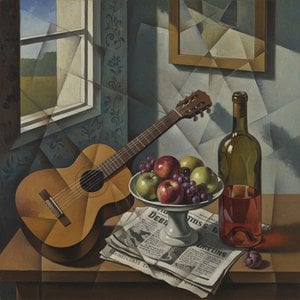
Deconstructing Reality: A Comprehensive Exploration of Cubist Still Life
Explore the revolutionary world of Cubist Still Life with ArtsDot. Discover Picasso & Braque's groundbreaking techniques, its philosophical roots, and lasting impact on modern art. Expert insights for collectors.

The Bountiful Still Life: Symbolism & Artistic Representation of Fruit Across Art History
Explore the rich history of still life painting & the symbolism of fruit across art movements. Discover masterpieces from Caravaggio to Cézanne with ArtsDot – expert guidance & museum-quality reproductions.

ჟორჟ ბრაკის 25 შედევრი: ხელოვნების ისტორიაში გამორჩეული ნაწარმოებები | ArtsDot.com
გაიცანით ჟორჟ ბრაკის 25 გამორჩეული შედევრი! კუბიზმის ისტორია, ფერწერის სტილი და ხელოვნების უნიკალური სამყარო ArtsDot.com-ზე. ნახატების რეპროდუქციები თქვენი სახლისთვის - ექსკლუზიური დეკორი და ინტერიერის იდეები. აღმოაჩინეთ მთელი კოლექცია ონლაინ!


