

 წინასწარი ნახვა
 გაგზავნა
 გაზიარება
 დეტალები
 გზამკვლევი

 ჩამოტვირთვა
 მსგავსები
 რენტგენოგრაფიული კვლევა
 სლაიდშოუ
 კითხვა-პასუხი
 სტატისტიკა
The Three Boats

- 24.0 x 35.0 cm


 გააგრძელეთ კითხვა
მიიღეთ ბეჭდვისთვის გამზადებული ფაილი, რომლის ხარისხიც ბევრად აღემატება ვებ-პრევიუსს. ჩვენს ბაზაში არსებული ყველა ციფრული გამოსახულება ეყრდნობა მაღალი რეზოლუციის ორიგინალს — როგორც წესი, 5,000-დან 15,000 პიქსელამდე სიგანის — რაც საშუალებას გაძლევთ, თავდაჯერებულად დაამბოროთ დიდი ზომის ბეჭდვა, მოახდინოთ ფრაგმენტის მჭიდროდ გამოჭრა ან აღადგინოთ ნატიფი დეტალები.
ჩვენს სტუდიაში არცერთი ფაილი შეუმჩნევლად არ რჩება. ციფრული ექსპერტი ადარებს ფერებს ორიგინალ ნახატს და საჭიროების შემთხვევაში ასწორებს მათ, შემდეგ კი პროფესიონალური რეტუშირების ინსტრუმენტებით აუმჯობესებს სიცხადესა და დეტალიზაციას — ყოველთვის ოსტატის ფუნჯის მონაკვეთებისა და სტილის ერთგულებით. შედეგი არის გამოსახულება, რომელიც ნამდვილ ნახატს ჰგავს და არა ფილტრებულ სკანირებას.
თქვენ აკონტროლებთ პროცესს მის დასრულებამდე: ჩვენი ექსპერტი 72 საათის განმავლობაში გამოგიგზავნით გამოსახულებას ელექტრონული ფოსტით გადასასინჯად. არ დაკმაყოფილებული? მოითხოვეთ ცვლილებები ან შესწორებები, ან მოითხოვეთ თანხის დაბრუნება, თუ ხარისხი თქვენს მოლოდინს ვერ შეესაბამება.
ეს არის ხარისხი, რომელსაც ენდობიან გამომცემლობები, დიზაინ სტუდიები, გალერეები და அச்சგამოცემები.
ციფრული გამოსახულება
ჩამოტვირთეთ მაღალი გარჩევადობის ფაილი პირადი გამოყენებისთვის, დასაბეჭდად და შემოქმედებითი პროექტებისთვის. ( ბეჭდვის რეჟიმზე გადართვა შეიძინეთ ხელით შესრულებული ნახატი)
ყოველ ციფრულ გამოსახულების შეკვეთაში შედის
ექსპერტული ციფრული მიწოდების გარანტია
როდესაც ირჩევთ ArtsDot.com-ს, თქვენ მხოლოდ სურათს კი არ იღებთ, არამედ იღებთ პროფესიონალურად დამუშავებულ ციფრულ ნამუშევარს, რომელიც შექმნილია უზადო სიზუსტით და დაცულია კმაყოფილების გარანტიით. თქვენს შეკვეთას ავტომატურად მოჰყვება შემდეგი:

სწრაფი ელექტრონული მიწოდება
თქვენს მაღალი რეზოლუციის ციფრულ გამოსახულებას შეკვეთის დაწყებიდან 72 საათში ელექტრონული ფოსტით მიიღებთ — ის მზად იქნება დაუყოვნებლივი გამოყენებისთვის.

ხელოვნური ინტელექტით გაუმჯობესებული ციფრული გამოსახულება
თქვენი ხელოვნების ნიმუშები პროფესიონალურად არის ოპტიმიზებული მოწინავე AI ინსტრუმენტებისა და მექანიკური რედაქტირების მეშვეობით, რაც უზრუნველყოფს მაქსიმალურ დეტალიზაციას, სიცხადესა და ფერების სიზუსტეს.

ციფრული გამოსახულებების უფასო სამუდამო ხელახალი მიღება
ფაილი შემთხვევით წაიშალა ან დაკარგეთ? ნუបედავთ — ჩვენ მას ნებისმიერ დროს, უფასოდ ხელახლა გამოგეგზავნით.

იმპორტის გადასახადების გარეშე — ყოველთვის
ჭიდად ისიამოვნეთ თქვენი ნამუშევრით მყისიერად, საბაჟო გადასახადის, მოსაკრებლის ან მიწოდების ხარჯის გარეშე - ციფრული ჩამტვირთვისას ყოველთვის საგადასახადო თავისუფლებაა.

ფერების სიზუსტის გარანტია
პროფესიონალური ინსტრუმენტებისა და ფერების მართვის სისტემის გამოყენებით, ჩვენ უზრუნველყოფთ, რომ თქვენი ციფრული გამოსახულება მაქსიმალურად ზუსტად ასახავდეს ორიგინალურ ფერებს.

კმაყოფილების 100-დღიანი გარანტია
თუ თქვენ არ დაკმაყოფილებული ხართ თქვენი ციფრული გამოსახულებით, ჩვენ შევიტანთ მასში ცვლილებებს ან დაგიბრუნებთ 100% თანხას 100 დღის განმავლობაში — ყოველგვარი კითხვის დასმევის გარეშე.

100% თანხის დაბრუნების გარანტია
არ არის კმაყოფილი? მიიღეთ თანხის სრული დაბრუნება ციფრული ფაილის მიღებიდან 100 დღის განმავლობაში — ყოველგვარი დამატებითი კითხვების გარეშე.

ფასდაკლება დიდი რაოდენობით შეკვეთაზე
შეიძინეთ 3 გამოსახულება და მიიღეთ 10% ფასდაკლება - შეიძინეთ 5 და მიიღეთ 15% ფასდაკლება - შეიძინეთ 10+-ზე და მიიღეთ 20% ფასდაკლება. იდეალურია კრეატიული პროექტებისთვის, გალერეებისა და სააგენტოებისთვის.
A Stormy Vision of the Coastline
Georges Braque’s “The Three Boats” (1929) isn't merely a depiction of a coastal scene; it’s an immersion into a mood, a palpable sense of drama and isolation. Painted during a pivotal period in his artistic evolution, this oil on canvas captures the raw power of nature against a backdrop of muted blues and greys – colors that speak of impending storm or a lingering twilight. The composition immediately draws the eye to the turbulent sea, dominated by three small boats seemingly adrift amidst the churning waves. These aren’t idyllic vessels; they are humble craft, vulnerable yet resilient, hinting at the lives inextricably linked to this rugged coastline.
The painting's strength lies not in photographic realism but in Braque’s masterful manipulation of form and color. He employs a distinctly Expressionist approach, prioritizing emotional impact over precise detail. The boats themselves are rendered with simplified geometric shapes – rectangles and ovals – that contribute to the overall sense of dynamism and movement. The rocky shoreline is similarly abstracted, its jagged edges defined by bold, assertive lines. This deliberate flattening of perspective creates an almost theatrical stage for the drama unfolding before us.
Cubism’s Echoes and a Shift in Perspective
“The Three Boats” firmly resides within the burgeoning world of Cubism, though it moves beyond its purely analytical roots. Braque, alongside Pablo Picasso, was dismantling traditional notions of representation, fracturing objects into geometric components and presenting them from multiple viewpoints simultaneously. However, unlike some of Picasso’s more overtly intellectual explorations, Braque's work retains a strong connection to the natural world. He doesn’t simply dissect forms; he uses these fragmented shapes to evoke feeling – a sense of unease, perhaps, or the humbling power of the sea.
The painting’s historical context is crucial to understanding its significance. The 1920s were a time of rapid social and artistic change in Europe, marked by disillusionment after World War I and a growing interest in exploring subjective experience. Braque's work reflects this spirit of experimentation, pushing the boundaries of traditional art while retaining a deep appreciation for the beauty and power of the natural world.
Symbolism and Emotional Resonance
Beyond its formal qualities, “The Three Boats” is rich in symbolic meaning. The boats themselves can be interpreted as metaphors for human vulnerability and resilience – small vessels confronting the vastness and unpredictability of life. The stormy sky suggests challenges and uncertainties, while the quiet stillness of the shoreline offers a hint of solace or contemplation. The limited color palette—primarily blues, greys, and browns—reinforces this sense of melancholy and introspection.
Braque’s use of thick impasto – applying paint in heavy layers – adds to the painting's tactile quality and emotional intensity. The visible brushstrokes create a sense of immediacy and energy, as if the artist himself was wrestling with the subject matter. The textured surface invites viewers to engage physically with the artwork, further enhancing its immersive effect.
A Timeless Masterpiece for Art Lovers
“The Three Boats” is more than just a painting; it’s an experience. It's a powerful evocation of coastal drama, rendered with Braque’s signature blend of geometric precision and expressive emotion. Whether you are an art enthusiast, a collector seeking to enrich your collection, or an interior designer searching for a captivating piece to complement your space, this work offers a timeless appeal. Reproductions capture the essence of this dramatic scene, bringing its evocative power into any setting.
კითხვები და პასუხები
რა სივრცეა რეკომენდებული ჟორჟ ბრაკი-ის „The Three Boats“-ისთვის?
ჟორჟ ბრაკი-ის „The Three Boats“ რეკომენდებულია Living Room-ისთვის. ეს შეფასება ეფუძნება ნამუშევრის თემატიკას, ფერებსა და განწყობას.
რომელი მხატვარი და რომელი სტილი დგას „The Three Boats“-ის უკან?
"The Three Boats"-ის შემოქმედებაში ვხედავთ ჟორჟ ბრაკი-ს და Cubism მიმდევრობას.
რა გამოყენებაა რეკომენდებული ჟორჟ ბრაკი-ის „The Three Boats“-ისთვის?
ჟორჟ ბრაკი-ის „The Three Boats“-ის რეპროდუქცია რეკომენდებულია Statement-ისთვის. ეს რჩევა ეფუძნება ნამუშევრის შინაარსს, განწყობასა და ფერებს.
დაკავშირებული ნამუშევრები


მხატვრის ბიოგრაფია
Early Life, Family and Training
Georges Braque was born in Argenteuil, France, in 1882. His early years were spent in Le Havre, France, within a household defined by the practicalities of decoration and color. Growing up in a family of house painters and decorators, he was immersed in the tactile realities of his trade from a young age. This upbringing provided a foundation of technical craftsmanship that would later inform his approach to the canvas.
Before pursuing the fine arts, he followed the established path of his kin by apprenticing as a house painter and decorator. This period of manual labor instilled in him a specific understanding of materials and the physical properties of surfaces. Such practical training offered a grounded perspective on how pigments interact with different textures, a sensibility that would eventually distinguish his later experiments with materiality.
The transition from trade to formal study took him to Paris in 1902. It was there that he continued his studies at the Académie Humbert, seeking to refine his innate inclinations through academic discipline. This period of formal instruction provided the necessary structure for his developing vision, bridging the gap between the manual application of paint and the intellectual pursuit of composition.
The Fauvist Period and Cézanne's Influence
The early years of Braque's career were shaped by the lingering shadows of Impressionism and Post-Impressionism. His initial explorations sought to capture the fleeting qualities of light and atmosphere, yet a deeper structural hunger began to emerge. By 1905, he turned toward the principles of Fauvism, embracing a more intense and non-naturalistic use of color to convey emotion. This period was marked by a departure from mere observation, as he began to prioritize the expressive power of the palette over the literal depiction of his subjects.
This newfound coloristic freedom found a necessary anchor in the work of Paul Cézanne. Braque found himself drawn to the way Cézanne utilized firm structures and a deliberate approach to color to organize the visual field. It was this intersection of Fauvist color and Cézannian geometry that would define his transition into a more radical mode of seeing. He sought to reconcile the emotional intensity of his colors with a sense of architectural permanence.
The results of this synthesis are visible in his 1908 work, Houses at L'Estaque. In this piece, the landscape is no longer a collection of soft impressions but a series of colorful, tilted planes and geometric shapes. The influence of Cézanne is unmistakable here, as the terrain is reduced to its essential volumes. He began to dismantle the traditional perspective of the landscape, replacing it with a fragmented, structured reality that prioritized the underlying form of the world.
The Development of Cubism
Between 1907 and 1914, Paris became the site of a profound visual restructuring through the collaboration of Georges Braque and Pablo Picasso. This partnership moved beyond the emotional intensity of Fauvism toward a more cerebral investigation of form. They developed Analytical Cubism, a method that dissected objects into fragmented geometric shapes. Rather than attempting to replicate the illusion of three-dimensional space, they sought to represent the totality of an object by presenting multiple viewpoints simultaneously. This approach stripped away traditional perspective, replacing it with a complex arrangement of planes and lines.
By about 1912, the movement underwent a significant transition into Synthetic Cubism. This phase moved away from the dissection of forms and toward the construction of new images through the assembly of diverse elements. Braque was a primary innovator in this shift, having created the first papier collé by attaching wallpaper to a drawing. This act of gluing physical materials onto the surface challenged the boundaries of the canvas, asserting the painting as an autonomous object rather than a window into another world. His work during this period focused on the relationship between representation and the tangible reality of the materials used.
- Houses at L'Estaque (1908)
- Man with a Guitar (1911)
- Fruit Dish and Glass (1912)
Technique and Artistic Innovation
Braque’s approach to the canvas was defined by a restless curiosity regarding the physical properties of his materials. He moved beyond the traditional boundaries of oil painting by introducing elements that challenged the illusion of depth. By incorporating real-world materials such as newspaper clippings, wallpaper, and fabric, he disrupted the singular perspective of the picture plane. This experimentation led to the development of papier collé, a method of pasting paper that allowed him to integrate the textures of everyday life directly into his compositions. He sought to bridge the gap between the painted image and the tangible object.
His technical repertoire was marked by a tactile, almost sculptural sensibility. He frequently blended pigments with sand to alter the surface texture, creating a grit that caught the light in unexpected ways. To further manipulate the viewer's perception of space and materiality, he experimented with copying the visual patterns of wood grain and marble. This was not merely a decorative choice but a way to explore how different surfaces interact with light and form. He also utilized stenciled letters on his works, a technique that added a layer of graphic dimension and helped anchor the composition within a modern, legible reality.
- Fruit Dish and Glass (1912)
- Violin and Pipe (1912)
- Clarinet and Bottle of Rum on the Mantlepiece (1912)
War and Stylistic Evolution
The outbreak of World War I in 1914 brought a sudden, violent interruption to the intellectual rigor of the Cubist movement. Braque was called up for military service, a period that would fundamentally alter both his physical well-being and his creative temperament. In 1915, he sustained a serious head wound in the trenches, an injury that resulted in temporary blindness and required a trepanation to recover his sight. This brush with darkness forced a shift in his perception. The rigid, analytical structures that had defined his earlier years began to soften, replaced by a more personal and lyrical approach to his subjects.
Upon his return from the war, the strict geometric constraints of his previous collaboration with Picasso were no longer his sole concern. His style evolved to incorporate elements of classical composition, seeking a sense of balance and harmony that felt more grounded in the physical world. He moved away from the purely intellectual dissection of form, embracing a more nuanced and contemplative way of seeing. His work became less about the fragmentation of space and more about the quiet, serene atmosphere of the objects themselves.
- Still Life with Playing Cards (1919)
Key Works and Notable Pieces
The trajectory of Braque's career is marked by specific compositions that signal his shifts in thought and technique. In 1908, Houses at L'Estaque emerged, utilizing colorful, tilted planes and geometric shapes that reflected a departure from traditional perspective. This period of experimentation continued into 1910 with Violin and Palette, a work that utilized paper and mixed media to study how color interacts with form. By 1911, his focus moved toward the dissection of space in Man with a Guitar, a piece that exemplifies the analytical approach he developed alongside his contemporaries.
As his methods evolved, the introduction of new materials changed the texture of his canvases. The 1912 work Fruit Dish and Glass demonstrated the transition into a style where recognizable subject matter was reincorporated through the use of collage. Even after the disruptions of war, his output maintained a connection to his earlier investigations. The Musician, created in 1918, reflects a period of personal transition, while his much later 1955 painting, Two Birds, shows a continued interest in the fundamental properties of his chosen subjects.
- Mandola (1910)
- Still life with harp and violin (1912)
- Guitar (1913)
- Still Life with Playing Cards (1919)
Legacy and Enduring Impact
By the time of his death on August 31, 1963, Georges Braque had fundamentally altered the understanding of how we perceive and represent the world. As a co-founder of the Cubism movement, he helped dismantle the long-held reliance on traditional perspective, replacing it with a fragmented, multi-dimensional reality. His work moved beyond mere imitation of nature, seeking instead to capture the essence of objects through a rigorous study of form and space. This shift forced a permanent change in the visual language of the twentieth century.
His influence on subsequent generations of artists remains immeasurable. By introducing papier collé and integrating everyday materials into his compositions, he bridged the gap between the canvas and the tangible world. This innovation challenged the boundaries of what a painting could be, paving the way for future explorations into texture and materiality. Even as his style evolved toward more lyrical and serene themes in his later years, the structural integrity of his Cubist foundations remained a constant presence in his output.
- Houses at L'Estaque
- Man with a Guitar
- Fruit Dish and Glass
- Violin and Pipe
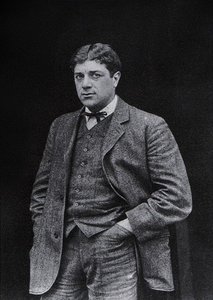
ჟორჟ ბრაკი
1882 - 1963 , საფრანგეთი
მოკლე ინფორმაცია
- Artistic Movement Or Style:
- ფავიზმი
- კუბიზმი
- ანალიტიკური კუბიზმი
- სინთეზური კუბიზმი
- Artists Or Movements Influenced By This Artist: ['მოდერნისტული ხელოვნება']
- Artists Who Influenced This Artist:
- ენრი მატისი
- ანდრე დერენი
- პოლ სეზანი
- Date Of Birth: 1882
- Date Of Death: 1963
- Full Name: ჟორჟ ბრაკე
- Nationality: ფრანგი
- Notable Artworks:
- სახლები ლესტაკზე
- მესტამროება
- სკრული და პალიტრა
- მანდოლა
- Place Of Birth: არგენტეი, საფრანგეთი