

 წინასწარი ნახვა
 გაგზავნა
 გაზიარება
 დეტალები
 გზამკვლევი

 ჩამოტვირთვა
 მსგავსები
 რენტგენოგრაფიული კვლევა
 სლაიდშოუ
 კითხვა-პასუხი
 სტატისტიკა
The Red Dahlia


 გააგრძელეთ კითხვა
ამ გვერდზე წარმოდგენილი ნამუშევარი დაცულია საავტორო უფლების შესახებ კანონმდებლობით, რაც იმას ნიშნავს, რომ ჩვენ არ გვაქვს მისი იდენტური რეპროდუქციის შექმნის ან გაყიდვის სამართლებრივი უფლება. აღნიშნული დაცვა უზრუნველყოფილია ისეთი საერთაშორისო შეთანხმებებით, როგორიცაა ბერნის კონვენცია და ეროვნული კანონმდებლობით, მათ შორის იმ კანონებით, რომლებიც დეტალურად არის გაწერილი აშშ-ის საავტორო უფლების შესახებ კანონი - თავი 17.
ეს მეთოდი სრულად შეესაბამება საავტორო უფლებების რეგულაციებს, რადგან ის არ გულისხმობს დაცული ნამუშევრის კოპირებას ან დუბლირებას. ამგვარად, ეს წარმოადგენს შემოქმედებით რეინტერპრეტაციას — ახალ ნახატს, რომელიც შთაგონებითაა განპირობებული ორიგინალით, თუმცა არ არის მის იდენტურ ასლს.
გიკლე / ხელოვნების პრინტი
მუზეუმის დონის ჟიკლე ან ტილოზე ბეჭდვა სწრაფი წარმოებისა და დასრულების მოქნილი ვარიანტებით. ( შეიძინეთ ხელით შესრულებული ნახატი გადართვა ციფრულ გამოსახულებაზე)




P118B ₾10

P118H ₾10

P118W ₾10

P438Z ₾10

P508JH ₾12

P508YH ₾12

P805H ₾10

P805Z ₾10

P919BZ ₾10

P919G ₾10

P919XJ ₾10

P959ZH ₾10

P968JZ ₾12

W106C ₾8

W218G ₾10

W218JH ₾8

W218Y ₾10

W307PJ ₾10

W316G ₾10

W316PJ ₾8

W316Y ₾10

W398PJ ₾8

W4111J ₾10

W500HY ₾15

W500JH ₾15

W692G ₾12

W849H ₾8

W940BG ₾15

W953PJ ₾8




აირჩიეთ ჩვენს მიერ წინასწარ განსაზღვრული ზომებიდან, რომლებიც ნაწარმოების ორიგინალურ პროპორციებს შეესაბამება.

შეიყვანეთ თქვენთვის საჭირო სიგანე და სიმაღლე, რათა გამოსახულებამ თქვენს ჩარჩოს ან კედელს ზუსტად მოერგოს. ბეჭდვისას შესაძლებელია მხოლოდ მისი შემცირება და არა გაზრდა, ამიტომ სხვა ფორმის ზომის შემთხვევაში სურათი ნაწილობრივ იკარგება. სანამ რაიმეს დაბეჭდავთ, ჩვენ გამოგიგზავნით ციფრულ მაკეტს დასდასტურებლად. ამ გვერდზე ნაჩვენები სურათი არ ასახავს რეალურ ჭრას — ამას მხოლოდ მაკეტი გვიჩვენებს.
მიწოდება მთელ მსოფლიოში () 2 კვირაში, სტანდარტული 4/5 კვირის ნაცვლად. (10 ნოემბერი)

უფასო ექსპრეს მიწოდება მთელ მსოფლიოში

მაღალი ხარისხის ტილოს ქსოვილი

ტრანსპორტირების სრული დაზღვევა

საბაჟო გადასახადების დაბრუნების გარანტია

ფერების სრული შესაბამისობის გარანტია

დაბრუნების 100-დღიანი პოლიტიკა (მხოლოდ დეფექტის შემთხვევაში)

100% თანხის სრული დაბრუნების გარანტია

ფასდაკლება დიდი რაოდენობით შეკვეთისას
 მინის ჩარჩოს არჩევანი შესაძლებელია მხოლოდ 110 სმ-მდე ზომისთვის

The Red Dahlia
გიკლე / ხელოვნების პრინტი
რეპროდუქციის ზომა
-


საბოლოო ღირებულება
₾ 164
Georges Braque’s ‘The Red Dahlia’: A Study in Cubist Still Life
Georges Braque's "The Red Dahlia," painted around 1910, stands as a pivotal work within the artist’s early explorations of Cubism. This deceptively simple still life – a vibrant bouquet of red flowers nestled within a luminous yellow vase – is far more than just a depiction of botanical beauty; it’s a meticulously constructed investigation into form, space, and perception, reflecting the radical shifts occurring in the art world at the turn of the 20th century. The painting's power resides not merely in its subject matter but in Braque’s masterful manipulation of perspective and his pioneering approach to representing three-dimensional objects on a two-dimensional surface.
- Cubist Principles: “The Red Dahlia” exemplifies the core tenets of early Cubism, particularly Analytical Cubism. Braque deliberately fragmented the vase and flowers into geometric shapes – planes of color rather than solid forms – presenting multiple viewpoints simultaneously. This technique challenges the viewer’s traditional understanding of space and representation, forcing a new way of seeing the world.
- Color as Structure: The deliberate juxtaposition of intense red against the cool yellow is not simply aesthetic; it's structural. Braque uses color to define planes and create depth within the composition, effectively dismantling the illusion of traditional perspective.
Technique and Materials – A Masterclass in Reduction
Braque’s technique in “The Red Dahlia” is characterized by a remarkable restraint and precision. Executed primarily in oil paints, the work demonstrates a meticulous layering process, building up color through thin glazes—a hallmark of his approach. The surface is remarkably smooth, achieved through careful brushwork and a deliberate avoidance of visible texture. This smoothness contributes to the painting’s almost photographic quality, despite its fundamentally abstract nature. The use of muted tones within the red and yellow further emphasizes their respective planes, creating a sense of quiet intensity.
- Glaze Technique: Braque's mastery of glazing—applying thin, transparent layers of paint over dried underlayers—allowed him to build up complex color relationships with remarkable subtlety.
- Geometric Precision: The sharp angles and precise lines defining the vase and flowers are a testament to Braque’s dedication to geometric form, a key element in his Cubist vocabulary.
Symbolism and Context – A Reflection of Modernity
“The Red Dahlia” was created during a period of immense artistic upheaval. Braque, along with Pablo Picasso, was at the forefront of a movement that sought to dismantle established conventions of representation. The red dahlia itself can be interpreted as a symbol of passion and vitality – qualities often associated with the dynamism of modern life. However, Braque’s focus isn't on romanticizing these emotions; rather, he uses the flower as a vehicle for exploring formal concerns. The painting reflects the broader intellectual currents of the time, influenced by thinkers like Henri Bergson who explored the subjective nature of perception and time.
- Early Cubism: The work is considered a crucial early example of Analytical Cubism, preceding the more complex Synthetic Cubism that would emerge later.
- Influence of Paul Cézanne: Braque’s interest in Cézanne's emphasis on geometric forms and his exploration of multiple viewpoints are clearly evident in “The Red Dahlia.”
Emotional Impact – A Quiet Intensity
Despite its intellectual rigor, "The Red Dahlia" possesses a surprising emotional resonance. The carefully balanced composition, the vibrant colors, and the precise execution evoke a sense of quiet contemplation. It’s a painting that invites the viewer to slow down, to observe closely, and to engage with the fundamental questions about how we perceive and represent reality. This reproduction offers an opportunity to experience Braque's groundbreaking vision firsthand, bringing this seminal work into your space and enriching your appreciation for modern art.
კითხვები და პასუხები
რომელ ხელოვანს მიეწერება "The Red Dahlia"?
„The Red Dahlia“ მიკუთვნებულია ჟორჟ ბრაკე-ს.
რა გრძნობას გადმოსცემს ჟორჟ ბრაკე-ის „The Red Dahlia“?
წარმოწერილში "The Red Dahlia" Elegant განწყობას Calm ემოცია ახლავს.
შესაძლებელია თუ არა „The Red Dahlia“-ის გადმოწერა?
„The Red Dahlia“-ის გადმოწერას შესაძლებელი ხდის ნამუშევრის ჩამოტვირთვა გვერდი, რომელიც გთავაზობთ მაღალი გარჩევადობის ციფრული გამოსახულების ჩამოტვირთვა.
დაკავშირებული ნამუშევრები


დაკავშირებული სტატიები

ჟორჟ ბრაკის 25 შედევრი: ხელოვნების ისტორიაში გამორჩეული ნაწარმოებები | ArtsDot.com
გაიცანით ჟორჟ ბრაკის 25 გამორჩეული შედევრი! კუბიზმის ისტორია, ფერწერის სტილი და ხელოვნების უნიკალური სამყარო ArtsDot.com-ზე. ნახატების რეპროდუქციები თქვენი სახლისთვის - ექსკლუზიური დეკორი და ინტერიერის იდეები. აღმოაჩინეთ მთელი კოლექცია ონლაინ!

Crimson Threads of Narrative: Exploring Symbolism & Representation in Artworks Featuring the Red Dress
Explore the rich symbolism of the red dress in art history! From ancient power displays to iconic portraits like Cézanne’s 'Madame Cezanne', discover the cultural and artistic significance behind this captivating color. Expert analysis & insights.
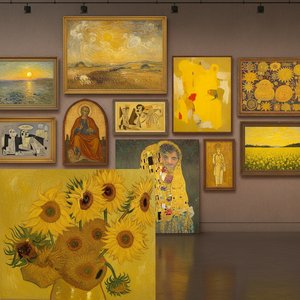
Golden Hues: 10 Masterpieces Dominated by Chrome Yellow | ArtsDot
Immerse yourself in golden light! Explore 10 famous paintings dominated by 'Chrome Yellow', from Van Gogh’s Sunflowers to Monet's Haystacks. Discover the stories behind these iconic Impressionist & Post-Impressionist masterpieces and find museum-quality art reproductions at ArtsDot.com.

The Enduring Legacy of Fine Art Prints: Technique, History & Aesthetic Impact
Explore the rich history & techniques of fine art prints. Discover investment potential, assess authenticity, and learn how to preserve your collection with expert guidance. Trusted insights for discerning collectors.

Giclée Prints: Archival Quality & Aesthetic Nuances for the Discerning Collector
Explore the world of giclée prints with ArtsDot. Learn about archival quality, aesthetic nuances & investment potential. Expert guidance for discerning art collectors seeking museum-quality reproductions and lasting value.


