


 ნახვა ინტერьерში
 გაგზავნა
 გაზიარება
 დეტალები
 გზამკვლევი

 ჩამოტვირთვა
 მსგავსები
 რენტგენოგრაფიული კვლევა
 სლაიდშოუ
 სტატისტიკა
Aquarium

 სრული ტექსტის ნახვა
ამ გვერდზე წარმოდგენილი ნამუშევარი დაცულია საავტორო უფლების შესახებ კანონმდებლობით, რაც იმას ნიშნავს, რომ ჩვენ არ გვაქვს მისი იდენტური რეპროდუქციის შექმნის ან გაყიდვის სამართლებრივი უფლება. აღნიშნული დაცვა უზრუნველყოფილია ისეთი საერთაშორისო შეთანხმებებით, როგორიცაა ბერნის კონვენცია და ეროვნული კანონმდებლობით, მათ შორის იმ კანონებით, რომლებიც დეტალურად არის გაწერილი აშშ-ის საავტორო უფლების შესახებ კანონი - თავი 17.
ეს მეთოდი სრულად შეესაბამება საავტორო უფლებების რეგულაციებს, რადგან ის არ გულისხმობს დაცული ნამუშევრის კოპირებას ან დუბლირებას. ამგვარად, ეს წარმოადგენს შემოქმედებით რეინტერპრეტაციას — ახალ ნახატს, რომელიც შთაგონებითაა განპირობებული ორიგინალით, თუმცა არ არის მის იდენტურ ასლს.
გიკლე / ხელოვნების პრინტი
მუზეუმის დონის ჟიკლე ან ტილოზე ბეჭდვა სწრაფი წარმოებისა და დასრულების მოქნილი ვარიანტებით. ( შეიძინეთ ხელით შესრულებული ნახატი გადასვლა ციფრულ გამოსახულებაზე)




P118B ₾10

P118H ₾10

P118W ₾10

P438Z ₾10

P508JH ₾12

P508YH ₾12

P805H ₾10

P805Z ₾10

P919BZ ₾10

P919G ₾10

P919XJ ₾10

P959ZH ₾10

P968JZ ₾12

W106C ₾8

W218G ₾10

W218JH ₾8

W218Y ₾10

W307PJ ₾10

W316G ₾10

W316PJ ₾8

W316Y ₾10

W398PJ ₾8

W4111J ₾10

W500HY ₾15

W500JH ₾15

W692G ₾12

W849H ₾8

W940BG ₾15

W953PJ ₾8




აირჩიეთ ჩვენს მიერ წინასწარ განსაზღვრული ზომებიდან, რომლებიც ნაწარმოების ორიგინალურ პროპორციებს შეესაბამება.

შეიყვანეთ თქვენთვის საჭირო სიგანე და სიმაღლე, რათა იგი მოერგოს თქვენს ჩარჩოს ან კედელს. ბეჭდვისას შესაძლებელია მხოლოდ მისი შემცირება და არა გაზრდა, ამიტომ სხვა ფორმის ზომის შემთხვევაში გამოსახულება ნაწილობრივ იკარგება. სანამ რაიმეს დაბეჭდავთ, ჩვენ გამოგიგზავნით ციფრულ მაკეტს დასდასტურებლად. ამ გვერდზე ნაჩვენები სურათი არ ასახავს რეალურ ჭრას — ამას მხოლოდ მაკეტი გვიჩვენებს.
მიწოდება მთელ მსოფლიოში () 2 კვირაში, სტანდარტული 4/5 კვირის ნაცვლად. (24 ოქტომბერი)

უფასო ექსპრეს მიწოდება მთელ მსოფლიოში

მაღალი ხარისხის ტილო

ტრანსპორტირების სრული დაზღვევა

საბაჟო გადასახადების დაბრუნების გარანტია

ფერების სრული შესაბამისობის გარანტია

დაბრუნების 100-დღიანი პერიოდი (მხოლოდ წარმოების დეფექტის შემთხვევაში)

100% თანხის სრული დაბრუნების გარანტია

ფასდაკლება დიდი რაოდენობით შეკვეთისას
 მინის ჩარჩოს არჩევანი ხელმისაწვდომია მხოლოდ 110 სმ-მდე ზომისთვის

Aquarium
გიკლე / ხელოვნების პრინტი
რეპროდუქციის ზომა
-


ჯამური ღირებულება
₾ 162
A Submerged World: Decoding Braque’s ‘Aquarium’
Georges Braque’s ‘Aquarium’ is a captivating departure from his more celebrated Cubist works, offering a glimpse into a dreamlike realm of fluid forms and subtle symbolism. This piece, created sometime during his prolific career (1882-1963), showcases a softer, more intuitive side of the artist, hinting at influences beyond the rigid structures he helped pioneer. While lacking definitive dating or size information, its impact lies in its evocative power and unique stylistic blend.Subject & Composition: A Dance of Forms
The artwork presents a surreal underwater scene – though ‘aquarium’ feels almost too contained for its expansive quality. Rather than literal depictions of fish, we encounter stylized, fragmented creatures swirling within layered circular compositions. These forms aren't sharply defined; they bleed into one another, creating a sense of movement and instability. The composition is deliberately chaotic yet balanced, drawing the eye across the canvas in a continuous flow. The layering suggests depth despite the flattened perspective, evoking the shimmering distortions experienced when looking *through* water.Style & Technique: Echoes of Surrealism & Fauvism
‘Aquarium’ demonstrates Braque's versatility beyond Cubism. While echoes of his analytical approach to form remain – particularly in the fragmented figures – the work leans heavily towards Abstract Expressionism and Surrealism. The loose brushstrokes, achieved through wet-on-wet watercolor application, allow colors to mingle and blend organically. This technique creates soft edges and atmospheric effects, contributing to the ethereal quality of the piece. The use of ink adds definition and a slightly distressed texture, suggesting spontaneity and an uninhibited creative process. It’s also possible to see faint traces of his earlier Fauvist explorations in the bold, though somewhat dissonant, color palette.Color & Atmosphere: A Shifting Palette
The color scheme is complex and intriguing. Warm yellows dominate the lower portion of the painting, perhaps representing a sunlit surface or shallow waters. This transitions into cooler blues and browns in the upper sections, suggesting deeper, more mysterious depths. The diffused lighting – lacking strong highlights or shadows – further enhances the dreamlike atmosphere. The overall effect is one of gentle luminescence, as if viewing the scene through a hazy filter.Symbolism & Interpretation: Beneath the Surface
While open to individual interpretation, the fish-like forms within ‘Aquarium’ likely carry symbolic weight. Fish have long represented transformation, adaptability, and the subconscious mind. Their fragmented nature could suggest a sense of dissolution or the fluidity of identity. The circular shapes themselves are often associated with cycles, wholeness, and eternity. The artwork invites contemplation on themes of inner life, hidden emotions, and the mysteries that lie beneath the surface.Historical Context & Braque’s Evolution
Georges Braque was a pivotal figure in 20th-century art, best known as the co-creator of Cubism alongside Pablo Picasso. However, his artistic journey was far from static. ‘Aquarium’ represents a moment of exploration outside the strict confines of Cubist principles. It demonstrates his willingness to experiment with different styles and techniques throughout his career, showcasing a lifelong commitment to innovation and pushing the boundaries of artistic expression. This work offers valuable insight into Braque's broader artistic range and his enduring fascination with form, color, and emotion.Emotional Impact & Interior Design
‘Aquarium’ evokes a sense of tranquility mixed with subtle unease – a feeling of being lost in a beautiful, otherworldly space. Its fluid forms and soft colors create a calming yet stimulating visual experience. In an interior design context, this artwork would be particularly well-suited to spaces intended for relaxation or contemplation – bedrooms, meditation rooms, or living areas seeking a touch of artistic sophistication. Its abstract nature allows it to complement a wide range of décor styles, from modern minimalist to eclectic bohemian. A high-quality reproduction of ‘Aquarium’ would serve as a captivating focal point and a testament to the enduring legacy of Georges Braque.- Style: Abstract Expressionism, Surrealism
- Technique: Ink and Watercolor on Paper (Wet-on-wet application)
- Key Themes: Transformation, Subconscious, Fluidity, Dreamlike States
- Emotional Impact: Tranquility, Mystery, Contemplation
კითხვები და პასუხები
რამდენად მკვეთრია ფერები ნამუშევარში ჟორჟ ბრაკე-ის „Aquarium“?
სამ 작품ის „Aquarium“ ფერების ინტენსივობა არის Vivid. ინტენსივობა აღწერს, თუ რამდენად მკვეთრად ვლინდება ფერები.
არის თუ არა "Aquarium" ცნობილი Cubism მიმდევრობის ნამუშევარი?
ჟორჟ ბრაკე-ის „Aquarium“ შეფასებულია როგორც Recognized და მიეკუთვნება Cubism სტილის მიმდევრობას.
რა არის გამოსახული ჟორჟ ბრაკე-ის „Aquarium“-ში და რა განწყობას გადმოგვცემს იგი?
ჟორჟ ბრაკე-ის „Aquarium“-ში abstract forms, dreamlike scene, circular shapes, fish imagery, surreal composition, fluid movement, layered textures და შემოერწყმება Ethereal ატმოსფეროს.
მსგავსი ნამუშევრები


მხატვრის ბიოგრაფია
Early Life and Artistic Foundations
Georges Braque, born in Argenteuil, France, in 1882, embarked on a path deeply intertwined with the evolving landscape of modern art. His upbringing within a family of house painters and decorators instilled in him not only a technical mastery of materials but also an early appreciation for form and structure. Though initially following in his father’s trade, Braque's inherent artistic inclinations soon led him to formal training at the École des Beaux-Arts in Le Havre, marking the beginning of his journey toward becoming one of the most influential painters of the 20th century. This foundation—a blend of practical craftsmanship and academic study—would prove crucial as he later deconstructed and reimagined traditional artistic conventions.
Moving to Paris in 1902, Braque continued his studies at the Académie Humbert, immersing himself in the vibrant artistic milieu of the city. It was here that he encountered artists like Marie Laurencin and Francis Picabia, forging connections that would shape his early development. His initial works reflected the prevailing influences of Impressionism and Post-Impressionism, but a pivotal encounter with the bold colors and expressive freedom of Fauvism in 1905 ignited a new direction in his artistic exploration.
The Embrace of Fauvism and the Dawn of Cubism
Braque’s adoption of Fauvist principles—characterized by intense, non-naturalistic color and emotional expression—is vividly exemplified in paintings like The Patience. This period saw him working alongside artists such as Henri Matisse and André Derain, experimenting with vibrant palettes and simplified forms. However, Braque's engagement with Fauvism was not merely imitative; he infused it with a unique sensibility, tempering the movement’s unrestrained exuberance with a more restrained and analytical approach.
A turning point arrived in 1907 with his exposure to the retrospective exhibition of Paul Cézanne's work. Cézanne’s emphasis on geometric forms and multiple perspectives profoundly impacted Braque, setting the stage for his groundbreaking collaboration with Pablo Picasso. Beginning in 1908, these two artistic titans embarked on a period of intense intellectual exchange that would give birth to Cubism—a revolutionary movement that shattered traditional notions of representation.
Together, Braque and Picasso developed Analytical Cubism, dissecting objects into fragmented geometric shapes and presenting multiple viewpoints simultaneously. Works like Houses at L'Estaque demonstrate this early phase, showcasing a radical departure from conventional perspective and a focus on the underlying structure of forms. Their palette became deliberately muted, emphasizing form over color, as they sought to represent the totality of an object’s presence rather than merely its appearance.
Innovation Through Fragmentation and Collage
The partnership between Braque and Picasso continued to push the boundaries of artistic expression, leading to the development of Synthetic Cubism around 1912. This phase saw the introduction of collage—the incorporation of real-world materials such as newspaper clippings, wallpaper, and fabric into paintings. This innovation challenged the traditional hierarchy between painting and sculpture, blurring the lines between art and life.
Braque’s pioneering use of *papier collé* (pasted paper) marked a significant turning point in his artistic evolution. By integrating fragments of everyday objects into his compositions, he disrupted the illusionistic space of traditional painting and introduced a new level of materiality and texture. This technique not only expanded the formal possibilities of art but also reflected a growing interest in the relationship between representation and reality.
The outbreak of World War I in 1914 brought an interruption to this intense collaboration, as Braque was called upon for military service. His wartime experiences profoundly affected his artistic vision, leading him to explore more personal and lyrical themes in his post-war work.
Later Years and Enduring Legacy
Following the war, Braque’s style evolved beyond the strict confines of Cubism, incorporating elements of classical composition and a renewed interest in still life. While retaining the geometric influences that had defined his earlier work, he developed a more nuanced and contemplative approach to painting. His later landscapes and interiors are characterized by their serene atmosphere and subtle harmonies of color.
Throughout his career, Braque remained committed to exploring the fundamental principles of form, space, and representation. He continued to experiment with different materials and techniques, pushing the boundaries of artistic expression until his death in 1963. His influence on subsequent generations of artists is immeasurable, shaping the course of modern art and inspiring countless painters, sculptors, and collagists.
Georges Braque’s legacy extends beyond his individual artworks; he fundamentally altered our understanding of how we perceive and represent the world around us. His collaborative spirit with Picasso, coupled with his own unique artistic vision, cemented his place as a true pioneer of modern art—a master who dared to challenge conventions and redefine the possibilities of painting.
Influences and Notable Works
- Influenced By: Henri Matisse, André Derain, Paul Cézanne
- Key Works: Houses at L'Estaque, The Patience, Violin and Palette, Mandola
- Impact on Art History: Revolutionized 20th-century art through Cubism; challenged traditional notions of perspective and representation.

ჟორჟ ბრაკე
1882 - 1963 , საფრანგეთი
მოკლე ფაქტები
- Artistic Movement Or Style: კუბიზმი და ფავიზმი
- Artists Or Movements Influenced By This Artist: ['პროცედების დ სიცნობისთვის და კუბიზმი']
- Artists Who Influenced This Artist:
- ჰენრი მატის და სსრფ.
- პაბლო პიკასო და სსრფ.
- Date Of Birth: 13 მაისი 1882 წ.
- Date Of Death: 1963 წ.
- Full Name: Georges Braque
- Nationality: ფრანგილია
- Notable Artworks:
- სახლები ლესტაკზე
- procédés დ სიცნობისთვის
- ვიოლინა და პალეტი
- მანდოლა
- Place Of Birth: არგენტეუილი სსრფ.
მსგავსი სტატიები

ჟორჟ ბრაკის 25 შედევრი: ხელოვნების ისტორიაში გამორჩეული ნაწარმოებები | ArtsDot.com
გაიცანით ჟორჟ ბრაკის 25 გამორჩეული შედევრი! კუბიზმის ისტორია, ფერწერის სტილი და ხელოვნების უნიკალური სამყარო ArtsDot.com-ზე. ნახატების რეპროდუქციები თქვენი სახლისთვის - ექსკლუზიური დეკორი და ინტერიერის იდეები. აღმოაჩინეთ მთელი კოლექცია ონლაინ!

შექსտროფული გამოხატვის აბსტრაქციზმის 10 შედევრი: ხელოვნება თქვენი სახლისთვის
აღმოფრთოვანდით აბსტრაქტული გამოხატვისმანიერიზმის 10 უმშვენიერეს შედევრთან! ვასელის, პოლ locks-ის და სხვა ცნობილი მხატვრების ისტორიები. შეიძინეთ მაღალი ხარისბის ხელოვნების რეპროდუქციები ArtsDot.com-ზე და შეცვალეთ თქვენი სახლი!

ჟორჟ პიერ სეურას 25 საუკეთესო შედევრი: ფერების სიმფონია თქვენს სახლში | ArtsDot.com
გაიცანით ჟორჟ სეურას 25 საუკეთესო შედევრი! პუანტილიზმის გენიოსი, იმპრესიონიზმის ფერები და XIX საუკუნის ხელოვნების სიმდიდრე. შეიძინეთ უმაღლესი ხარისხის რეკრეაციები ArtsDot.com-ზე და შექმნით თქვენი სახლისთვის განსაკუთრებული ინტერიერი. აღმოაჩინეთ სეურას მთელი კოლექცია ონლაინ!

Kandinsky's Masterpieces: 25 Paintings That Define Abstract Art | ArtsDot
Journey through Wassily Kandinsky's 25 most iconic abstract paintings. Explore his revolutionary use of color, form & spiritual expressionism. Find museum-quality Kandinsky reproductions and elevate your home decor with ArtsDot.com. Discover all masterpieces on ArtsDot.com!
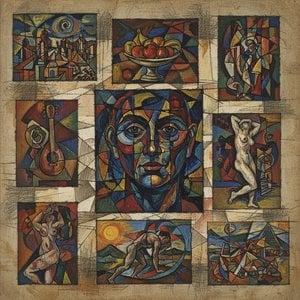
Cubist Expressionism's 10 Defining Masterpieces | Art for Your Home
Explore 10 defining Cubist Expressionism masterpieces by Picasso, Braque & more. Discover the stories behind these bold, geometric paintings and bring museum-quality art to your home with ArtsDot.com. Explore the full collection online.


