

 წინასწარი ნახვა
 გაგზავნა
 გაზიარება
 დეტალები
 გზამკვლევი

 ჩამოტვირთვა
 მსგავსები
 რენტგენოგრაფიული კვლევა
 სლაიდშოუ
 კითხვა-პასუხი
 სტატისტიკა
metropolis


 გააგრძელეთ კითხვა
ამ გვერდზე წარმოდგენილი ნამუშევარი დაცულია საავტორო უფლების შესახებ კანონმდებლობით, რაც იმას ნიშნავს, რომ ჩვენ არ გვაქვს მისი იდენტური რეპროდუქციის შექმნის ან გაყიდვის სამართლებრივი უფლება. აღნიშნული დაცვა უზრუნველყოფილია ისეთი საერთაშორისო შეთანხმებებით, როგორიცაა ბერნის კონვენცია და ეროვნული კანონმდებლობით, მათ შორის იმ კანონებით, რომლებიც დეტალურად არის გაწერილი აშშ-ის საავტორო უფლების შესახებ კანონი - თავი 17.
ეს მეთოდი სრულად შეესაბამება საავტორო უფლებების რეგულაციებს, რადგან ის არ გულისხმობს დაცული ნამუშევრის კოპირებას ან დუბლირებას. ამგვარად, ეს წარმოადგენს შემოქმედებით რეინტერპრეტაციას — ახალ ნახატს, რომელიც შთაგონებითაა განპირობებული ორიგინალით, თუმცა არ არის მის იდენტურ ასლს.
გიკლე / ხელოვნების პრინტი
მუზეუმის დონის ჟიკლე ან ტილოზე ბეჭდვა სწრაფი წარმოებისა და დასრულების მოქნილი ვარიანტებით. ( შეიძინეთ ხელით შესრულებული ნახატი გადართვა ციფრულ გამოსახულებაზე)




P118B ₾10

P118H ₾10

P118W ₾10

P438Z ₾10

P508JH ₾12

P508YH ₾12

P805H ₾10

P805Z ₾10

P919BZ ₾10

P919G ₾10

P919XJ ₾10

P959ZH ₾10

P968JZ ₾12

W106C ₾8

W218G ₾10

W218JH ₾8

W218Y ₾10

W307PJ ₾10

W316G ₾10

W316PJ ₾8

W316Y ₾10

W398PJ ₾8

W4111J ₾10

W500HY ₾15

W500JH ₾15

W692G ₾12

W849H ₾8

W940BG ₾15

W953PJ ₾8




აირჩიეთ ჩვენს მიერ წინასწარ განსაზღვრული ზომებიდან, რომლებიც ნაწარმოების ორიგინალურ პროპორციებს შეესაბამება.

შეიყვანეთ თქვენთვის საჭირო სიგანე და სიმაღლე, რათა გამოსახულებამ თქვენს ჩარჩოს ან კედელს ზუსტად მოერგოს. ბეჭდვისას შესაძლებელია მხოლოდ მისი შემცირება და არა გაზრდა, ამიტომ სხვა ფორმის ზომის შემთხვევაში სურათი ნაწილობრივ იკარგება. სანამ რაიმეს დაბეჭდავთ, ჩვენ გამოგიგზავნით ციფრულ მაკეტს დასდასტურებლად. ამ გვერდზე ნაჩვენები სურათი არ ასახავს რეალურ ჭრას — ამას მხოლოდ მაკეტი გვიჩვენებს.
მიწოდება მთელ მსოფლიოში () 2 კვირაში, სტანდარტული 4/5 კვირის ნაცვლად. (15 ნოემბერი)

უფასო ექსპრეს მიწოდება მთელ მსოფლიოში

მაღალი ხარისხის ტილოს ქსოვილი

ტრანსპორტირების სრული დაზღვევა

საბაჟო გადასახადების დაბრუნების გარანტია

ფერების სრული შესაბამისობის გარანტია

დაბრუნების 100-დღიანი პოლიტიკა (მხოლოდ დეფექტის შემთხვევაში)

100% თანხის სრული დაბრუნების გარანტია

ფასდაკლება დიდი რაოდენობით შეკვეთისას
 მინის ჩარჩოს არჩევანი შესაძლებელია მხოლოდ 110 სმ-მდე ზომისთვის

metropolis
გიკლე / ხელოვნების პრინტი
რეპროდუქციის ზომა
-


საბოლოო ღირებულება
₾ 164
A Chronicle of Urban Decay: George Grosz's "Metropolis"
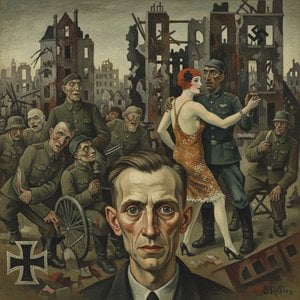
George Grosz’s “Metropolis” is not merely a depiction of a city street; it’s a raw, unflinching diagnosis of societal malaise rendered with the brutal honesty only a disillusioned artist can possess. Painted by a man deeply scarred by the turbulent realities of his time – the Weimar Republic and the looming shadow of fascism – this large-scale artwork pulsates with an unsettling energy, capturing the frenetic pace and moral corruption that defined Berlin in the early 20th century. The scene unfolds as a chaotic ballet of humanity: figures jostle for space on a rain-slicked street, their faces etched with weariness and indifference, each lost within their own private anxieties. A solitary automobile, a symbol of burgeoning modernity and its potential for destruction, adds to the sense of unease, highlighting the disconnect between progress and human well-being.
The Artist's Vision: Grosz’s Satirical Legacy
Born in Berlin in 1893, George Grosz emerged as a pivotal figure in early 20th-century art, a satirist who relentlessly exposed the hypocrisy and decadence of Prussian society. His artistic journey began with meticulous studies of Dutch masters – Eduard von Grützner, to be precise – demonstrating a disciplined technical foundation before he deliberately shattered academic conventions. This deliberate rejection of traditional aesthetics fueled his signature style: jagged lines, distorted figures, and grotesque caricatures designed to shock and provoke. Grosz’s work wasn't simply observational; it was an active critique, born from personal experiences—his father’s death, his mother’s involvement with officers’ messes – immersing him in a world of militarism and rigid social structures that he would later dismantle through his art. The painting reflects this deeply rooted dissatisfaction, transforming the familiar cityscape into a stage for exposing its underlying rot.
Technique and Composition: A Study in Discomfort
The artwork’s impact is amplified by Grosz's masterful use of color and composition. Bold, saturated hues – predominantly dark browns, grays, and ochres – contribute to the painting’s oppressive atmosphere, mirroring the grim realities depicted. The figures are rendered with a deliberate lack of detail, emphasizing their anonymity and dehumanization. The crowded street is constructed using dynamic lines that converge towards vanishing points, creating a sense of disorientation and contributing to the overall feeling of unease. Grosz's technique – characterized by rapid brushstrokes and a somewhat loose application of paint – lends a raw, almost frantic energy to the scene, reflecting the anxieties of the era.
Symbolism and Emotional Resonance
"Metropolis" is laden with symbolic weight. The rain itself represents cleansing but also stagnation, washing away superficial appearances while failing to address deeper issues. The numerous pedestrians, each absorbed in their own thoughts or actions, symbolize the apathy and indifference that allowed social ills to flourish. The car, a symbol of technological advancement, becomes an emblem of destructive potential. Ultimately, the painting evokes a profound sense of alienation and despair – a feeling that resonates powerfully even today. It’s a stark reminder of the fragility of civilization and the ever-present threat of moral decay.
კითხვები და პასუხები
რამდენად მკვეთრია „metropolis“-ის ფერები?
ნამუშევრის "metropolis" ფერების სირთულე შეადგენს Clear Color Presence-ს, ხოლო ინტენსივობა — Vivid-ს.
შესაძლებელია თუ არა „metropolis“-ის გადმოწერა?
„metropolis“-ის გადმოწერას შესაძლებელი ხდის ნამუშევრის ჩამოტვირთვა გვერდი, რომელიც გთავაზობთ მაღალი გარჩევადობის ციფრული გამოსახულების ჩამოტვირთვა.
რომელ ხელოვანს მიეწერება "metropolis"?
„metropolis“ მიკუთვნებულია ჯორჯ გროსი-ს.
დაკავშირებული ნამუშევრები


დაკავშირებული სტატიები

ბერლინის სახელმწიფო მუზეუმების 25 შედევრი: ხელოვნების ისტორია თქვენს სახლში | ArtsDot
აღმოაჩინეთ ბერლინის სახელმწიფო მუზეუმების 25 უნიკალური შედევრი! ნეფერტიტის бюსტი, პერგამონის რელიეფები და სხვა ცნობილი ნახატები. ხელოვნების ისტორია, მხატვრები და ინტერიერის დიზაინის იდეები ArtsDot-ზე. Explore the full collection online!

George Breitner: Realism, Urban Life & the Poetics of Impermanence
Explore the life & art of George Breitner, a pivotal figure in Dutch realism. Discover his evocative paintings of Amsterdam street life, innovative techniques, and lasting influence on modern art. Learn more at ArtsDot.

Urban Visions: A Historical & Artistic Exploration of the Cityscape in Painting
Explore the evolution of cityscape painting from historical maps to Impressionist masterpieces. Discover artists like Caillebotte & Utrillo. Find museum-quality reproductions at ArtsDot.

The Architecture of the Crowd: Examining Human Presence in Urban Compositions
Explore the evolution of urban art from Caillebotte to modern street murals. Discover the pulse of the city through masterworks.
Otto Dix: Trauma, Society & Artistic Rebellion in Weimar Germany
Explore the powerful and unsettling art of Otto Dix, a key figure of Neue Sachlichkeit. Discover his unflinching depictions of Weimar Germany's trauma, society, and war through insightful analysis & iconic masterpieces.


