
 ნახვა ინტერьерში
 გაგზავნა
 გაზიარება
 დეტალები
 გზამკვლევი

 ჩამოტვირთვა
 მსგავსები
 რენტგენოგრაფიული კვლევა
 სლაიდშოუ
 კითხვა-პასუხი
 სტატისტიკა
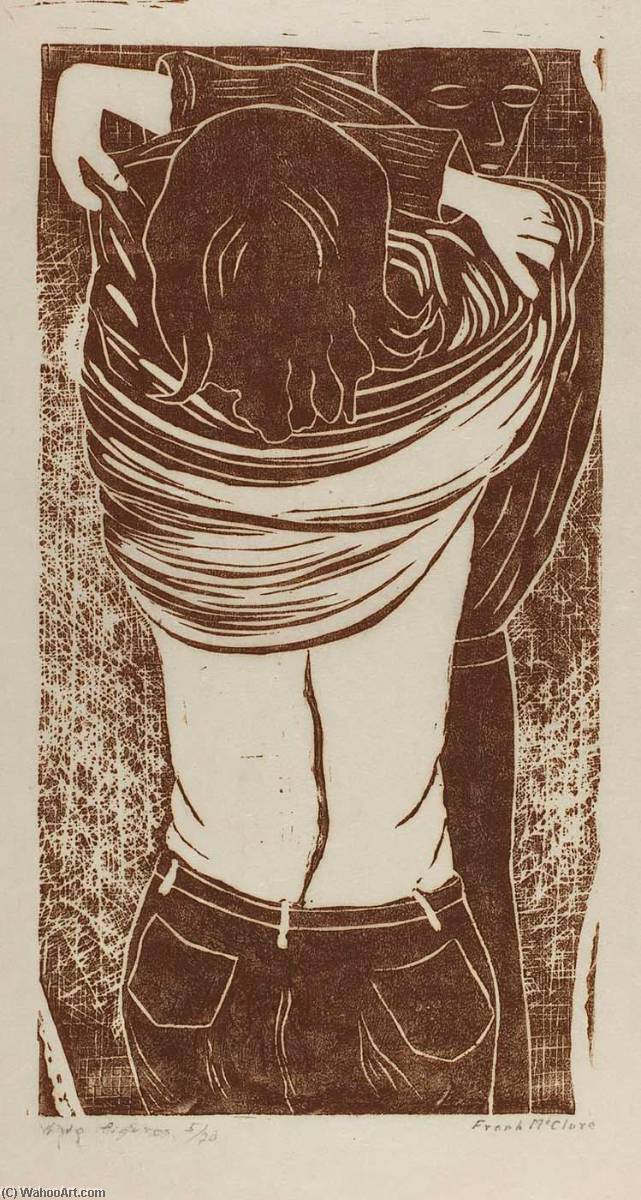
Two Figures

 სრული ტექსტის ნახვა
ამ გვერდზე წარმოდგენილი ნამუშევარი დაცულია საავტორო უფლების შესახებ კანონმდებლობით, რაც იმას ნიშნავს, რომ ჩვენ არ გვაქვს მისი იდენტური რეპროდუქციის შექმნის ან გაყიდვის სამართლებრივი უფლება. აღნიშნული დაცვა უზრუნველყოფილია ისეთი საერთაშორისო შეთანხმებებით, როგორიცაა ბერნის კონვენცია და ეროვნული კანონმდებლობით, მათ შორის იმ კანონებით, რომლებიც დეტალურად არის გაწერილი აშშ-ის საავტორო უფლების შესახებ კანონი - თავი 17.
ეს მეთოდი სრულად შეესაბამება საავტორო უფლებების რეგულაციებს, რადგან ის არ გულისხმობს დაცული ნამუშევრის კოპირებას ან დუბლირებას. ამგვარად, ეს წარმოადგენს შემოქმედებით რეინტერპრეტაციას — ახალ ნახატს, რომელიც შთაგონებითაა განპირობებული ორიგინალით, თუმცა არ არის მის იდენტურ ასლს.
გიკლე / ხელოვნების პრინტი
მუზეუმის დონის ჟიკლე ან ტილოზე ბეჭდვა სწრაფი წარმოებისა და დასრულების მოქნილი ვარიანტებით. ( შეიძინეთ ხელით შესრულებული ნახატი გადასვლა ციფრულ გამოსახულებაზე)




































აირჩიეთ ჩვენს მიერ წინასწარ განსაზღვრული ზომებიდან, რომლებიც ნაწარმოების ორიგინალურ პროპორციებს შეესაბამება.

შეიყვანეთ თქვენთვის საჭირო სიგანე და სიმაღლე, რათა იგი მოერგოს თქვენს ჩარჩოს ან კედელს. ბეჭდვისას შესაძლებელია მხოლოდ მისი შემცირება და არა გაზრდა, ამიტომ სხვა ფორმის ზომის შემთხვევაში გამოსახულება ნაწილობრივ იკარგება. სანამ რაიმეს დაბეჭდავთ, ჩვენ გამოგიგზავნით ციფრულ მაკეტს დასდასტურებლად. ამ გვერდზე ნაჩვენები სურათი არ ასახავს რეალურ ჭრას — ამას მხოლოდ მაკეტი გვიჩვენებს.
მიწოდება მთელ მსოფლიოში () 2 კვირაში, სტანდარტული 4/5 კვირის ნაცვლად. (5 ნოემბერი)

უფასო ექსპრეს მიწოდება მთელ მსოფლიოში

მაღალი ხარისხის ტილო

ტრანსპორტირების სრული დაზღვევა

საბაჟო გადასახადების დაბრუნების გარანტია

ფერების სრული შესაბამისობის გარანტია

დაბრუნების 100-დღიანი პერიოდი (მხოლოდ წარმოების დეფექტის შემთხვევაში)

100% თანხის სრული დაბრუნების გარანტია

ფასდაკლება დიდი რაოდენობით შეკვეთისას
 მინის ჩარჩოს არჩევანი ხელმისაწვდომია მხოლოდ 110 სმ-მდე ზომისთვის

Two Figures
გიკლე / ხელოვნების პრინტი
რეპროდუქციის ზომა
-


ჯამური ღირებულება
₾ 164
A Study in Intimacy: Exploring Frank McClure's "Two Figures"
Frank McClure’s “Two Figures” is a striking woodcut print that captivates with its stark beauty and profound emotional resonance. Created by the American artist (1896-1979), this piece exemplifies Expressionist sensibilities through its simplified forms, bold lines, and focus on conveying raw emotion rather than photographic realism. The monochromatic palette of deep browns amplifies the sense of quiet drama, drawing the viewer into an intimate moment between two individuals.
Style & Technique: The Power of Woodcut
The artwork’s power lies significantly in its chosen medium – woodcut printing. This technique, dating back centuries, involves carving a design into a block of wood and then inking and pressing it onto paper. McClure masterfully utilizes the inherent qualities of woodcut to create a visually arresting image. The thick lines characteristic of the process define the figures with decisive strokes, while the raised areas on the surface impart a tactile quality that invites closer inspection. The deliberate flatness of the composition, lacking distinct shadows or realistic perspective, contributes to its graphic strength and emphasizes the emotional core of the scene.
Subject & Symbolism: Vulnerability and Connection
“Two Figures” depicts an intimate embrace between two individuals, seemingly in a moment of vulnerability. The act of pulling apart clothing is particularly intriguing; it could symbolize a struggle, a tender exploration, or perhaps even a fleeting sense of exposure. The vertical orientation of the print reinforces the closeness and potential confinement within their relationship. While McClure doesn't offer explicit narrative details, the composition evokes feelings of tenderness, longing, and quiet intensity. The absence of background detail further concentrates attention on the figures themselves, amplifying their emotional connection.
Historical Context & Artistic Influences
While specific information about this particular work’s creation is limited, McClure's broader artistic context provides valuable insight. He was associated with American Naturalism, a movement that sought to depict life realistically and often focused on social issues. While "Two Figures" doesn't directly address social commentary, it shares the Naturalist interest in portraying human experience with honesty and directness. The Expressionistic style also reflects early 20th-century artistic trends that prioritized emotional expression over objective representation. Interestingly, research reveals connections to artists like Frank Helmuth Auerbach, known for his expressive portraits, suggesting a shared exploration of human emotion through simplified forms.
Emotional Impact & Collector Appeal
“Two Figures” is more than just an image; it’s an experience. The artwork's quiet drama and emotional resonance linger long after viewing. Its monochromatic palette and graphic style lend themselves to a variety of interior design settings, from modern minimalist spaces to more traditional homes seeking a touch of understated sophistication. For art collectors, this piece represents a compelling opportunity to own a work by an artist known for his insightful portrayals of human experience, rendered with striking technical skill in the expressive medium of woodcut.
კითხვები და პასუხები
რა ფერი დომინირებს Frank Mcclure-ის „Two Figures“ კომპოზიციაში?
ნამუშევარში "Two Figures" ყველაზე თვალსაჩინო ფერია Rosy Brown (#ad947b). დომინანტური ფერის ცოდნა სასარგებლოა ნამუშევრის ინტერიერთან შესაბამისობისთვის.
როგორ არის აგებული Frank Mcclure-ის „Two Figures“-ის ფეროვანი კომპოზიცია?
წარმოებულში "Two Figures", Statement კონტრასტი Strong Color Unity ჰარმონიასთან ერწყმის.
როგორ არის აღწერილი Frank Mcclure-ის „Two Figures“ პალიტრა?
Frank Mcclure-ის „Two Figures“ იყენებს Neutrals ფერების პალიტრას. ეს პალიტრა ასკლერავს ნამუშევრის საერთო ფეროვან ხასიათს.
მსგავსი ნამუშევრები


მხატვრის ბიოგრაფია
The Soul of the American Landscape: The Life and Vision of Frank McClure
Frank McClure (1896-1979) remains a singular, evocative figure in the tapestry of American art, a creator whose work bridged the visceral realities of American Naturalism with the burgeoning emotional depths of Abstract Expressionism. Born in Lafayette, Indiana, McClure’s early years were steeped in the dualities of the American heartland—a landscape where the serene beauty of nature often collided with the grit and upheaval of a rapidly industrializing nation. This profound sensitivity to the tension between the pastoral and the industrial became the heartbeat of his creative journey, allowing him to capture not just the surface of the world, but its underlying psychological tremors.
His artistic development was never a linear path but rather an evolving dialogue with medium and emotion. While he achieved significant renown through his literary endeavors—notably his masterful studies of human psychology in prose—his true visual legacy lies in his ability to translate complex social and internal landscapes into tangible forms. McClure’s work emerged from the intellectual ferment of the early 20th century, absorbing the shadows of Surrealism and the psychological weight of Jungian theory, yet he always maintained a grounded, tactile connection to the physical world.
Mastery of the Woodcut and the Language of Form
Perhaps nowhere is McClure’s genius more evident than in his groundbreaking exploration of woodcut printmaking. In this demanding, subtractive medium, he found a way to mirror the ruggedness of the human condition. Unlike the fluid spontaneity of a brushstroke, the woodcut requires a deliberate, forceful carving that echoes the very themes of struggle and resilience present in his subject matter. He developed a distinctive style characterized by:
- Bold Geometric Forms: Utilizing simplified shapes to strip away unnecessary ornamentation and focus on the structural essence of his subjects.
- Emotional Linearity: Employing thick, decisive lines that convey raw emotion and a sense of quiet drama, particularly evident in works like "Two Figures."
- Monochromatic Depth: Using limited palettes to amplify the starkness of his compositions, creating an atmosphere of intimacy or profound isolation.
This mastery extended into his paintings and watercolors, where he could pivot from the heavy, graphic strength of printmaking to the ethereal, atmospheric qualities seen in works such as "Lavender Piano" or the tranquil, snowy vistas of "Full Moon." In doing so, he proved himself a versatile chronicler of both the monumental and the minute.
A Legacy of Emotional Resonance and Social Truth
The historical significance of Frank McClure lies in his refusal to retreat into mere sentimentality. Whether he was exploring the corrosive effects of societal pressure through his literary lens or capturing the haunting beauty of a riverside town in "Curved Street," his work always sought a deeper truth. He stood at a pivotal crossroads in art history, acting as a bridge between the gritty realism of the Naturalist movement and the abstract, emotive explorations of the post-war New York School.
Though he may not always occupy the same immediate spotlight as the canonical giants of Abstract Expressionism like Pollock or Rothko, McClure’s contribution is indispensable. He provided a vital link, demonstrating how the heavy, physical labor of printmaking and the observational rigor of Naturalism could feed into the profound, non-representational emotional landscapes of the modern era. His life's work remains a testament to the power of art to confront the harshness of reality while simultaneously seeking the sublime beauty hidden within it.

Frank Mcclure
1896 - 1979
მოკლე ფაქტები
- Artistic Movement Or Style: American Naturalism
- Artists Or Movements Influenced By This Artist: ['Abstract Expressionism']
- Artists Who Influenced This Artist: ['Norris, Frank']
- Date Of Birth: 1896
- Date Of Death: 1979
- Full Name: Frank McClure
- Nationality: American
- Notable Artworks: ['Two Figures']
- Place Of Birth: Lafayette, IN
მსგავსი სტატიები

Echoes of Time: Exploring the Enduring Appeal & Historical Context of Vintage Art Prints
Explore the captivating world of vintage art prints! Discover their history, collecting tips & enduring appeal. Expert insights on chromolithography and building a legacy collection with ArtsDot.

Giclée Prints: Archival Quality & Aesthetic Nuances for the Discerning Collector
Explore the world of giclée prints with ArtsDot. Learn about archival quality, aesthetic nuances & investment potential. Expert guidance for discerning art collectors seeking museum-quality reproductions and lasting value.

Frank McClure: A Study in Abstract Expressionism's Emotional Landscape & Material Innovation
Discover the profound emotional depth & innovative techniques of Frank McClure, a key figure in Abstract Expressionism. Explore his woodcuts, influences, and lasting legacy – essential reading for serious art collectors.
The Enduring Legacy of Printmaking: Techniques, Themes & Artistic Innovation Across Centuries
Explore the rich history of printmaking with ArtsDot. Discover techniques from intaglio to lithography, learn about collecting valuable prints & find museum-quality reproductions. Expert insights for art enthusiasts and collectors.

The Enduring Legacy of Fine Art Prints: Technique, History & Aesthetic Impact
Explore the rich history & techniques of fine art prints. Discover investment potential, assess authenticity, and learn how to preserve your collection with expert guidance. Trusted insights for discerning collectors.