

 წინასწარი ნახვა
 გაგზავნა
 გაზიარება
 დეტალები
 გზამკვლევი

 ჩამოტვირთვა
 მსგავსები
 რენტგენოგრაფიული კვლევა
 სლაიდშოუ
 კითხვა-პასუხი
 სტატისტიკა
untitled (7433)


 გააგრძელეთ კითხვა
მიიღეთ ბეჭდვისთვის გამზადებული ფაილი, რომლის ხარისხიც ბევრად აღემატება ვებ-პრევიუსს. ჩვენს ბაზაში არსებული ყველა ციფრული გამოსახულება ეყრდნობა მაღალი რეზოლუციის ორიგინალს — როგორც წესი, 5,000-დან 15,000 პიქსელამდე სიგანის — რაც საშუალებას გაძლევთ, თავდაჯერებულად დაამბოროთ დიდი ზომის ბეჭდვა, მოახდინოთ ფრაგმენტის მჭიდროდ გამოჭრა ან აღადგინოთ ნატიფი დეტალები.
ჩვენს სტუდიაში არცერთი ფაილი შეუმჩნევლად არ რჩება. ციფრული ექსპერტი ადარებს ფერებს ორიგინალ ნახატს და საჭიროების შემთხვევაში ასწორებს მათ, შემდეგ კი პროფესიონალური რეტუშირების ინსტრუმენტებით აუმჯობესებს სიცხადესა და დეტალიზაციას — ყოველთვის ოსტატის ფუნჯის მონაკვეთებისა და სტილის ერთგულებით. შედეგი არის გამოსახულება, რომელიც ნამდვილ ნახატს ჰგავს და არა ფილტრებულ სკანირებას.
თქვენ აკონტროლებთ პროცესს მის დასრულებამდე: ჩვენი ექსპერტი 72 საათის განმავლობაში გამოგიგზავნით გამოსახულებას ელექტრონული ფოსტით გადასასინჯად. არ დაკმაყოფილებული? მოითხოვეთ ცვლილებები ან შესწორებები, ან მოითხოვეთ თანხის დაბრუნება, თუ ხარისხი თქვენს მოლოდინს ვერ შეესაბამება.
ეს არის ხარისხი, რომელსაც ენდობიან გამომცემლობები, დიზაინ სტუდიები, გალერეები და அச்சგამოცემები.
ციფრული გამოსახულება
ჩამოტვირთეთ მაღალი გარჩევადობის ფაილი პირადი გამოყენებისთვის, დასაბეჭდად და შემოქმედებითი პროექტებისთვის. ( ბეჭდვის რეჟიმზე გადართვა შეიძინეთ ხელით შესრულებული ნახატი)
ყოველ ციფრულ გამოსახულების შეკვეთაში შედის
ექსპერტული ციფრული მიწოდების გარანტია
როდესაც ირჩევთ ArtsDot.com-ს, თქვენ მხოლოდ სურათს კი არ იღებთ, არამედ იღებთ პროფესიონალურად დამუშავებულ ციფრულ ნამუშევარს, რომელიც შექმნილია უზადო სიზუსტით და დაცულია კმაყოფილების გარანტიით. თქვენს შეკვეთას ავტომატურად მოჰყვება შემდეგი:

სწრაფი ელექტრონული მიწოდება
თქვენს მაღალი რეზოლუციის ციფრულ გამოსახულებას შეკვეთის დაწყებიდან 72 საათში ელექტრონული ფოსტით მიიღებთ — ის მზად იქნება დაუყოვნებლივი გამოყენებისთვის.

ხელოვნური ინტელექტით გაუმჯობესებული ციფრული გამოსახულება
თქვენი ხელოვნების ნიმუშები პროფესიონალურად არის ოპტიმიზებული მოწინავე AI ინსტრუმენტებისა და მექანიკური რედაქტირების მეშვეობით, რაც უზრუნველყოფს მაქსიმალურ დეტალიზაციას, სიცხადესა და ფერების სიზუსტეს.

ციფრული გამოსახულებების უფასო სამუდამო ხელახალი მიღება
ფაილი შემთხვევით წაიშალა ან დაკარგეთ? ნუបედავთ — ჩვენ მას ნებისმიერ დროს, უფასოდ ხელახლა გამოგეგზავნით.

იმპორტის გადასახადების გარეშე — ყოველთვის
ჭიდად ისიამოვნეთ თქვენი ნამუშევრით მყისიერად, საბაჟო გადასახადის, მოსაკრებლის ან მიწოდების ხარჯის გარეშე - ციფრული ჩამტვირთვისას ყოველთვის საგადასახადო თავისუფლებაა.

ფერების სიზუსტის გარანტია
პროფესიონალური ინსტრუმენტებისა და ფერების მართვის სისტემის გამოყენებით, ჩვენ უზრუნველყოფთ, რომ თქვენი ციფრული გამოსახულება მაქსიმალურად ზუსტად ასახავდეს ორიგინალურ ფერებს.

კმაყოფილების 100-დღიანი გარანტია
თუ თქვენ არ დაკმაყოფილებული ხართ თქვენი ციფრული გამოსახულებით, ჩვენ შევიტანთ მასში ცვლილებებს ან დაგიბრუნებთ 100% თანხას 100 დღის განმავლობაში — ყოველგვარი კითხვის დასმევის გარეშე.

100% თანხის დაბრუნების გარანტია
არ არის კმაყოფილი? მიიღეთ თანხის სრული დაბრუნება ციფრული ფაილის მიღებიდან 100 დღის განმავლობაში — ყოველგვარი დამატებითი კითხვების გარეშე.

ფასდაკლება დიდი რაოდენობით შეკვეთაზე
შეიძინეთ 3 გამოსახულება და მიიღეთ 10% ფასდაკლება - შეიძინეთ 5 და მიიღეთ 15% ფასდაკლება - შეიძინეთ 10+-ზე და მიიღეთ 20% ფასდაკლება. იდეალურია კრეატიული პროექტებისთვის, გალერეებისა და სააგენტოებისთვის.
A Geometric Vision of Modernity
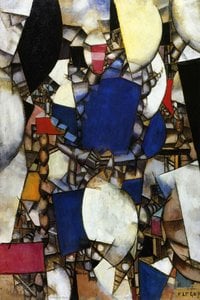
In the vibrant tapestry of twentieth-century avant-garde art, few threads are as bold and structurally sound as those woven by Fernand Léger. His untitled (743 3) composition serves as a breathtaking window into an abstracted reimagining of urban existence, where the chaotic pulse of the city is distilled into a rhythmic dance of geometry. Rather than offering a literal window onto a streetscape, Léger invites us into a dreamlike realm where buildings and organic forms merge into a singular, stylized vision. The canvas is dominated by striking, bold shapes that suggest the soaring heights of architecture and the skeletal grace of abstracted trees, all arranged in a deliberate asymmetry that compels the viewer’s eye to wander across the surface, discovering new intersections of color and form with every glance.
The emotional resonance of this piece lies in its unique ability to balance tension with harmony. There is a subtle, almost haunting sense of detachment within the flattened perspective; by minimizing depth, Léger distances the scene from the grit of everyday reality, elevating the cityscape to a plane of pure aesthetic contemplation. For the collector or interior designer, this work offers a sophisticated emotional anchor—a piece that conveys the controlled chaos of modern life while maintaining an air of serene, structured elegance. It is a visual symphony of modernity, capturing that fleeting moment where the industrial and the organic exist in a state of perfect, geometric equilibrium.
The Pulse of the Machine Age
To understand this masterpiece, one must delve into Léger’s revolutionary "Tubism," a distinctive evolution of Cubism that replaced the fragmented planes of his contemporaries with cylindrical, tubular forms. This technique breathes a muscular, mechanical energy into the work, celebrating the strength and dynamism of the industrial age. The application of color is remarkably purposeful; using what appears to be the flat, decisive strokes of gouache or acrylic, Léger employs a palette that is both vibrant and carefully curated. There is no room for the ambiguity of soft brushwork here; instead, every edge is sharply defined, creating a sense of order and architectural permanence that mirrors the very structures it depicts.
This stylistic choice reflects Léger’s profound fascination with the aesthetics of progress. As a pioneer who found beauty in the metallic sheen and rhythmic precision of machinery, he utilized clean lines and streamlined patterns that whisper of the Art Deco movement. The artwork does not merely represent a city; it engineers an experience of one. For those seeking to infuse a contemporary space with intellectual depth and historical significance, this reproduction offers more than just decoration. It provides a profound connection to a period of radical transformation, bringing the high-voltage hum of the machine age into the quiet sanctuary of the modern home.
A Legacy of Form and Color
Beyond its striking visual impact, untitled (7433) stands as a testament to Léger’s enduring legacy as a bridge between the abstract experiments of the early 1900s and the populist energy of later movements like Pop Art. His ability to translate the complex, often alienating experience of urban industrialization into an accessible, figurative aesthetic is nothing short of masterful. The work avoids the coldness of pure abstraction by retaining a sense of recognizable life, even if that life is reimagined through a lens of geometric precision.
Integrating such a piece into a curated collection or a high-end interior design project allows for a dialogue between history and modernity. The verticality of the composition lends itself to creating a sense of height and grandeur in a room, while the bold, primary-adjacent tones can serve as a focal point that energizes neutral palettes. Owning a reproduction of this caliber is an invitation to inhabit Léger’s world—a world where every cylinder, every stripe, and every shape vibrates with the eternal heartbeat of human progress and the unyielding beauty of form.
კითხვები და პასუხები
რა ტექნიკა გამოიყენეს ფერნან ლეგერი-ის „untitled (7433)“-ის შესაქმნელად?
ფერნან ლეგერი-მა „untitled (7433)“-ის შესაქმნელად Gouache ტექნიკა გამოიყენა. აღნიშნული ტექნიკა განსაზღვრავს ორიგინალი ნამუშევრის მატერიალურ ბუნებას.
რა არის გამოსახული ფერნან ლეგერი-ის „untitled (7433)“-ში და რა განწყობას გადმოგვცემს იგი?
"untitled (7433)" ასახავს abstract cityscape, geometric forms, modern urban, cubist style, bold colors, architectural art, surreal design, industrial theme-ს, მისი განწყობა კი — Modern-ს.
რა ზომის untitled (7433) რეკომენდებულია Living Room-ისთვის?
ფერნან ლეგერი-ის „untitled (7433)“-ისთვის რეკომენდებული კომბინაციაა: Large ზომის ბეჭდური ნამუშევარი Living Room-ისთვის.
დაკავშირებული ნამუშევრები




მხატვრის ბიოგრაფია
The Life of Fernand Léger
The story of Fernand Léger begins in the village of Argentan, located in the Orne region of Lower Normandy. He arrived into this world on February 4, 1881, as an only son. His early years were shaped by the quietude of the French countryside and the presence of his mother, Marie-Adèle Daunou. His father, a man who made his living as a cattle dealer, passed away when Fernand was still a young boy, leaving the child to be raised by his mother in a household marked by her piety and a certain self-effacing nature.
This upbringing in the rural landscapes of Normandy provided a grounding contrast to the life he would eventually lead in the bustling centers of French culture. While his roots were tied to the earth and the physicality of agricultural life, his spirit was drawn toward the complexities of the modern age. He would eventually expand his reach far beyond the borders of Argentan, becoming a man of many disciplines. He did not limit himself to the canvas, but instead sought to express his vision through sculpture and the moving images of film.
His life was a constant movement between the organic textures of his youth and the structured, mechanical rhythms of the cities. This duality defined his very existence, as he navigated the shifts of a changing century. His path was never a simple one, marked by the tension between the traditional world of his childhood and the rapid, industrial pulse of the future he would eventually help to define through his art.
Early Life, Family and Training
The roots of his vision were planted in the rural landscapes of Argentan, in the Orne region of Lower Normandy, France. Born into a world of cattle farming, his early years were shaped by the physicality of the land and the steady rhythms of agricultural life. This grounding in the tangible, working world would remain a quiet presence beneath the surface of his later, more complex explorations. He was an only son, raised by a mother who was both pious and self-effacing, and his path was initially steered toward the structured discipline of architecture. From 1897 to 1899, he dedicated himself to this technical craft, learning the logic of space and the necessity of precise drafting.
By 1900, the pull of the city became too strong to ignore, and he moved to Paris. He supported himself by working as an architectural draftsman, a role that required a keen eye for line and proportion. While his formal training in architecture provided a foundation of structural understanding, his heart began to drift toward the canvas. He sought entry into the prestigious École des Beaux-Arts, but the institution did not grant him the official status of an enrolled student. Undeterred, he attended the school as a non-enrolled student, absorbing the lessons of the masters while navigating the fringes of the academic establishment. This period of study, though sometimes described as a time of searching, was essential in refining the technical skill he would eventually use to dismantle and rebuild the world in his own image.
The Influence of Cézanne and Cubism
A profound shift occurred in 1907 when the artist encountered the retrospective of Cézanne at the Salon d'Automne. This encounter acted as a catalyst, pulling him away from the soft impressions of his youth and toward a more structural way of seeing. He began to look past the surface of things, seeking instead the underlying geometry that defines the world. By 1909, his presence in the creative circles of Paris grew as he met figures such as Alexander Archipenko, Jacques Lipchitz, Marc Chagall, and Robert Delaunay. These encounters were not merely social; they were collisions of new ideas that helped shape the direction of his developing vision.
As the years progressed, he found himself moving within the orbit of the Puteaux Group, a circle of artists also known as the Section d'Or. Alongside Jean Metzinger and Henri Le Fauconnier, he explored the mathematical and structural possibilities of this new language. He was not content to simply follow the paths laid by others, but instead sought to find his own way through the fractured planes and overlapping forms that defined the era. This period of intense experimentation led to his first major exhibition at the Salon des indépendants in 1911, where he presented Nudes in the Forest.
- Nudes in the Forest (1911)
War and the Mechanical Period
The chaos of the Great War pulled the artist away from the studios of Paris and into the harsh realities of the front. From 1914 to 1917, he served in the French Army, spending two grueling years in the Argonne. The conflict was not merely a backdrop to his life but a transformative force that altered his very perception of form. In 1916, a mustard gas attack nearly claimed his life, leaving him to recover while the world around him was being reshaped by the sheer power of industrial destruction. Even during a brief furlough in that same year, he found himself compelled to paint, producing Soldier with a Pipe. This work captured a sense of the new reality, where the human figure began to take on the qualities of the machines that dominated the battlefield.
By 1917, a distinct shift had taken hold in his creative spirit, marking the beginning of what would be called his mechanical period. He found a strange, rhythmic beauty in the tools and technology of modern warfare and industry. The sleek, tubular shapes and the precision of mechanical parts became his new visual language. He did not see these objects as cold or impersonal; instead, he embraced their strength and their ability to organize the chaos of modern existence. The war had stripped away the soft edges of his earlier work, replacing them with a hard-edged, structural clarity that mirrored the steel and pistons of a changing age.
Technique and Style
His brush moved with a rhythmic, almost industrial precision, seeking to capture the pulse of a changing era. He moved away from the soft, blended shadows of the past, choosing instead to build his compositions through a language of robust, geometric strength. This led to the development of a personal form of Cubism that critics identified as "Tubism." In this style, the world was reimagined through tubular, conical, and cubed forms, creating a sense of volume that felt both solid and dynamic. He did not merely paint objects; he sought to find their essential, structural logic.
The colors he chose were as assertive as the shapes they filled. He favored a palette dominated by primary colors, often punctuated by stark black and white, which helped to define the sharp boundaries of his subjects. Rather than relying on traditional illusionism, he applied paint in bold, flattened planes of color. He often used a thick impasto, a technique that emphasized the physical presence of the medium on the canvas. This textural approach ensured that his work felt grounded and material, mirroring the very machines and urban structures he so admired. His figures often took on sleek, mechanical-looking shapes, blurring the line between the organic human form and the engineered precision of the modern age.
- Nudes in the Forest (1910)
- The Woman in Blue (1912)
- Soldier with a Pipe (1916)
- The Mechanic (1920)
Later Years and Death
The shifting tides of global conflict eventually pulled the artist away from his Parisian circles and across the Atlantic. Between 1940 and 1945, he lived in the United States, a period that offered a different perspective on the modern world he had so long sought to translate onto canvas. This time abroad provided a pause in his long evolution, a moment of transition before his eventual return to the soil of France.
Upon returning to his homeland, his personal life saw a significant change. In February 1952, he married Nadia Khodasevich. This union marked a final chapter in his life, one lived amidst the continued production of his diverse works, from large-scale murals to delicate stained-glass windows. Even as he aged, his recognition remained steady on the international stage. In 1955, he won the Grand Prize at the São Paulo Bienal, a high honor that arrived in the same year as his passing. He died on August 17, 1955, in Gif-sur-Yvette, France.
Legacy and Influence
Léger left a mark that reached far beyond the avant-garde circles of his own time. By bridging the gap between abstract art and figurative representation, he offered a way for artists to engage with the modern world without abandoning the human subject entirely. His approach allowed for a dialogue between the structural logic of geometry and the recognizable presence of people and objects. This ability to find a middle ground between the purely conceptual and the tangible helped shape the direction of much of the art that followed.
His bold simplification of form and his fascination with the aesthetics of mass production acted as a forerunner to the pop art movement. He saw a certain beauty in the repetitive, functional nature of the machine age, a perspective that would later resonate with a new generation of creators. Artists such as Roy Lichtenstein and Andy Warhol drew a clear line from his experiments with bold outlines and mechanical imagery to their own explorations of popular culture. He helped prepare the visual language for an era that would eventually celebrate the very industrial and commercial elements he had once sought to translate onto canvas.
Where to See the Works Today
To encounter the physical presence of his vision, one might travel to the south of France, specifically to Biot in the Alpes-Maritimes. Here, the Musée national Fernand Léger resides, a place dedicated entirely to the study and preservation of his creative output. The museum occupies the Mas Saint-André, a villa that once belonged to the artist himself. Within these walls and the surrounding gardens, his polychrome ceramic sculptures find their intended setting, allowing the viewer to see how his forms interact with the light and space of the Mediterranean landscape.
Beyond this specialized sanctuary, his canvases and sculptures are held within various significant institutions. The Musée d'Art et d'Histoire in France maintains a collection of his works, ensuring his presence in the broader narrative of French art. These holdings allow for a continued study of how he translated the energy of the machine age into static, yet pulsing, visual forms. Travelers seeking his specific aesthetic can find his traces in several major collections, including:
- The Kimbell Art Museum in Fort Worth
- The Museum of Modern Art in New York City
- The Musée National Fernand Léger in Biot
His influence also lingers in the works of others, but the primary way to witness his direct hand is through these established repositories. Whether observing the bold, cylindrical shapes in a museum setting or seeing his sculptures in the quiet of a garden, the viewer is met with the same structural clarity that defined his life's work. His legacy remains anchored in these specific locations, where the heavy, mechanical rhythms of his paintings are preserved for those who seek the truth of his geometry.

ფერნან ლეგერი
1881 - 1955 , საფრანგეთი
მოკლე ინფორმაცია
- Artistic Movement Or Style:
- კუბიზმი
- ტუბიზმი
- Section d'Or
- პურიზმი
- დადაიზმი
- კონსტრუქტივიზმი
- Artists Or Movements Influenced By This Artist:
- პოპ-არტი
- როი ლიჩტენშტეინი
- ენდი უორჰოლი
- Artists Who Influenced This Artist: ['პოლ სეზანი']
- Date Of Birth: 1881
- Date Of Death: 1955
- Full Name: ჟოზეფ ფერნან ანრი ლეგერი
- Nationality: ფრანგი
- Notable Artworks:
- Nudes in the Forest
- The City
- The Mechanic
- Three Women
- The Woman in Blue
- Place Of Birth: არგენტანი, საფრანგეთი